
Introduction
Overview of Pay-Per-Click Advertising
Pay-Per-Click (PPC) advertising has transformed the way businesses market their products and services online. This model allows advertisers to pay only when someone clicks on their ads, making it a cost-effective option for businesses of all sizes. In Fort Lauderdale, where competition is fierce, PPC can serve as a powerful tool to improve visibility, reach targeted audiences, and generate immediate traffic to websites.
With platforms like Google Ads and Facebook Ads, businesses can create highly targeted campaigns tailored to specific demographics, locations, and interests. For example, a local coffee shop in Fort Lauderdale could develop a PPC campaign that specifically targets individuals searching for “best coffee near me” or “Fort Lauderdale coffee shops.” This level of targeting ensures that advertising dollars are spent efficiently, reaching those most likely to convert.
Importance of ROI in PPC Strategies
When investing in PPC, understanding and optimizing for Return on Investment (ROI) is crucial. Businesses must continuously assess the effectiveness of their campaigns to ensure they are generating more revenue than the amount spent. Here are some key considerations for achieving positive ROI in PPC:
- Track Conversion Rates: Monitoring the percentage of clicks that lead to sales, calls, or sign-ups.
- Set Clear Goals: Defining what success looks like—whether it’s increasing website traffic, boosting sales, or enhancing brand awareness.
- Adjust Campaigns Accordingly: Regularly tweaking ad copy, keywords, and targeting based on performance metrics.
By focusing on ROI, Fort Lauderdale businesses can maximize their advertising budget, ensuring that every dollar spent in PPC contributes to their overall growth and success in the digital marketplace.
Understanding Pay-Per-Click Advertising
Definition of Pay-Per-Click
Pay-Per-Click (PPC) is an online advertising model where advertisers pay a fee each time one of their ads is clicked. Essentially, it’s a way of buying visits to your site rather than attempting to “earn” those visits organically. The advertising platforms, notably Google Ads, allow businesses to bid on keywords relevant to their products or services, ensuring that their ads appear in search results when users search for those terms.
For example, if a local Fort Lauderdale restaurant bids on keywords like “best seafood restaurant,” their advertisement will feature prominently on the search results page whenever someone types in that term. This targeted approach can lead to increased visibility and traffic, resulting in enhanced opportunities for conversion.
Benefits of PPC for Fort Lauderdale Businesses
Investing in PPC advertising offers several advantages for businesses in Fort Lauderdale. Here are some key benefits:
- Immediate Results: Unlike organic SEO efforts, which can take time to bear fruit, PPC campaigns can drive traffic instantly.
- Targeted Advertising: With precise targeting options available, businesses can reach local customers effectively by honing in on specific demographics, locations, or even interests.
- Budget Control: Businesses can set daily or monthly budgets, limiting spending and maximizing ROI.
- Measurable Performance: Advertising platforms provide comprehensive analytics, allowing businesses to track the success of their ads and pivot strategies as necessary.
As a small boutique in Fort Lauderdale discovered, launching a PPC campaign significantly boosted foot traffic during the holiday season. By highlighting special promotions through carefully crafted ads, they were able to attract not only locals but also tourists looking for unique shopping experiences. This is just one example of how PPC can empower businesses to thrive in a competitive marketplace.

Setting Up Effective PPC Campaigns
Keyword Research and Selection
One of the first steps in creating an effective Pay-Per-Click (PPC) campaign is robust keyword research and selection. This process involves identifying the phrases and terms potential customers use when searching for products or services similar to what your business offers.
Using tools like Google Keyword Planner or SEMrush can provide insights into search volume and competition levels for various keywords. Take, for example, a Fort Lauderdale fitness center looking to attract new members. It might consider keywords such as “Fort Lauderdale gym,” “best fitness classes near me,” or “affordable personal training.”
To maximize effectiveness, keyword selection should focus on:
- Relevance: Ensure that the keywords directly relate to what your business offers.
- Long-Tail Keywords: These are longer phrases that, while they attract less traffic, often result in higher conversion rates due to their specificity.
- Negative Keywords: Identify terms that could bring irrelevant traffic to your ads to avoid wasted spend.
Ad Copywriting for Better Click-Through Rates
Once you have your keywords nailed down, the next step is crafting compelling ad copy that resonates with your target audience. Engaging ad copy is essential for increasing click-through rates (CTR).
Consider these tips:
- Highlight Unique Selling Points: What makes your service or product stand out? Perhaps a limited-time offer for new gym members or flexible class schedules.
- Call to Action (CTA): Use persuasive CTAs like “Join Now” or “Get Your Free Trial Today!”
- Ad Extensions: Utilize ad extensions to provide additional information like location, call buttons, or site links, enhancing your ad’s visibility and utility.
Landing Page Optimization Techniques
Finally, directing users to an optimized landing page is crucial for converting clicks into actual customers. A landing page should be consistent with the ad’s copy and visually appealing. Here are some best practices:
- Clear Messaging: Ensure that what’s promised in the ad is clearly communicated on the landing page.
- Easy Navigation: The page should be user-friendly, making it easy for visitors to find information and take action.
- Fast Load Times: A slow-loading page can lead to high bounce rates; optimize images and code to ensure speed.
For instance, a Fort Lauderdale travel agency may have separate landing pages for various vacation packages, each tailored to the specific ads they run. By ensuring these pages are relevant and optimized, they significantly improve the chances of converting an intrigued click into a sale. Implementing these strategies can lead to successful PPC campaigns that drive relevant traffic and enhance overall business performance.
Maximizing ROI with PPC Budget Management
Bid Strategies for Cost-Effective Clicks
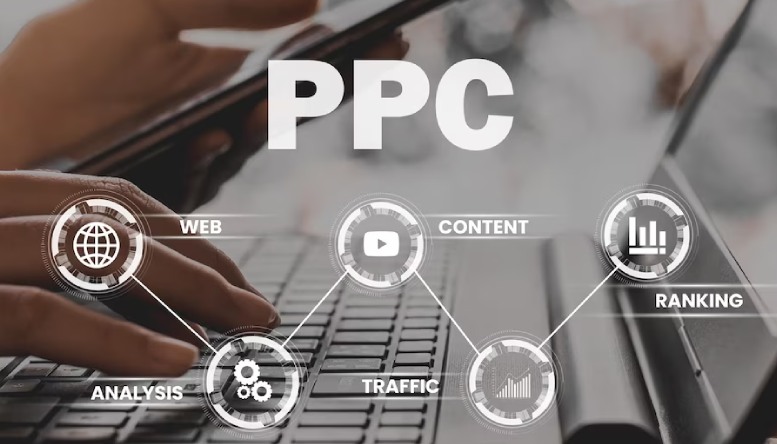
Once you’ve laid the groundwork for your PPC campaigns, the next critical component is managing your budget effectively to maximize your Return on Investment (ROI). A well-thought-out bid strategy ensures that your ads are competing effectively without breaking the bank.
There are several bidding options available:
- Manual Bidding: This allows you to set your bids at a granular level, giving you complete control, perfect for campaigns where you already know which keywords perform best.
- Automated Bidding Strategies: Google Ads offers strategies such as Target CPA (Cost Per Acquisition) or Maximize Conversions, which automatically adjust bids based on predicted performance.
- Bid Adjustments: Use demographic and geographic data to adjust bids—consider increasing bids for users in specific locations, like Fort Lauderdale, where your business is based.
One Fort Lauderdale spa, for instance, used manual bidding to focus on time-sensitive promos during weekends, leading to lower costs per click while optimizing for conversions.
Monitoring and Adjusting Campaign Performance
Monitoring campaign performance in real time is another essential aspect of PPC budget management. Regularly reviewing analytics allows businesses to understand what’s working and what isn’t. Key metrics to watch include:
- Click-Through Rates (CTR): Determine the effectiveness of your ad copy and keywords.
- Conversion Rates: Track how many clicks lead to desired actions on your website.
- Cost-Per-Click (CPC): Keep an eye on what you’re spending per click to ensure it’s within budget.
For example, if a local Fort Lauderdale auto repair shop notices that their ads for oil changes are generating high clicks but low conversions, they might tweak their landing page or adjust their ad copy to better resonate with potential customers.
Remarketing Tactics to Increase Conversions
Remarketing is a powerhouse tactic for boosting conversions and leveraging your existing traffic. By targeting visitors who have previously interacted with your website, you can remind them of services they showed interest in, thereby increasing the chances of conversion.
Consider these effective remarketing strategies:
- Segment Your Audience: Tailor ads based on user behavior—target customers who visited the service page but did not complete an appointment booking.
- Dynamic Ads: Use ads that automatically generate based on the specific services or products users viewed.
- Offer Incentives: Providing special discounts for previously interested visitors can entice them to return and complete a purchase.
A Fort Lauderdale real estate agency successfully utilized remarketing ads that showcased properties potential buyers had browsed, coupled with limited-time offers, resulting in a substantial uplift in inquiries. By effectively managing your PPC budget, implementing strategic bidding, monitoring performance, and employing remarketing tactics, businesses can create cost-effective ads that yield high ROI.

Localized PPC Strategies for Fort Lauderdale Businesses
Targeting Local Keywords and Audiences
For businesses in Fort Lauderdale, one of the most effective strategies in Pay-Per-Click (PPC) advertising is to focus on localized keywords and audiences. By incorporating specific terms that resonate with locals, businesses can reach potential customers who are actively searching for services in their area.
To do this effectively, consider the following:
- Use Location-Specific Keywords: Include terms like “Fort Lauderdale florist” or “best pizza in Fort Lauderdale” in your campaigns. This specificity not only improves ad relevance but also boosts click-through rates.
- Research Local Competitors: Analyze what keywords similar businesses are targeting. This ensures that you’re competing effectively without missing out on potential leads.
- Focus on Community Events and Needs: Tailor your keywords around local events, festivals, or seasonal activities. A Fort Lauderdale gym might promote a “Summer Fitness Challenge,” attracting community members looking to get fit for summer.
Utilizing Google My Business for Local PPC
Google My Business (GMB) serves as an invaluable tool for enhancing local PPC strategies. With GMB, businesses can manage their online presence on Google Search and Maps, ensuring higher visibility in local searches. Here’s how to make the most of it:
- Complete Your Business Profile: Ensure all information is accurate, including hours, location, and contact details, as this affects search visibility.
- Post Regular Updates: Use GMB to share promotions, events, or news about your business; this can boost engagement and click rates on your ads.
- Encourage Customer Reviews: Positive reviews not only enhance credibility but also impact local search rankings, making your PPC ads more effective.
Leveraging Geo-Targeting Features
Lastly, leveraging geo-targeting features can significantly amplify the effectiveness of your PPC campaigns. This allows businesses to focus their ads on specific geographic areas.
Consider these strategies:
- Define Target Areas: Focus on specific neighborhoods or regions within Fort Lauderdale where your target audience lives or works. This can lead to more relevant clicks.
- Adjust Bids by Location: Increase your bids for areas with higher conversion rates. For instance, if one neighborhood frequently responds to your ads, allocate more budget there for maximum ROI.
- Customized Ads for Different Locations: Tailor your ad copy based on the specific locations you’re targeting; this can make your ads feel more personal and relevant.
By implementing these localized PPC strategies, Fort Lauderdale businesses can effectively reach their target audience, driving higher engagement and conversions. Utilizing local keywords, Google My Business, and geo-targeting ensures your PPC campaigns are not just seen but also valued by your local community.

Analyzing PPC Metrics for Continuous Improvement
Key Performance Indicators to Track
To ensure the success of your Pay-Per-Click (PPC) campaigns, regular analysis of key performance indicators (KPIs) is essential. These metrics serve as vital signposts, guiding your strategies for ongoing improvement. Here are some of the most critical KPIs every business should monitor:
- Click-Through Rate (CTR): This measures the percentage of people who click on your ad after seeing it. A higher CTR suggests that your ad copy and targeting are effectively resonating with your audience.
- Conversion Rate: This indicates the percentage of clicks that result in a desired action, such as a purchase or sign-up. Tracking this helps you understand the effectiveness of your landing pages and overall campaign.
- Cost Per Acquisition (CPA): This tells you how much it costs to acquire a customer through your ads. Keeping a close eye on CPA ensures that your spending aligns with your budget and goals.
For instance, a Fort Lauderdale boutique might find that their CTR improves significantly after adjusting their ad copy, prompting them to revisit their existing campaigns.
A/B Testing for Ad Optimization
A/B testing is a powerful strategy for optimizing ads and maximizing performance. By comparing two variations of an ad, you can determine which performs better and apply the learnings to your future campaigns. Here’s how to implement it effectively:
- Test Different Elements: Experiment with various elements such as headlines, images, or CTAs to see which combinations yield the highest response rates.
- Use Sufficient Sample Sizes: Ensure your tests run long enough and garner enough clicks for statistically significant results.
- Make Iterative Changes: Apply successful changes across your campaigns gradually to avoid overwhelming your audience or introducing too many variables at once.
Utilizing Analytics Tools for Data-Driven Decisions
Leveraging analytics tools allows businesses to make informed decisions based on actual data rather than assumptions. Tools like Google Analytics or HubSpot offer valuable insights into user behavior, helping to refine PPC strategies.
- Track User Behavior: Understanding how users interact with your landing pages can highlight what aspects are working and where there’s room for improvement.
- Set up Conversion Tracking: This provides detailed insights into which ads lead to actual sales or sign-ups, enabling smart resource allocation.
- Regular Reports: Generate periodic reports to summarize performance; this can help identify trends and areas for modification.
A local Fort Lauderdale travel agency, for example, can use analytics to determine which vacation packages drive higher conversions and optimize their advertising focus accordingly. By analyzing PPC metrics, engaging in A/B testing, and utilizing analytics tools, businesses can continuously refine their strategies, ensuring that their marketing efforts deliver the best possible results.
Adapting to Trends and Changes in PPC Landscape
Updates in Google Ads Algorithms
As the digital advertising landscape evolves, so do the algorithms that govern platforms like Google Ads. Staying updated on these changes is vital for any business leveraging Pay-Per-Click (PPC) strategies. Google frequently makes updates aimed at improving user experience and ad relevance.
For businesses in Fort Lauderdale, it means keeping a close eye on announcements from Google and adapting strategies accordingly. Key updates could include:
- Enhanced Campaign Types: Google may introduce new campaign types or features that utilize machine learning to optimize bidding.
- Changes in Ad Rank Factors: Understanding how ad quality, expected CTR, and landing page experience impact your ad rank is crucial to maintaining visibility.
- Smart Bidding Features: Updates to automated bidding strategies mean that you must constantly test and assess the performance of these features for your specific campaigns.
By regularly reviewing these updates, businesses can ensure that they remain competitive in their advertising efforts.
Integrating Voice Search in PPC Strategies
With the rise of virtual assistants like Siri and Google Assistant, voice search is no longer a novelty; it’s a reality that businesses must consider when crafting their PPC campaigns.
When adapting for voice search, keep these strategies in mind:
- Focus on Natural Language: Keywords need to reflect the conversational tone people use in voice queries. For instance, instead of focusing on “cheap hotels Fort Lauderdale,” consider “where can I find affordable hotels in Fort Lauderdale?”
- Local Intent: Voice searches often have local intent. Make sure your ads highlight local offerings, enhancing relevance for users in the area.
- FAQs and Structured Data: Incorporate frequently asked questions into your content strategy. This can help your ads appear as responses to voice queries.
Embracing Mobile Optimization for Enhanced Performance
Mobile optimization is another critical area where businesses must focus to adapt successfully. With more users conducting searches on their smartphones, ensuring that your ads, landing pages, and overall user experience are mobile-friendly is non-negotiable.
To enhance mobile performance, consider:
- Responsive Design: Ensure that your landing pages adapt to different screen sizes, allowing for seamless user experiences.
- Fast Load Times: Mobile users are often impatient. Optimize images and scripts to ensure your pages load quickly.
- Mobile-Specific Ads: Create ads specifically tailored for mobile users, perhaps offering click-to-call options or location-based promotions.
For instance, a local Fort Lauderdale restaurant could highlight a mobile-only discount to entice diners to visit. By embracing trends like updates in Google Ads algorithms, voice search integration, and mobile optimization, businesses can effectively stay ahead of the curve in PPC advertising. This proactive approach not only enhances ad performance but also fosters a stronger connection with their target audience.
Conclusion and Future Outlook
Recap of Key Strategies for Maximizing ROI
As we conclude our exploration of Pay-Per-Click (PPC) advertising, it’s crucial to recap the key strategies that can help businesses maximize their Return on Investment (ROI). A well-structured PPC strategy encompasses several essential components:
- Targeted Keywords: Focus on localized and long-tail keywords that resonate with your audience, ensuring your ads are seen by those most likely to convert.
- Engaging Ad Copy: Write compelling copy that highlights what makes your offer unique and encourages users to take action.
- Landing Page Optimization: Ensure that your landing pages are tailored to the ads, providing an excellent user experience that guides conversions.
- Data Analysis and Adjustments: Regularly monitor performance metrics and utilize A/B testing to refine your strategies continually.
These strategies lay a solid foundation for effective PPC campaigns, which can lead to increased traffic and sales.
Emerging Trends in Pay-Per-Click Advertising
Looking ahead, several emerging trends in PPC advertising warrant attention. The rise of AI-driven advertising techniques is reshaping how businesses approach their campaigns. Features like Smart Bidding leverage machine learning to optimize bids in real-time, allowing for effortless adaptation to market changes. Additionally, voice search continues to grow, necessitating a shift in keyword strategies to incorporate more natural and conversational phrases.
Importance of Continuous Learning and Adaptation
The digital advertising world is dynamic and ever-evolving, highlighting the importance of continuous learning and adaptation. As a Fort Lauderdale-based business owner, staying informed about the latest trends, algorithm updates, and consumer behaviors is essential for maintaining a competitive edge. Attend webinars, join industry forums, or engage in online courses to enhance your knowledge and skills.
By embracing these practices, businesses can not only maximize their PPC ROI but also create meaningful connections with their target audiences, ensuring long-term success in an increasingly competitive landscape. Adaptability and a proactive approach to learning will ultimately empower businesses to thrive in the evolving world of PPC advertising.