

Understanding Google SEO Course
Overview of Google SEO
Google SEO, or Search Engine Optimization, is the practice of optimizing a website to rank higher in search engine results. This process involves various strategies aimed at improving both the quality and quantity of traffic to a site.
Key components of Google SEO include:
- Keyword Research : Identifying the terms and phrases potential customers are searching for.
- Content Creation : Developing informative and engaging content that resonates with users.
- Backlinks : Earning links from other reputable websites to boost credibility.
- Technical SEO : Ensuring the website’s infrastructure supports search engine crawlers.
Understanding these core aspects can drastically enhance a website’s visibility, making it essential for anyone looking to navigate the online landscape effectively.
Importance of SEO in Digital Marketing
In the realm of digital marketing, SEO plays a pivotal role. It not only drives organic traffic to websites but also sets a foundation for reputable brand development.
Here are a few reasons why SEO is crucial in digital marketing:
- Increased Visibility : Higher rankings lead to more clicks and views.
- Cost-Effective Marketing : Unlike paid advertising, SEO offers a long-term investment with sustainable results.
- Credibility and Trust : Websites that rank higher are often seen as more trustworthy by users.
- Enhanced User Experience : Good SEO practices lead to more user-friendly websites, improving overall satisfaction.
For example, a local business that optimizes its website can significantly increase foot traffic by appearing in local search results, ultimately leading to higher sales. Thus, mastering Google SEO is an invaluable asset in any digital marketer’s toolkit.

Fundamentals of Search Algorithms
How Search Algorithms Work
At the heart of Google Search lies its complex search algorithms, which work tirelessly to deliver users the most relevant results. Essentially, these algorithms crawl, index, and rank content across the internet based on specific signals.
- Crawling : Google uses bots, known as spiders, to discover new content and gather information.
- Indexing : Once content is crawled, it is organized into a massive index for quick retrieval.
- Ranking : While ranking factors can vary, some key considerations include relevance, quality of content, and page speed.
Consider a personal experience: researching a new hobby. When you search online, you expect Google to provide the best tutorials or articles instantly, which is a testament to the sophistication of its algorithms.
Updates and Changes in Google Algorithms
Google consistently refines its algorithms to enhance search quality. Major updates, such as Panda, Penguin, and Hummingbird, have reshaped the landscape of SEO by altering how websites are ranked.
Some notable changes include:
- Panda Update : Launched to penalize low-quality content and reward sites with valuable information.
- Penguin Update : Targeted unnatural linking practices, ensuring that only legitimate backlinks count.
- Core Web Vitals : Added more emphasis on user experience, considering loading speed, interactivity, and visual stability.
These updates underscore the need for ongoing SEO adaptation. Keeping up with these changes ensures that websites remain competitive, positioning them favorably in search results and engaging their target audience effectively.
Key Elements of SEO
On-Page Optimization Techniques
Following the intricate workings of search algorithms, it’s essential to focus on the key elements of SEO, starting with on-page optimization. This refers to the strategies applied directly on your website to improve its search rankings and user experience.
Key on-page optimization techniques include:
- Title Tags : Craft compelling titles with relevant keywords; this helps search engines understand your page content.
- Meta Descriptions : Write engaging descriptions that entice clicks while incorporating primary keywords.
- Header Tags (H1, H2, H3) : Use these to structure your content logically; they help search engines grasp the organization of your information.
- Internal Linking : Create links between your own pages. This not only guides readers but also spreads link equity throughout your site.
Imagine writing a blog post about baking. If your title accurately reflects the content and your headers are clearly structured, readers and search engines alike will find it easier to navigate.
Off-Page Optimization Strategies
On the flip side, off-page optimization involves strategies implemented outside your own website. These efforts help build authority and enhance your site’s reputation across the web.
Key off-page optimization strategies include:
- Backlink Building : Acquire links from authoritative sites, as high-quality backlinks signal trustworthiness to search engines.
- Social Media Engagement : Share content on social platforms to reach a broader audience and encourage sharing, which can lead to backlinks.
- Guest Blogging : Contribute valuable content to related sites. This not only establishes credibility but also fosters relationships within your niche.
By consistently applying both on-page and off-page strategies, one can significantly boost a website’s visibility and search engine rankings, ensuring that the efforts are well-rounded for a comprehensive approach to SEO.
Advanced SEO Tactics
Structured Data and Schema Markup
Building on the foundation of on-page and off-page SEO, advanced tactics come into play. One of the most impactful is structured data and schema markup. These tools help search engines better understand the context of your content. By using code to create a “structured” format, you enable search engines to display rich snippets in search results.
Key benefits of using structured data include:
- Enhanced SERP Appearance : Rich snippets can include images, star ratings, or product prices, making your listing stand out.
- Improved Click-Through Rates (CTR) : Attracting users with visually appealing listings often results in higher click rates.
- Voice Search Optimization : Many voice search queries rely on structured data, which can help increase visibility at a time when voice usage is rising.
For example, consider your local bakery’s website. By adding schema markup for your shop hours and location, when someone searches for “best bakery nearby,” your bakery may appear with helpful details right in the search results.
Mobile Optimization and Page Speed
In today’s mobile-centric world, ensuring your site is mobile-friendly is not just an option; it’s a necessity. Mobile optimization focuses on providing a seamless browsing experience for smartphone users.
Key aspects of mobile optimization include:
- Responsive Design : Ensure your website adapts to various screen sizes without losing functionality.
- Fast Loading Times : Optimize images and minimize code to enhance page speed; a delay of even a second can lead to higher bounce rates.
- User-Friendly Navigation : Simplified menus and easy-to-access buttons improve user experience significantly.
Think about the last time you searched for something on your phone. If the website took too long to load or wasn’t mobile-friendly, you likely clicked away. By prioritizing mobile optimization and improving page speed, businesses can retain visitors, reduce bounce rates, and ultimately drive conversions.

Measuring SEO Success
Key Performance Indicators (KPIs) in SEO
Once advanced tactics are in place, measuring the success of SEO efforts is crucial. Key Performance Indicators (KPIs) provide quantifiable goals that gauge how well your site performs in search engines.
Some important KPIs to consider include:
- Organic Traffic : The amount of traffic coming from search engine results pages (SERPs) is a direct indicator of your SEO effectiveness.
- Bounce Rate : This percentage reflects the number of users who leave your site after viewing only one page. A high bounce rate may signal that your content isn’t engaging or relevant.
- Conversion Rates : Track how many visitors complete desired actions—like filling out a contact form or making a purchase—to assess the effectiveness of your landing pages.
- Keyword Ranking : Regularly monitor your rankings for targeted keywords to see if your SEO strategies are working.
For instance, a local restaurant might track how many customers found them through a search engine and subsequently made a reservation, showcasing the tangible benefits of their SEO efforts.
Google Analytics for Tracking SEO Performance
To effectively measure these KPIs, tools like Google Analytics play a pivotal role. This platform offers a treasure trove of insights into user behavior and website performance.
Here’s how to leverage Google Analytics for SEO:
- Set Up Goals : Define what success looks like for your business—be it newsletter sign-ups, product purchases, or other conversions.
- Monitor Acquisition Channels : Check which sources bring the most visitors and conversions, aiding in refining your strategies.
- Analyze Content Performance : Identify which pages attract the most traffic and engage visitors, helping to focus your content strategy.
By utilizing these features, businesses can gain a clearer picture of their SEO landscape, refine their strategies based on data-driven decisions, and ultimately foster growth and visibility in the digital marketplace.
SEO Tools and Resources
Popular SEO Tools for Analysis
As businesses enhance their SEO efforts, leveraging the right tools becomes essential. Popular SEO tools can help analyze performance, track rankings, and uncover optimization opportunities.
Some commonly used tools include:
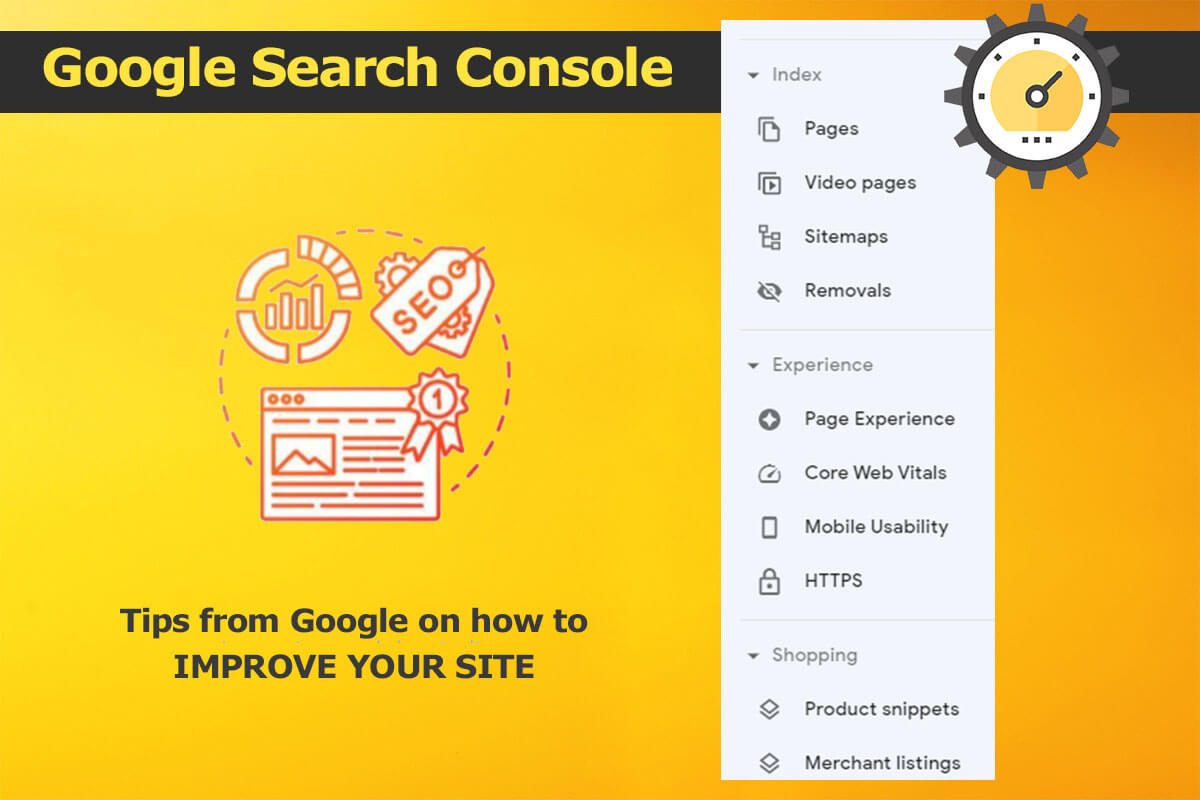
- Google Search Console : This free tool provides insights into how Google views your website, allowing you to identify crawl errors, optimize your content, and monitor keyword performance.
- Ahrefs : A robust tool for link analysis, keyword tracking, and competitor research, Ahrefs helps users understand their site’s standing in the digital landscape.
- SEMrush : This versatile platform offers keyword research, site audits, and content ideas, providing a holistic approach to SEO.
- Moz : Known for its user-friendly interface, Moz provides tools for tracking site rankings, analyzing backlinks, and discovering keyword opportunities.
For example, a small e-commerce website could utilize Google Search Console to identify keywords driving traffic and subsequently optimize product pages based on that data.
Reliable Sources for SEO Education
To stay updated in the dynamic world of SEO, continuous learning is key. Various resources are available to enhance your knowledge and skills.
Reliable sources for SEO education include:
- Blogs : Follow prominent SEO blogs like Moz, Yoast, and Neil Patel for the latest strategies and best practices.
- YouTube Channels : Channels like Ahrefs and Backlinko offer tutorials and expert tips presented in an engaging format.
- Online Courses : Platforms like Coursera and Udemy provide structured learning opportunities on SEO fundamentals and advanced tactics.
For instance, taking a course on Udemy can provide intense insights into technical SEO, equipping one with the skills to tackle complex optimization challenges. By utilizing these tools and resources, individuals and businesses can sharpen their SEO acumen, ultimately driving better results in the competitive online world.

Implementing SEO Strategies
Developing an SEO Campaign
Having the right tools and knowledge is vital, but the real magic happens when you start implementing your SEO strategies through a well-developed campaign. An effective SEO campaign should start by narrowing down your goals.
Consider these essential steps for building a robust SEO campaign:
- Define Your Objectives : What do you aim to achieve? This could be increasing traffic, boosting conversions, or enhancing brand awareness.
- Conduct Keyword Research : Utilize tools like Ahrefs or SEMrush to uncover relevant keywords and phrases that your target audience is searching for.
- Create a Content Plan : Develop engaging, informative, and SEO-optimized content centered around your identified keywords. Focus on varied formats like blog posts, videos, and infographics to keep the audience engaged.
- Monitor and Adjust : Use analytics to track your campaign’s progress and make adjustments as needed, focusing on what’s working well and what needs improvement.
For instance, a non-profit organization might create an SEO campaign around its mission to raise awareness for a cause, driving traffic to their website and increasing donations.
Tips for Continuous SEO Improvement
To stay ahead in the ever-evolving world of SEO, continuous improvement is crucial. Here are practical tips to ensure your strategies remain effective:
- Regularly Update Content : Refresh outdated articles or pages to keep information current and relevant.
- Analyze Competitors : Keep an eye on your competitors’ strategies and adapt yours accordingly, learning from their successes and mistakes.
- Stay Abreast of SEO Trends : Follow industry blogs and attend webinars or conferences to stay informed about the latest techniques and updates.
Think of SEO as a marathon rather than a sprint; it requires ongoing effort and adaptation. By committing to continuous improvement, businesses can maintain and even enhance their visibility, ultimately achieving long-term success in their SEO endeavors.
Case Studies and Examples
Successful SEO Campaigns
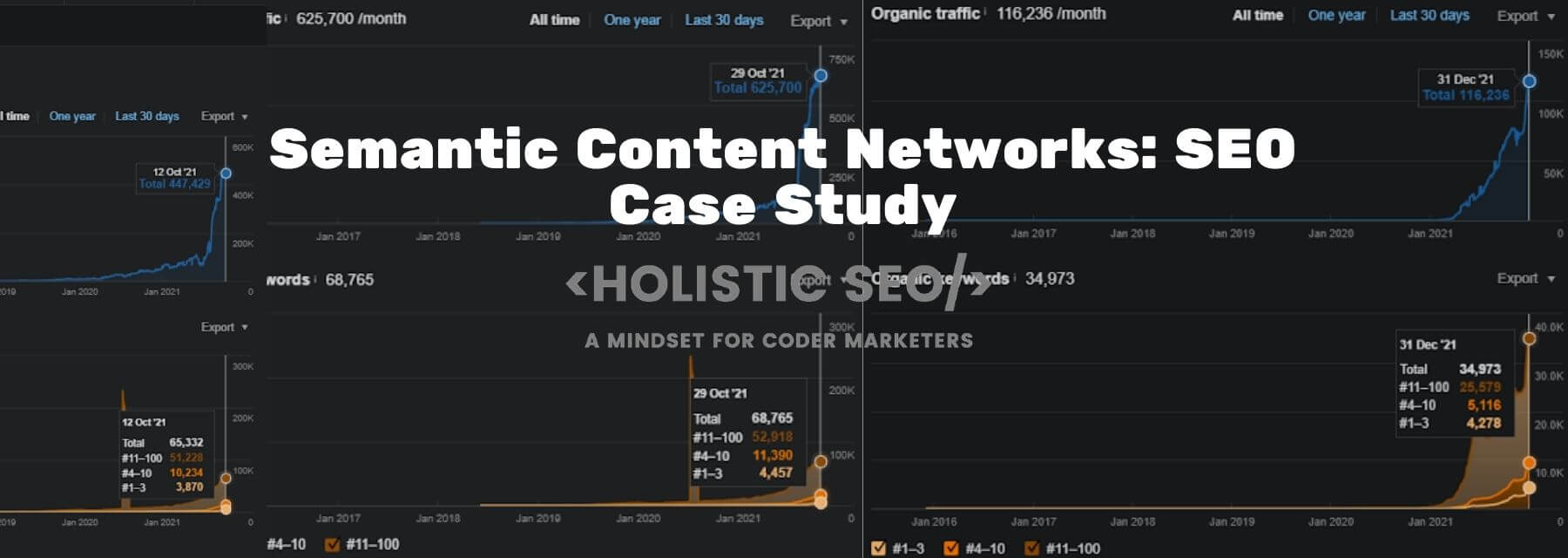
Diving into SEO case studies can reveal the strategies that lead to real-world success. For instance, consider the campaign undertaken by the online retailer, Zappos. By focusing on user experience, they optimized their website for both speed and mobile usability, while also investing in high-quality, keyword-rich content. The results were astonishing:
- Increased Organic Traffic : They saw a 50% rise in organic traffic due to improved search visibility.
- Boosted Conversion Rates : Simplified navigation and product descriptions helped enhance user engagement and led to higher conversion rates.
This campaign serves as a reminder that a well-rounded SEO strategy, combining technical optimization with user-centered design, can lead to substantial growth.
Learning from SEO Mistakes
However, not every endeavor is successful, and learning from mistakes is just as critical. A well-known example involves the site J.C. Penney, which was penalized by Google for employing black-hat SEO techniques, including overusing keyword stuffing and engaging in manipulative linking practices.
The consequences were severe:
- Loss of Rankings : J.C. Penney dropped from the first page of search results, causing a significant dip in traffic.
- Brand Reputation Damage : The scandal tarnished their reputation, leading customers to question their credibility.
This example highlights the importance of adhering to SEO best practices. Avoiding shortcuts and prioritizing ethical, sustainable strategies ultimately leads to success. By learning from both triumphs and missteps in the SEO landscape, businesses can continuously refine their strategies for improved results.

Conclusion and Next Steps
Recap of SEO Essentials
Having navigated through the intricacies of SEO, it’s crucial to recap the essentials that can set the foundation for success. SEO is not merely a one-time task but a continuous process that demands attention and adaptation.
The key takeaways include:
- Understanding Search Algorithms : Familiarize yourself with how search engines evaluate and rank content.
- On-Page vs. Off-Page Strategies : Grasp both on-page optimization techniques—like keyword usage and meta tags—and off-page strategies, such as backlinks and social sharing.
- Measurement and Analysis : Utilize tools like Google Analytics to track performance and make data-driven decisions.
- Staying Current : The SEO landscape evolves constantly, requiring practitioners to remain informed about trends and algorithm updates.
For example, implementing these strategies effectively can transform a small blog into a thriving resource that attracts thousands of visitors each month.
Continuing Education in SEO
As the digital landscape continuously changes, so too should your approach to SEO. Continuing education is vital for staying relevant and effective in your strategies.
Ways to further your SEO knowledge include:
- Online Courses : Platforms like HubSpot Academy and Google Analytics Academy offer comprehensive courses on various SEO topics.
- SEO Webinars and Conferences : Participate in industry webinars and conferences to learn from experts and network with peers.
- Follow Reputable Blogs : Keep up with updates from trusted SEO blogs like Moz, Neil Patel, and Backlinko to learn about new tactics and insights.
By committing to ongoing education and practice, individuals and businesses alike can refine their SEO strategies, ensuring sustainable growth and visibility in an ever-competitive digital marketplace.