
Understanding Content Marketing
Content marketing has transformed the way businesses connect with their audience. It goes beyond traditional advertising to create valuable content that informs, entertains, and engages. As the digital landscape evolves, understanding the benefits of content marketing and the importance of target audience research becomes essential for any successful strategy.
Benefits of Content Marketing
Engaging in content marketing offers numerous advantages that can significantly impact a brand’s success. Here are some of the key benefits:
- Enhanced Brand Awareness : Regularly publishing quality content establishes a brand’s presence. When potential customers see valuable information, they become familiar with the brand and its expertise.
- Improved SEO Rankings : Quality content that targets relevant keywords can improve search engine rankings. This increases visibility, driving organic traffic to the website.
- Higher Engagement Rates : Engaging content encourages shares, comments, and interactions, creating a community around the brand. For example, a business that posts relatable stories and useful tips on social media can generate organic discussions among followers.
- Establishing Authority : Sharing industry insights and expertise through articles, blogs, and white papers positions a brand as a thought leader. Researching and addressing common questions helps build trust with the audience.
- Cost-Effectiveness : Compared to traditional advertising, content marketing often costs less while providing comparable or better results. Quality content can be repurposed across various platforms, maximizing reach without significant additional expense.
Importance of Target Audience Research
As compelling as content may be, its success hinges on understanding who it’s meant for. Target audience research informs content creation, ensuring that the material resonates with the intended group. Ignoring this step can lead to wasted resources and missed opportunities.
- Identifying Pain Points : Researching the target audience helps businesses understand their needs and challenges. For instance, if a company is aiming at young professionals, their content might address work-life balance tips or career advancement strategies.
- Tailoring Content Types : Knowing the audience’s preferences allows marketers to choose the right format for their content. Some audiences may prefer video tutorials, while others might engage more with detailed blog posts or infographics.
- Effective Messaging : The tone and language of the content should align with the audience’s characteristics. A professional audience might appreciate formal language, while a younger demographic may prefer a casual approach.
- Segmentation for Personalization : Target audience research can reveal distinct segments within a market. This segmentation enables brands to create personalized content campaigns that directly address each group’s interests.
By leveraging the benefits of content marketing and conducting thorough target audience research, businesses can craft strategies that truly connect with their audience. This foundation is crucial for a successful content marketing initiative, setting the stage for effective content creation and distribution.

Developing a Content Marketing Strategy
Once the foundation of understanding content marketing is laid, the next critical step is developing a solid content marketing strategy. This involves setting clear goals and defining the metrics by which success will be measured. A well-structured strategy allows businesses to provide direction and assess performance effectively, ultimately leading to informed decisions and modifications along the way.
Setting Clear Goals
Establishing clear and measurable goals is fundamental to any content marketing strategy. Without them, efforts may lack direction, resulting in wasted time and resources. Here’s how to set effective goals:
- Be Specific : Vague goals lead to scattered efforts. For example, instead of saying, “We want to increase traffic,” specify, “We want to increase website traffic by 30% within the next six months.” Specificity creates clarity.
- Ensure Goals Are Measurable : Goals must be quantifiable to track progress. An aim of increasing leads from content by 25% provides a clear target to strive toward, rather than a general desire to “get more leads.”
- Set Achievable Objectives : While it’s good to aim high, goals should also be realistic. Think about the resources at hand and the current state of your business. If your website traffic is currently at 500 visits per month, setting a goal for 5,000 in a month may be unrealistic initially.
- Relevance Is Key : Goals should align with broader business objectives. If the company is focused on improving customer retention, content centered around customer success stories or tutorials could serve that goal.
- Time-Bound Goals : Setting a timeline promotes urgency and decreases procrastination. A deadline encourages consistent effort, so you might decide to achieve a specified goal by the end of the current quarter.
Defining Key Performance Indicators (KPIs)
Once goals are established, the next step is to define Key Performance Indicators (KPIs) to measure progress. KPIs serve as quantifiable measures that gauge success against the preset goals. Here are some effective KPIs to consider:
- Website Traffic : Monitor both overall traffic and traffic sources to see how well content is performing across different channels (organic, social, referral).
- Engagement Metrics : Analyze likes, shares, comments, and time spent on content. For instance, if a blog post receives numerous shares, it’s a sign that the content resonates with the audience.
- Lead Generation : Track the number of leads generated from your content. This could be measured through form submissions, email sign-ups, or downloads of gated content like ebooks.
- Conversion Rates : Measure how effectively your content converts visitors into customers. A high conversion rate indicates that the content aligns well with what the audience is seeking.
- Customer Retention and Satisfaction : Use customer feedback, surveys, and repeat visitor statistics to assess how well your content maintains existing customers.
By setting clear goals and defining KPIs, businesses can craft a more focused content marketing strategy. This data-driven approach not only guides content creation but also equips marketers to adapt as necessary, ensuring ongoing success in this competitive landscape.

Creating Engaging Content
With a solid content marketing strategy in place, the next step is the creation of engaging content that captivates and retains the audience’s attention. The type of content produced and the effectiveness of the writing style can dramatically impact overall engagement and conversion rates.
Types of Content to Consider
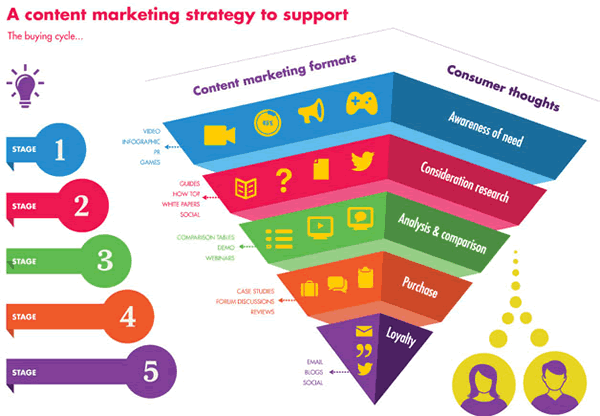
Diversity is key when creating content. Different formats can cater to various audience preferences and learning styles. Here are some types of content to consider:
- Blog Posts : These are the backbone of content marketing. Well-researched articles can establish authority and drive organic traffic. For example, a blog post offering “10 Tips for Better Time Management” might resonate with professionals looking to boost their productivity.
- Infographics : Combining visuals with data, infographics simplify complex information and make it shareable. They’re great for summarizing statistics that can grab attention quickly.
- Videos : Video content is booming, often seen as more engaging than text alone. A how-to tutorial or a behind-the-scenes company video can greatly boost brand likability and relatability.
- Podcasts : For audiences who prefer audio content, podcasts can be a great way to engage. Discussing industry trends, interviewing experts, or sharing stories can help build a community of listeners.
- Webinars : These live presentations can educate audiences on specific topics and create opportunities for real-time engagement through Q&A sessions.
- Social Media Posts : Short, snappy posts can spark immediate engagement. Employing polls, stories, and user-generated content fosters a sense of community and encourages participation.
Considering these formats allows brands to mix and match various media types, amplifying their reach and impact.
Tips for Compelling Copywriting
To complement the types of content created, compelling copywriting plays a vital role in engaging the audience. Here are some tips to enhance copywriting skills:
- Know Your Audience : Always write with the reader in mind. Tailoring the tone, style, and content to fit the target audience enhances relatability. For instance, when addressing a younger demographic, using a more relaxed tone can be effective.
- Start with a Hook : The opening sentence is crucial. Use an intriguing question, a compelling statistic, or a relatable anecdote to capture attention immediately. For instance, starting a blog post with, “Did you know that 90% of professionals feel overwhelmed by time management?” can pique interest right off the bat.
- Be Concise and Clear : Keep the language simple and paragraphs short. Busy readers appreciate brevity. Aim to convey ideas clearly without unnecessary jargon or complexity.
- Use Active Voice : Active voice makes writing more engaging. For example, “The marketing team launched a campaign” is more dynamic than “A campaign was launched by the marketing team.”
- Incorporate Storytelling : Humanizing content is powerful. Sharing personal stories or customer testimonials can create emotional connections and bolster trust.
- Include a Strong Call to Action : Prompting readers towards a specific action is essential. Phrases like “Download our free guide” or “Join our newsletter for exclusive tips” drive engagement and conversions.
By diversifying content types and honing copywriting skills, businesses can create content that not only attracts but also retains audience attention. Engaging content is the bridge to building lasting relationships with customers, ultimately leading to greater loyalty and conversions.
Distributing Your Content
Creating exceptional content is just the beginning; effectively distributing that content is equally crucial. After all, what good is engaging content if it doesn’t reach its intended audience? In this section, we’ll explore how leveraging social media platforms and exploring SEO techniques can greatly enhance content distribution efforts.
Leveraging Social Media Platforms
Social media platforms have become essential tools for content distribution, enabling brands to share their content effectively and directly engage with their audience. Here are some ways to maximize social media’s potential:
- Choose the Right Platforms : Not all social media platforms will suit every business. For instance, visual-driven brands may excel on Instagram or Pinterest, while B2B companies often find more success on LinkedIn. Understanding where your target audience spends their time is key to effective distribution.
- Create Engaging Posts : Develop eye-catching posts that include visuals, quotes, or interesting snippets from your content. A compelling image paired with a strong headline can encourage more shares and interactions.
- Schedule Posts for Maximum Reach : Utilize social media management tools like Buffer or Hootsuite to schedule posts at optimal times when your audience is most active. Timing can significantly affect engagement levels, so analyze your audience’s habits.
- Engage with Your Audience : Respond to comments and messages to foster a sense of community. Sharing user-generated content and recognizing loyal customers can also boost engagement and encourage shares.
- Utilize Stories and Live Features : Platforms like Instagram and Facebook allow businesses to share short-lived content through stories. This feature is excellent for promoting new blog posts, webinars, or special events in a more casual, engaging format.
- Run Targeted Ads : Consider using paid social media advertising to reach a broader audience or retarget those who have previously shown interest in your content. Targeting specific demographics can lead to higher conversion rates.
Exploring SEO Techniques
While social media amplifies reach, Search Engine Optimization (SEO) enhances visibility, ensuring your content appears in relevant search queries. Here are some fundamental SEO techniques to implement:
- Keyword Research : Use tools like Google Keyword Planner or SEMrush to identify relevant keywords your audience is searching for. Incorporating these keywords naturally throughout your content improves its chances of ranking higher on search engine results pages (SERPs).
- Optimize On-Page SEO : Ensure each piece of content has an optimized title tag, meta description, and headers. For example, a blog post title should be engaging and include the primary keyword. A well-crafted meta description can entice users to click through to your content.
- Utilize Internal and External Links : Link to other relevant content within your website (internal links) and reputable external sources to boost your content’s credibility. This also encourages users to explore more of your content, increasing page views.
- Implement Alt Text for Images : Search engines cannot see images; however, they can read alt text. Including descriptive alt text for any images used in your content improves accessibility and can contribute to SEO.
- Encourage Backlinks : Create high-quality content that others want to reference and link back to. Building relationships with other brands or influencers can lead to valuable backlinks that significantly enhance your content’s authority.
By leveraging social media platforms effectively and implementing robust SEO techniques, brands can ensure that their content not only reaches their audience but also has the potential to convert visitors into loyal customers. Successful distribution is the final piece of the puzzle in turning content into a powerful marketing tool.

Measuring Success
With the creation and distribution of engaging content efficiently accomplished, the next vital step is measuring success. Analyzing how well your content performs allows you to understand what works and what doesn’t, guiding future strategies to optimize results. This process involves careful examination of various metrics and the willingness to adapt your approach based on data insights.
Analyzing Metrics
When it comes to measuring success, a plethora of metrics deserves attention. These key performance indicators (KPIs) provide valuable insights into how your content is resonating with the audience. Here’s a rundown of essential metrics to analyze:
- Traffic Sources : Knowing where your visitors come from helps you understand which channels are most effective. Analytics tools like Google Analytics can reveal whether users find your content through organic search, social media, or referrals.
- Engagement Rates : Look at how your audience interacts with your content. Metrics such as likes, shares, comments, and time spent on a page can indicate how well your message resonates. For instance, a blog post that garners numerous comments might be addressing a topic that sparks lively discussion.
- Conversion Rates : Measure how effectively your content leads to desired actions, like signing up for a newsletter, downloading a resource, or making a purchase. Calculating this metric shows how successful your content is in guiding users through the sales funnel.
- Bounce Rate : This metric reveals the percentage of visitors who leave your site after viewing only one page. A high bounce rate might suggest that your content isn’t meeting user expectations, or that it lacks relevance.
- Social Media Shares : Monitoring how often your content is shared on social platforms can help gauge its viral potential. A post that gets shared widely can amplify reach and drive more traffic to your website.
By regularly analyzing these metrics, businesses can gain a comprehensive understanding of content effectiveness and identify areas for improvement.
Refining Strategies for Better Results
Once you’ve gathered the necessary data, the next step is refining your strategies based on your findings. Continuous improvement is crucial in the ever-evolving landscape of content marketing. Here are some actionable steps to consider:
- Identify Trends : Look for patterns in your data. For instance, if articles featuring list formats have significantly higher engagement rates, consider incorporating more list-style content in your future posts.
- Test Different Approaches : Use A/B testing to determine which content approaches yield better results. Test various headlines, images, or calls to action to see what resonates most with your audience.
- Update Existing Content : Don’t overlook the value of refreshing older content. Updating information, improving readability, or optimizing for SEO can boost performance and re-engage previous audiences.
- Set New Goals : Based on your analysis, establish new, data-driven goals. If a specific type of content is performing well, aim to produce more of it, expanding your efforts to capitalize on what the audience loves.
- Seek Feedback : Engage with your audience to gather direct feedback. Surveys or social polls can provide insights into what content they want to see more of, helping you tailor your efforts even more effectively.
By consistently measuring success and adapting strategies in response to the metrics, brands can create a cycle of continuous improvement. A hands-on approach to analyzing and refining will enhance content effectiveness, ultimately leading to stronger connections with the audience and greater overall success in content marketing.