

Introduction
To better understand the convergence of content marketing and branded content, it’s essential to first define what each term represents in today’s digital landscape.
Definition of Content Marketing
Content marketing refers to a strategic approach aimed at creating and distributing valuable, relevant content to attract and engage a clearly defined audience. The ultimate goal is to drive profitable customer action. Rather than pushing products or services directly, content marketing focuses on educating, entertaining, or informing the audience.
For instance, a fitness brand may publish blog posts, video tutorials, and infographics that provide workout tips or nutritional advice. By doing so, they not only position themselves as industry experts but also build relationships with potential customers. The key components include:
- Valuable Information: Provides insights that help consumers solve problems.
- Consistency: Regular updates keep the audience engaged and informed.
- Diverse Formats: Includes blogs, podcasts, videos, and more.
Definition of Branded Content
On the other hand, branded content is designed to promote a brand’s message and identity through storytelling or original content. Unlike traditional advertising, which tends to be overt and direct, branded content is subtler and aims to create an emotional connection with consumers.
An excellent example of this is the “Share a Coke” campaign by Coca-Cola, where the brand replaced its logo with popular names on bottles. This approach turned a simple product into a shared experience, allowing consumers to connect with the brand on a personal level.
Key attributes of branded content include:
- Storytelling: Engages audiences through compelling narratives.
- Brand Promotion: Boosts brand recognition and loyalty.
- Emotional Connection: Strives to evoke feelings that resonate with consumers.
In conclusion, understanding these definitions lays the groundwork for exploring their differences, effectiveness, and how they can work together for marketing success.
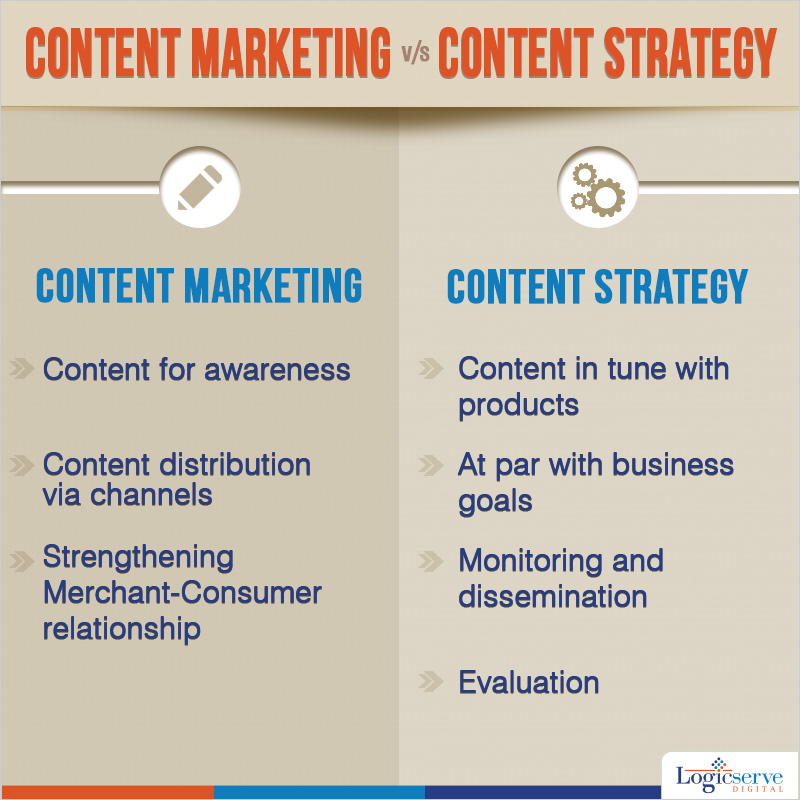
Differences Between Content Marketing and Branded Content
Now that we have a clear understanding of content marketing and branded content, let’s delve into the distinct differences that set them apart in terms of objectives, audience targeting, and brand integration.
Objectives and Goals
At the heart of every marketing strategy lies its objectives. Content marketing primarily aims to build long-term relationships by providing useful information that encourages customer loyalty. It’s about nurturing leads and guiding them through the customer journey. Here are some key goals:
- Education: Inform customers about products, services, or topics relevant to their interests.
- Engagement: Foster ongoing interactions to keep the audience involved.
- Lead Generation: Convert casual visitors into potential customers through compelling content.
In contrast, the core objective of branded content is to enhance brand awareness and create emotional resonance. It often aims for immediate impact by:
- Promoting Brand Identity: Reinforcing the brand’s values and mission.
- Enhancing Recognition: Making the brand memorable through creative storytelling.
- Driving Conversations: Encouraging sharing and discussion among viewers.
Audience Targeting
Another difference lies in audience targeting. Content marketing typically focuses on a specific audience segment, catering to their needs and pain points. For example, a health supplement brand might create content tailored to fitness enthusiasts who seek tips on improving their routines.
On the other hand, branded content often aims for a broader audience. By tapping into universal themes and emotions, it seeks to attract various demographics. A great example would be Nike’s “Just Do It” campaign, which resonates with aspiring athletes of all backgrounds.
Brand Integration
When it comes to brand integration, content marketing subtly weaves the brand into the narrative. It appears more organic and less intrusive, with the brand serving as a valuable resource. In contrast, branded content explicitly highlights the brand and its messaging. This approach can sometimes feel more overt but can effectively forge strong connections when done correctly.
In sum, while both strategies have their unique objectives, targeting methods, and integration styles, understanding these differences is crucial for businesses looking to harness their potential effectively.
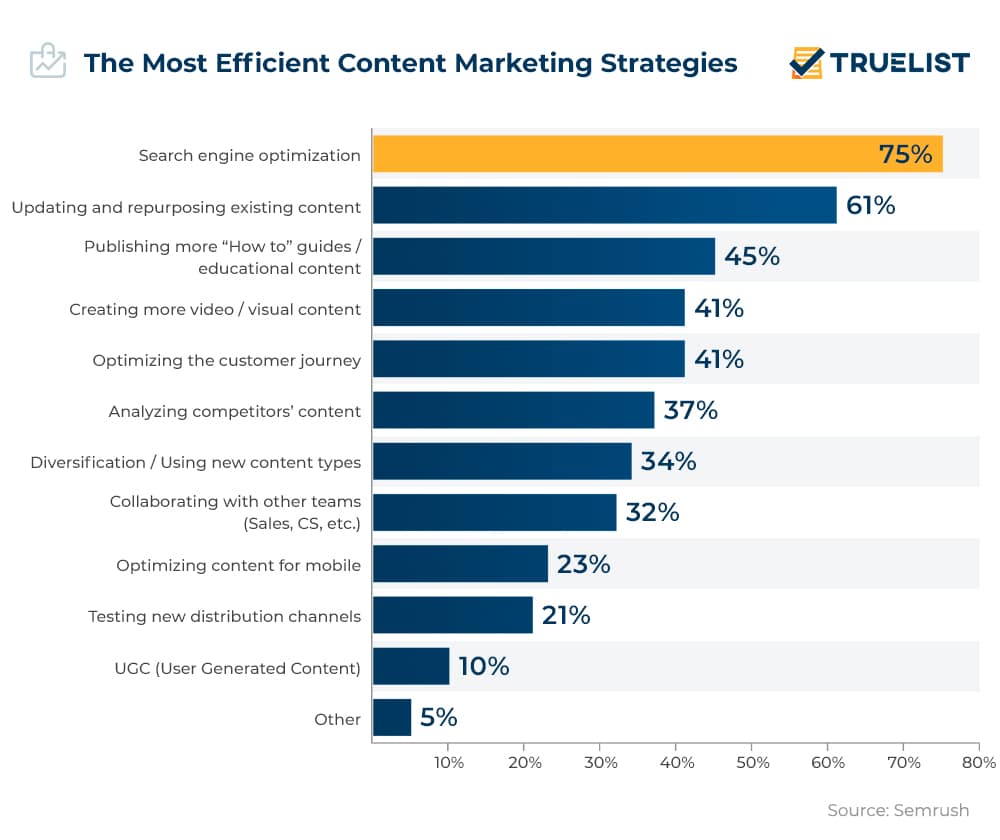
Effectiveness Comparison
Having explored the differences between content marketing and branded content, the next step is to examine how to assess their effectiveness. A crucial aspect of this is measuring the Return on Investment (ROI) for each strategy.
Measuring ROI in Content Marketing
Determining ROI in content marketing can be a nuanced process, as its effects are often long-term rather than immediate. Some effective ways to measure ROI include:
- Website Traffic: Tools like Google Analytics help track the increase in visitors to your site as a result of your content efforts.
- Lead Generation: Monitor how many leads are generated through content forms, gated content, or newsletter sign-ups.
- Customer Retention: Assess metrics like repeat visits or engagement rates to understand how well content keeps your audience coming back.
For example, a B2B software company might create an educational blog series. Over time, they notice increased traffic and leads directly coming from those posts, showcasing a positive ROI.
Measuring ROI in Branded Content
In contrast, measuring ROI in branded content can focus more on brand perception and immediate engagement. Key metrics might include:
- Social Shares and Engagement: High levels of likes, shares, and comments can indicate a strong emotional connection with the audience.
- Brand Sentiment Analysis: Evaluating feedback or comments can give insights into how consumers perceive the brand post-campaign.
- Increased Brand Recall: Surveys and focus groups can help determine whether consumers remember the brand after experiencing the content.
For instance, after publishing a captivating video promotion, a company might find increased online discussions about their brand, suggesting a successful emotional connection with their target audience.
In summary, measuring ROI for both content marketing and branded content involves various metrics. By using a combination of approaches tailored to specific goals, businesses can effectively assess the impact of their efforts.

Case Studies
To illustrate the practical implications of content marketing and branded content, let’s take a look at successful case studies that highlight their potential effectiveness.
Successful Content Marketing Campaigns
One standout case is the “Share a Coke” campaign by Coca-Cola, which cleverly merged content marketing with consumer engagement. The brand created a series of personalized Coke bottles featuring popular names, resulting in significant social media buzz and user-generated content. However, another excellent example focused purely on content marketing is HubSpot’s educational resources.
- HubSpot: This marketing software company invested in creating a wealth of free guides, eBooks, and webinars around inbound marketing. Their approach to content marketing established them as thought leaders in the industry and converted numerous leads into customers.
Key Results:
- Increased website traffic by 212% over two years.
- Generated thousands of leads through downloadable content forms and educational web content.
Successful Branded Content Examples
Turning our attention to branded content, let’s look at the acclaimed “Think Different” campaign from Apple. Through compelling visuals and a strong narrative centered on innovation and creativity, the campaign resonated deeply with consumers:
- Apple’s “Think Different”: This campaign celebrated the misfits and rebels who changed the world, positioning Apple as not just a tech company but a brand that champions creativity and individuality.
Key Results:
- Boosted brand loyalty and significantly increased market share.
- Reinforced Apple’s reputation as an innovative leader in technology.
Both content marketing and branded content can drive significant results, but they do so in distinct ways. By examining these case studies, businesses can draw inspiration for their future campaigns, recognizing the power of storytelling and informative content in building a strong brand presence.
Combining Strategies
Having explored distinct case studies in content marketing and branded content, it’s crucial to recognize the potential synergies that arise when both strategies are integrated. The combination can create powerful campaigns that not only promote brand awareness but also build lasting customer relationships.
Synergies Between Content Marketing and Branded Content
When executed thoughtfully, content marketing and branded content can complement each other beautifully. Here’s how:
- Enhanced Engagement: By providing valuable information through content marketing, brands can establish themselves as trusted sources. This rapport paves the way for more emotionally engaging branded content, making audiences more receptive.
- Unified Messaging: Merging both strategies allows brands to convey a consistent message across various platforms. For instance, educational blog posts can lead into narratives within branded videos, creating a cohesive story that resonates with the audience.
- Broader Reach: Utilizing both strategies can maximize visibility. While content marketing can nurture specific leads, branded content can create buzz across diverse demographics, enhancing brand recognition.
How to Integrate Both Strategies
Integrating content marketing and branded content doesn’t have to be complex. Here are some steps to achieve a harmonious blend:
- Identify Common Themes: Start with content marketing topics that align with your brand values. Create branded content that reflects these themes through storytelling.
- Cross-Promote: Use your content marketing channels to share branded content. For instance, if you produce a branded video, create a blog post discussing the concepts portrayed in the video, encouraging visitors to watch it.
- Analyze Performance: Use analytics to assess how integrated content performs. Adjust strategies based on audience engagement and preferences.
A practical example would be a travel company that publishes destination guides (content marketing) while simultaneously creating engaging videos featuring personal travel stories (branded content). By weaving these elements together, the brand engages prospective travelers on multiple levels, fostering a sense of connection and anticipation.
By creating a synergy between content marketing and branded content, brands can enhance their impact, making the most of both strategies to drive engagement and loyalty.

Future Trends
As we look forward in the digital marketing landscape, both content marketing and branded content continue to evolve and adapt to new technologies and consumer behaviors. Understanding these future trends can help brands remain relevant and effective in their strategies.
Evolving Landscape of Content Marketing
The content marketing environment is rapidly changing, driven by advancements in technology and shifting audience expectations. Some emerging trends to note include:
- Increased Personalization: Consumers are seeking experiences tailored specifically to their interests. Marketers are harnessing data analytics to create personalized content that resonates on an individual level. For instance, Netflix utilizes viewing data to recommend shows, improving user engagement significantly.
- Interactive Content: Quizzes, polls, and interactive infographics are becoming increasingly popular. They not only engage users but also encourage them to share their experiences, amplifying reach organically.
- Video Dominance: Video content continues to rise as a preferred format. In fact, studies show that by 2025, 82% of all consumer internet traffic will come from video. Brands are leveraging live-streaming and short-form videos to capture attention quickly.
Innovations in Branded Content
As for branded content, innovation is key to breaking through the noise in a crowded marketplace. Here are some trends to watch:
- Authentic Storytelling: Consumers are drawn to brands that demonstrate authenticity. Innovations lie in how brands share their stories authentically, often featuring real customers and user-generated content. For example, GoPro uses its customers’ adventurous videos to showcase its products’ capabilities.
- Augmented Reality (AR) Experiences: Brands are starting to experiment with AR to create immersive experiences. For instance, makeup brands like Sephora have implemented AR apps that let users virtually “try on” products before purchase, enhancing the consumer journey.
These trends highlight the importance of staying agile in content marketing and branded content efforts. By embracing evolving practices and innovations, brands can continue to engage their audiences effectively, paving the way for exciting and successful future campaigns.

Conclusion
As we wrap up our exploration of content marketing and branded content, it’s crucial to reflect on the key differences and how businesses can leverage these insights for their marketing strategies.
Recap of Key Differences
Throughout this discussion, we highlighted several fundamental differences between content marketing and branded content:
- Objectives: Content marketing primarily aims to educate and engage consumers, fostering long-term relationships. Branded content, on the other hand, focuses on building brand awareness and emotional connections.
- Audience Targeting: While content marketing hones in on specific audience segments with tailored information, branded content often appeals to a broader crowd through relatable narratives.
- Brand Integration: Content marketing subtly integrates brands into valuable content, whereas branded content foregrounds the brand, ensuring it’s a central element of the storytelling.
By understanding these distinctions, brands can effectively determine which approach will best serve their marketing goals.
Recommendations for Choosing the Right Strategy
When deciding between content marketing and branded content, consider the following recommendations:
- Evaluate Your Goals: Determine whether your primary aim is to educate and build relationships or to create brand awareness. Align your strategy accordingly.
- Know Your Audience: Conduct research to understand your target audience’s preferences. If they value information, lean toward content marketing. If they prefer relatable stories, consider branded content.
- Experiment and Measure: Don’t hesitate to blend both strategies. Create campaigns that incorporate elements of each and analyze performance. Use tools like Google Analytics and social media insights to measure engagement and ROI.
- Stay Flexible: The digital landscape is ever-evolving. Be prepared to adapt your strategies based on industry trends and consumer feedback.
In conclusion, by recognizing the strengths and appropriate applications of both content marketing and branded content, businesses can craft compelling marketing strategies that resonate with their audiences and achieve their objectives.