
Understanding Content Marketing
Definition of Content Marketing
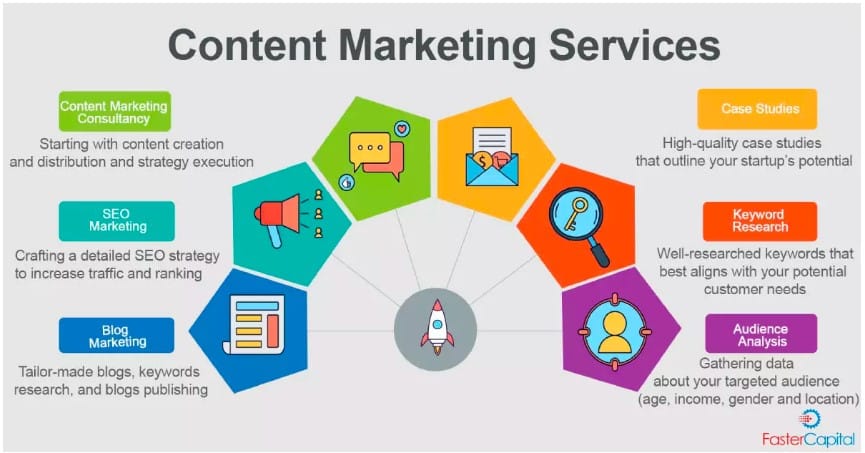
Content marketing can be described as a strategic approach focused on creating and distributing valuable, relevant content to attract and engage a clearly defined audience. Unlike traditional marketing that pushes products or services, content marketing fosters relationships by providing information that helps customers solve problems or fulfill their needs. It encompasses various formats, including blogs, videos, podcasts, and social media posts.
For example, a health food store might create articles about the benefits of superfoods, share recipes, or produce video tutorials on healthy meal prep. By doing so, they not only establish themselves as a trusted resource but also naturally lead readers to their products.
Benefits of Content Marketing
The advantages of implementing a content marketing strategy are plentiful. Here are some key benefits:
- Brand Awareness: Regularly publishing informative content can significantly increase visibility and recognition of the brand.
- Customer Engagement: Quality content fosters conversations and interactions, keeping the audience invested.
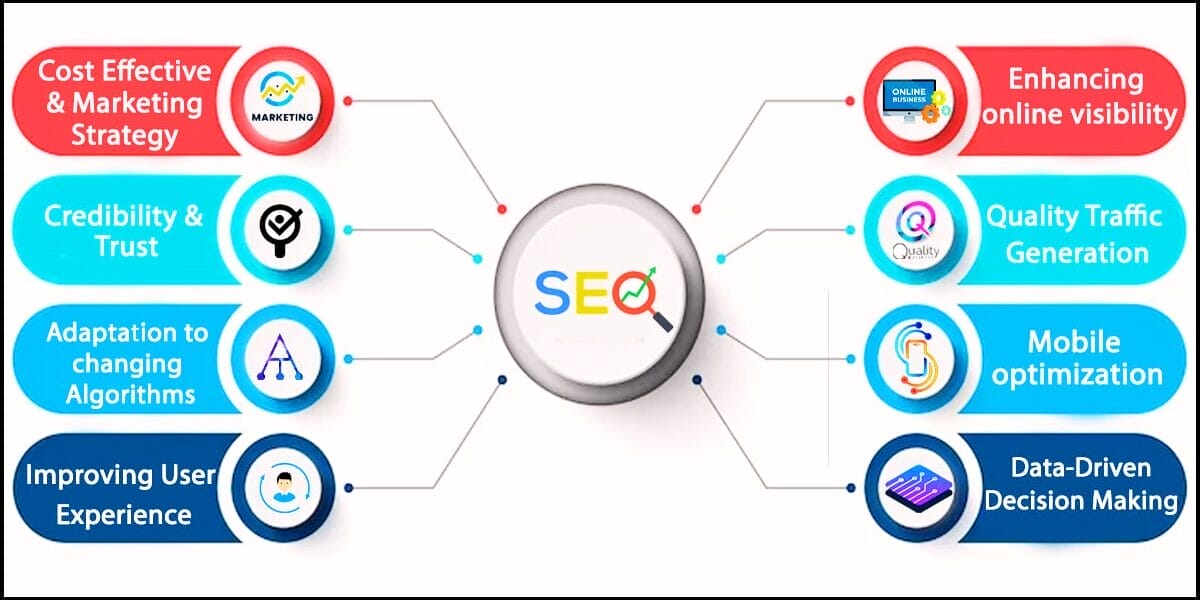
- Boosting SEO: Search engines favor fresh, relevant content, which can improve website ranking.
- Lead Generation: Valuable content attracts potential customers, helping nurture relationships that eventually convert into sales.
Ultimately, content marketing serves as a powerhouse for businesses looking to differentiate themselves in a crowded marketplace while creating lasting connections with their audience.
Crafting Engaging Content
Identifying Target Audience
Knowing who your audience is can make or break your content marketing strategy. Identifying your target audience involves understanding their demographics, interests, pain points, and behaviors. For instance, if you’re selling eco-friendly products, your ideal audience may consist of environmentally conscious consumers aged 18–35. To gather this information, consider utilizing tools like surveys, social media insights, and analytics.
Engaging your audience requires a personal touch and a clear focus on what they care about.
Creating High-Quality Content
Once you know your audience, the next step is to create high-quality content that resonates with them. High-quality content offers value—whether it’s practical tips, insightful information, or entertaining stories. Here are a few tips:
- Be Authentic: Share real experiences and insights to build trust.
- Focus on Value: Address your audience’s needs directly.
- Keep It Clear: Simplify complex topics to enhance understanding.
For example, a financial advisor might produce a guide on budgeting that incorporates relatable anecdotes about managing finances in different life stages.
Utilizing Visuals and Multimedia
In today’s digital age, visuals are not just a bonus; they are a necessity. Incorporating images, infographics, videos, and other multimedia can enhance engagement dramatically.
- Images: Break text-heavy sections using relevant images to maintain interest.
- Infographics: Convey complex data in an easily digestible format.
- Videos: Offer a dynamic way to explain ideas or showcase products.
By combining these elements thoughtfully, you ensure that your content not only informs but also captivates your audience, leading to higher engagement and retention rates.
Implementing SEO Strategies
Keyword Research and Optimization
After crafting engaging content, the next crucial step is ensuring it reaches the right audience through effective SEO strategies. Start with keyword research to identify the terms your target audience is using when searching for information related to your content. Tools like Google Keyword Planner and SEMrush can help you explore keyword volume and competition.
Once you’ve identified your keywords, sprinkle them naturally throughout your content. Focus on including them in key areas, such as:
- The title
- Headings
- Meta descriptions
- Alt text for images
This helps search engines understand what your content is about, improving its ranking.
On-Page and Off-Page SEO Techniques
On-page SEO refers to optimizing the elements on your own website. Key techniques include improving title tags, using header tags effectively, and enhancing load speed. For example, a blog that loads quickly retains visitors, reducing bounce rates.
Off-page SEO involves external factors like social media engagement and backlinks. Building authority by appearing on other reputable sites can enhance credibility.
Link Building Strategies
Speaking of backlinks, link building is a vital part of any SEO strategy. Here are some strategies to enhance your link profile:
- Guest Blogging: Write articles for other blogs in your niche, including links back to your site.
- Resource Page Links: Reach out to websites that compile resources to include your content.
- Social Sharing: Encourage sharing of your content on social media platforms.
Implementing these strategies collectively can significantly boost your content’s visibility, driving more organic traffic to your website and enhancing your overall digital presence.

Leveraging Social Media
Social Media Platforms for Content Promotion
With a solid SEO foundation in place, it’s time to leverage the immense power of social media for content promotion. Various platforms cater to different audiences and content types. For example:
- Facebook: Great for sharing articles and engaging through groups.
- Instagram: Ideal for visually appealing content—think stunning images and quick videos.
- LinkedIn: Perfect for B2B content, sharing industry insights, and networking.
Consider creating platform-specific content that resonates with each audience. For instance, a travel blog might use Instagram stories to share short travel tips while posting detailed itineraries on Facebook.
Engaging with Audience on Social Media
Social media isn’t just about broadcasting your content; it’s also about building relationships. Engage with your audience by:
- Responding to comments and messages promptly.
- Asking questions in your posts to spark conversation.
- Hosting live Q&A sessions to address audience queries.
I recall a time when a simple comment from my audience led to a full blog post idea, proving that active engagement can trigger great content ideas!
Utilizing Social Media Analytics
Finally, don’t overlook the importance of social media analytics. These tools help assess which posts resonate best with your audience. Track metrics such as:
- Engagement rates (likes, shares, comments)
- Follower growth
- Click-through rates to your website
By analyzing this data, you can fine-tune your content strategy, focusing on what works and adapting your approach to foster even greater participation. This iterative process ensures your social media efforts yield maximum visibility and engagement, enhancing your overall content marketing success.
Email Marketing Campaigns
Building an Email List
As you harness the power of social media, don’t forget about one of the most effective tools in digital marketing: email. The journey begins with building a robust email list. Start by offering something of value, such as:
- Exclusive Content: E-books, guides, or whitepapers that require an email to access.
- Discounts and Promotions: Special deals only available to subscribers.
- Webinars or Events: Invitations to informative sessions can attract sign-ups.
I once created a simple landing page offering a free e-book in exchange for email addresses, which significantly boosted my subscriber count!
Designing Effective Email Campaigns
Once you’ve built your list, it’s time to design effective email campaigns that capture your audience’s attention. Here are a few tips:
- Personalization: Use the recipient’s name and tailor content based on their preferences.
- Compelling Subject Lines: Grab attention with intriguing subject lines that encourage opens.
- Call-to-Action (CTA): Clearly direct readers on what to do next, whether it’s reading a blog post or making a purchase.
Using A/B testing can also help determine what resonates best with your audience!
Analyzing Email Campaign Performance
Finally, tracking and analyzing your email campaign performance is crucial for ongoing success. Focus on key metrics, such as:
- Open Rates: Indicate how well your subject lines perform.
- Click-Through Rates (CTR): Show engagement with your email content.
- Conversion Rates: Measure how many clicks led to actual actions like purchases or sign-ups.
By continually assessing these performance indicators, you can refine your strategies, foster deeper connections with your audience, and enhance the effectiveness of your email marketing campaigns over time.
Measuring Success and Analytics
Key Performance Indicators (KPIs) for Content Marketing
As you dive deeper into your content marketing journey, measuring success becomes essential. Key Performance Indicators (KPIs) help assess the effectiveness of your campaigns. Consider tracking:
- Traffic Metrics: The number of visitors to your site, indicating how well your content attracts an audience.
- Engagement Rates: Likes, shares, comments, and time spent on pages show how compelling your content is.
- Lead Generation: Monitor how many leads convert through your content, reflecting its impact on driving sales.
For instance, I once noted a spike in traffic after I optimized a particular blog; it was a clear sign my audience was engaging with that topic!
Tracking and Analyzing Website Traffic
To make sense of these KPIs, you need to track and analyze your website traffic effectively. Tools like Google Analytics provide invaluable insights, helping you understand:
- Visitor Demographics: Knowing the age, location, and interests of your audience can tailor future content.
- Behavior Flow: Analyze how visitors navigate through your site, which helps improve user experience.
- Page Performance: Identify which pages attract the most traffic and why.
Honing in on this data allows for informed decisions moving forward.
Tools for Measuring Content Marketing ROI
Finally, to understand the return on investment (ROI) from your content marketing efforts, utilize specialized tools. Some popular options include:
- HubSpot: Comprehensive tracking for metrics across various channels.
- SEMrush: Great for analyzing SEO performance and keyword effectiveness.
- Moz: Helpful for link tracking and overall domain authority.
By combining these tools with your analysis, you can gain a clearer picture of how your content marketing strategies perform, enabling continual optimization and demonstrating value to stakeholders.
Content Distribution Strategies
Guest Blogging and Collaborations
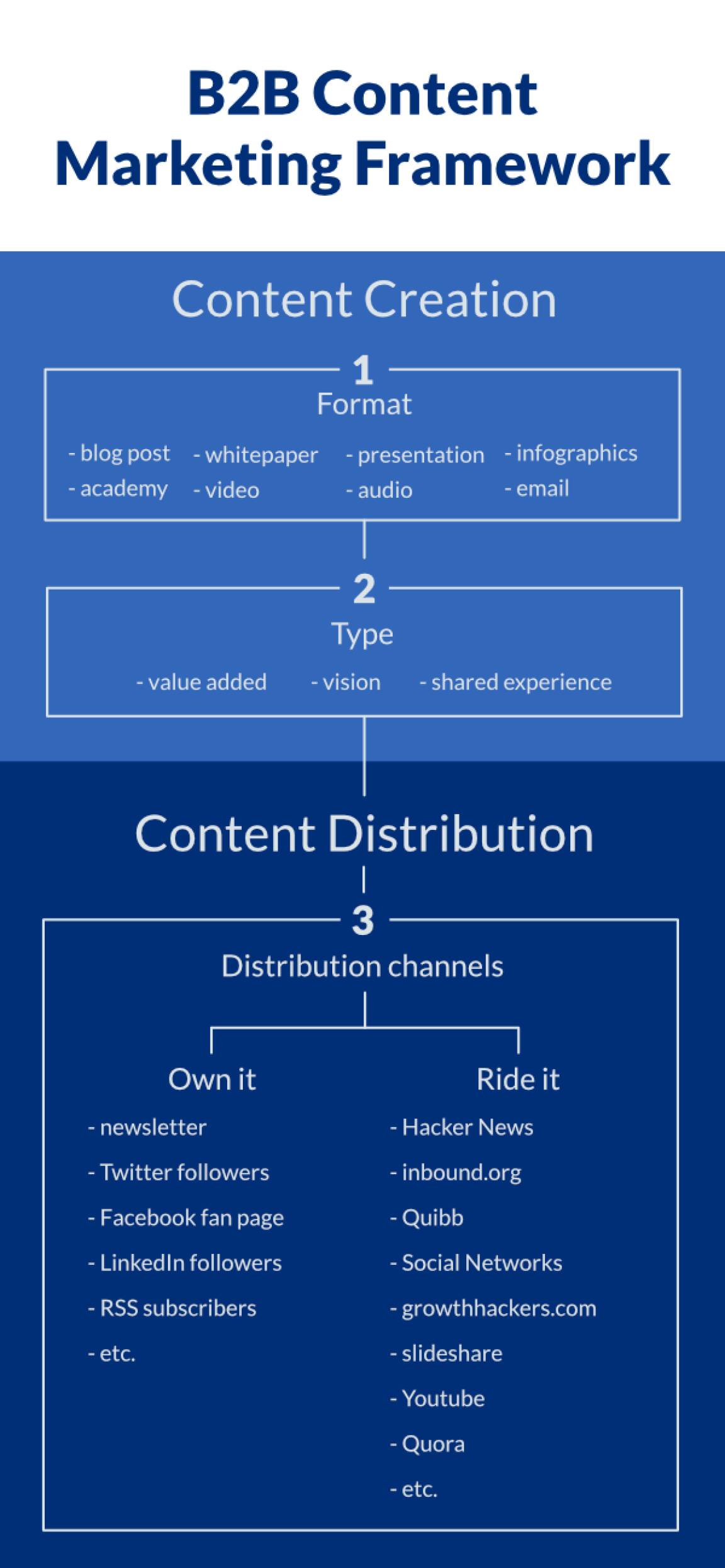
Now that you have a solid system for measuring success, it’s time to look at effective content distribution strategies. One effective method is guest blogging and collaborations. By writing for other blogs or inviting guest bloggers to yours, you tap into new audiences and build credibility. For instance, I once collaborated with a prominent health blogger for a joint article. Not only did this expose my work to their followers, but it also lent authority to my own content.
- Identify Relevant Blogs: Look for blogs in your niche with engaged audiences.
- Pitch Unique Ideas: Present fresh, valuable topics that align with both your and the host’s goals.
- Include Strategic Links: Drive traffic back to your site through valuable backlinks.
Repurposing Content for Different Platforms
Another effective strategy is repurposing content for various platforms. This not only saves time but also maximizes reach. For example, a well-received blog post can be transformed into:
- Infographics for visual platforms like Pinterest.
- Short Videos for TikTok or Instagram Reels, summarizing key points.
- Podcasts discussing the blog topic in detail.
This approach engages different audience segments while reinforcing your core messages.
Amplifying Reach through Influencer Partnerships
Finally, consider amplifying your reach through influencer partnerships. Collaborating with influencers in your industry can dramatically increase your content’s visibility. Start by:
- Identifying Relevant Influencers: Focus on those whose values align with your brand.
- Engaging Authentically: Build relationships and genuinely engage with their content.
- Creating Joint Campaigns: Work together on promotions, giveaways, or content features.
By leveraging these distribution strategies, you can significantly enhance your content’s reach, ensuring that your valuable insights resonate with a broader audience.
Continuous Optimization and Testing
A/B Testing Content and Strategies
As you venture into content distribution, continuous optimization and testing become crucial for long-term success. One of the most effective methods for improving content is A/B testing. This strategy involves creating two versions of a piece of content—be it a headline, call-to-action, or even imagery—and measuring which version performs better.
For instance, I once tested two different email subject lines, and the winner boosted open rates by nearly 30%! To implement A/B testing effectively:
- Choose One Variable: Focus solely on one change at a time for clarity.
- Define Success Metrics: Determine what success looks like—clicks, conversions, or engagement.
- Analyze Results: Use insights to inform future content decisions.
Iterative Improvements based on Analytics
Next, it’s essential to make iterative improvements based on analytics. Regularly review your analytics to identify trends, successes, and areas needing enhancement.
- Monitor Engagement: Watch which content types receive the most interactions.
- Adjust Strategies: Be ready to pivot your content creation and distribution according to what the analytics indicate.
For example, if a certain topic consistently performs well, consider developing a series around it.
Staying Updated with Industry Trends
Finally, staying updated with industry trends can keep your content relevant and engaging.
- Follow Thought Leaders: Engage with industry blogs, podcasts, and influencers to keep a finger on the pulse.
- Attend Webinars and Conferences: These platforms can provide insights into emerging trends and innovative strategies.
- Participate in Online Communities: Join forums or groups related to your niche.
By continuously optimizing through testing, analytics, and trend analysis, you position your content strategy to not only adapt but thrive in an ever-evolving landscape. This proactive approach ensures your efforts yield substantial results over time.
Case Studies and Real-World Examples
Successful Content Marketing Campaigns
Looking at real-world examples can provide valuable insights into what works in content marketing. A standout case is that of Coca-Cola’s “Share a Coke” campaign. By personalizing bottles with popular names, Coke encouraged consumers to seek out bottles bearing their own names or those of friends and family. This campaign was highly successful, resulting in a 7% increase in sales, fostering deeper emotional connections with the brand.
Another excellent example is HubSpot, which employs inbound marketing through informative blogs and resources. By providing valuable content, they’ve attracted a large audience and positioned themselves as thought leaders in digital marketing.
To summarize, successful campaigns often leverage personalization and value-driven content to engage audiences effectively.
Lessons Learned from Content Marketing Failures
Conversely, not every campaign hits the mark. A notable failure is Pepsi’s “Live for Now” advertisement featuring Kendall Jenner. The ad, intended to convey a message of unity and peace, received significant backlash for trivializing serious social issues. This misstep highlighted the importance of being sensitive to audience perceptions and cultural contexts.
Key lessons learned from such failures include:
- Understand Your Audience: Prioritize research to avoid misreading cultural nuances.
- Be Authentic: Ensure your messaging aligns with your brand ethos and values.
- Test Before Launching: Small focus groups can provide feedback and prevent widespread miscommunication.
By analyzing both the triumphs and failures of content marketing campaigns, businesses can refine their strategies, fostering a more effective approach in future endeavors.
Conclusion and Future of Content Marketing
Recap of Key Strategies
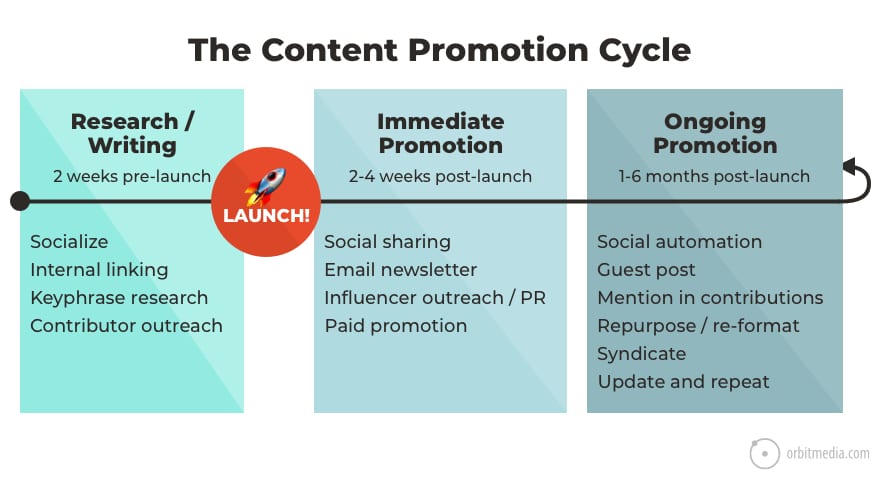
As we draw conclusions on the vital components of content marketing, it’s essential to recap some key strategies that lead to success. From the beginning, we explored the significance of understanding your target audience and crafting engaging content tailored to their needs. Implementing effective SEO strategies ensures your content is discoverable, while leveraging social media fosters engagement and amplifies reach.
Moreover, continuous optimization through A/B testing and analytics guarantees that your efforts remain relevant, while diverse content distribution strategies, such as collaborations and repurposing, keep your audience engaged across various platforms.
Remember to analyze successful campaigns and learn from the mistakes of others to refine your own approach.
Trends and Innovations in Content Marketing
Looking ahead, the future of content marketing is bright, but it is essential to stay aware of emerging trends and innovations. Here are a few to watch:
- AI and Automation: Utilizing AI tools for content creation and audience analysis can streamline processes and enhance targeting.
- Interactive Content: Quizzes, polls, and augmented reality experiences can significantly boost engagement.
- Video Content: Short-form videos, especially on platforms like TikTok and Instagram, continue to rise in popularity.
By embracing these trends and adapting to the ever-evolving landscape, marketers can position their brands for success in content marketing. The journey is ongoing, so maintaining flexibility and creativity will be key to thriving in future endeavors.