
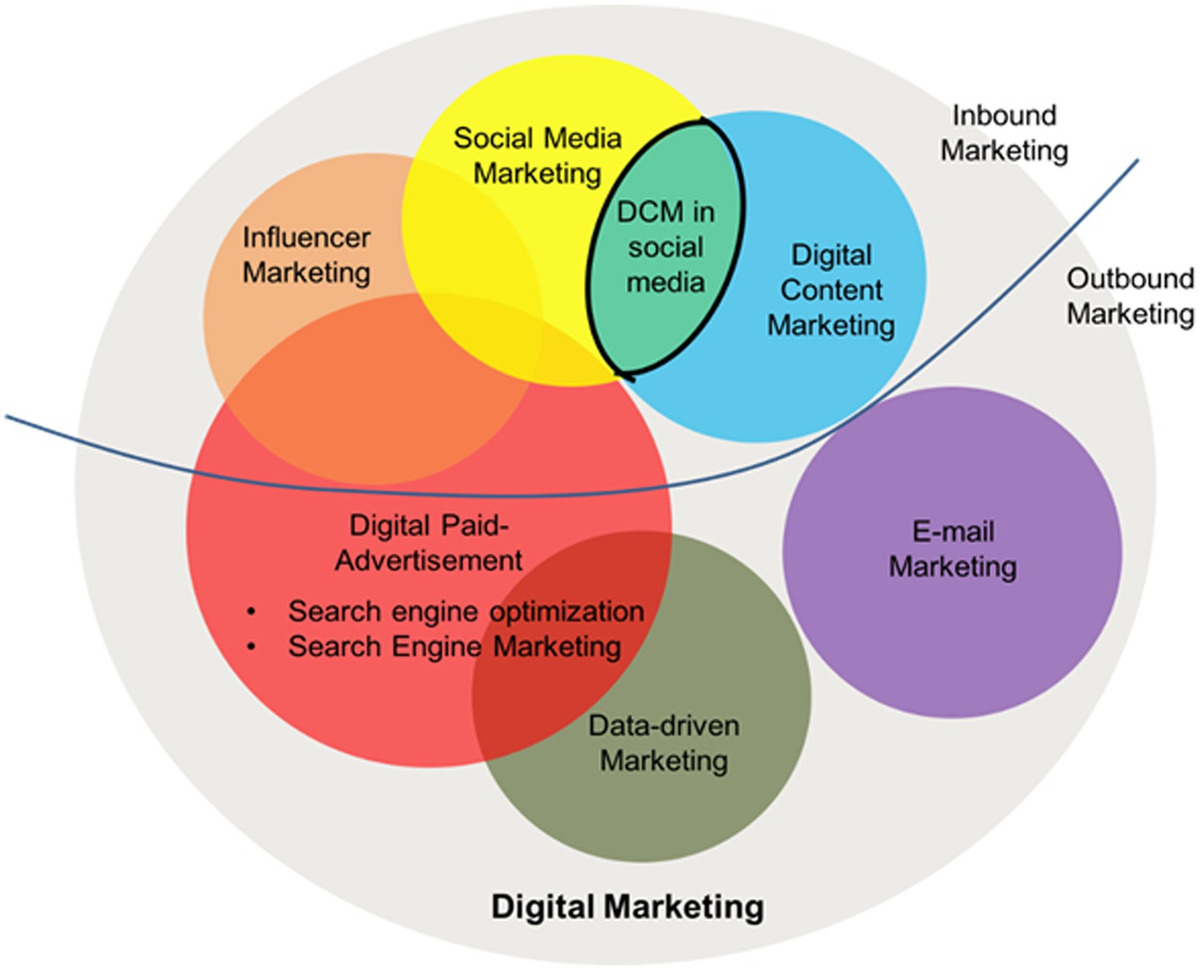
Overview of Content Marketing in India
Definition of Content Marketing
Content marketing is the strategic approach of creating and distributing valuable, relevant, and consistent content to attract and engage a clearly defined audience, driving profitable customer action. It transcends traditional advertising by focusing on storytelling and establishing a direct conversation between brands and consumers.
Imagine walking into a bookstore, not looking for a specific title but drawn in by a captivating cover or an inspiring blurb. This is similar to how content marketing works—it hooks potential customers through informative blogs, engaging videos, or captivating social media posts, ultimately leading them toward making a purchase.
Growth of Content Marketing in India
India’s content marketing landscape has witnessed remarkable growth over the last decade. As digital adoption rises, brands are increasingly harnessing the power of content to deepen their connections with consumers.
Key factors contributing to this growth include:
- Increased Internet Penetration: With over 600 million internet users, India is a digital powerhouse. This expansive reach provides brands the opportunity to engage a vast audience.
- Proliferation of Social Media: Platforms like Facebook, Instagram, and LinkedIn have become essential channels for distributing content. Brands now leverage these platforms to share storytelling that resonates with their audience.
- Consumer Preferences Shift: Today’s consumers are more informed than ever; they seek authentic information before making purchases. Content that educates and entertains has become a preferred medium.
In parallel to these trends, many Indian brands have started to adopt innovative strategies, investing heavily in high-quality content and tailored marketing campaigns. Thus, it’s evident that content marketing in India is not just an option but a powerful tool that brands must utilize to thrive in the competitive marketplace.

Importance of Content Marketing for Brand Presence
Building Brand Awareness
As content marketing continues to evolve, its importance for building brand awareness cannot be overstated. For a brand looking to stand out in a crowded marketplace, creating engaging and valuable content is key. Think of it as hosting a dinner party: the more inviting your theme and decor, the better your chances of making a lasting impression on your guests. In the same way, compelling content captures attention and leaves a mark.
To effectively build brand awareness, consider the following strategies:
- Regularly Publish Quality Content: Consistency is crucial. Whether it’s blog posts, videos, or infographics, frequent updates boost visibility.
- Utilize SEO Optimizations: Crafting SEO-friendly content ensures your brand appears in search results, drawing in a larger audience.
Establishing Thought Leadership
Thought leadership is another vital component of successful content marketing. When a brand consistently provides valuable insights and innovative ideas, it earns the trust of its audience.
For instance, a technology company that shares expert opinions on industry trends not only builds credibility but also positions itself as a go-to resource for information. This can lead to:
- Increased Customer Trust: When customers see a brand as a leader in its field, they’re more likely to trust and choose it over competitors.
- Networking Opportunities: Brands recognized as thought leaders often open doors to partnerships, collaborations, and speaking engagements.
Engaging with Target Audience
Engagement is at the heart of effective content marketing. It’s not just about broadcasting information; it’s about starting conversations.
- Interactive Content: Polls, quizzes, and AMAs (Ask Me Anything) can spark interest and invite participation.
- Feedback Loops: Encouraging comments and reviews not only enhances engagement but provides valuable insights into customer preferences.
By fostering a genuine dialogue with their audience, brands can cultivate a loyal community that advocates for their products or services. Ultimately, these strategies contribute significantly to improving brand presence in an increasingly competitive market.

Trends in Content Marketing in India
Video Content Dominance
As consumer preferences shift, video content has emerged as a dominant trend in India’s content marketing landscape. Imagine scrolling through your social media feed and being captivated by a short, gripping video—it’s hard not to stop and watch! This phenomenon is driving brands to prioritize video as a primary form of content.
- Engagement Rates: Videos achieve significantly higher engagement rates compared to other formats. They draw viewers in, keeping them interested longer.
- Platforms: YouTube, Instagram, and TikTok are leading the charge, with brands creating entertaining and informative videos to reach diverse audiences.
This dynamic method allows brands to showcase products, share stories, and even offer tutorials. An example is how a beauty brand might release a series of quick makeup tutorials, appealing directly to their target demographic while fostering community engagement.
Rise of Influencer Collaborations
Influencer marketing continues to gain traction as brands seek authentic voices to promote their products. Collaborating with influencers allows brands to tap into established trust within specific communities.
- Diverse Niches: From fitness enthusiasts to tech reviewers, influencers cater to various audiences, making it easier for brands to find the right match.
- Engaging Content Creation: Influencers are skilled at creating relatable content that resonates with their followers, often leading to higher conversion rates.
For instance, a fitness apparel company partnering with a popular athlete can create content that showcases their products’ performance while inspiring a loyal following.
Personalized Content Strategies
In today’s digital landscape, personalization is not just a luxury; it’s a necessity. Consumers expect tailored content that speaks to their specific needs and preferences.
- Data-Driven Insights: Brands can leverage data analytics to understand consumer behavior and preferences, creating personalized content that truly resonates.
- Segmentation: Segmenting audiences based on demographics, interests, and previous interactions is vital for delivering targeted messaging.
By implementing personalized emails, product recommendations, or localized content, brands can create a more meaningful connection with their audience. This approach drives engagement and loyalty, elevating the overall content marketing strategy.
In summary, as video content, influencer collaborations, and personalized strategies continue to evolve, brands in India must adapt to stay competitive and meet the expectations of an increasingly savvy consumer base.

Impact of Content Marketing on Consumer Behavior
Purchase Decision Influence
The influence of content marketing on consumer purchase decisions is profound and undeniable. In today’s digital age, consumers are more informed than ever before, often conducting extensive research before making a purchase. This is where effective content marketing comes into play.
Picture this scenario: a friend shares an article or a video about the latest smartphone and its unique features. That insightful content not only piques interest but also serves as a decisive factor in the purchasing process. Here’s how content marketing impacts decision-making:
- Educational Content: Detailed product guides, comparison articles, and how-to videos help consumers understand the product’s value and usability.
- Peer Reviews and Testimonials: Featuring real customers’ experiences can validate a product’s worth, guiding potential buyers toward a favorable decision.
- Social Proof: Engaging blogs or social media content that highlights positive customer feedback can significantly push consumers closer to their purchase decisions.
Trust Building through Content
Trust is a critical currency in business, and content marketing is an effective tool for building and nurturing that trust. Brands that produce reliable, informative, and transparent content position themselves as reputable resources.
Consider this: when a consumer consistently encounters valuable content from a brand—be it in the form of blog articles, eBooks, or webinars—they begin to see that brand as a knowledgeable authority in its field.
- Authenticity: Honesty in messaging and storytelling creates a sense of reliability.
- Consistent Engagement: Regularly updating content shows commitment, fostering a relationship that grows over time.
- Clear Communication: Addressing customer queries and concerns through informative content can significantly enhance trust.
Ultimately, as consumers engage with brand content that resonates with their values and needs, they develop a loyalty that translates into long-term relationships. Thus, through influencing purchase decisions and building trust, effective content marketing undeniably alters consumer behavior, paving the way for brand success.
Content Marketing Strategies for Indian Market
SEO-Optimized Content Creation
To effectively navigate the Indian market, brands must prioritize SEO-optimized content creation. SEO, or Search Engine Optimization, is the backbone of digital visibility. Whether you’re writing a blog post or creating a landing page, understanding how to leverage SEO can make all the difference in being discovered online.
Imagine crafting a stellar piece about “best travel destinations in India” but without any search optimization—it might remain buried on page ten of search results! Here’s how to ensure your content stands out:
- Keyword Research: Utilize tools like Google Keyword Planner to identify popular search terms related to your niche.
- Quality Content: High-quality, informative articles that address user intent will naturally attract backlinks and engagement.
- On-Page SEO Techniques: Optimize meta tags, headers, and URLs to ensure your content is easily searchable.
Social Media Content Distribution
Once your content is created, it’s time to distribute it effectively, and that’s where social media comes in. In India, social platforms like Facebook, Instagram, and WhatsApp are not just avenues for engagement; they’re essential for amplifying reach.
- Content Formats: Experiment with various formats, such as stories, reels, and infographics, to capture attention.
- Community Engagement: Encourage sharing and conversations around your content, fostering a sense of community that can drive organic growth.
- Paid Advertising: Consider targeted social media ads to reach demographics that align with your brand, ensuring optimal visibility.
Email Marketing Campaigns
Email marketing remains a powerful tool in the Indian market, offering a direct line to your audience. While social media may attract engagement, email provides a more personal touch.
- Segmentation: Divide your email lists based on interests, behaviors, and demographics for tailored messaging that resonates.
- Value-Driven Content: Provide subscribers with value—exclusive offers, valuable insights, or engaging newsletters that keep them looking forward to your communications.
- Call to Action: Always incorporate a clear call to action, guiding recipients on the next steps they can take.
By embracing these content marketing strategies—SEO optimization, social media distribution, and targeted email campaigns—brands can effectively connect with their audience in the Indian market, driving engagement and fostering loyalty.
Case Studies of Successful Content Marketing Campaigns in India
Brand A: Campaign Overview
One remarkable example of successful content marketing in India is the campaign by Zomato, the popular food delivery service. To celebrate its diverse user base across India, Zomato launched the “Zomato Gold” campaign, which cleverly combined value with storytelling.
- User-Generated Content: They encouraged food enthusiasts to share their dining experiences using Zomato Gold on social media. This led to an overwhelming volume of user-generated content that promoted both the brand and customer experiences.
- Influencer Partnerships: Collaborating with food bloggers and influencers amplified their message, reaching a broader audience and showcasing local cuisines uniquely and authentically.
- Visual Appeal: The campaign utilized eye-catching visuals, featuring delicious food items, enticing viewers and enticing them to explore new dining options.
As a result, Zomato not only boosted brand visibility but also significantly increased its user base, establishing a loyal customer community that resonates with authentic culinary experiences.
Brand B: Campaign Overview
Another fantastic case study comes from HDFC Bank. With their “HDFC Bank’s Go Digital” campaign, they aimed to promote digital banking services, especially among small businesses and everyday consumers.
- Educational Content: The campaign featured informative blogs, webinars, and social media posts that simplified digital banking concepts for average users. This approach not only educated potential customers but also built confidence in the bank’s digital solutions.
- Interactive Webinars: They hosted webinars that provided insights into managing finances digitally, attracting thousands of participants eager to learn.
- Customer Success Stories: By highlighting testimonials and success stories from small businesses that thrived after adopting digital banking, HDFC Bank illustrated the real-life impact of their services.
This multi-faceted approach increased customer engagement and led to a significant rise in digital banking sign-ups, demonstrating how impactful content can drive positive consumer behavior.
These case studies showcase that with creativity, authenticity, and strategic thinking, brands in India can create successful content marketing campaigns that resonate deeply with their audience, ultimately leading to greater brand loyalty and visibility.
Challenges and Future Outlook of Content Marketing in India
Content Quality vs. Quantity
As the content marketing landscape evolves in India, one of the most pressing challenges brands face is the balance between content quality and quantity. With the sheer volume of content available online, there’s a tendency for brands to churn out more material to keep up. However, this can lead to a dilution of quality.
- Consumer Expectations: Today’s audiences crave high-quality, engaging, and informative content that addresses their needs. If brands focus too heavily on quantity, they risk diminishing trust and losing audience interest.
- SEO Implications: Search engines increasingly prioritize quality over quantity. High-quality content that provides value tends to rank better in search results, driving organic traffic.
To illustrate, consider a startup that consistently publishes generic blog posts just to maintain a presence. Over time, if the content fails to engage, potential customers will lose interest. Instead, investing time in creating fewer, well-researched pieces can yield better long-term results.
Emerging Technologies in Content Marketing
The future of content marketing lies in embracing emerging technologies that can revolutionize how brands interact with consumers. Innovations like artificial intelligence (AI), augmented reality (AR), and data analytics are increasingly shaping content strategies.
- AI-Powered Personalization: Tools that analyze user behavior can help create highly personalized content, enhancing user engagement.
- AR Experiences: Brands leveraging augmented reality can offer interactive experiences that resonate deeply with audiences. For example, a furniture brand might allow customers to visualize how a sofa would look in their living room through an AR app.
These technologies provide brands with opportunities to create immersive experiences that drive engagement and loyalty.
Regulatory Compliance
With the rise of digital content, regulatory compliance is becoming increasingly important for brands operating in India. As data protection laws evolve, such as the Personal Data Protection Bill, businesses must ensure their content practices align with legal requirements.
- Transparency in Data Usage: Brands must communicate clearly how they collect and use consumer data, fostering trust.
- Adhering to Advertising Standards: Compliance with advertising regulations is essential to avoid legal repercussions and maintain credibility.
Navigating these regulations can be challenging but is crucial for long-term sustainability.
In conclusion, while the challenges of balancing quality with quantity, embracing technology, and ensuring regulatory compliance persist, they also offer opportunities for innovative brands to thrive in the dynamic landscape of content marketing in India. By addressing these challenges head-on, businesses can create impactful content strategies that resonate with their target audience.
Conclusion: Maximizing Brand Presence through Effective Content Marketing in India
As we reflect on the intricate landscape of content marketing in India, it’s clear that effective strategies are essential for brands aiming to elevate their presence in a fiercely competitive environment. Successfully navigating this landscape requires a thoughtful blend of creativity, strategy, and an understanding of consumer behavior.
Core Takeaways for Success
To truly maximize brand presence, businesses should focus on several key areas:
- Genuine Connection: Building authentic relationships with consumers through quality content resonates deeply. Whether through storytelling, educational resources, or community engagement, authenticity creates trust.
- Data-Driven Decisions: Utilizing analytics to understand audience preferences not only sharpens content strategy but also enhances personalization. Tailored content achieves higher engagement levels and drives conversions.
- Engagement Across Platforms: It’s vital to be present where your audience spends their time. Leveraging the right mix of social media, email marketing, and SEO practices can amplify your reach significantly.
Looking to the Future
As content marketing in India continues to evolve, emerging technologies offer exciting possibilities. Brands that embrace AI, AR, and data analytics will position themselves as industry leaders capable of providing engaging customer experiences. Moreover, staying vigilant about regulatory compliance ensures that brands can operate transparently and ethically, fostering customer loyalty.
In essence, content marketing is not just about selling a product or service; it’s about crafting narratives that resonate with your audience and foster lasting connections. By focusing on these strategic elements, brands can not only maximize their presence but also thrive in the increasingly complex digital landscape of the Indian market. The future is bright for those willing to adapt, innovate, and engage authentically.