

Introduction
Importance of Content Marketing
In today’s digital age, content marketing has emerged as a crucial strategy for businesses looking to establish their presence and engage with their audience. It goes beyond mere advertising; it tells a story and connects at a personal level, building relationships that can translate into brand loyalty. The importance of content marketing can be summarized in a few key points:
- Brand Awareness : Good content spreads, making it easier for potential customers to discover your services or products.
- Audience Engagement : Engaging content fosters communication and interaction, keeping your audience interested and invested in your brand.
- SEO Benefits : Search engines favor fresh and relevant content, boosting your visibility in search results.
- Lead Generation : Valuable content can draw in leads who are looking for solutions to their problems.
For instance, a local café in Leeds might use a blog to share recipes, highlight ingredients sourced from local farmers, and detail the stories behind their unique coffee blends. This not only builds a community around the brand but also positions them as knowledgeable and trustworthy.
Understanding Leeds Business Landscape
Leeds, known as a vibrant city with a mixed economy, offers a unique landscape for businesses. It hosts a diverse range of industries, from finance and healthcare to creative arts and technology. This diversity presents opportunities for content marketing that speaks to various target audiences.
When delving into the business ecosystem of Leeds, several characteristics stand out:
- Diverse Demographics : With a large student population and a growing workforce, businesses must tailor their marketing strategies to cater to a variety of segments.
- Local Events and Culture : Leeds boasts numerous festivals, exhibitions, and events throughout the year, which can serve as rich content opportunities.
- Community-Centric Brands : Businesses that emphasize local partnerships and community engagement tend to resonate better with Leeds residents.
Consider a tech startup based in Leeds. They might harness the power of content marketing by creating blogs on emerging tech trends, offering webinars on digital transformation, and sharing customer success stories. By capitalizing on their expertise and local culture, they can attract both businesses and professionals looking for knowledge and resources in the tech sector.
In summary, understanding the significance of content marketing within the context of Leeds not only aids in crafting effective marketing strategies but also aligns businesses with their community’s values and needs. By weaving together storytelling and local insights, companies can enhance their visibility and engagement, ultimately leading to growth and success in this dynamic marketplace.

Setting Clear Goals
The foundation of any successful content marketing strategy begins with setting clear goals. It’s not just about creating content; it’s about creating content with purpose. Knowing what you want to achieve helps you to create a focused strategy that drives results.
Identifying Target Audience
The first step in this journey is identifying your target audience. Arguably, it’s one of the most critical aspects of content marketing because the type of content you create, where you distribute it, and how you communicate your message all hinge on who you are trying to reach.
Here are several strategies to effectively identify your target audience:
- Create Buyer Personas : Developing detailed profiles of your ideal customers can be extremely helpful. Consider demographics like age, gender, location, and interests, as well as their buying behaviors.
- Research and Survey : Engaging with your existing customers through surveys can yield invaluable insights. Ask questions about their preferences, needs, and how they consume content.
- Analyze Competitors : Take a look at what your competitors are doing. Identify who engages with their content and what strategies they are using to attract those audiences.
For example, a local gym in Leeds might find that their most engaged members are young professionals aged 25-35 who are health-conscious and keen on fitness trends. Knowing this allows them to tailor their content, perhaps focusing on quick and effective workout plans that cater to a busy lifestyle.
Defining Key Performance Indicators (KPIs)
Once you have a clear understanding of your target audience, the next step is to define your Key Performance Indicators (KPIs). KPIs serve as measurable values that indicate how effectively you are achieving your business objectives. Here are some common KPIs to consider for content marketing:
- Traffic Metrics : Monitor website traffic to see how many visitors are engaging with your content. Look out for unique visitors, sessions, and page views.
- Engagement Rates : Analyze comments, shares, and likes on social media platforms. Engagement shows how well your content resonates with your audience.
- Conversion Rates : Track how many visitors complete desired actions, such as signing up for a newsletter or making a purchase, as a direct result of your content.
- Bounce Rates : Understanding the percentage of visitors who leave your site after viewing only one page can provide insight into content relevance.
For instance, a Leeds-based fashion retailer might set the goal of increasing website traffic by 30% in six months through their blog posts about seasonal trends. By defining this metric as an KPI, they can measure their success and adjust their strategy accordingly.
In conclusion, clear goals guided by a deep understanding of your target audience and well-defined KPIs create a roadmap for successful content marketing. By ensuring that every piece of content is driving toward specific objectives, businesses can more effectively engage their audience, boost brand visibility, and ultimately achieve lasting success.
Crafting Compelling Content
With clear goals set and a solid understanding of the target audience, the next step in a successful content marketing strategy is crafting compelling content. This is where creativity meets strategy, and the right mix of content formats can significantly enhance audience engagement and brand loyalty.
Utilizing Different Content Formats
In today’s fast-paced digital world, it’s essential to diversify content formats to reach different segments of your target audience effectively. Each format has its unique advantages, and using a combination can help keep your content fresh and engaging.
Consider the following content formats and how they can fit into your strategy:
- Blog Posts : These are excellent for detailed storytelling and can improve SEO rankings. A local travel agency in Leeds might write posts about hidden gems around the city, capturing the interest of both tourists and locals.
- Infographics : Visual content tends to attract more attention. An infographic summarizing a Leeds-based study on consumer preferences can provide essential insights while being easily shareable on social media.
- Videos : Short and engaging videos can showcase a product, tell your brand story, or provide tutorials. For instance, a local cooking class could create videos that demonstrate recipes using seasonal ingredients sourced from nearby farms.
- Podcasts : With the rise of audio content, podcasts are a great way to engage audiences during commutes or workouts. A digital marketing agency in Leeds might produce a podcast discussing trends and tips for small businesses.
By utilizing a mix of content formats, brands can cater to different preferences and behaviors, increasing their overall reach and impact.
Implementing SEO Best Practices
No matter how compelling the content is, it won’t be effective if it isn’t easily discoverable. This is where implementing SEO best practices comes into play. Optimizing content for search engines can help improve visibility and drive organic traffic.
Here are some best practices to consider:
- Keyword Research : Identify relevant keywords your audience is searching for, and incorporate them naturally into your content. Tools like Google Keyword Planner can assist in this process.
- Optimized Titles and Headings : Craft catchy titles and use headings (H1, H2, H3) appropriately to help search engines understand the structure of your content.
- Internal Linking : Connect relevant pieces of content within your site to keep visitors engaged and improve SEO. For example, a blog post about fitness tips could link to related nutritional content available on your website.
- Meta Descriptions : Write compelling meta descriptions that encourage users to click through to your content from search results. These serve as a brief summary of what they can expect.
- Mobile Optimization : Ensure that your content is accessible on mobile devices, as an increasing number of users browse using smartphones. A local Leeds coffee shop’s website should load quickly and be easy to navigate on handheld devices.
In conclusion, crafting compelling content involves not only selecting the right formats that resonate with your audience but also ensuring that such content can be discovered by implementing effective SEO practices. By doing so, businesses can significantly enhance engagement, visibility, and, ultimately, conversion rates.
Leveraging Social Media Platforms
After crafting compelling content and implementing SEO best practices, the next natural step is to amplify that content through social media. In today’s digitally driven world, leveraging social media platforms is crucial for reaching and engaging your audience effectively.
Choosing the Right Platforms
Not all social media platforms are created equal, and choosing the right ones for your brand is key to successful engagement. Each platform has its distinct audience and style, which means you must align your strategy with where your target audience spends their time.
Here are some considerations when selecting the appropriate platforms:
- Demographics : Understand the demographics of each platform. For instance, younger audiences are more prevalent on TikTok and Instagram, while LinkedIn is ideal for professional networking.
- Content Type : Match the platform with your content format. If you’re heavy on visuals, Instagram and Pinterest may be preferable. On the other hand, if you’re looking to share industry insights or news, Twitter and LinkedIn are great choices.
- Engagement Style : Think about how you want to engage with your audience. Facebook allows for detailed discussions and community building, while Twitter is more about quick updates and interaction.
For example, a local artisan bakery in Leeds might use Instagram to showcase images of freshly baked goods, while simultaneously using Facebook to share customer testimonials and build a community around baking enthusiasts. By aligning content with the right platform, the bakery can maximize engagement.
Engaging with Followers Effectively
Once you’ve established your presence on the right platforms, the next step is to engage with your followers effectively. Social media is not just a broadcasting tool; it’s a two-way street that thrives on interaction. Here are some strategies to foster meaningful connections with your audience:
- Regular Posting Schedule : Consistency is key. Create a content calendar to ensure you’re posting regularly, which keeps your brand fresh in your audience’s minds.
- Encourage Conversations : Ask open-ended questions in your posts to encourage followers to share their thoughts. For instance, a Leeds-based gym could ask its audience about their fitness goals and create a discussion around them.
- Respond Promptly : Engage with comments and direct messages. A quick response can show your audience that you value their input. For example, if a follower asks for recipe tips, responding with personalized advice can foster community loyalty.
- User-Generated Content : Encourage your audience to share their experiences with your brand. A local clothing store could feature customers wearing their outfits, turning those followers into brand advocates.
- Run Contests and Giveaways : These can create excitement and engagement. A café could offer a free drink to a randomly selected follower who shares their post, increasing visibility while rewarding customers.
In conclusion, leveraging social media platforms effectively requires thoughtful selection tailored to your audience and crafting strategies that encourage meaningful engagement. By choosing the right platforms and actively interacting with followers, businesses can build a loyal community, enhance brand recognition, and drive success in content marketing efforts.
Measuring Success
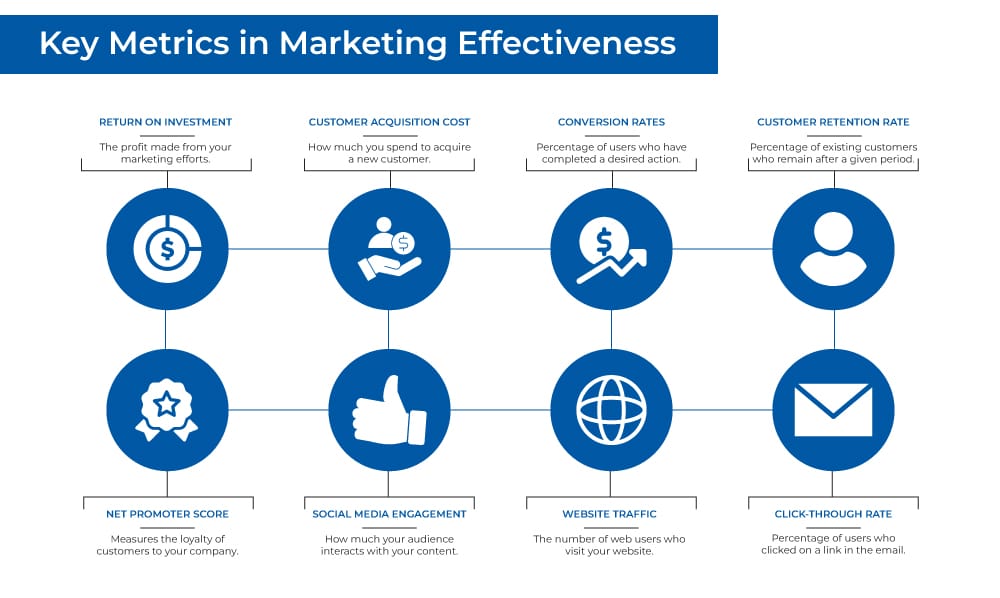
After investing time and resources into crafting compelling content and leveraging social media, the inevitable question arises: How do you know if your efforts are paying off? Measuring success involves analyzing metrics and data to gain insights into your strategies’ effectiveness.
Analyzing Metrics and Data
Understanding the performance of your content is crucial for refining your approach and ensuring you’re on the right track. Here are some key metrics and aspects to consider when analyzing data:
- Website Traffic : Use tools like Google Analytics to monitor the number of visitors to your site. Look at trends over time—are you seeing growth in unique visitors or page views? Understanding traffic sources can also help you determine which channels are bringing in the most visitors.
- Engagement Metrics : For social media, engagement rates (likes, shares, comments) indicate how well your content resonates with your audience. For instance, a video post that gains significant shares may highlight the effectiveness of that format.
- Conversion Rates : Analyze how many visitors complete desired actions, such as signing up for a newsletter or making a purchase. If you discover that a particular blog post led to a high conversion rate, consider creating similar content or optimizing existing posts.
- Bounce Rates : This metric tells you the percentage of visitors who leave your site after viewing just one page. A high bounce rate may suggest that your content is not engaging enough, or that your site’s user experience needs improvement.
For example, a Leeds-based fashion retailer may use analytics to discover that their Instagram posts showcasing customer outfits have high engagement rates, while blog posts about fashion trends see fewer visitors. This insight can guide future content strategies.
Making Data-Driven Decisions
Once the metrics are analyzed, the next critical step is making data-driven decisions. The goal is to adapt and refine your strategies based on the insights gathered. Here are some effective ways to implement changes based on data:
- Content Pivoting : If certain topics or formats yield better engagement and conversions, consider creating more content around those themes. This may involve shifting your content calendar to prioritize popular topics.
- A/B Testing : Experiment with different headlines, visuals, or formats to see what performs best. For instance, if a promotional email for a local event gets varied engagement, A/B testing subject lines could help identify what draws more attention.
- Adjusting Target Audiences : Metrics might reveal that specific segments engage better. For example, if analytics show that a particular demographic interacts more with video content, you may decide to tailor future content to that audience.
- Setting New Goals : Based on your analysis, you might find it necessary to adjust your goals. If you’re consistently exceeding your traffic target, set a new, higher benchmark.
In conclusion, measuring success through careful analysis of metrics enables businesses to make informed, data-driven decisions. By understanding what works and continuously refining strategies, brands can not only enhance their content marketing efforts but also foster stronger connections with their audience, ultimately driving growth and success.