

Understanding Content Marketing Obstacles
Definition of Content Marketing Obstacles
Content marketing obstacles refer to the various challenges and hindrances marketers encounter throughout the content creation, distribution, and performance measurement process. These barriers can stem from a lack of resources, unclear goals, or ineffective strategies that hinder the ability to engage target audiences effectively.
For instance, consider a marketing team enthusiastically launching a new blog. They might think that simply hitting “publish” will generate traffic. However, beyond the creation phase lies a minefield of potential obstacles, such as declining audience interest, competition for attention, and limited visibility. Understanding these barriers is crucial in developing a robust content marketing strategy.
Common Challenges Faced by Marketers
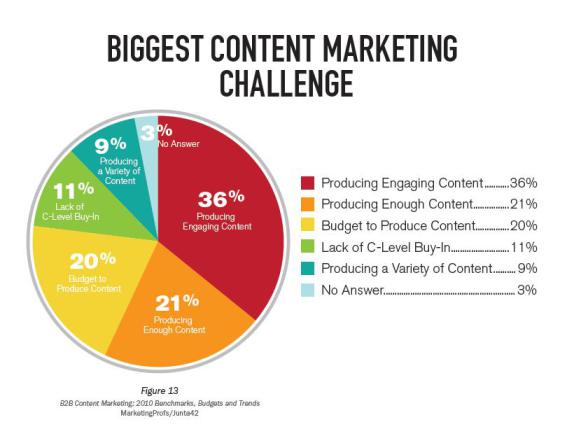
Marketers often face significant challenges, and recognizing them early can make all the difference. Here are some common obstacles:
- Content Overload: With an overwhelming amount of information available online, it can be hard for marketers to ensure their content stands out.
- Audience Engagement: Striking the right chord with the audience is fundamental. Content may be informative but fail to resonate emotionally, leading to low engagement rates.
- Resource Limitations: Many teams operate with minimal budgets or limited personnel, restricting their ability to produce high-quality content consistently.
- Shifting Algorithms: Social media and search engine algorithms are constantly evolving, making it challenging for marketers to adapt their strategies accordingly.
- Measurement Difficulties: Gauging the effectiveness of content can be complex. Marketers often struggle with tracking relevant metrics and understanding their implications.
By being aware of these common challenges, marketers can proactively strategize and adjust their approaches, turning obstacles into opportunities for growth in their content marketing efforts.
Identifying Your Content Marketing Roadblocks
Understanding common challenges is only the first step; the next crucial phase involves identifying specific roadblocks that might be hindering your content marketing efforts. This process can be broken down into two essential components: conducting a content audit and analyzing data and metrics.
Conducting a Content Audit
A content audit entails reviewing existing content to assess its effectiveness and relevance. This process can illuminate hidden obstacles that marketers might not immediately recognize.
To conduct a successful content audit, consider the following steps:
- Inventory All Content: Compile a list of all your blogs, videos, podcasts, and downloadable resources.
- Evaluate Performance: Rank each piece based on engagement metrics, such as shares, comments, and views.
- Identify Gaps: Look for areas where content is lacking, whether in topics, formats, or frequency.
For example, a company might discover that their blog about sustainable practices consistently attracts traffic, while posts on less popular subjects perform poorly. This insight can guide future content creation.
Analyzing Data and Metrics
Once the audit is complete, the focus shifts to analyzing data and metrics. This phase is crucial as it reveals how well your content is resonating with your audience. Key performance indicators (KPIs) to consider include:
- Website Traffic: Measure unique visitors and page views to see how content drives site engagement.
- Conversion Rates: Understand how many leads or sales are generated from specific content pieces.
- Bounce Rates: A high bounce rate might indicate that the content isn’t meeting audience expectations.
By systematically evaluating these metrics, marketers can pinpoint what works and what doesn’t, allowing them to make informed decisions to overcome content marketing roadblocks. This targeted approach sets the groundwork for refining strategies and ensuring better alignment with their audience’s needs.
Overcoming Content Creation Hurdles
Having identified your content marketing roadblocks, the next step is to tackle the content creation hurdles that often stand in the way of success. Two prime challenges many marketers face include generating engaging ideas and crafting compelling and valuable content.
Generating Engaging Ideas
Generating fresh and engaging ideas can sometimes feel like an uphill battle, especially when you’re under pressure to produce consistent content. Here are some strategies to fuel your creativity:
- Mind Mapping: This technique involves writing down a central idea and branching out with related themes, sparking new connections and concepts.
- Audience Feedback: Engage with your audience through surveys or social media to understand their interests. For instance, a recent survey I conducted revealed that my followers were particularly keen on sustainability topics, leading to several well-received articles.
- Content Gaps: Conduct keyword research to identify gaps where your competitors may not be providing enough content.
- Trends and News: Keep an eye on industry trends and news. Clipping articles or following relevant hashtags can keep a steady flow of inspiration.
By using these techniques, marketers can cultivate a rich pool of imaginative ideas that resonate with their target audience.
Crafting Compelling and Valuable Content
Once engaging ideas are in place, the focus shifts to the execution. Crafting content that is both compelling and valuable requires a strategic approach:
- Know Your Audience: Understanding your audience’s pain points and desires is crucial. Create personas that encapsulate your ideal readers.
- Utilize Storytelling: Weaving personal anecdotes or stories into your content can make it relatable. For example, sharing a personal success or failure can not only engage readers but also build trust.
- Enhance Readability: Break up content with headings, bullet points, and short paragraphs to improve readability and engagement.
- Include Actionable Takeaways: Ensure that every piece of content offers valuable insights or actionable steps for the readers.
By focusing on these elements, marketers can transform good ideas into great content that captivates and provides genuine value to their audience, thus overcoming some of the most prevalent content creation hurdles.
Navigating Distribution and Promotion Challenges
Now that the content creation process is underway, it’s time to tackle the distribution and promotion challenges that can make or break your content marketing strategy. Effectively leveraging various channels and implementing robust promotion strategies can significantly enhance your reach and engagement.
Leveraging Various Channels
One of the most effective ways to maximize content visibility is by leveraging various distribution channels. Not all content performs equally well on all platforms, so it’s crucial to select the right channels for each piece. Consider the following options:
- Social Media: Platforms like Facebook, Twitter, and LinkedIn can help amplify your content. Each platform has its unique audience and content style, so tailor your posts accordingly.
- Email Newsletters: Email remains one of the most effective tools for direct communication with your audience. Regular newsletters can keep your audience engaged and informed about new content.
- Content Syndication: Partnering with other websites that share your audience can effectively increase your reach. For example, contributing guest posts to established sites can drive new traffic back to your own platform.
By utilizing multiple channels, you can widen your audience base and improve engagement.
Implementing Effective Promotion Strategies
Once the distribution channels are chosen, implementing effective promotion strategies is critical. Here are some to consider:
- SEO Optimization: Use relevant keywords to help your content rank higher in search engine results. This increases organic traffic to your site.
- Paid Advertising: Sometimes, investing in paid promotions on platforms like Facebook or Google Ads can yield significant returns, driving traffic to your high-value content.
- Engagement Tactics: Encourage sharing by including social media buttons and calls-to-action in your content. Engaging directly with your audience through comments can also enhance community ties.
For instance, after a well-placed paid ad promoting a recent blog post, I saw a 150% increase in traffic compared to organic reach alone.
Navigating these distribution and promotion challenges requires a thoughtful approach, but with the right strategies in place, marketers can significantly enhance their content’s visibility and impact, ultimately driving better results in their campaigns.

Measuring Success and Iterating
With your content successfully distributed and promoted, the focus shifts to measuring success and iterating on your strategy for continuous improvement. This phase is crucial as it helps determine how effectively your content is achieving its goals and where adjustments might be necessary.
Tracking Key Performance Indicators (KPIs)
Tracking Key Performance Indicators (KPIs) is essential for assessing content effectiveness. Here are some pivotal KPIs you should consider monitoring:
- Website Traffic: Analyze the number of visitors to your content. Increases in traffic often indicate successful promotion and interest in your topic.
- Engagement Metrics: These include comments, shares, and likes on social media. High engagement suggests that your audience finds your content valuable.
- Conversion Rates: Measuring how many readers take action—such as signing up for a newsletter or making a purchase—can reveal the effectiveness of your content in driving results.
For example, after launching an eBook, I discovered that while overall website traffic increased, conversion rates remained low. This prompted me to reevaluate my call-to-action placement and the clarity of the offer.
Adapting and Optimizing Strategies
Once you’ve collected and analyzed your KPIs, it’s time to adapt and optimize your content strategies based on the insights gained. Here’s how to approach this:
- Iterate Based on Feedback: Use audience feedback and engagement data to inform future topics. For instance, if readers frequently ask about a specific issue, consider creating follow-up content.
- A/B Testing: Experiment with different formats, headlines, or distribution strategies to see what resonates most with your audience.
- Regular Reviews: Make it a habit to periodically review your KPIs and overall content performance. This allows you to stay attuned to changing audience preferences and market dynamics.
By keeping track of your KPIs and remaining flexible in your strategy, you can continually refine your content marketing efforts, ensuring that you not only measure success but use those measurements to fuel ongoing growth and engagement. This iterative approach is vital for thriving in a competitive digital landscape.
Case Studies: Real-Life Examples of Triumph Over Obstacles
Having explored the challenges and strategies of content marketing, let’s look at tangible case studies that illustrate how brands have successfully navigated these obstacles. These success stories not only inspire but also provide valuable lessons for marketers looking to enhance their own campaigns.
Success Stories in Overcoming Content Marketing Challenges
One compelling example is HubSpot, a company known for its inbound marketing strategies. Facing intense competition, HubSpot encountered the challenge of standing out in a saturated market. To tackle this, they focused on producing high-value content tailored to their audience’s interests, such as in-depth blog posts, free webinars, and comprehensive guides.
This approach paid off; HubSpot not only grew its audience significantly but also became a thought leader in the digital marketing space. Today, their blog attracts millions of visitors each month, proving the effectiveness of prioritizing quality and relevance over aggressive self-promotion.
Another inspiring case is Buffer, which utilized a transparent approach to content marketing by openly sharing their challenges, metrics, and results. By doing so, they not only built trust with their audience but also engaged a community that supports their growth, further enhancing their credibility.
Lessons Learned from Notable Campaigns
From these success stories, several key lessons emerge:
- Prioritize Valuable Content: Quality is king. Businesses should focus on providing informative, relevant, and engaging content that addresses the needs and interests of their audience.
- Embrace Transparency: Sharing successes and failures can build trust and foster a supportive community around your brand.
- Adapt and Evolve: Consistently analyze performance data and be willing to pivot your strategy based on insights gained.
By learning from these notable campaigns, marketers can take actionable steps to overcome challenges, ensuring their content marketing efforts are both effective and sustainable in the long run.

Tools and Resources for Streamlining Content Marketing Efforts
As you navigate the complexities of content marketing, utilizing the right tools can make all the difference in streamlining your efforts. From planning to creation and analytics, there are numerous resources available to help you optimize your workflow and achieve your goals.
Content Planning and Creation Tools
Effective content marketing begins with solid planning and creation tools. Here are some top picks:
- Trello: Ideal for content organization, Trello allows teams to create boards for different projects, set deadlines, and assign tasks. It’s a fantastic way to visualize your content pipeline.
- CoSchedule: This integrated marketing calendar helps you schedule, publish, and promote your content effectively. Its headline analyzer is particularly useful for crafting attention-grabbing titles.
- Canva: While primarily a design tool, Canva is invaluable for creating visually appealing content, such as social media graphics and infographics, that can enhance your blog posts.
For instance, I used CoSchedule to streamline a month-long content campaign, resulting in organized workflows and a clearer overview of deadlines. This significantly reduced last-minute scrambles and improved our overall output quality.
Analytics and Monitoring Solutions
Once your content is live, monitoring its performance is crucial. Here are some solutions to consider:
- Google Analytics: This powerful tool tracks website traffic, user behavior, and conversion rates. Setting up goals within GA allows marketers to see how well their content is performing in real-time.
- BuzzSumo: An excellent resource for content research, BuzzSumo allows you to explore trending topics and analyze the performance of competitor content. You can also discover influencers in your niche to help amplify your reach.
- SEMrush: This all-in-one tool provides insights into SEO performance, keyword tracking, and competitive analysis, helping you optimize your content strategy.
By leveraging these tools, marketers can gain valuable insights and create a more efficient content marketing process. With careful planning and consistent monitoring, achieving success in content marketing becomes not only possible but much more manageable.
Conclusion: Embracing Challenges and Achieving Content Marketing Success
As we conclude this exploration of content marketing obstacles and strategies, it’s essential to reflect on the various methods available to overcome challenges and foster success. By embracing these hurdles, marketers can turn them into valuable learning experiences that pave the way for growth.
Recap of Strategies for Overcoming Obstacles
Let’s recap some key strategies to help navigate the complexities of content marketing:
- Identify Roadblocks: Conduct regular content audits and analyze KPIs to pinpoint specific challenges in your marketing efforts.
- Engage in Creative Processes: Utilize brainstorming techniques and audience feedback to generate engaging ideas that resonate with your target market.
- Diversify Distribution Channels: Experiment with multiple platforms and channels to maximize the visibility and reach of your content.
- Measure and Adapt: Continuously track performance and be ready to refine your strategies based on data-driven insights.
These strategies not only help in addressing immediate obstacles but also contribute to long-term content marketing success.
Encouragement for Continuous Improvement
The digital landscape is constantly changing, and with it, the preferences of your audience. Embracing a mindset of continuous improvement is crucial.
I can attest to the importance of staying adaptable. After implementing new tools and regularly reviewing our content strategies, my team saw a marked increase in engagement and conversions.
Encourage your team to learn from each campaign, whether successful or not. Gather insights, iterate, and don’t shy away from experimentation. With a proactive approach to overcoming challenges, you can succeed in your content marketing efforts and ultimately forge lasting connections with your audience. The journey may be challenging, but the rewards are well worth the effort!