
Understanding the Restaurant Industry Landscape
Overview of the Restaurant Industry
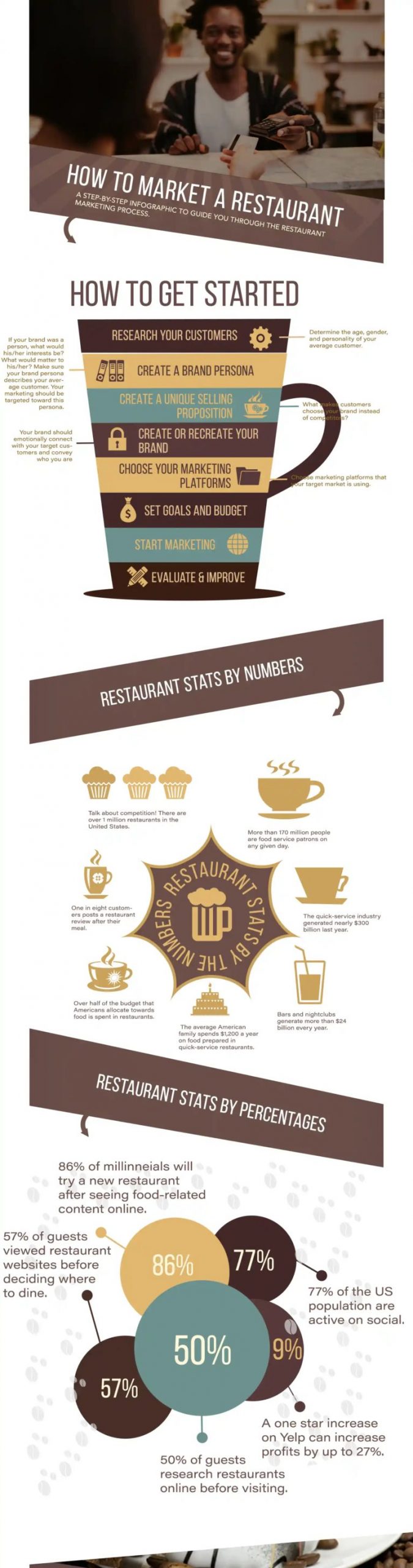
The restaurant industry is a dynamic and ever-evolving sector that plays a pivotal role in our economy. Comprising a diverse range of establishments—from fast-food chains to fine dining—this industry appeals to a variety of tastes and preferences. In 2023, the global restaurant market is projected to reach an impressive $4 trillion, showcasing the industry’s resilience despite economic fluctuations.
Restaurants not only serve meals but also create experiences. Dining out is often tied to celebrations, family gatherings, or even casual meet-ups with friends. Many people have fond memories connected with eateries—like the first time they shared a meal at a cozy cafe or a birthday dinner at a favorite restaurant.
Key Challenges Faced by Restaurants
However, operating in this vibrant field comes with its own set of challenges. Here are some prominent hurdles that many restaurateurs face:
- High Competition: With countless dining options available, standing out in a crowded market becomes increasingly difficult.
- Staffing Issues: Finding and retaining skilled employees is a persistent struggle, often leading to high turnover rates.
- Rising Costs: From ingredients to utilities, costs are ever-increasing, impacting profit margins.
- Health Regulations: Navigating through strict health and safety regulations can be complex and requires constant vigilance.
Understanding these challenges is crucial for any restaurant aiming to thrive in this competitive landscape.
Importance of Content Marketing for Restaurants
How Content Marketing Drives Revenue
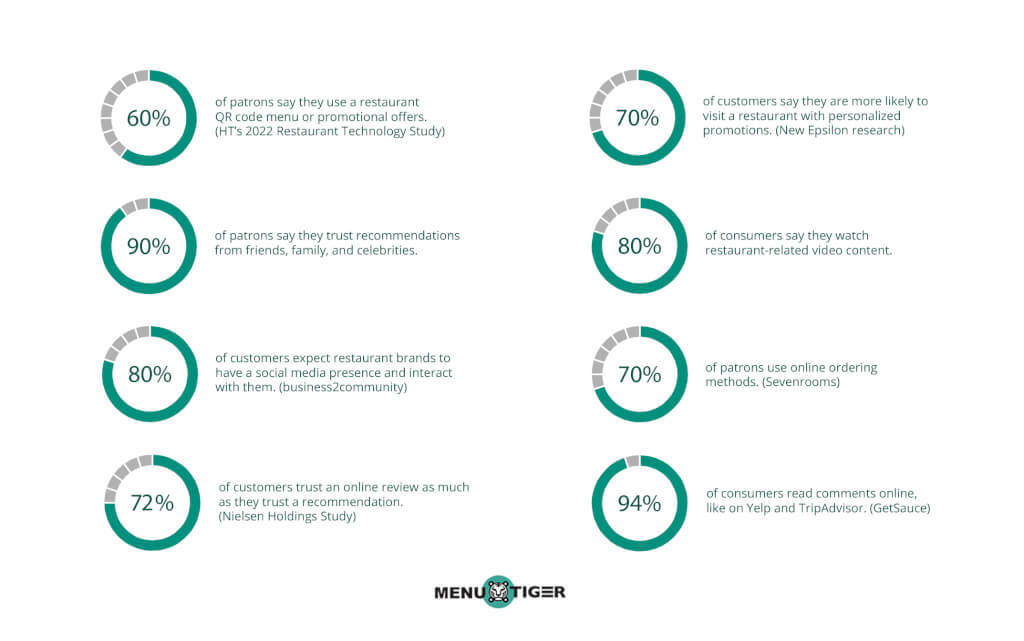
In today’s digital world, content marketing has become a cornerstone strategy for restaurants seeking to boost their revenue. By crafting engaging and valuable content, restaurants can attract the right audience and convert them into loyal customers.
Think about it—when you read a delightful blog post about a new dish or an inspiring story behind a restaurant’s family recipes, aren’t you more inclined to visit that establishment? This emotional connection can significantly impact the decision-making process. Here’s how content marketing drives revenue:
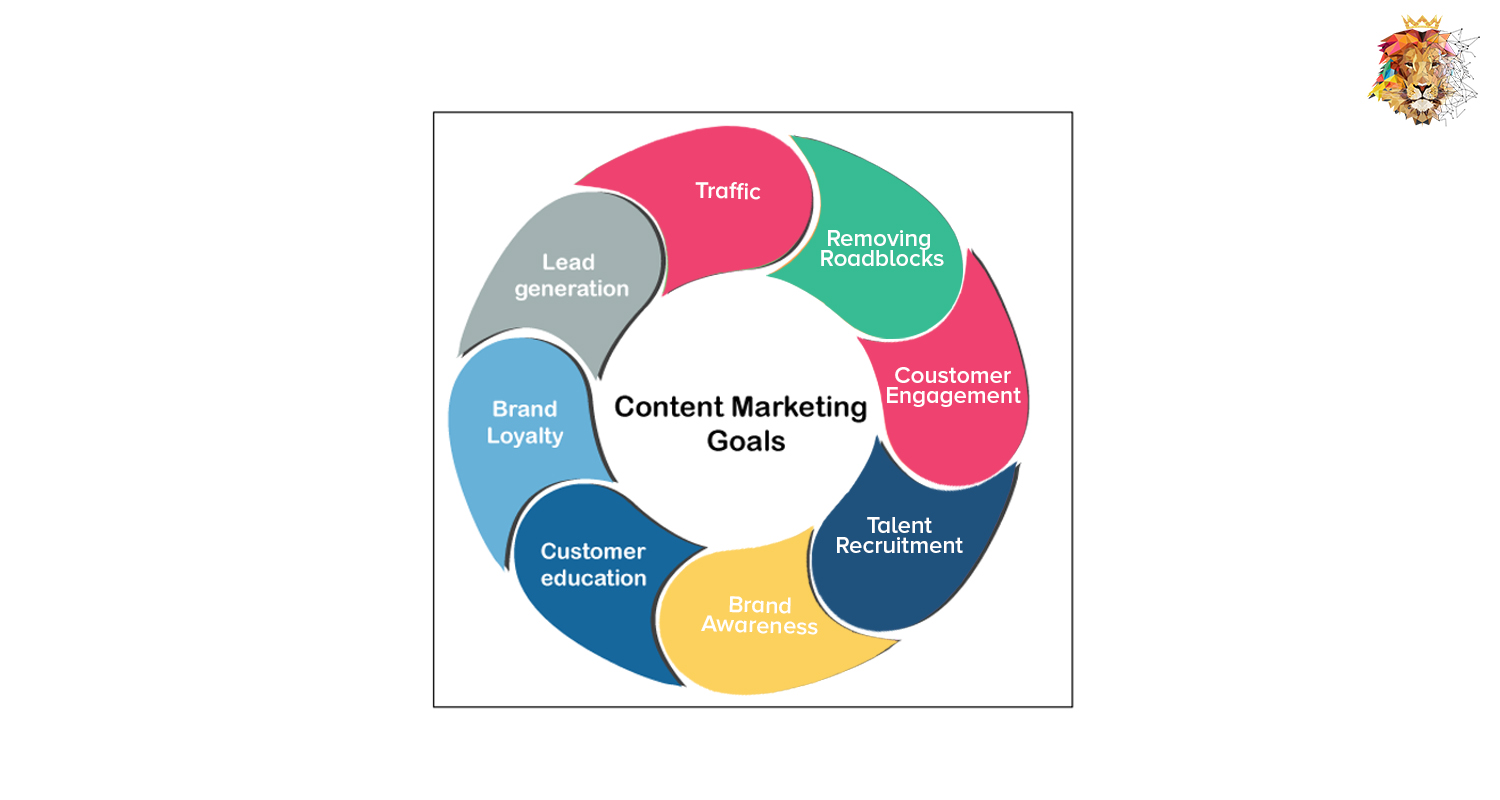
- Enhanced Brand Awareness: Well-crafted content boosts visibility and enables a restaurant to stand out in a saturated market.
- Increased Customer Engagement: Engaging content fosters a sense of community, encouraging repeat visits.
- Higher Conversion Rates: Content that highlights specials, events, or stories can lead directly to increased bookings.
Benefits of Content Marketing in the Restaurant Industry
The benefits of implementing a strong content marketing strategy extend beyond just revenue generation:
- Building Customer Loyalty: Consistently delivering valuable content helps create a loyal customer base who feel connected to the brand.
- Improved SEO Performance: Quality content enhances search engine rankings, making it easier for potential customers to find the restaurant online.
- Showcasing Expertise: Sharing recipes, cooking tips, or behind-the-scenes stories positions a restaurant as a thought leader in the culinary space.
Overall, content marketing is not just an option; it’s a vital tool that can help restaurants thrive in this competitive landscape.
Developing a Content Marketing Strategy
Identifying Target Audience and Persona
To effectively develop a content marketing strategy, it’s essential to know who your target audience is. This starts with identifying your customer persona—the detailed description of your ideal customer.
For example, let’s say you run a family-friendly restaurant. Your ideal persona might include:
- Demographics: Parents aged 30-45, living in suburban areas.
- Interests: Family activities, dining out, and seeking budget-friendly options.
- Pain Points: Limited time for meal prep and a desire for nutritious options that appeal to kids.
Understanding this persona allows you to tailor your content, ensuring it resonates with their needs and preferences.
Creating Engaging and Relevant Content
Once you have a clear picture of your audience, the next step is creating engaging and relevant content. This is where your creativity can shine!
Here are a few content ideas:
- Behind-the-Scenes Stories: Share videos or blog posts featuring your chefs preparing dishes, creating a personal connection.
- User-Generated Content: Encourage customers to share their dining experiences on social media. This not only allows for engagement but also authentic testimonials.
- Seasonal Promotions: Craft content around holidays or events, highlighting special menus or themed nights that cater to your audience.
By aligning your content with the preferences of your target audience, you can cultivate a strong relationship, enhancing their overall experience and drawing them closer to your restaurant.
Leveraging Social Media Platforms for Restaurant Promotion
Utilizing Instagram, Facebook, and Twitter
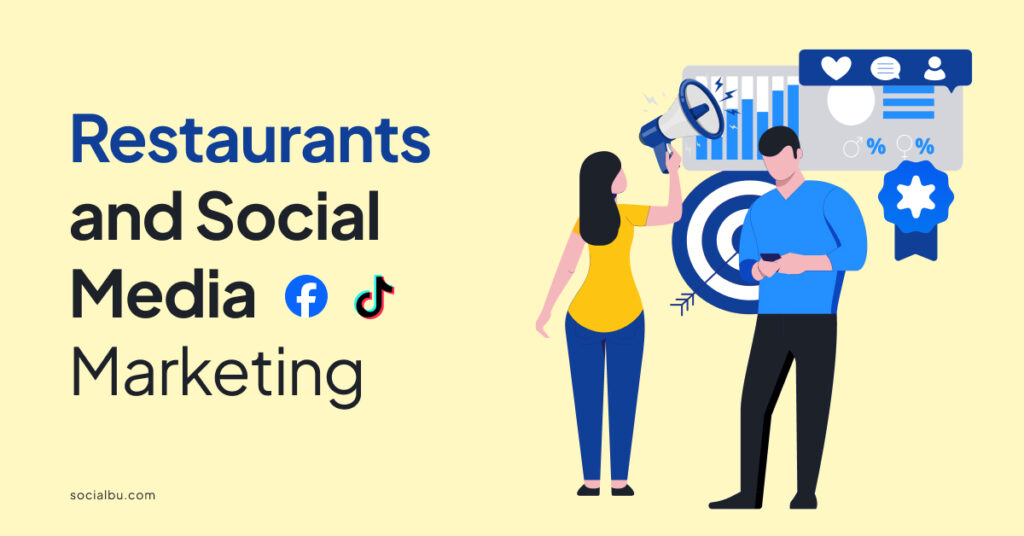
With the rise of digital communication, social media has become a powerful tool for restaurant promotion. Each platform offers unique ways to connect with potential customers, and understanding how to leverage them can make all the difference.
- Instagram: This visual platform is ideal for showcasing mouth-watering food photography. High-quality images of signature dishes, special events, or behind-the-scenes snaps can captivate your audience. Engaging stories can highlight daily specials and encourage user interaction.
- Facebook: With its diverse audience, Facebook is perfect for sharing event details and promotions. Create engaging posts that encourage customers to share their dining experiences or host contests to boost interaction. Additionally, a well-timed post about an upcoming event can draw in large crowds.
- Twitter: Perfect for real-time updates, Twitter allows restaurants to engage with customers directly. Quick responses to customer inquiries or sharing limited-time offers can create a sense of urgency.
Strategies for Effective Social Media Campaigns
To maximize your restaurant’s social media presence, consider these strategies:
- Consistent Posting: Regular updates keep your restaurant at the forefront of your audience’s mind.
- Engagement: Respond to comments and messages promptly to build a loyal community.
- User-Generated Content: Encourage customers to tag your restaurant in their posts. Share their photos to foster a sense of belonging.
By implementing these strategies, restaurants can effectively harness the power of social media, turning followers into loyal customers who are excited to spread the word.

Optimizing Search Engine Presence through Content
Importance of SEO for Restaurants
In today’s competitive restaurant industry, having a strong search engine presence is essential. SEO, or Search Engine Optimization, helps ensure that when potential customers search for places to eat, your restaurant appears at the top of the results.
Think of SEO as your restaurant’s digital signage; when it’s optimized, more people can see it. For instance, when diners search for “best Italian restaurant in town,” effective SEO techniques will position your establishment at the forefront. This visibility can lead to increased foot traffic, higher reservations, and ultimately, boost your bottom line.
Tips for SEO-Optimized Content Creation
To create SEO-optimized content, here are some practical tips:
- Keyword Research: Identify relevant keywords that potential customers are using. Tools like Google Keyword Planner can assist you in discovering popular search terms related to your restaurant.
- Quality Content: Always prioritize high-quality, engaging content. Blog posts featuring recipes, restaurant traditions, or event announcements can attract visitors while integrating keywords naturally.
- Local SEO: Ensure your content includes local keywords. Phrases like “downtown diner” or “cheapest brunch near me” can help target nearby customers efficiently.
- Mobile Optimization: Ensure your website is mobile-friendly; many customers will search while on the go.
- Metadata and Alt Text: Optimize title tags, meta descriptions, and use alt text for images to improve visibility across search engines.
By focusing on these aspects of SEO, restaurants can significantly enhance their online presence, making it easier for hungry diners to discover their offerings.

Implementing Email Marketing Campaigns
Building Customer Relationships through Email Marketing
Email marketing is a powerful tool in the restaurant industry, enabling establishments to foster relationships with their customers directly. When done correctly, it can transform occasional diners into loyal patrons. A compelling email campaign can not only keep your restaurant top-of-mind but also personalizes the dining experience.
For example, sending a birthday greeting with a special discount can make a customer feel valued. This small gesture can prompt them to celebrate at your restaurant and share their experiences with friends and family, amplifying word-of-mouth marketing.
Best Practices for Email Campaigns in the Restaurant Industry
To maximize the effectiveness of your email campaigns, consider these best practices:
- Segment Your Audience: Tailor your emails based on customer preferences or past dining experiences. This ensures that the content resonates with each segment, leading to higher engagement rates.
- Compelling Subject Lines: Craft intriguing subject lines that encourage recipients to open the email. A touch of urgency or a personal touch can do wonders.
- Visual Appeal: Use appetizing images of food and a clean layout. Ensure that your emails are visually alluring since the restaurant industry thrives on enticing visuals.
- Clear Calls to Action: Always include a clear action you want your readers to take, whether it’s making a reservation or checking out a new menu item.
- Consistency: Regularly send out newsletters or updates to maintain engagement without overwhelming your customers. Aim for a monthly or bi-weekly schedule.
Implementing these practices can enhance your email marketing efforts, helping to build lasting customer relationships and increasing foot traffic to your restaurant.
Monitoring and Analyzing Content Performance
Tools for Tracking Content Metrics
Once your content marketing strategy is in place, monitoring and analyzing its performance is essential to ensure it’s meeting your goals. Fortunately, several tools can simplify this process and provide valuable insights into your content’s effectiveness.
- Google Analytics: This invaluable tool tracks website traffic, allowing you to see which blog posts or pages are drawing in visitors. You can monitor metrics such as page views, bounce rates, and average time spent on a page to gauge content engagement.
- Social Media Insights: Platforms like Facebook, Instagram, and Twitter offer analytics that provides insight into post engagement, reach, and demographic information about your audience.
- Email Marketing Platforms: If you’re using a platform like Mailchimp or Constant Contact, you can track open rates, click-through rates, and subscriber growth to evaluate your email campaigns.
Making Data-Driven Decisions for Content Optimization
Armed with these insights, restaurants can make data-driven decisions that enhance content strategies. Here’s how:
- Identify Top Performers: Review which blog posts or social media updates received the most engagement. This can guide future content creation, allowing you to replicate successful themes.
- Optimize Underperforming Content: If a particular post isn’t performing well, analyze why. Is the headline lackluster? Does it lack relevant keywords? Fine-tuning existing content can lead to improvements.
- Audience Feedback: Pay attention to customer comments and feedback. This can reveal what your audience values, helping tailor future content more effectively.
By continuously monitoring and analyzing content performance, restaurants can stay agile, adapting strategies to meet their audience’s evolving preferences and ensuring ongoing success.

Collaborating with Influencers and Partners
Leveraging Influencer Marketing for Restaurant Promotion
In today’s digital landscape, influencer marketing has emerged as a powerful tool for promoting restaurants. Collaborating with food bloggers, local influencers, or social media personalities can bring your restaurant to a wider audience. For example, imagine a popular local food blogger showcasing a dining experience at your eatery. Their followers might be inspired to visit, eager to try what they see.
The key to successful influencer partnerships lies in authenticity. Selecting influencers who align with your restaurant’s values and ambiance is crucial. Here’s how to make the most out of these collaborations:
- Choose the Right Influencers: Look for influencers with engagement rates that match your target demographic. Their audience should align with your restaurant’s potential customers.
- Create Unique Experiences: Invite influencers for exclusive tasting events or behind-the-scenes tours. This not only provides them with authentic content but lets them build a narrative around your restaurant.
- Encourage User-Generated Content: Request that influencers encourage their followers to share their experiences. Consider hosting a challenge or a giveaway linked to their posts.
Establishing Partnerships for Cross-Promotion
In addition to influencer marketing, forming partnerships with local businesses can effectively broaden your reach. For instance, if there’s a nearby brewery, consider creating a special menu featuring their beers. Here are a few strategies for successful cross-promotion:
- Joint Events: Organize shared events, such as beer and dinner pairings, where you can attract customers from both businesses.
- Co-Marketing Campaigns: Share each other’s promotional materials, whether through email newsletters or social media, to expand your audience.
- Loyalty Programs: Consider developing a shared loyalty program that encourages customers to visit both establishments, further enriching the community bond.
By collaborating with influencers and local partners, restaurants can effectively heighten their visibility and engagement, driving new customers through the door.

Integrating User-Generated Content in Marketing Strategies
Benefits of User-Generated Content
User-generated content (UGC) has become a buzzword in the marketing world, especially for restaurants. This type of content—created by customers instead of the brand—can offer powerful benefits.
Firstly, UGC serves as a form of social proof. When potential customers see others enjoying their meal at your restaurant, it creates a sense of trust and credibility. Think about the last time you decided on a restaurant based on friends’ photos or reviews shared on social media.
Moreover, UGC can save resources. Instead of planning every marketing campaign manually, leveraging content created by satisfied diners can provide authentic material that resonates with your audience. This not only enhances engagement but also fosters a sense of community around your brand. It encourages customers to feel part of your restaurant’s story.
Ways to Encourage User-Generated Content Creation
To encourage UGC, consider implementing these strategies:
- Social Media Hashtags: Create a unique and catchy hashtag for your restaurant. Encourage diners to use it when they share posts. This will make it easier for you to find and reshare content.
- Contests and Giveaways: Host contests that encourage followers to post pictures or reviews. Offer rewards like free meals or discounts—this incentivizes participation!
- Feature Customers’ Content: Regularly share customer photos or stories on your social media and website. Recognizing your guests will motivate others to share their experiences.
By integrating user-generated content into your marketing strategies, restaurants can foster a vibrant online community, improve brand loyalty, and create more engaging campaigns.