
The Importance of Content Marketing in Higher Education
Understanding the Role of Content Marketing in Higher Ed
In today’s digital age, content marketing has become a vital element for colleges and universities aiming to connect with prospective students and retain existing ones. It goes beyond simply broadcasting information; it’s about creating a narrative that represents the institution’s values, culture, and academic offerings.
For instance, a university’s blog can share success stories from alumni who have made significant contributions to their fields, engage potential applicants through informative articles on campus life, or provide insights into various programs. This approach helps foster a sense of community and builds a relationship rooted in trust and transparency.
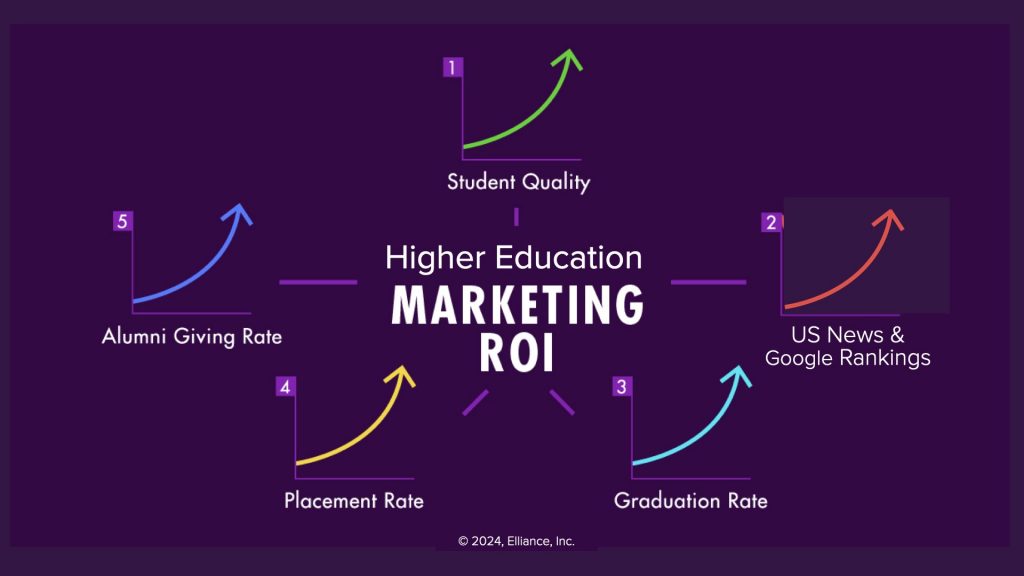
Benefits of Effective Content Marketing for Universities
The benefits of strategic content marketing extend across multiple dimensions for universities:
- Enhanced Recruitment: Content that resonates with prospective students can significantly boost enrollment numbers.
- Brand Awareness: Tailored content increases visibility and positions the university as a thought leader within the education sector.
- Improved Student Engagement: Interactive and informative content keeps current students engaged and fosters a stronger campus community.
- Increased Alumni Relations: Showcasing alumni achievements through highlight pieces can strengthen ties and encourage ongoing support.
In essence, content marketing is not just a tool; it’s an essential strategy for higher education institutions aiming to thrive in a competitive landscape. By effectively harnessing the power of storytelling and engagement, universities can create meaningful connections that last well beyond graduation.
Identifying Target Audience and Goals
Defining the Target Audience in Higher Education
Having insightful content marketing strategies is essential, but understanding your audience is even more crucial. In higher education, the target audience often spans multiple demographics, including:
- Prospective Students: High school seniors and transfer students seeking degree programs.
- Current Students: Undergraduates and graduates looking for resources and engagement opportunities.
- Alumni: Former students who can serve as brand ambassadors and potential donors.
- Parents: Influencers in the decision-making process, particularly for younger students.
For instance, a university may conduct surveys or focus groups with current students to better understand their interests and preferences. This feedback can shape content that directly meets their needs, like blogs about internship opportunities or workshops on career readiness.
Setting Clear Goals for Content Marketing Campaigns
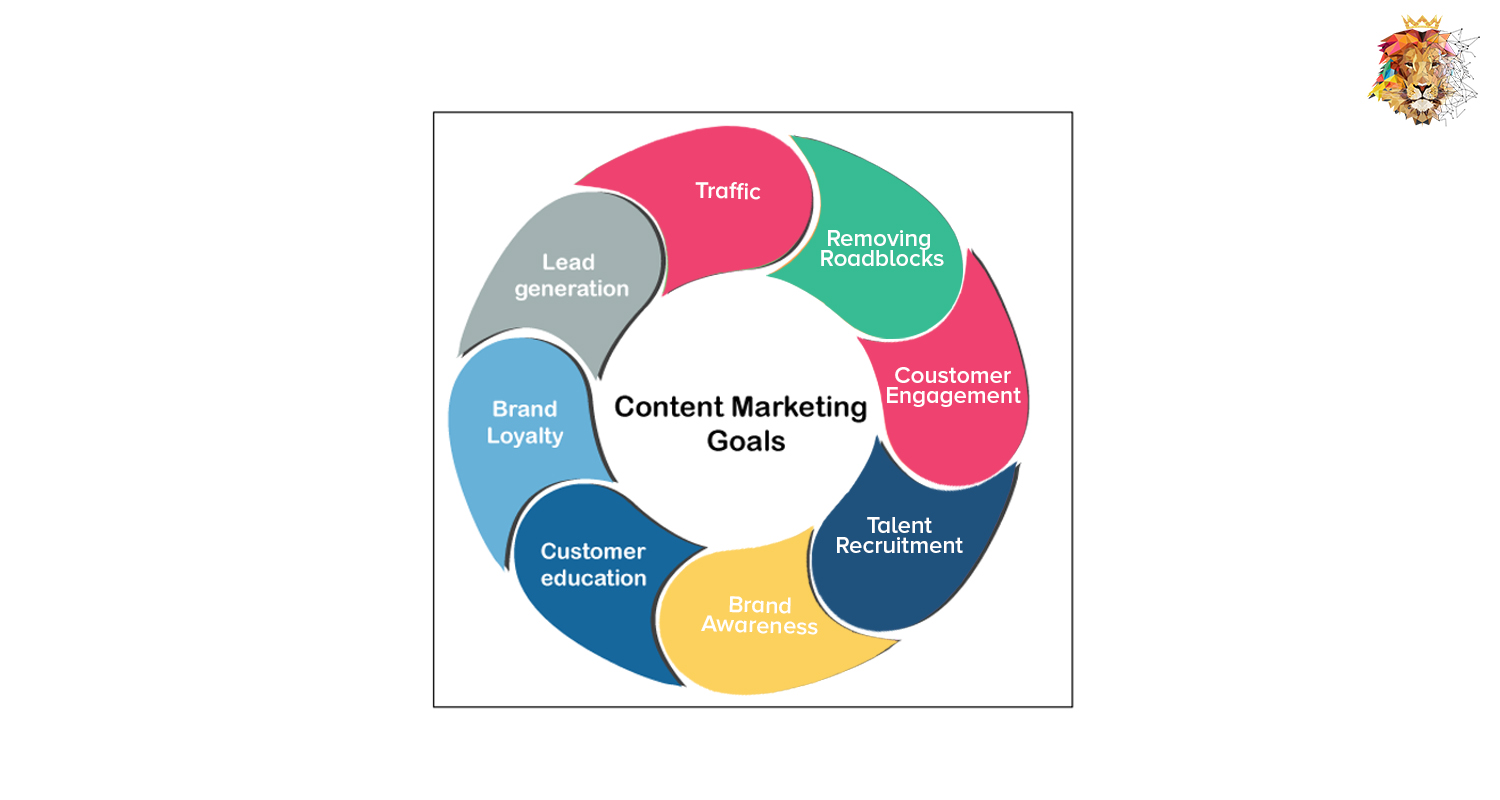
Once the target audience is identified, establishing clear and measurable goals is essential for a successful content marketing campaign. Here are some effective goals to consider:
- Increase Website Traffic: Aim for a specific percentage growth in visits to the university’s website.
- Boost Application Numbers: Set a target for the number of completed applications received in a given cycle.
- Enhance Engagement: Focus on increasing social media interaction, such as likes, shares, and comments.
By aligning content marketing efforts with these precise goals, institutions can effectively gauge their success and adapt strategies as necessary, ensuring continuous growth and engagement within their targeted audience.
Creating Compelling Content for Higher Ed
Types of Content That Engage University Audiences
Once universities identify their audience and set clear goals, the next step is developing content that resonates and engages. Different types of content can create meaningful connections with diverse university audiences:
- Blog Posts: Written pieces that share insights about campus life, academic programs, or industry trends keep current and prospective students informed.
- Podcasts: Discussing topics relevant to students—like study tips or career insights—can foster a sense of community and personal connection.
- Webinars and Virtual Tours: Offering real-time interaction and showcasing campus facilities virtually can excite potential students about their future campus life.
- Newsletters: Regular updates can keep alumni informed and engaged with university activities and achievements.
For example, a university might create a series of blog posts featuring student testimonials about their internships, providing a personal touch that prospective students can relate to.
Incorporating Visuals and Multimedia in Educational Content
Beyond just text, visuals and multimedia play a vital role in crafting compelling content. Here’s how universities can effectively integrate these elements:
- Infographics: Presenting statistics or processes visually makes information more digestible and shareable.
- Videos: Short clips highlighting campus events, faculty interviews, or student experiences can be more engaging than text alone.
- Social Media Stories: Utilizing platforms like Instagram or TikTok allows institutions to share behind-the-scenes glimpses of campus life, making connections with younger audiences.
By combining various content types with visual elements, universities can create an engaging and diverse marketing strategy that captivates their target audience effectively.

Leveraging SEO for Higher Ed Content
Understanding SEO Basics for Universities
As universities strive to enhance their online presence, understanding the fundamentals of Search Engine Optimization (SEO) becomes essential. SEO is the process of optimizing content so that search engines can easily find and rank it. For universities, this means being visible to prospective students, parents, and other stakeholders looking for educational opportunities.
Basic SEO principles include:
- Keyword Research: Identifying relevant terms that potential students are searching for, such as “best engineering programs” or “financial aid for graduate students.”
- On-Page SEO: This involves incorporating those keywords into page titles, headings, and body text to help search engines understand the content’s focus.
- Backlinks: Garnering links from reputable sources can boost a university’s credibility in the eyes of search engines.
A personal anecdote: when a university blog focused on a trending topic—like the impact of technology in education—it significantly increased traffic as many prospective students searched for insights related to that keyword.
Optimizing Content for Search Engines in the Education Sector
Once universities grasp the basics of SEO, the next step is optimizing their content effectively. Here are strategies tailored for higher education:
- Create High-Quality Content: Engaging, informative content not only ranks better but also keeps visitors on the page longer.
- Use Descriptive URLs: URLs should reflect the content, making it easier for search engines and users to understand what the page is about.
- Mobile Optimization: With most searches happening on mobile devices, ensuring content is mobile-friendly is crucial.
By implementing these SEO strategies, universities can enhance their visibility online, attract more prospective students, and ultimately achieve their recruitment goals. This ensures that the valuable resources and insights they offer are easily accessible to those who need them most.

Utilizing Social Media for Higher Ed Marketing
Social Media Strategies for Universities
After establishing a strong SEO foundation, universities can further amplify their reach by leveraging the power of social media. With platforms like Facebook, Instagram, and Twitter, universities have a unique opportunity to connect with diverse audiences directly.
To effectively use social media, universities should consider these strategies:
- Content Diversification: Mix up posts with photos, videos, live sessions, and polls to keep followers engaged. For example, a university could share behind-the-scenes snapshots of campus life or conduct Q&A sessions with faculty.
- Consistent Branding: Maintain a uniform voice and visuals across all platforms to enhance brand recognition.
- Use of Hashtags: Employ relevant hashtags to improve post visibility, such as #CollegeLife or #FutureLeaders, making it easier for users to discover content.
A personal experience: One university ran a campaign showcasing “Student Spotlight” stories, sharing videos and quotes from current students. This approach not only increased engagement but also made prospective students feel a sense of belonging.
Engaging with Students and Alumni on Social Platforms
Engagement is key to social media success. Universities should actively interact with students and alumni to foster a sense of community.
- Respond Promptly: Acknowledge comments and messages quickly to show that the university values feedback and communication.
- Create Alumni Networks: Establish groups or pages dedicated to alumni, encouraging them to share experiences and opportunities.
- Host Digital Events: Organize webinars or virtual get-togethers that allow students and alumni to connect and share insights, building stronger relationships.
By implementing these strategies, universities can create meaningful connections on social media that not only attract new students but also nurture ties with alumni, enhancing overall community involvement. This engagement ultimately fosters a vibrant university culture that students are eager to be part of.
Measuring Success: Analytics and Metrics
Key Performance Indicators for Higher Ed Content Marketing
As universities implement targeted content marketing strategies, it’s essential to measure success through analytics and metrics. Key Performance Indicators (KPIs) can provide valuable insights into how well marketing campaigns are performing.
Consider tracking metrics such as:
- Website Traffic: Monitoring the number of visitors to your site can indicate the effectiveness of content in attracting new audiences.
- Engagement Rates: Look at likes, shares, and comments on social media posts to assess how well content resonates with your audience.
- Lead Generation: Tracking inquiries and applications generated from content can help gauge interest levels among prospective students.
For example, one university analyzed their blog traffic and discovered that posts featuring student success stories significantly increased visitor engagement. This led to a focused strategy on creating more such content tailored to their audience’s interests.
Evaluating ROI and Effectiveness of Marketing Efforts
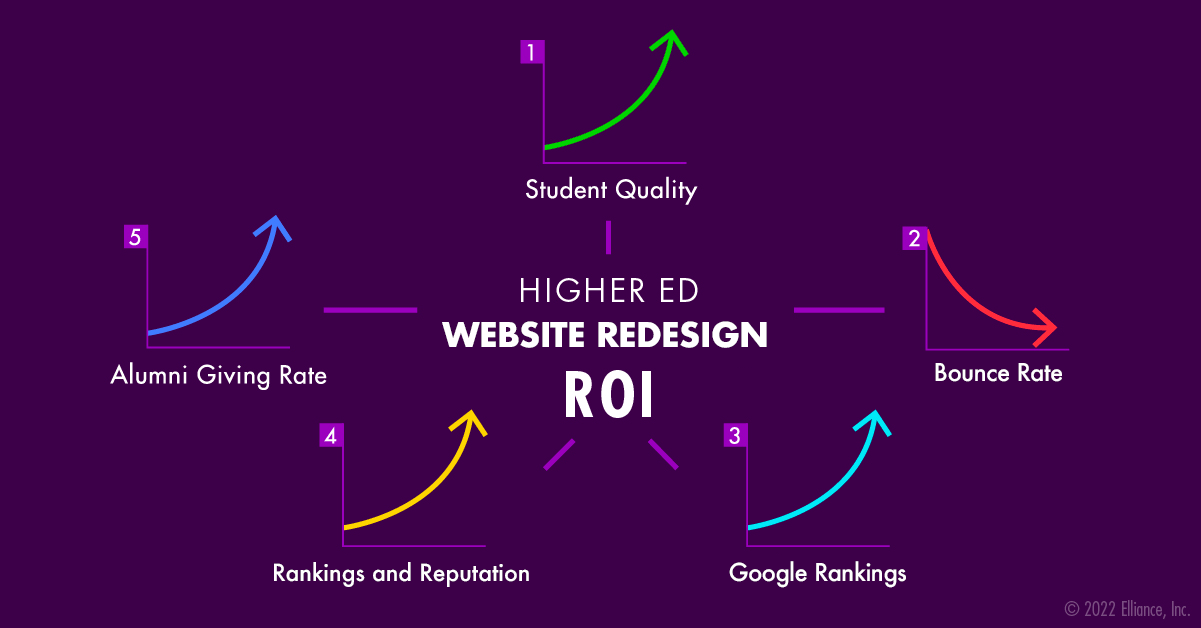
Beyond KPIs, measuring the Return on Investment (ROI) of marketing efforts is crucial for understanding their overall effectiveness. Evaluating ROI involves comparing the cost of marketing initiatives to the benefits gained. Here are steps to consider:
- Calculate Total Costs: Include content creation, promotion, and platform management expenses.
- Measure Outcomes: Look at increased enrollments, donations, or engagement as direct returns from marketing efforts.
- Adjust Strategies: Use findings to refine content strategies based on what yields the best results.
By establishing clear KPIs and evaluating ROI, universities can ensure their content marketing is not only effective but also aligns with their broader goals. This continual assessment helps institutions allocate resources wisely and fosters enduring connections with students and alumni alike.

Building Partnerships and Collaborations
Strengthening Relationships with Industry Partners
As universities focus on effective content marketing strategies, building robust partnerships with industry partners can significantly enhance their offerings and credibility. Collaborating with businesses and organizations not only provides students with real-world exposure but also elevates the university’s profile in specific sectors.
Consider these methods to strengthen relationships with industry partners:
- Internship Opportunities: Establish joint programs that allow students to gain practical experience. For instance, a university might collaborate with a tech company to create internship positions for computer science students, providing valuable hands-on experience.
- Guest Speakers and Workshops: Invite industry leaders to engage with students through lectures or workshops, offering insights into their fields while promoting the university’s commitment to career readiness.
- Research Collaborations: Partner with companies on research projects that align with the university’s academic strengths, fostering innovation and contributing to industry advancements.
A personal anecdote: One university partnered with local businesses to host a career fair, dramatically increasing student engagement and satisfaction as students connected with potential employers.
Collaborating with Influencers and Thought Leaders in Education
In addition to industry partners, collaborating with influencers and thought leaders in education can help universities enhance their reputation and reach. These experts can amplify the institution’s messaging through their established platforms and connections.
To achieve this, universities should:
- Identify Relevant Influencers: Research educators, authors, or thought leaders within your niche—those whose values align with your institution’s mission.
- Engage in Co-Creation: Work with influencers to create valuable content like podcasts or articles, sharing insights and best practices with a broader audience.
- Leverage Social Media Reach: Utilize influencers’ platforms to promote university events or initiatives, tapping into their follower base to increase visibility.
By building strategic relationships with both industry partners and influencers, universities can create a dynamic network that not only enhances their content marketing but also enriches the overall educational experience for students and alumni alike.

Staying Updated: Trends in Higher Ed Content Marketing
Emerging Trends and Innovations in Educational Marketing
As the landscape of higher education continues to evolve, so do the content marketing strategies that universities employ. Emerging trends reveal innovative ways to capture the attention of prospective students and engage current ones.
Some notable trends include:
- Personalized Content: Tailoring marketing messages based on user behavior and preferences can profoundly impact engagement. For example, universities can use data analytics to send customized program recommendations to potential students based on their previous searches or interests.
- Video Content: Engaging video content, including student testimonials, live campus tours, and educational webinars, is increasingly popular. A university that implemented virtual open houses saw a dramatic rise in applications, showcasing the power of visual storytelling.
- Sustainability Messaging: With growing environmental awareness, universities highlighting sustainability initiatives resonate well with prospective students. Promoting eco-friendly programs and campus practices can enhance a university’s appeal.
Adapting Strategies to Changing Dynamics in Higher Education
Keeping pace with evolving educational dynamics is crucial for universities. Here’s how they can adapt their content marketing strategies:
- Embrace Technology: Leveraging marketing automation tools can streamline processes and enhance efficiency when managing campaigns.
- Social Media Evolution: As new platforms gain popularity, universities must be flexible in their approach. Experimenting with emerging platforms like TikTok, for instance, can broaden outreach to younger demographics.
- Focus on Accessibility: Ensuring that content is accessible to all students, including those with disabilities, is essential. This can involve providing alt text for images and ensuring that videos have captions.
By staying informed about these emerging trends and being adaptable to changes, universities can effectively enhance their content marketing strategies, ensuring they meet the needs of both current and prospective students in a rapidly changing environment.
Case Studies: Successful Higher Ed Content Marketing Campaigns
Examining Real-World Examples of Effective Marketing in Universities
To understand the impact of well-executed content marketing strategies, it’s insightful to look at real-world examples from universities that have successfully connected with their audiences. One standout case is the University of California, Irvine (UCI), which launched its “#UCI2025” campaign aimed at engaging prospective students through social media.
- Engaging Visuals: UCI utilized vibrant graphics, videos, and student-generated content to highlight campus life and academic excellence.
- Interactive Content: The campaign invited participants to share their stories and hopes for their university experience, fostering a sense of community.
- Results: This effort resulted in a significant uptick in applications, with many first-year students mentioning the campaign as a deciding factor in their choice.
Another great example is New York University (NYU), which embraced storytelling in its “Humans of NYU” project, showcasing diverse student experiences through blog posts and social media.
Lessons Learned from Notable Content Marketing Success Stories
From these successful campaigns, several key lessons emerge:
- Authenticity Matters: Genuine stories resonate deeply with audiences, fostering connection and engagement.
- Harnessing Student Voices: Involving students in content creation not only empowers them but also promotes authentic perspectives that prospective students relate to.
- Multi-Channel Approach: Utilizing a mix of platforms ensures wider reach and reinforces messaging.
These case studies illustrate that effective content marketing in higher education hinges on authentic storytelling, student involvement, and strategic channel utilization. By taking cues from these success stories, universities can refine their own marketing strategies to attract and engage their target audiences more effectively.