

Introduction
Overview of Pittsburgh’s Content Marketing Revolution
Pittsburgh has recently emerged as a bustling hub for content marketing, showcasing the power of businesses harnessing digital storytelling. This evolution can be traced back to local companies recognizing that connecting with their audience is more critical than ever.
Take, for example, a local brewery that has innovatively utilized social media to showcase their brewing process, not just their products. By sharing relatable behind-the-scenes stories and engaging videos, they have fostered a loyal community that extends beyond the taps. This is just one instance of how Pittsburgh’s content marketing revolution is redefining how brands communicate.
Why It’s Important to Stay Informed
In this rapidly changing environment, staying informed is essential for both businesses and individuals. Understanding the latest trends and tools can help companies sharpen their competitive edge. Moreover, staying updated presents opportunities to:
- Adapt to new technologies: Embracing new platforms and tools can enhance outreach efforts.
- Understand audience preferences: Knowing what resonates with audiences can guide content creation.
- Leverage data analytics: Measuring content effectiveness allows for data-driven decisions.
By remaining engaged with these developments, Pittsburgh’s businesses can not only survive but thrive, shaping their futures amid the exciting content marketing landscape.

Understanding Content Marketing
Definition and Basics of Content Marketing
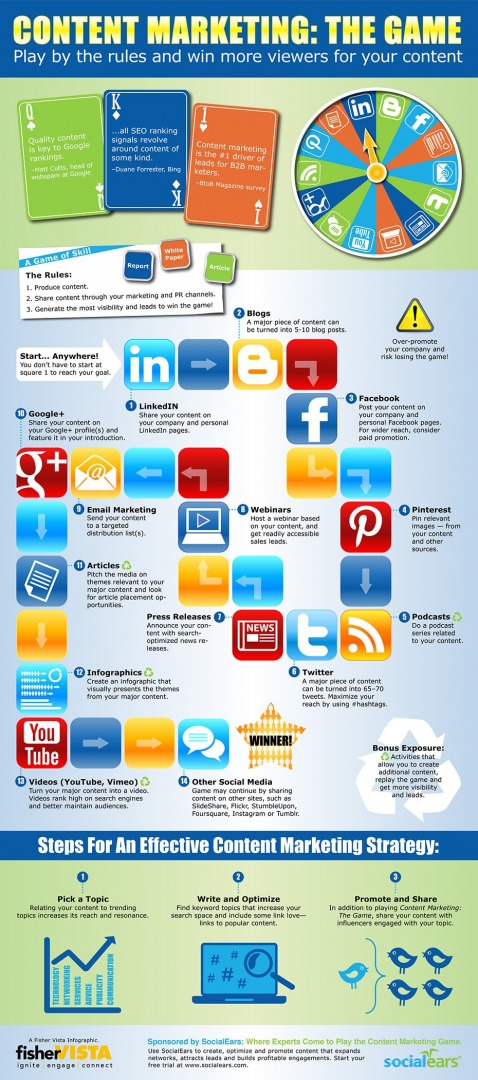
Content marketing is more than just a buzzword; it’s a strategic approach aimed at attracting and engaging specific audiences through valuable content. Think of it as sharing stories that resonate, educate, or entertain—ultimately guiding customers along their buying journey. This strategy often includes:
- Blog posts and articles
- Videos and podcasts
- Infographics and social media posts
For instance, a local nonprofit in Pittsburgh uses storytelling through blog posts to illustrate the impact of donations, effectively drawing in support and fostering community engagement.
Evolution of Content Marketing in Pittsburgh
Over recent years, Pittsburgh has witnessed a significant shift in how businesses implement content marketing. Earlier, the focus was primarily on traditional advertising methods. However, local companies began recognizing the potential of engaging content to build relationships rather than just push products.
Today, many Pittsburgh organizations adopt an integrated approach by combining:
- Social media engagement: Encouraging conversations and interaction.
- Email campaigns: Sharing tailored content directly with subscribers.
- Community events: Utilizing content marketing strategies during outreach initiatives.
This evolution not only helps brands establish deeper connections with their audiences but also drives measurable results, confirming that a well-executed content strategy is essential for thriving in today’s competitive landscape.

Benefits of Content Marketing in Pittsburgh
Increased Brand Visibility and Recognition
One of the standout benefits of content marketing in Pittsburgh is the significant boost in brand visibility and recognition. By consistently delivering valuable content tailored to their audience, businesses can establish themselves as thought leaders in their industries.
For example, a local tech startup regularly publishes insightful articles on cybersecurity trends, attracting attention from not just potential clients but also media outlets and industry influencers. This kind of exposure translates to:
- Higher search engine rankings: Quality content helps improve SEO, making it easier for potential customers to find the brand online.
- Broader audience reach: Engaging content encourages shares on social media, expanding the brand’s reach through organic word-of-mouth.
Enhanced Audience Engagement
Content marketing also plays a crucial role in enhancing audience engagement. By providing useful and relatable content, brands can initiate conversations and build relationships with their customers.
Consider a local fitness studio that shares workout tips, success stories, and nutrition advice through various formats such as videos and blogs. This approach not only keeps their current members engaged but also attracts new clients who resonate with their mission.
Key elements of enhanced audience engagement include:
- Two-way communication: Encouraging comments and discussions allows customers to feel valued and heard.
- Trust building: Delivering consistent, reliable information fosters trust, making customers more likely to choose your brand over competitors.
Overall, the combination of increased visibility and deeper audience engagement positions Pittsburgh businesses for long-term success in a competitive market.

Implementing a Successful Content Marketing Strategy
Identifying Target Audience and Goals
Implementing an effective content marketing strategy begins with identifying your target audience and defining clear goals. Understanding who you’re trying to reach allows for more tailored content that resonates with potential customers.
For instance, a local coffee shop aiming to attract college students might focus on topics like budget-friendly recipes or study tips featuring their products. To identify your target audience, consider:
- Demographics: Age, gender, location, and income level.
- Interests and behaviors: What are their hobbies, pain points, and buying habits?
- Content preferences: Do they prefer videos, blogs, or social media posts?
Once you clarify your audience, set measurable goals. These could include increasing website traffic, generating leads, or boosting social media engagement.
Creating High-Quality and Relevant Content
With a well-defined audience and goals, the next step is to create high-quality and relevant content. Content should not only address your audience’s interests but also reflect your brand’s voice and values.
A fantastic example is a Pittsburgh-based garden center that offers seasonal gardening tips through engaging blogs, how-to videos, and interactive social media posts. Their content is not only informative but also inspires customers to engage with their products.
To ensure your content stands out, focus on:
- Value: Provide actionable insights or solutions.
- Originality: Bring a unique perspective to topics within your niche.
- Consistency: Maintain a regular posting schedule to build anticipation among your audience.
By focusing on identifying the right audience and producing relevant, quality content, businesses in Pittsburgh can greatly enhance their content marketing success.

Utilizing Tools and Technologies for Content Marketing
Content Management Systems (CMS)
To streamline content marketing efforts, leveraging a robust Content Management System (CMS) is essential. A CMS allows businesses to create, manage, and publish content easily, making the process more efficient and organized.
For example, a local Pittsburgh fashion boutique can engage customers by utilizing platforms like WordPress or Shopify to showcase new arrivals through blog posts and engaging visuals. The benefits of using a CMS include:
- User-friendly interface: No technical background needed to update content.
- Built-in SEO features: Helps optimize content for search engines, increasing visibility.
- Customizable templates: Allows for a unique brand presentation without extensive design knowledge.
By selecting the right CMS, businesses can enhance their content creation and distribution strategies significantly.
Analytics and Tracking Tools
However, creating great content is just part of the equation. To understand its effectiveness, businesses in Pittsburgh must utilize analytics and tracking tools. These tools provide valuable insights into audience behavior, helping companies adjust their strategies based on real-time data.
Popular tools such as Google Analytics and social media insights enable businesses to:
- Monitor performance metrics: Track page views, bounce rates, and engagement levels.
- Identify audience demographics: Understand who is interacting with your content.
- Measure conversion rates: See how content is driving potential customers to take action.
For instance, a local restaurant analyzing its blog traffic could discover that posts about seasonal menus garner higher engagement, prompting them to focus on similar themes in the future.
By combining a solid CMS with effective analytics tools, Pittsburgh businesses can create, track, and refine their content marketing strategies effectively, driving continued success.
Measuring the Success of Your Content Marketing Efforts
Key Performance Indicators (KPIs) for Content Marketing
Once you’ve invested time, effort, and resources into creating content, measuring its success is essential. Key Performance Indicators (KPIs) serve as benchmarks that help businesses assess the effectiveness of their content marketing initiatives.
For a Pittsburgh-based brewery, measuring KPIs might include:
- Website traffic: The number of visitors to their content pages reflects interest.
- Engagement metrics: Likes, shares, and comments on social media highlight interaction.
- Leads generated: A count of sign-ups or inquiries resulting from content efforts.
By tracking these KPIs, brands can recognize which strategies resonate best with their audience, allowing them to refine their approaches moving forward.
Understanding and Analyzing Metrics
However, tracking KPIs is only part of the equation—understanding and analyzing these metrics is equally important. For instance, if a Pittsburgh café notices an uptick in traffic from blog posts about coffee brewing techniques, they may choose to expand that series to capture even more interest.
Some useful methods to analyze metrics include:
- Regular reporting: Create monthly reports to observe trends over time.
- Comparing historical data: Assess what worked in the past to inform future strategies.
- A/B testing: Experiment with different content formats or topics to see which receives better engagement.
By thoroughly understanding and analyzing metrics, businesses can gauge the impact of their content marketing efforts and make informed decisions that lead to greater success in the dynamic landscape of Pittsburgh’s market.

Case Studies of Successful Content Marketing Campaigns in Pittsburgh
Examples of Companies Leveraging Content Marketing Effectively
Several Pittsburgh-based companies have harnessed the power of content marketing to achieve remarkable results. One standout example is a local organic farm that adopted a storytelling approach through a blog series titled “From Farm to Table.” They regularly share stories about their sustainable farming practices, seasonal produce, and even profiles of their dedicated staff.
This approach not only educates their customers but also builds a community around shared values. Other notable examples include:
- Tech Company: A software startup that creates insightful whitepapers and case studies, positioning themselves as industry experts and attracting clients.
- Restaurants: Numerous eateries that cultivate their brand by sharing recipes, cooking tips, and food photography on social media platforms, driving engagement and foot traffic.
Impact of Content Marketing on Business Growth
The impact of these content marketing strategies on business growth can be substantial. The organic farm reported a notable increase in customer subscriptions after launching their blog, demonstrating that transparent storytelling resonates with consumers.
Key outcomes from effective content marketing include:
- Improved customer loyalty: Engaging content leads to a trusted brand image, resulting in repeat customers.
- Increased sales: Educated consumers are more likely to purchase products they feel connected to.
- Broader brand reach: Quality content often encourages shares and referrals, expanding a brand’s audience.
By employing effective content marketing strategies, businesses in Pittsburgh are not only enhancing their visibility but also driving meaningful growth. These case studies serve as inspiring examples of what’s possible when companies leverage storytelling and engagement effectively.

Challenges and Obstacles in Content Marketing
Common Pitfalls to Avoid
While content marketing presents many opportunities, it is not without its challenges. Businesses in Pittsburgh must be aware of common pitfalls that can derail their efforts. One major pitfall is inconsistent posting. For example, a local fitness studio may start strong with a weekly blog but gradually fall behind, leading to disengagement from their audience. Other pitfalls include:
- Undefined goals: Without clear objectives, it’s challenging to measure success.
- Ignoring audience needs: Focusing solely on promotional content rather than solving customer pain points can alienate potential customers.
- Neglecting SEO: Failing to optimize content for search engines can limit visibility and reach.
Strategies to Overcome Content Marketing Challenges
Fortunately, there are effective strategies to overcome these challenges. Firstly, developing a content calendar can help maintain a consistent posting schedule, ensuring that the audience remains engaged. Secondly, defining SMART goals—Specific, Measurable, Achievable, Relevant, and Time-bound—provides clarity and focus.
To better understand audience needs, businesses can:
- Conduct surveys: Ask customers directly about the type of content they find valuable.
- Analyze engagement metrics: Use analytics tools to gauge what content performs best.
Lastly, investing in SEO practices, such as keyword research and linking strategies, will greatly enhance visibility. By proactively addressing these challenges, Pittsburgh businesses can navigate the evolving landscape of content marketing with confidence and success.

Future Trends in Content Marketing for Pittsburgh
Predictions and Innovations in Content Marketing
As Pittsburgh continues to build its reputation as a content marketing powerhouse, several trends are shaping the future landscape. One key prediction is an emphasis on personalized content. Companies that tailor their messaging to individual customers will likely see a boost in engagement and loyalty. For instance, a Pittsburgh-based chocolate shop could utilize customer data to send personalized recipe ideas based on previous purchases, creating meaningful connections.
Additionally, visual and interactive content is becoming increasingly important. Brands should consider integrating formats such as:
- Videos: Engaging storytelling through short clips can capture attention quickly.
- Interactive infographics: Allowing users to explore data in a dynamic way enhances understanding and retention.
The Role of AI and Automation in Content Creation
Artificial intelligence (AI) and automation are also set to revolutionize content marketing. These technologies can streamline the creation process, allowing businesses to focus on strategy and creativity. For example, AI can assist in generating content ideas or optimizing articles for SEO based on current trends.
Some specific roles of AI in content marketing include:
- Content generation: Tools that draft blogs or social media updates based on set parameters.
- Audience analysis: AI algorithms that analyze audience behavior to inform content strategies.
By embracing these advancements, Pittsburgh companies can more efficiently create relevant, high-quality content that resonates with their target audience, ensuring they stay ahead in the competitive marketplace. As the landscape evolves, keeping an eye on these trends will be critical for continued success.
Conclusion
Recap of the Importance of Content Marketing Revolution in Pittsburgh
As we reflect on the content marketing revolution unfolding in Pittsburgh, it’s clear that businesses have a tremendous opportunity to connect with their audiences like never before. From increased brand visibility to enhanced audience engagement, the strategic use of content marketing has allowed local companies to thrive in a competitive landscape.
The case studies we explored demonstrated that innovative storytelling and consumer-centric strategies not only resonate with customers but also drive meaningful growth. Local enterprises now recognize that content is not just marketing; it’s a way to build relationships, foster trust, and ultimately create communities around their brands.
Final Thoughts and Recommendations
Looking ahead, the momentum of content marketing shows no signs of slowing down. For Pittsburgh businesses seeking to amplify their efforts, here are a few recommendations:
- Stay adaptable: Embrace new trends and technologies as they emerge, ensuring your strategies remain relevant.
- Focus on quality: Prioritize high-quality, original content that aligns with your audience’s interests and needs.
- Analyze regularly: Continuously measure the effectiveness of your content, adjusting strategies based on data insights.
By following these guidelines and harnessing the full potential of content marketing, businesses in Pittsburgh can secure a competitive edge, solidify their brand presence, and foster lasting relationships with their audiences. It’s an exciting time for content marketing, and the opportunities for innovation and growth are limitless.