
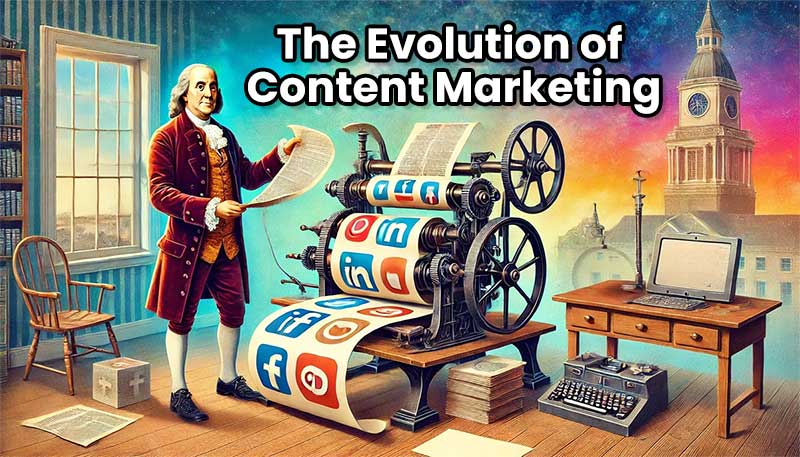
Evolution of Content Marketing
Historical Overview of Content Marketing
Content marketing has a rich history that dates back centuries. Long before the digital age, businesses understood the importance of storytelling. For example, in the 19th century, brands like John Deere published a magazine called “The Furrow,” which provided valuable farming tips while subtly promoting their products. This approach laid the groundwork for what we now identify as content marketing.
Fast forward to the late 20th century, and the landscape began to shift dramatically with the advent of the internet. Blogs emerged as a new medium for sharing knowledge, and businesses quickly caught on. Companies started using websites not just as a digital storefronts, but as platforms to engage directly with their audience.
Key milestones in the historical evolution include:
- The Launch of Blogs (1994): Pioneers like Justin Hall showcased personal experiences, creating a space for brands to share insights.
- SEO Optimization (early 2000s): Businesses began to optimize content for search engines, making content discoverable.
- Social Media Rise (mid-2000s): Platforms like Facebook and Twitter shifted how marketing was done, focusing on engaging audiences on a personal level.
Impact of Technology on Content Marketing Evolution
Technology has been a game-changer in the evolution of content marketing. The increase in online connectivity and smartphone usage led to a rise in content consumption like never before. It’s fascinating to think about how quickly tools like analytics, marketing automation, and social media scheduling have transformed strategies.
- Analytics: Brands can now measure engagement through various metrics, helping them tailor their content effectively.
- Automation Tools: Technologies like HubSpot and Mailchimp enable marketers to streamline their processes, making it easier to connect with audiences.
- Video Content: The popularity of platforms like YouTube and TikTok has dictated a shift towards more visual storytelling, allowing brands to captivate audiences with engaging formats.
As technology continues to evolve, so too will the strategies underpinning content marketing, making it an exciting space to watch.
Understanding Audience Behavior
Consumer Insights and Trends
Building on the evolution of content marketing, understanding audience behavior has become crucial for brands aiming to connect authentically with their customers. Today’s consumers are more empowered than ever, often researching products extensively before making a purchase. This shift in consumer behavior necessitates an in-depth analysis of insights and trends.
For instance, platforms like Google Analytics allow brands to track user interactions, which can highlight:
- Content Preferences: Knowing which types of content (videos, blogs, infographics) resonate most with your audience informs future strategy.
- Engagement Patterns: Analyzing when users engage most can guide timing for posts, optimizing interaction.
Retail giants often leverage this data to tailor their product offerings. For example, during the pandemic, many businesses noticed a significant spike in online shopping and adjusted their strategies accordingly.
Targeting Specific Demographics
With a clearer understanding of consumer insights, brands can hone in on specific demographics. Tailoring content to resonate with targeted groups enhances engagement and conversion rates. Whether it’s Gen Z, millennials, or baby boomers, each demographic has unique characteristics that influence their decision-making processes.
To effectively engage these groups, consider the following approaches:
- Segmentation: Divide your audience based on factors like age, gender, interests, and purchasing behavior. This allows for customized content that speaks directly to different audience segments.
- Persona Development: Create detailed buyer personas that encapsulate the traits and preferences of your ideal customer. This serves as a reference for future campaigns.
By focusing on these strategies, brands can foster stronger connections with their audiences, transforming casual viewers into loyal customers. Understanding audience behavior is no longer optional; it’s a necessity for success in today’s competitive marketplace.

Adaptation Strategies for Content Creation
Creating Engaging and Shareable Content
As brands delve deeper into understanding audience behavior, next comes the task of crafting content that not only engages but is also highly shareable. Creating content that resonates often boils down to a few key strategies that connect with readers on a personal level.
Consider the following tactics:
- Tell a Story: Personal anecdotes that evoke emotion can be highly effective. For instance, a travel brand might share a compelling story about a customer’s transformational hiking journey. This not only captures attention but encourages sharing among friends.
- Call to Action: Encourage your audience to engage further by incorporating clear calls to action in your content, whether it’s sharing, commenting, or trying out a product.
- User-Generated Content: Share testimonials or content created by your customers. This not only builds trust but also fosters community—following the latest trend of leveraging real stories from real people.
Incorporating Visual and Interactive Elements
To amplify the impact of your content, it’s essential to incorporate visual and interactive elements. In a world where attention spans are shorter, visuals can convey messages quickly and effectively.
- Infographics: Simplifying complex information with visuals can make data more digestible. For example, a health-focused website might use infographics to outline dietary tips.
- Videos and GIFs: Short, engaging videos or humorous GIFs can grab attention more effectively than static images. A brand that shares quick video tutorials often gains more interaction compared to traditional posts.
- Interactive Quizzes and Polls: Create opportunities for your audience to engage directly. For instance, a fashion retailer could design a “Which outfit is best for your personality?” quiz, linking back to product promotions.
By blending engaging narratives with visual and interactive elements, brands can elevate their content strategies, ensuring that they not only capture attention but also foster meaningful connections with their audiences.
Leveraging Data and Analytics
Importance of Metrics in Content Marketing
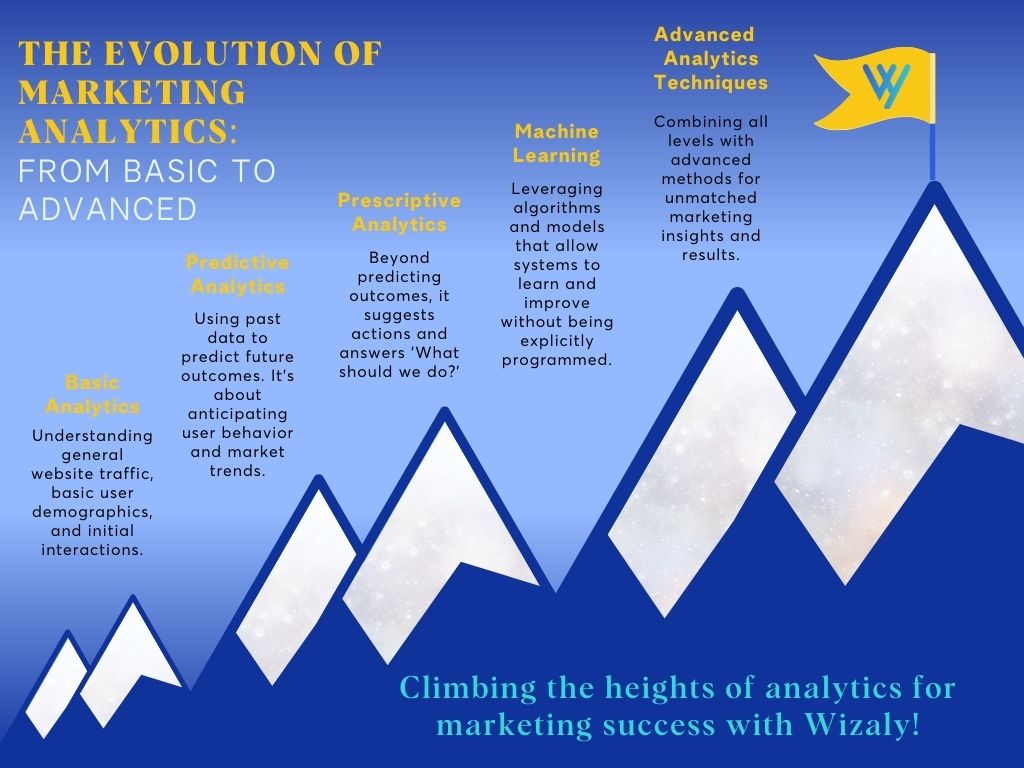
Transitioning from the strategies for content creation, we delve into how leveraging data and analytics can significantly shape the success of marketing efforts. Metrics are the heartbeat of content marketing; they provide invaluable insights into how audiences interact with content and what strategies resonate best.
Understanding key metrics is essential for several reasons:
- Tracking Engagement: By measuring likes, shares, comments, and dwell time, marketers can gauge which content captivates their audience and adjust their strategies accordingly.
- Identifying Trends: Regularly monitoring performance can reveal emerging trends, allowing brands to capitalize on what’s current and relevant in their industry.
- Evaluating ROI: Knowing how much traffic and engagement correlates to conversions helps justify content expenditures. For instance, a blog post that drives significant traffic yet results in low conversions might need reevaluation or optimization.
Analyzing Performance and Making Data-Driven Decisions
Once metrics are identified, the next step involves analyzing performance to make informed, data-driven decisions. This process transforms raw data into actionable insights that can enhance future campaigns.
Consider these analytical approaches:
- A/B Testing: Experiment with different headlines, visuals, or calls to action to see which versions perform better. A simple change can sometimes lead to significant increases in engagement and conversion rates.
- Customer Feedback: Conduct surveys or analyze comments on content. Gleaning insights directly from consumers can help refine messaging to better meet their needs.
- Regular Reporting: Create dashboard reports summarizing key performance indicators (KPIs). Regular reviews not only highlight successes but also spotlight areas for improvement.
For example, a brand that sells fitness products may track the performance of different blog posts about workout routines. If analytics reveal that posts focusing on home workouts are driving more traffic and higher engagement, the brand might prioritize creating more content in that niche.
By consistently leveraging data and analytics, brands can enhance their content strategies, ensuring that every piece serves not just a creative purpose but a practical, measurable outcome too.

Multi-Channel Distribution Approach
Utilizing Social Media Platforms
Transitioning from the importance of data in shaping content strategies, it’s time to explore how a multi-channel distribution approach can maximize visibility and engagement. Social media platforms serve as dynamic channels for content distribution, allowing brands to reach diverse audiences while fostering community interaction.
Effective use of social media includes:
- Platform Selection: Identify which platforms resonate best with your audience. For instance, Instagram is ideal for visual content, while LinkedIn suits professional and B2B communication.
- Tailored Content: Customize content to fit the platform. A witty tweet may perform well on Twitter, while a short video clip resonates better on TikTok.
- Engagement Strategies: Use polls, contests, and interactive stories to encourage audience participation. A personal anecdote from a small business owner illustrates this: they launched a photo contest on Instagram, garnering substantial engagement and boosting their follower count dramatically.
When brands engage authentically across social media, they increase not only visibility but also trust and loyalty.
Exploring Email Marketing and SEO Strategies
Equally important in a multi-channel approach is leveraging email marketing and SEO strategies for content distribution. Incorporating these tactics helps ensure content reaches the right audience effectively.
- Email Marketing: Email campaigns allow for direct communication with a brand’s audience. Creating well-segmented lists ensures that subscribers receive relevant content. For example, a local bookstore could send personalized recommendations based on past purchases, leading to higher open and click-through rates.
- Search Engine Optimization (SEO): Crafting SEO-optimized content ensures that it ranks higher in search results. Keywords, meta descriptions, and backlinks are vital to improving discoverability. A blog post that ranks high can be shared across channels, driving organic traffic over time.
Combining these strategies, brands create a robust distribution network that amplifies reach and enhances content effectiveness. By utilizing social media alongside email marketing and SEO, brands can connect more deeply with their audiences, creating a well-rounded and impactful content presence.

Building Brand Authority and Trust
Establishing Thought Leadership
As brands embrace a multi-channel distribution approach, the next crucial step is building authority and trust with their audience. Establishing thought leadership is an effective way to position a brand as an industry expert, cultivating confidence among consumers.
Here are key strategies for this:
- Share Knowledge: Crafting in-depth articles, whitepapers, or webinars demonstrates expertise. A personal experience from a marketing consultant highlights this: after hosting a webinar on digital marketing trends, not only did they gain new clients, but they also became a go-to resource for reliable information in the industry.
- Engage in Industry Conversations: Participating in relevant forums, LinkedIn discussions, or conferences showcases your presence in the field. By sharing insights and answering questions, brands can gain respect and visibility.
- Collaborate with Influencers: Partnering with recognized influencers in your industry lends credibility and extends reach. For example, a health food brand collaborating with a nutritionist can enhance its reputation, further solidifying its authority.
Engaging with Authentic and Transparent Content
Alongside establishing thought leadership, authenticity and transparency are vital in fostering trust. Modern consumers value brands that are genuine and honest in their communications.
To promote authenticity:
- Share Behind-the-Scenes Content: Offering a glimpse into company culture or production processes humanizes the brand. For instance, a coffee company might showcase its sourcing process and the farmers it supports, fostering a deeper connection with customers.
- Open Dialogue: Encourage feedback and engage with customer comments or questions sincerely. Responding to both praise and criticism openly builds goodwill and showcases a commitment to improvement.
- Admit Mistakes: In an era where errors are inevitable, owning up can transform a negative situation into a growth opportunity. A tech company that openly addressed software glitches and outlined steps taken to resolve them effectively can rebuild trust with its users.
By establishing thought leadership and engaging with authentic content, brands create a strong foundation of trust and authority. This not only attracts more customers but also fosters long-lasting relationships that lead to business loyalty and success.
The Future of Content Marketing
Emerging Trends and Technologies
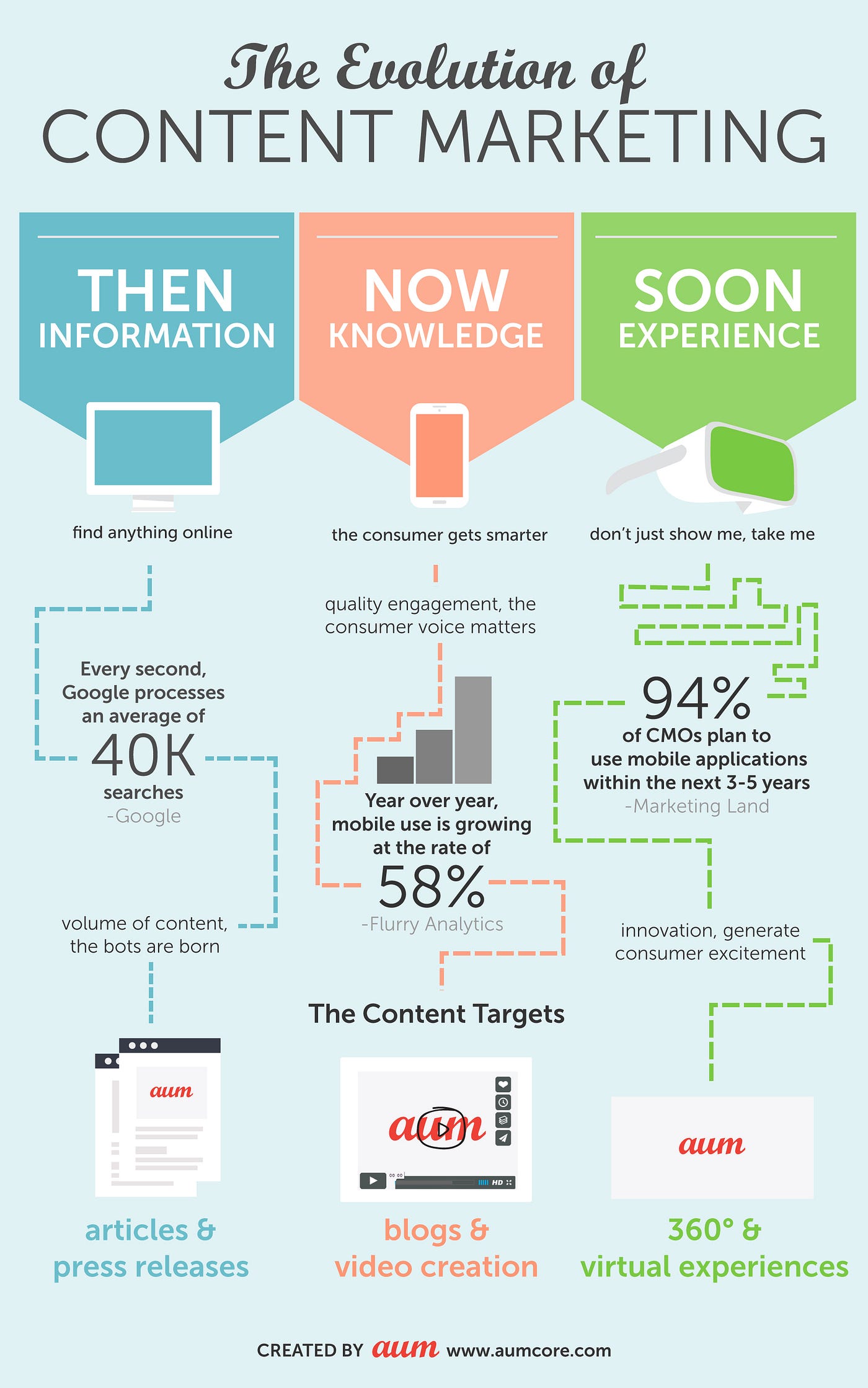
As we look toward the future of content marketing, it’s essential to stay abreast of emerging trends and technologies that will shape the landscape. The digital realm is ever-evolving, and those who adapt stand to gain a significant edge.
Here are some trends to watch:
- Artificial Intelligence (AI): AI is transforming content creation, from chatbots that enhance customer service to tools that optimize content for SEO. For instance, many companies now utilize AI to analyze data and generate personalized content, improving user engagement.
- Video Content Dominance: With platforms like TikTok and Instagram Reels gaining traction, short, engaging videos are becoming a staple. Brands that explore creative video storytelling can capture attention rapidly. A personal anecdote from a marketing professional highlights this: when their brand shifted focus to video content, engagement metrics soared, driving significant traffic.
- Voice Search Optimization: As more consumers use voice-activated devices, optimizing content for voice search is becoming crucial. Adapting keywords and content to reflect natural speech patterns can enhance visibility in search engines.
Sustainability and Long-Term Strategies
Alongside technological advancements, sustainability is a crucial consideration for the future of content marketing. Consumers are increasingly demanding that brands prioritize ethical practices and transparency.
To build sustainable strategies:
- Focus on Meaningful Content: Rather than spamming audiences with volume, prioritize high-quality, meaningful content that resonates. Brands are seen as more trustworthy when they focus on delivering value over sheer quantity.
- Long-Lasting Relationships: Foster relationships with customers through ongoing dialogue and personalized experiences. Engaging with audiences post-purchase can lead to loyalty and advocacy.
- Environmental Responsibility: Showcase sustainable practices in your content. For example, a fashion brand that highlights eco-friendly production processes can attract conscientious consumers and bolster its brand image.
By embracing emerging trends and prioritizing sustainability, brands can not only navigate the future of content marketing effectively but also forge strong connections with their audiences, leading to long-term success. The dynamic nature of this space offers ample opportunities for those willing to innovate and adapt.
Conclusion and Key Takeaways
Recap of Evolutionary Journey in Content Marketing
As we conclude our exploration of content marketing, it’s important to reflect on the evolutionary journey that has brought us to where we are today. From its humble beginnings as simple storytelling, content marketing has transformed into a multifaceted approach that resonates deeply with consumers.
- A Historical Perspective: We’ve seen how brands like John Deere laid the foundation for modern content marketing by providing valuable insights long before the digital age.
- Technological Advances: The rise of the internet and social media has reshaped how content is created and distributed, offering marketers powerful tools for engagement.
- Audience Understanding: Insights into consumer behavior have led to more personalized and targeted content, strengthening connections with audiences and fostering trust.
This journey highlights the necessity of adaptability in an ever-changing landscape.
Key Strategies for Navigating the Future
Looking ahead, successful content marketing will rely on several key strategies:
- Embrace New Technologies: Stay ahead by adopting AI, video content, and voice search optimization to meet evolving consumer expectations.
- Prioritize Authenticity: Brands should focus on engaging authentically with their audiences through transparent communication and genuine storytelling.
- Sustainability Focus: As consumers become more eco-conscious, brands must integrate sustainability into their practices and content strategies, showcasing their commitment to ethical standards.
A personal anecdote illustrates this point: one company that pivoted towards sustainable practices found that it not only attracted a loyal customer base but also inspired its community to engage in eco-friendly initiatives.
By understanding the evolutionary path of content marketing and implementing these key strategies, brands can successfully navigate the future—building trust, enhancing engagement, and achieving long-lasting success. The journey continues, and the possibilities for innovation are limitless!