

Introduction
Evolution of Content Marketing
Content marketing has transformed dramatically over the past two decades. Initially, businesses relied heavily on traditional advertising methods, using print and television to convey their messages. However, as the internet evolved, so did the strategies for reaching audiences. In the early 2000s, blogs began to rise in popularity, marking a significant shift towards informative and engaging content. Companies recognized that by providing valuable information rather than just promoting products, they could attract and retain customers more effectively.
Fast forward to today, the landscape has evolved even further. Brands now leverage multiple channels, such as social media, podcasts, and interactive content, to engage with their audiences. This change signifies a broader understanding of consumer behavior. The audience now seeks genuine connections through storytelling and authentic engagements instead of a hard-sell approach.
Impact on Brand Engagement
The shift towards content marketing has profoundly impacted brand engagement. Businesses that adapt to this new reality have seen tremendous benefits:
- Enhanced Trust: By providing useful content, brands can build credibility and trust with their audience.
- Higher Engagement Rates: Interactive content like quizzes, polls, or videos can lead to significantly higher engagement compared to traditional methods.
- Stronger Brand Loyalty: When customers feel understood and valued, they’re more likely to become repeat customers.
For instance, consider a company that offers outdoor gear. By creating engaging articles on hiking tips, product reviews, and user experiences, they can cultivate a loyal community of enthusiasts who not only buy their products but also promote their brand organically. Overall, the evolution of content marketing has reshaped how brands interact with consumers, moving from one-way promotions to dynamic, two-way conversations that foster lasting relationships.

The Power of Storytelling
Crafting Compelling Narratives
As we dive deeper into the realm of content marketing, one powerful tool emerges more prominently than others: storytelling. Crafting compelling narratives allows brands to transcend traditional marketing barriers, connecting with consumers on a much deeper level. A well-told story doesn’t just sell a product; it invites customers into a brand’s universe, making them a part of the journey.
Consider the classic tale of a small family-owned bakery that shares stories behind each of its signature recipes. By highlighting the grandmother’s wisdom or the local ingredients they source, they transform a simple cake into a narrative filled with heritage and love. When crafting these narratives, brands should focus on several elements:
- Relatability: Use experiences that resonate with the audience’s realities and emotions.
- Conflict and Resolution: Every memorable story has a challenge that is overcome, creating a dynamic experience.
- Visual Imagery: Paint a picture with words, making the audience feel like they’re right there in the story.
Connecting Emotionally with Audience
Connecting emotionally with an audience is where the true power of storytelling lies. When consumers can relate to a brand’s story, they are more likely to form an emotional attachment. This attachment fosters loyalty and can even turn customers into advocates.
Take, for example, a campaign that focuses on overcoming adversity—perhaps a story of how a public figure overcame personal challenges to achieve success. Sharing this narrative can inspire others, encouraging them to share their own stories and experiences.
To evoke this emotional connection, brands can:
- Use real-life testimonials that showcase authentic experiences.
- Highlight values that align with their audience’s beliefs, creating a sense of community.
- Utilize strong visuals alongside storytelling to enhance the emotional impact.
By embracing the power of storytelling, brands can create lasting impressions and deepen their relationships with consumers, ultimately leading to increased loyalty and engagement.

Leveraging Various Content Formats
Video Marketing Strategies
Continuing our exploration of effective content marketing, one cannot overlook the growing significance of video marketing. In today’s digital landscape, videos are surpassing written content in terms of engagement and reach. The combination of visual and auditory elements allows brands to convey their messages more effectively and can lead to higher retention rates.
For instance, a tutorial video on how to use a particular product not only informs the customer but also enhances their user experience. Here are some effective video marketing strategies to consider:
- Short-Form Content: Platforms like TikTok and Instagram Reels are perfect for quick, engaging snippets that can go viral.
- Live Streams: Engaging audiences in real-time creates a sense of immediacy and connection.
- Testimonials and Case Studies: Sharing real stories from satisfied customers can significantly boost credibility.
Learning how to leverage video marketing effectively is crucial in capturing the audience’s attention.
Interactive Content Development
Alongside videos, interactive content is another powerful way to engage audiences. This type of content invites the user to participate, making their experience more memorable and impactful. Imagine an online quiz that helps customers determine which products best suit their needs; not only does it engage them, but it also provides valuable insights for the brand.
Key forms of interactive content include:
- Quizzes and Polls: Simple yet effective, they encourage participation and feedback.
- Interactive Infographics: These allow users to engage with the data, enhancing understanding and retention.
- 360-Degree Videos and Virtual Reality: Immersive experiences can deepen the connection between brand and consumer.
Incorporating various content formats like video and interactive elements not only diversifies marketing strategies but also fosters deeper connections with the audience. By making content engaging, brands can enhance customer experience and drive higher engagement rates.

Understanding Audience Insights
Utilizing Data Analytics
As we delve into the heart of effective content marketing, understanding audience insights is essential. Utilizing data analytics provides the tools necessary to decipher who your audience is, what they want, and how they engage with your content. By harnessing these insights, brands can tailor their strategies to meet consumer needs more effectively.
For instance, imagine a mid-sized clothing company monitoring their social media metrics. By analyzing engagement rates, such as likes, shares, and comments, they can identify which posts resonate most with their audience. Here are some key aspects to focus on when utilizing data analytics:
- Website Traffic: Tools like Google Analytics track visitor behavior, revealing popular pages and user demographics.
- Social Media Insights: Most platforms provide analytics that show which posts generate the most engagement.
- Email Campaign Metrics: Analyze open rates and click-through rates to refine email marketing strategies.
By mining this data, brands can champion tailored content that speaks directly to their audience’s preferences.
Personalization and Targeting Techniques
Once brands gather insights, the next step is personalization and targeting. In today’s digital marketplace, consumers expect content that caters specifically to their interests. A personalized approach can lead to increased engagement and loyalty.
Here are some effective techniques to achieve this:
- Segmentation: Grouping your audience based on demographics, behaviors, or preferences ensures that content is relevant.
- Dynamic Content: Use algorithms to deliver unique experiences based on user behavior. For instance, an e-commerce site might showcase products based on a user’s past purchases.
- Retargeting Campaigns: These remind lapsed customers about products they viewed but didn’t purchase, often leading to higher conversion rates.
By combining data-driven insights with personalization and targeting techniques, brands can create highly relevant and engaging content, fostering a deeper connection with their audience. This approach not only drives sales but also builds long-lasting relationships with customers.
Building Brand Authority
Establishing Thought Leadership
Transitioning from the nuances of understanding audience insights, we arrive at a critical aspect of content marketing: building brand authority. Establishing thought leadership is instrumental for brands aspiring to be recognized as industry experts. By sharing valuable insights and knowledge, companies can position themselves as go-to sources in their field.
For example, consider a tech company that regularly publishes whitepapers, webinars, and blog posts on emerging technology trends. By consistently providing high-quality content, they not only foster trust among their audience but also attract media attention and partnership opportunities. Here are effective techniques for establishing thought leadership:
- Industry Research and Reports: Conduct original research that sheds light on industry trends, and share the findings through blogs or press releases.
- Speaking Engagements: Participating in conferences or webinars can enhance visibility and reinforce expertise.
- Guest Blogging: Contributing articles to reputable industry publications broadens reach and showcases authority.
As brands share their knowledge, they earn respect from their audiences, setting the stage for cultivating long-term relationships.
Influencer Partnerships
Alongside thought leadership, influencer partnerships can amplify a brand’s authority in meaningful ways. Collaborating with influencers who align with your brand values allows you to tap into their established audiences, driving credibility and trust.
Imagine a skincare brand teaming up with a well-known beauty influencer to create authentic product reviews. This partnership leverages the influencer’s connection with their followers, introducing the brand to a wider audience. Here are ways to effectively navigate influencer partnerships:
- Identify the Right Influencers: Look for individuals whose values and audience align with your brand.
- Create Authentic Collaborations: Rather than scripted promotions, encourage influencers to share personal experiences with your products.
- Monitor and Evaluate: Track the outcomes of influencer campaigns to measure their impact on brand perception and sales.
By integrating thought leadership and influencer partnerships into their strategy, brands can build solid authority in their industry, ultimately driving customer loyalty and facilitating business growth.
Customer Journey Mapping
Creating Seamless Experiences
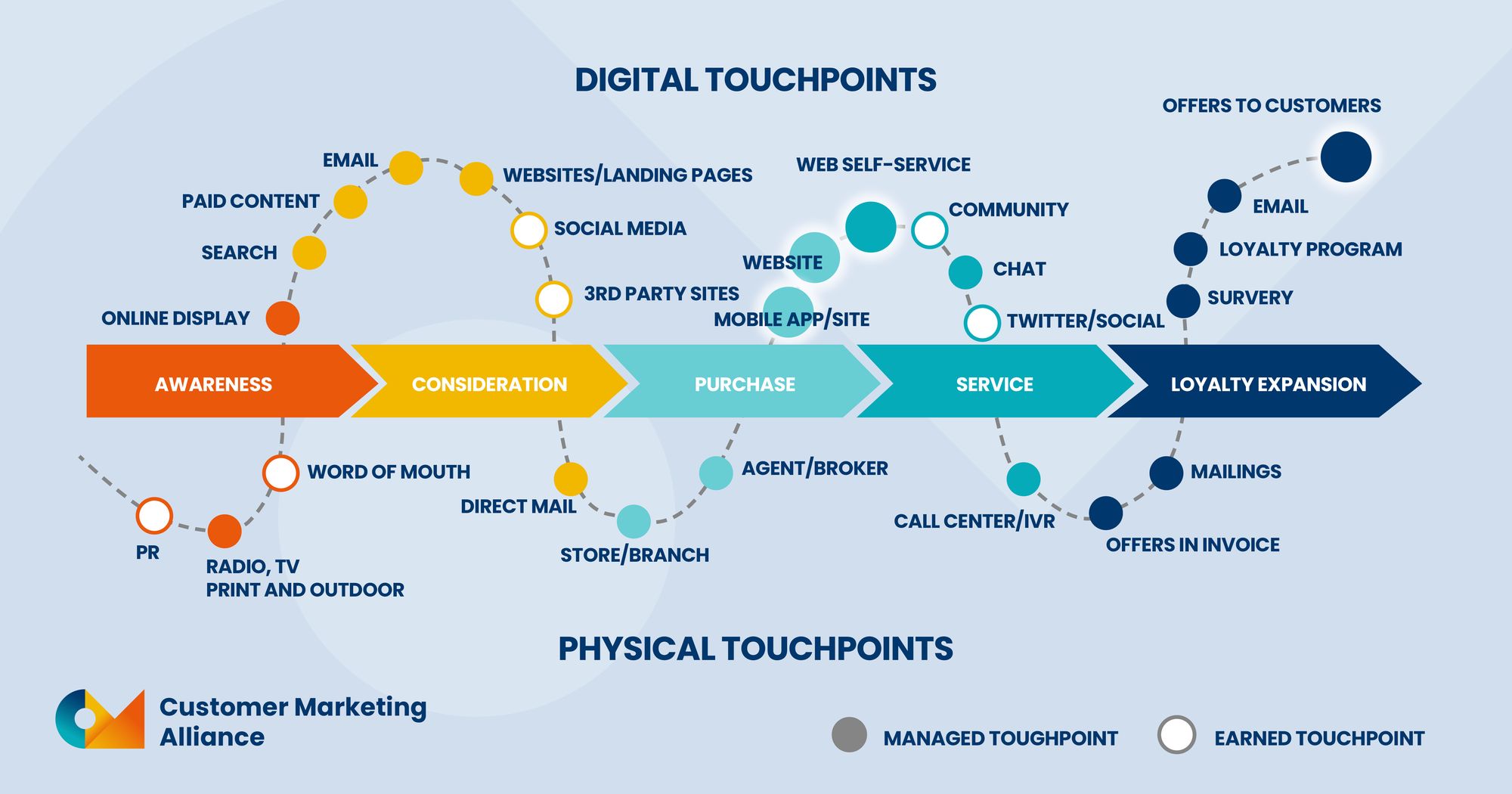
Continuing our exploration of building brand authority, we now turn to an equally crucial element: customer journey mapping. Understanding and mapping out the various touchpoints a customer encounters allows brands to create seamless experiences that enhance satisfaction and loyalty.
Imagine a consumer navigating from an online advertisement to your website, exploring products, and finally reaching the checkout page. Each interaction they have should feel intuitive and cohesive. Here’s how to create these seamless experiences effectively:
- Identify Touchpoints: Map out every interaction a customer has with your brand, from initial awareness through to post-purchase support.
- Optimize User Experience: Ensure your website is easy to navigate, responsive, and provides clear calls to action.
- Maintain Consistent Messaging: Regardless of the channel or platform, your messaging should align to reinforce brand identity.
By focusing on creating seamless experiences, brands can reduce friction in the customer journey, making the buying process smooth and enjoyable.
Nurturing Leads through Content
Once you’ve established a seamless experience, the next step is nurturing leads through valuable content. This focuses on building relationships at each stage of the customer journey, facilitating informed decision-making and fostering loyalty.
For instance, if a potential customer signs up for your newsletter after browsing your website, you can send them tailored content that educates them on your products or services. Here are some effective nurturing strategies:
- Targeted Email Campaigns: Develop a series of automated emails that provide relevant information based on user behavior, such as product recommendations or special offers.
- Educational Webinars: Offering free webinars can position your brand as a thought leader while educating leads about your offerings.
- Value-Driven Content: Create blogs, case studies, or how-to guides that address customers’ pain points and establish your authority.
By nurturing leads through well-planned content, brands can guide potential customers down the sales funnel, ultimately converting them into loyal advocates. Mapping the customer journey, therefore, plays a critical role in achieving sustained business success.

SEO and Content Optimization
Implementing Keywords Effectively
As we transition from nurturing leads through content to the vital aspect of SEO and content optimization, it’s clear that effective keyword implementation is foundational to driving organic traffic. In an increasingly crowded online landscape, choosing the right keywords helps ensure that your content is seen by those who matter most—your target audience.
For example, a small business selling eco-friendly products may choose to focus on keywords like “sustainable home goods” or “biodegradable products.” By embedding these keywords strategically throughout their website content and blog posts, they can attract users specifically searching for those terms. Here are some tips for implementing keywords effectively:
- Keyword Research: Use tools like Google Keyword Planner or SEMrush to identify high-traffic keywords relevant to your industry.
- Natural Integration: Incorporate keywords into your content in a way that feels organic—avoid overstuffing, as this can negatively affect readability.
- Long-Tail Keywords: Target phrases that are more specific and often have less competition, such as “eco-friendly kitchen supplies.”
By focusing on effective keyword implementation, brands can better position themselves in search engine results.
Enhancing Visibility and Reach
Having established strong keyword strategies, the next goal is enhancing visibility and reach. Without visibility, even the best content can go unnoticed. This step involves not only optimizing your website’s content but also spreading your message across various channels.
Consider a local coffee shop that consistently shares high-quality blog posts about brewing techniques, highlighting each unique coffee blend. By promoting these posts through social media, email newsletters, and collaborations with other local businesses, they increase their visibility. Here are ways to enhance your brand’s visibility and reach:
- Optimize Meta Tags: Ensure that title tags and meta descriptions are concise and include target keywords.
- Utilize Social Media: Share valuable content on platforms where your audience is most active to drive traffic back to your website.
- Engage in Backlinking: Collaborate with reputable websites to create backlinks, which significantly enhance your site’s authority and visibility in search rankings.
By focusing on SEO and content optimization, brands can increase their visibility and significantly enhance their digital presence, ultimately driving more traffic and conversions. This comprehensive strategy is crucial for sustaining growth in today’s competitive environment.

Measuring Content Marketing Success
Key Performance Indicators (KPIs)
Transitioning from enhancing visibility and reach, it’s essential to measure the success of your content marketing efforts. Understanding how your strategies are performing can provide insights that drive future content decisions. This is where Key Performance Indicators (KPIs) come into play.
For instance, a wellness brand launching a new product might focus on KPIs such as website traffic, engagement rates, and conversion rates across their content campaigns. By selecting the right KPIs, brands can gauge their effectiveness in engaging their audience and achieving business goals. Here are some critical KPIs to consider:
- Website Traffic: Measures the number of visitors to your site, indicating content reach.
- Engagement Rate: This can include metrics like likes, shares, comments, and time spent on page.
- Lead Generation: Tracks the number of leads generated through content, including newsletter sign-ups and downloads of resources.
By keeping a close eye on these KPIs, brands can assess their content’s effectiveness and make any necessary adjustments.
Analyzing ROI and Performance Metrics
Once you have selected KPIs, analyzing the return on investment (ROI) and performance metrics becomes imperative. Measuring ROI helps determine whether your content efforts are yielding profitable results.
Let’s take a hypothetical example of an e-commerce store that spends $2,000 on a content marketing campaign aimed at driving sales for a new product line. If that campaign generates $10,000 in sales, the ROI would be calculated as follows:
[
text{ROI} = frac{text{Net Profit}}{text{Cost of Investment}} times 100 = frac{10,000 – 2,000}{2,000} times 100 = 400%
]
To analyze ROI and performance metrics thoroughly, consider the following practices:
- Track Costs: Include all associated marketing expenses—content creation, distribution, and promotions.
- Utilize Analytics Tools: Leverage analytics platforms like Google Analytics and CRM systems to monitor conversions and sales generated from content.
- Benchmarking: Compare your results against industry standards to understand your performance relative to competitors.
By measuring success through KPIs and analyzing ROI, brands can ensure their content marketing strategies are not only effective but also contribute to overall business growth. This data-driven approach is vital for sustaining success in a competitive digital marketplace.