

Introduction
Overview of Content Marketing
Content marketing is a strategic approach focused on creating and distributing valuable, relevant content to attract and engage a target audience. Unlike traditional advertising, which often interrupts consumers with promotional messages, content marketing aims to build relationships through storytelling, education, and problem-solving. This can take many forms, including blog posts, videos, infographics, and podcasts.
With an effective content marketing strategy, brands can cultivate trust and credibility while positioning themselves as thought leaders in their industries.
Importance of Content Marketing in Tampa
In a vibrant city like Tampa, characterized by diverse demographics and industries, content marketing holds a special significance. Here’s why it matters:
- Local Engagement: Tampa businesses can create content that resonates with the community by addressing local issues and events.
- Brand Awareness: Quality content helps establish a recognizable brand presence in a competitive market.
- Consumer Trust: Sharing valuable insights builds a sense of reliability among potential customers.
Overall, content marketing is essential for Tampa businesses aiming to connect meaningfully with their audience and thrive.

Understanding the Tampa Market
Demographics of Tampa
Understanding the demographics of Tampa is crucial for any business looking to create effective content marketing strategies. Tampa boasts a diverse population with a mix of cultures, ages, and backgrounds. Here are some key demographic insights:
- Population: Over 400,000 residents, signaling a vibrant market.
- Age Distribution: A balanced mix of younger professionals, families, and retirees.
- Ethnic Diversity: A rich blend of cultures, with significant Hispanic and African American communities.
This diversity provides unique opportunities for businesses to tailor their content and messages to resonate with different segments of the population.
Market Analysis and Trends
As Tampa continues to evolve, several market trends are shaping the landscape:
- Economic Growth: A booming economy attracts new residents and businesses, amplifying the need for compelling content.
- Digital Transformation: As more consumers go online, digital content becomes the lifeline for effective engagement.
- Sustainability: Eco-friendly initiatives are gaining momentum, urging businesses to align their content with community values.
Recognizing these trends allows businesses to craft content that not only informs but also engages the audience effectively, ensuring a competitive edge in the Tampa market.

Crafting a Content Marketing Strategy
Identifying Target Audience
To craft an effective content marketing strategy, the first step is identifying the target audience. Understanding who your audience is can make all the difference in your content’s effectiveness. Here are some ways to pinpoint your ideal customers:
- Create Buyer Personas: Develop detailed profiles of your ideal customers, including demographics, interests, and pain points.
- Research Competitors: Analyze who your competitors are targeting and learn from their successes and failures.
- Engage with Your Audience: Utilize surveys, social media polls, or direct feedback to gain insights into what your audience cares about.
By knowing your audience intimately, you can produce content that truly resonates with them.
Setting Clear Goals
Once you have identified your audience, the next step is setting clear goals for your content marketing efforts. These goals should be SMART—specific, measurable, achievable, relevant, and time-bound. For example:
- Increase Website Traffic: Aim for a 20% increase in visitors over the next quarter.
- Boost Engagement: Set a target for increasing social media shares or comments by 50% in six months.
Establishing clear goals not only provides direction but also facilitates tracking your progress, ensuring that your content marketing strategy is aligned with your business objectives.

Creating Compelling Content
Types of Content to Produce
Creating compelling content requires a strategic mix of various content types that appeal to different segments of your audience. Here are some effective types to consider producing:
- Blog Posts: Informative articles that offer insights and practical tips related to your industry.
- Videos: Dynamic content that can explain complex ideas, showcase products, or share customer testimonials.
- Infographics: Eye-catching visuals that simplify information, making it easier for your audience to digest.
- Podcasts: A growing form of media, podcasts allow for deep dives into topics while connecting with audiences on the go.
Experimenting with these types can help you find what resonates best with your audience.
Engaging Visual and Written Content
Regardless of the type, both visual and written content should be engaging and high-quality. For example, using high-resolution images or professional graphics can enhance blog posts, while a clear and conversational writing style keeps readers interested.
Consider these tips for creating engaging content:
- Use Storytelling: Share real-life examples or anecdotes that your audience can relate to.
- Incorporate Call-to-Actions (CTAs): Encourage reader interaction, whether it’s leaving a comment or sharing the content.
By blending compelling visuals with relatable narratives, businesses can create content that captivates and connects with their audience, fostering a lasting relationship.
Leveraging Social Media for Promotion
Choosing the Right Platforms
Once you’ve crafted compelling content, the next step is to leverage social media for promotion. However, not every platform will be the right fit for your brand. Choosing the right social media platforms is essential to effectively reach and engage your target audience.
Consider these factors when selecting platforms:
- Audience Demographics: Research where your audience spends their time. For instance, younger demographics may gravitate towards TikTok and Instagram, while professionals might prefer LinkedIn.
- Content Type: Different platforms favor different content styles. Visual content thrives on Instagram, while detailed articles perform better on LinkedIn.
- Brand Goals: Align your platform choice with your marketing objectives. If brand awareness is your aim, Facebook’s broad reach could be beneficial.
Building a Strong Social Media Presence
After selecting the right platforms, focus on building a strong social media presence. Consistency is key here. Regularly posting engaging content, responding to comments, and participating in conversations can significantly enhance your visibility.
Here are some tips to strengthen your social media strategy:
- Maintain a Consistent Voice: Whether it’s professional or casual, your tone should resonate with your brand identity.
- Engage Actively: Respond to followers promptly and show appreciation for their interactions.
By remaining active and engaged, businesses can foster a loyal community, driving traffic back to their website and amplifying their brand message.
Search Engine Optimization (SEO) for Content
On-Page SEO Strategies
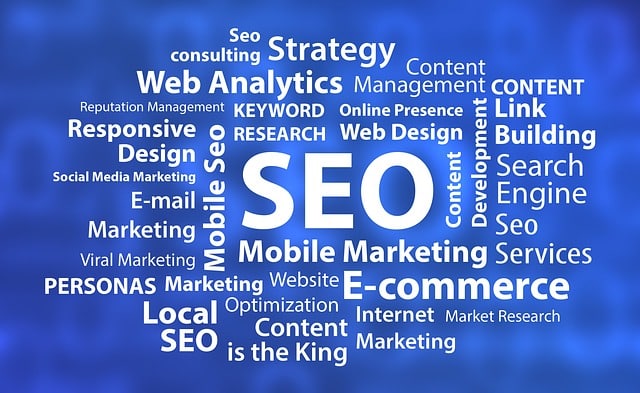
To enhance the visibility of your content, implementing effective SEO strategies is crucial. On-page SEO focuses on optimizing individual web pages to rank higher in search engine results. Here are some foundational techniques:
- Keyword Research: Identify relevant keywords that your target audience is searching for, and incorporate them naturally into your content.
- Meta Tags: Use descriptive meta titles and meta descriptions to summarize your content and entice users to click.
- Header Tags: Organize your content with clear header tags (H1, H2, H3), making it easier for readers and search engines to navigate.
These strategies not only help search engines understand your content but also improve user experience.
Off-Page SEO Techniques
While on-page SEO focuses on your website, off-page SEO involves actions taken outside your website to influence your rankings. Here are some effective off-page techniques:
- Backlink Building: Collaborate with reputable sites to earn quality backlinks—these are like votes of confidence for your content.
- Social Media Engagement: Sharing your content on social media can increase visibility and drive traffic, further strengthening your online presence.
- Guest Blogging: Contributing to other blogs allows you to reach new audiences and enhance your credibility.
By leveraging both on-page and off-page SEO strategies, businesses can boost their search engine rankings, paving the way for greater visibility and engagement with their target audience.

Measuring Success and Analytics
Key Performance Indicators (KPIs)
To ensure that your content marketing strategy is on the right track, it’s essential to measure success through Key Performance Indicators (KPIs). These metrics help evaluate the effectiveness of your content and overall strategy. Here are some KPIs to consider:
- Website Traffic: Monitor the number of visitors to your site to gauge content reach.
- Engagement Rate: Evaluate likes, shares, comments, and time spent on page to determine how well your audience is interacting with your content.
- Conversion Rate: Track the percentage of visitors taking desired actions, such as signing up for newsletters or making purchases.
By regularly assessing these KPIs, you can gain insights into what’s working and what may need adjustment.
Tracking and Analyzing Data
Tracking and analyzing data is the next step after establishing KPIs. Tools like Google Analytics can provide valuable insights into user behavior. Here’s how to make the most of your data:
- Set Up Regular Reports: Create weekly or monthly reports to visualize trends and changes.
- Segment Your Audience: Analyze data by demographics to refine your content for specific groups.
- A/B Testing: Experiment with different content formats or headlines to see what drives better results.
By combining effective KPI tracking with detailed data analysis, businesses can make informed decisions, ultimately optimizing their content marketing efforts and achieving their goals.
Collaborating with Influencers and Partners
Finding Relevant Influencers
As businesses seek to expand their reach, collaborating with influencers can be a game-changer. The first step is finding influencers who resonate with your brand values and target audience. Here are some tips to identify the right influencers:
- Niche Relevance: Focus on influencers within your industry or niche who have a genuine connection with their audience.
- Engagement Over Following: Look for influencers with high engagement rates rather than just impressive follower counts. Real connection often translates to more impactful partnerships.
- Research Platforms: Utilize tools like BuzzSumo or Hootsuite to discover potential influencers based on metrics and their content performance.
Connecting with relevant influencers sets the stage for fruitful collaborations.
Building Mutually Beneficial Relationships
Once you’ve identified influencers, it’s crucial to build relationships that benefit both parties. Here’s how to do it:
- Clear Communication: Be upfront about your goals and what you expect from the partnership. Discuss how this aligns with their content approach as well.
- Offer Value: Consider what you can provide in return—whether it’s financial compensation, free products, or exposure to your audience.
- Long-Term Partnerships: Aim for ongoing collaborations rather than one-off campaigns, fostering a deeper connection that can benefit both brands over time.
By focusing on finding the right influencers and nurturing those relationships, businesses can create powerful partnerships that enhance their content marketing strategies and broaden their reach.
Paid Advertising Strategies
Google Ads Campaigns
As businesses look to maximize their visibility, paid advertising strategies like Google Ads can be incredibly effective. Google Ads allows you to target very specific keywords and demographics, ensuring your ads reach potential customers actively searching for your services. Here’s how to make the most of Google Ads campaigns:
- Keyword Research: Start with thorough keyword research to select terms that potential customers are likely to use.
- Ad Extensions: Use ad extensions to provide additional information, such as location, phone number, or links to specific site pages—this enhances the chance of click-throughs.
- Regular A/B Testing: Test different ad copy and formats to discover which resonates best with your audience, making adjustments based on performance data.
By strategically utilizing Google Ads, businesses can drive qualified traffic to their website.
Social Media Advertising
In addition to Google Ads, social media advertising offers another powerful avenue to reach potential customers. Platforms like Facebook, Instagram, and LinkedIn allow for targeted advertising based on interests, behaviors, and demographics. Here’s how to effectively leverage social media:
- Define Your Objectives: Clearly outline what you want to achieve—whether it’s brand awareness, lead generation, or sales.
- Create Engaging Content: Design visually appealing ads that capture attention quickly. Short videos or dynamic images often perform well.
- Utilize Analytics: Use platform analytics to track performance and refine your campaigns over time, ensuring optimal results.
Combining Google Ads with social media advertising creates a comprehensive strategy, enabling businesses to maximize their outreach and achieve marketing goals efficiently.

Engaging with the Tampa Community
Hosting Events and Workshops
Engaging with the local community in Tampa can significantly enhance your brand’s visibility and reputation. One effective approach is to host events and workshops. These gatherings provide an opportunity to connect with potential customers face-to-face while offering them valuable experiences. Here are some ideas:
- Educational Workshops: Organize workshops that educate attendees about your industry—whether it’s a cooking class for a restaurant or a DIY project for a craft store.
- Networking Events: Host networking opportunities that help local professionals connect, fostering a sense of community around your brand.
- Charity Events: Partner with local charities to host fundraisers where a portion of the proceeds benefits a good cause. This builds goodwill and strengthens community ties.
Partnering with Local Businesses
In addition to hosting events, partnering with local businesses can amplify your community engagement. Collaborations can lead to shared customer bases and increased credibility. Consider these tactics:
- Cross-Promotion: Work with complementary businesses to offer joint promotions or packages that benefit both parties.
- Local Collaborations: Team up for community-specific initiatives, such as a neighborhood clean-up or local festivals.
- Referral Programs: Create referral programs that reward local businesses for directing customers your way.
By actively participating in the Tampa community through events and partnerships, businesses can cultivate strong local connections that enhance brand loyalty and foster mutual prosperity.
Case Studies and Success Stories
Real-Life Examples of Effective Content Marketing in Tampa
Examining real-life case studies can provide valuable insights into effective content marketing strategies in Tampa. Businesses of various sizes have employed innovative approaches to engage their audiences and achieve substantial results.
One notable example is a local restaurant that leveraged content marketing by sharing behind-the-scenes videos of their kitchen and staff. This personal touch not only showcased their culinary expertise but also built a connection with the community. As a result, they saw a 40% increase in online reservations within three months.
Another success story comes from a Tampa-based health and wellness brand that created a series of informative blog posts and social media campaigns focusing on healthy living tips specific to the local lifestyle. By incorporating local ingredients and themes, they resonated with the audience, leading to a significant spike in their followers and a 30% increase in product sales during the campaign.
These examples highlight the power of localized and engaging content, demonstrating how Tampa businesses can effectively leverage creative strategies to connect with their communities and drive growth.

XII. Conclusion and Next Steps
Recap of Key Takeaways
As we’ve explored throughout this guide, effective content marketing is a multifaceted strategy that requires a clear understanding of your audience and the local Tampa market. Here are some key takeaways to remember:
- Know Your Audience: Identifying and understanding your target demographics is crucial in crafting relevant content.
- Utilize Social Media: Leverage platforms that align with your brand, and maintain a consistent and engaging presence.
- Measure Your Success: Set clear KPIs and regularly analyze data to improve your content efforts.
- Engage Locally: Hosting events and partnering with local businesses can significantly enhance your brand’s connections and community presence.
Further Resources for Continued Learning
To deepen your understanding of content marketing, consider exploring the following resources:
- Books: “Content Inc.” by Joe Pulizzi offers valuable insights into building a content-driven business.
- Online Courses: Platforms like Coursera and Udemy offer comprehensive courses on content marketing and SEO.
- Webinars and Podcasts: Follow industry leaders through webinars and podcasts for the latest trends and strategies.
Taking these steps will enable your Tampa-based business to thrive in a competitive landscape while continuously evolving your marketing efforts.