
Understanding Marketing Automation in B2B Content
Overview of B2B Marketing Automation
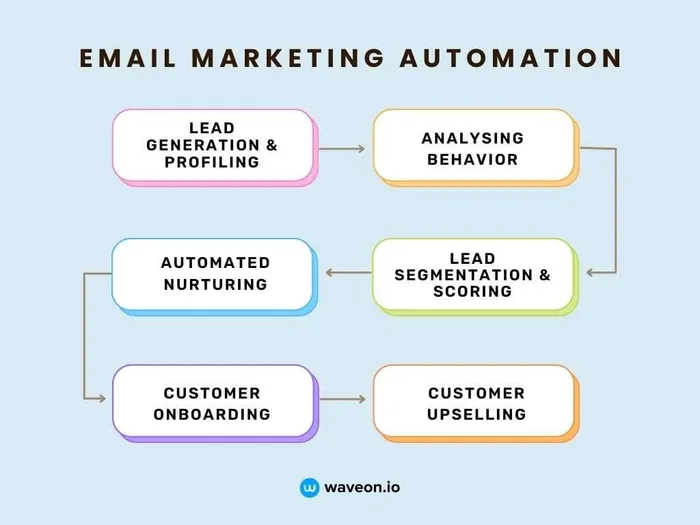
As businesses evolve in a competitive landscape, marketing automation has emerged as a powerful tool in the B2B sector. Essentially, B2B marketing automation refers to the software and technology that enables companies to streamline, automate, and measure marketing tasks and workflows. This includes automation of processes such as email marketing, social media posting, and lead scoring, which can significantly enhance the overall marketing strategy.
For example, imagine a tech company that regularly updates clients about their latest software solutions. Instead of manually sending out emails to each client, they can set up an automated email workflow. As soon as a new update is available, your system can automatically send an email with a detailed rundown. This not only saves time but also ensures consistency in communication.
Importance of Marketing Automation in B2B Content
The importance of marketing automation in B2B content cannot be overstated. It fundamentally transforms how businesses engage with their target audience, making communication far more efficient and relevant. Here’s why it matters:
- Consistency: Automation ensures that messaging remains consistent across multiple channels, reinforcing brand identity and ensuring that potential clients receive the same information regardless of when they engage with the content.
- Scalability: As a business grows, so do the demands of its marketing efforts. Automation allows teams to scale their efforts without necessitating a significant increase in workforce.
- Data-Driven Insights: With marketing automation, businesses can gather data on customer interactions and behavior, providing invaluable insights that can be used to tailor future content.
Using marketing automation, businesses not only streamline their processes but also provide a more personalized and engaging experience for their clients, setting the stage for long-term relationships.
Benefits of Marketing Automation
Improved Lead Generation
Building on the foundation of B2B marketing automation, one of the most significant advantages is improved lead generation. With automated tools, businesses can effortlessly capture and nurture leads at every stage of the buyer’s journey.
Imagine a company that produces innovative manufacturing equipment. They implement a content marketing strategy—like webinars and whitepapers—paired with automation. By using forms to collect information, they can segment leads effectively and follow up with tailored content based on interests. This not only captures potential customers but also nurtures them until they are ready to make a purchase.
Enhanced Personalization
Personalization is critical in the B2B space, where clients often seek solutions tailored to their specific needs. Marketing automation allows businesses to send customized messages and content based on individual behaviors and preferences.
Consider the example of a software firm that sends relevant resources based on a user’s download history. By analyzing this data, they can:
- Send follow-up emails with case studies related to the specific software product a lead showed interest in.
- Recommend blog posts that address common challenges for that industry sector.
This kind of tailored communication fosters a deeper connection with potential clients, enhancing their experience and increasing the likelihood of conversion.
Increased Efficiency and Productivity
Efficiency and productivity are often challenged within busy marketing teams, but marketing automation addresses this head-on. By automating repetitive tasks—like social media posting, email scheduling, and reporting—teams can free up valuable time to focus on strategic initiatives.
For instance, a busy marketing manager, instead of managing daily emails, can set up a campaign’s entire lifecycle—designing, scheduling, and monitoring all at once. This capability leads to:
- Quicker project turnaround.
- Increased team collaboration.
- Better alignment with sales and support teams.
In summary, the benefits of marketing automation extend well beyond simple task completion. They lay the groundwork for a more effective, personalized, and efficient marketing strategy that drives lead generation and growth.

Implementing Marketing Automation in B2B Content
Setting Up Automation Workflows
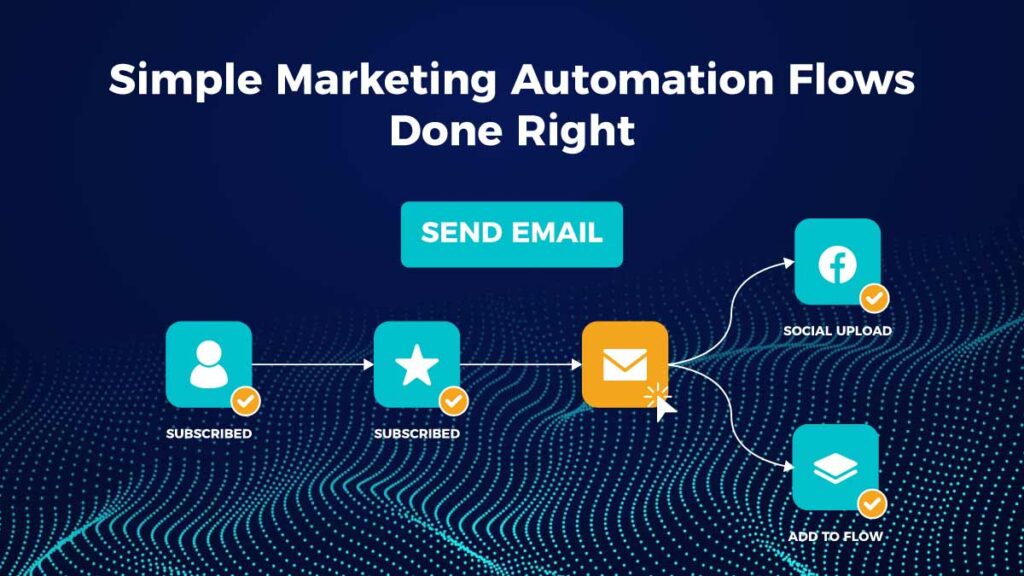
As businesses recognize the immense benefits of marketing automation, the next step is to effectively implement it. A crucial component is setting up automation workflows. These workflows are like digital assembly lines that manage tasks and communications without manual input.
To get started with setting up automation workflows, businesses should consider the following steps:
- Identify Key Processes: Analyze the marketing tasks that consume the most time. For instance, lead nurturing and follow-ups are excellent candidates for automation.
- Define Triggers: Establish specific actions that will trigger automated responses. For example, a lead downloads a whitepaper and is automatically sent a follow-up email.
- Map Out Journeys: Create a visual map that illustrates the customer journey, aligning content with the stages of engagement.
By laying these foundations, businesses can ensure a seamless automation experience.
Integrating CRM Systems
Integrating Customer Relationship Management (CRM) systems with marketing automation tools is another vital step. A well-integrated system allows for better data synchronization and streamlined communication between marketing and sales teams.
For example, when a prospective client engages with marketing materials, their information flows seamlessly into the CRM. This integration:
- Enables sales teams to access real-time data about leads’ preferences and interactions.
- Improves lead scoring by using historical data to prioritize outreach.
The alignment of these systems can significantly enhance lead management, ensuring that clients receive timely and relevant communications.
Creating Targeted Email Campaigns
Finally, creating targeted email campaigns is where the magic of marketing automation truly shines. Automation tools enable marketers to segment their audience and deliver tailored messages that resonate.
Consider a firm selling cybersecurity solutions. They can segment their email list based on industry size and needs. Specific campaigns might include:
- Educational content for small businesses looking to enhance their security posture.
- In-depth case studies for larger organizations considering a comprehensive overhaul.
By applying these targeted strategies, businesses not only improve engagement but also drive conversions, ensuring that marketing automation plays a vital role in their content initiatives.
Measuring Success and Optimization
Key Metrics for Tracking Automation Performance
Once marketing automation systems are up and running, measuring success is crucial to ensuring they deliver the expected results. Key metrics help businesses gauge their performance and make necessary adjustments.
Here are some essential metrics to monitor:
- Conversion Rates: Track the percentage of leads converting to customers after engaging with automated campaigns. This can reveal how well your content resonates with your audience.
- Lead Scoring Improvements: Assess the quality of leads generated. If leads score higher over time, it indicates that your segmentation and targeting are effective.
- Engagement Metrics: Focus on email open rates, click-through rates, and social media interactions. Increased engagement typically signifies that your content is relevant to your audience.
- ROI: Calculate the return on investment by comparing the total revenue generated from automated campaigns against the costs associated with those efforts.
Utilizing these metrics allows businesses to fine-tune their strategies effectively.
A/B Testing and Optimization Strategies
To truly optimize marketing automation efforts, A/B testing plays a vital role. This practice involves experimenting with different elements of your campaigns to determine what resonates best with your audience.
For instance, consider testing:
- Email Subject Lines: A catchy subject line can make all the difference in email open rates. Test different tones, lengths, and personalization to find the most effective approach.
- Call-to-Action (CTA) Buttons: Experimenting with the text, color, and placement of CTAs can significantly impact click-through rates.
- Content Formats: Test different formats such as videos, infographics, or blog posts to see which drives more engagement.
By continuously analyzing the results and iterating based on findings, businesses can refine their marketing automation strategies. Over time, this process of measurement and testing not only enhances performance but also ensures ongoing alignment with audience needs and preferences. In the fast-paced world of B2B marketing, being proactive in optimization is key to sustained success.
Common Challenges and How to Overcome Them
Data Quality and Integration Issues
Despite the many benefits of marketing automation, businesses often face challenges that can hinder their efforts. One major hurdle is ensuring data quality and integration. Poor data quality can lead to misguided marketing strategies, wasted resources, and missed opportunities.
To address these issues, consider implementing the following strategies:
- Regular Data Audits: Conduct regular reviews of your databases to identify duplicates, inaccuracies, and outdated information. A clean database is essential for effective segmentation and targeting.
- Automation of Data Entry Processes: Streamline the data collection process through automation tools. For example, using web forms can minimize manual entry errors and ensure real-time updates.
- Ensure CRM Compatibility: Before implementing automation tools, verify that they seamlessly integrate with existing CRM systems. This compatibility is crucial for maintaining accurate data across platforms.
By prioritizing data quality and integration, businesses can enhance their marketing efforts and improve overall campaign effectiveness.
Maintaining Relevance and Avoiding Over-Automation
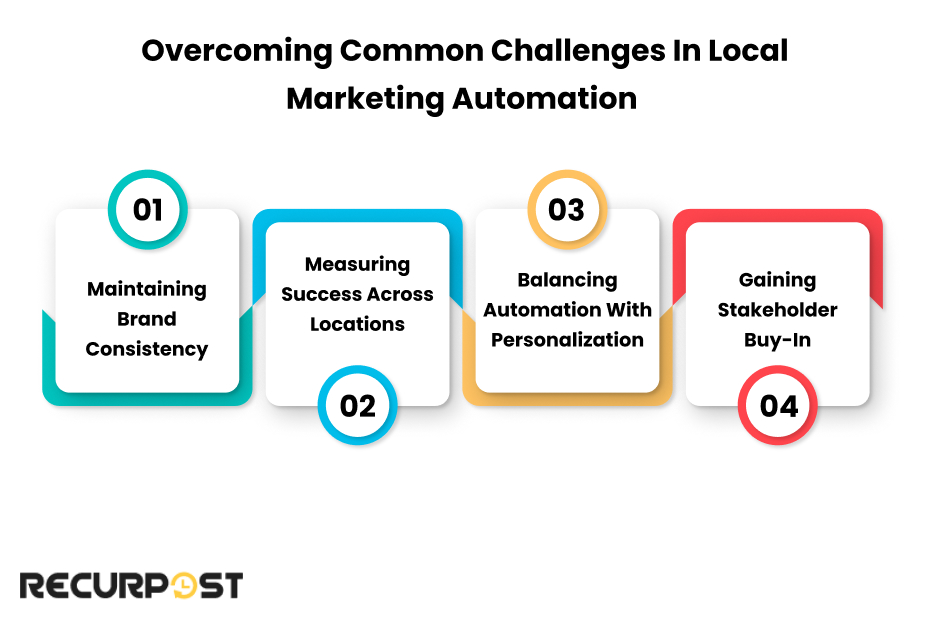
Another common challenge is maintaining relevance while avoiding the pitfalls of over-automation. While automation streamlines efforts, it’s essential to find the right balance. Over-automating can result in generic, impersonal communication that alienates potential customers.
To maintain relevance, consider these tips:
- Regularly Update Content: To keep your audience engaged, refresh automated content regularly. Tailor messaging to current market trends or emerging customer needs.
- Segment Your Audience: Use data insights to segment your audience effectively. This enables more personalized communications, leading to higher engagement rates.
- Monitor Engagement: Keep an eye on engagement metrics. If you notice a decline, it may signal a need to humanize your approach or tweak your messaging.
By being mindful of these challenges, businesses can harness the full power of marketing automation without sacrificing the human touch that nurtures client relationships. Balancing automation with personalization is key to delivering content that resonates with the audience, ensuring sustained success in B2B marketing.
.jpg)
Future Trends in B2B Marketing Automation
AI and Machine Learning Applications
As marketing automation continues to evolve, one of the most significant trends on the horizon is the integration of Artificial Intelligence (AI) and Machine Learning technologies. These advanced tools are set to revolutionize how businesses approach marketing strategies.
AI can analyze vast amounts of data to identify patterns that humans might overlook. For instance, consider a scenario where a tech company leverages AI to assess customer interactions and predict future behavior. By analyzing past purchases and engagement, AI can:
- Offer Personalized Recommendations: Tailor product suggestions for each lead, enhancing their experience and increasing conversion rates.
- Optimize Timing of Campaigns: Determine the best times to send emails or schedule calls based on when prospects are most likely to engage.
This application of AI not only improves efficiency but also fosters stronger customer relationships by delivering personalized experiences.
Enhanced Cross-Channel Integration
Another exciting trend is the enhancement of cross-channel integration. As businesses reach out to customers through various touchpoints, ensuring that messaging remains consistent and cohesive is crucial.
Improved cross-channel integration allows for:
- Unified Customer Journeys: Customers can seamlessly transition between channels—be it email, social media, or website—without losing context. For example, a lead might start by engaging with a social media ad, receive follow-up emails, and ultimately visit the website to make a purchase.
- Comprehensive Data Tracking: Centralized data from multiple channels enables better analysis of customer behavior. Marketers can assess which channels are most effective and allocate resources accordingly.
By embracing these future trends, businesses can elevate their marketing automation strategies, driving better results and enhancing overall engagement. As the landscape evolves, staying ahead of these advancements will be vital for creating impactful B2B marketing campaigns that resonate with audiences.

Conclusion and Key Takeaways
Recap of Benefits and Strategies
As we wrap up our exploration of marketing automation in B2B content, it’s crucial to revisit the myriad benefits and effective strategies that can transform your marketing efforts.
To recap, leveraging marketing automation offers:
- Improved Lead Generation: Automated processes help capture and nurture leads more efficiently, guiding them through the buyer’s journey.
- Enhanced Personalization: Tailored messaging based on user behavior fosters greater engagement and builds stronger relationships with potential clients.
- Increased Efficiency and Productivity: Automation takes the reins on repetitive tasks, allowing teams to focus on high-value activities.
Incorporating strategies such as setting up well-defined automation workflows, integrating CRM systems, and crafting targeted email campaigns empowers B2B marketers to maximize their results. Regularly measuring success through key metrics and utilizing A/B testing ensures continuous improvement and alignment with audience needs.
Final Thoughts on Maximizing B2B Content Automation
As the landscape of B2B marketing continues to evolve, staying proactive about marketing automation is key to success. Embracing future trends like AI and machine learning will only enhance your capabilities, creating more personalized and efficient customer interactions.
It’s also essential to maintain a balance; avoid over-automation to ensure that human elements are not lost in communication. Remember, marketing is ultimately about building relationships, and the best strategies keep that at the forefront.
By focusing on these takeaways, businesses can not only refine their marketing automation practices but also drive higher engagement and conversions. Investing in effective automation tools and frameworks today will position your business well for the challenges and opportunities of tomorrow. Embrace the evolution, and watch your B2B content marketing flourish.