

Overview of Thought Leadership
Definition of Thought Leadership
Thought leadership can be defined as the act of influencing and guiding others in a particular field or industry by providing innovative ideas, insights, and solutions. It goes beyond merely being an expert; it involves actively sharing knowledge and fostering conversations that challenge the status quo. Thought leaders are individuals or organizations recognized for their unique contributions and expertise, establishing themselves as trusted sources within their niche.
To put it simply, being a thought leader means being seen as a visionary who can navigate complex issues and inspire change. Their experience and insights often result in a following among peers, industry stakeholders, and the public. This recognition allows them to shape discussions and trends in meaningful ways.
Evolution of Thought Leadership in the 21st Century
The concept of thought leadership has dramatically evolved, especially in the fast-paced digital landscape of the 21st century. Initially, thought leaders were primarily recognized through traditional channels such as conferences, publications, and industry panels. However, the rise of the internet and social media has transformed how thoughts and ideas are disseminated.
Key developments include:
- Digital Platforms: Blogs, podcasts, and webinars have become crucial mediums for sharing knowledge and insights. Thought leaders can now connect with a global audience instantly.
- Social Media Influence: Platforms like LinkedIn and Twitter have generated new opportunities for individuals to build their brand and establish authority.
- Collaborative Expertise: Thought leadership has shifted from individual recognition to community-focused leadership where collaboration and collective knowledge sharing are key.
For instance, many professionals today utilize platforms like LinkedIn to publish articles and insights, cultivating an audience that values their perspective on industry trends and challenges.
Significance of Thought Leadership in Today’s Environment
In the current landscape, thought leadership holds immense significance across industries for several reasons:
- Establishing Trust: In a world overflowing with information, trusted voices are essential. Thought leaders are often seen as credible, helping organizations and individuals build trust with their audiences.
- Driving Innovation: They not only highlight current trends but also forecast future shifts. By presenting novel ideas, thought leaders can inspire innovation within their organizations and industries.
- Creating Engagement: Effective thought leadership engages audiences in meaningful dialogue. It drives discussions that can lead to new ideas and approaches.
- Influencing Policies: In many cases, thought leaders shape policies and frameworks within their industries, advocating for changes that benefit society at large.
To illustrate, consider the case of industry experts who use webinars to share their insights during times of crisis. Their ability to guide conversations and provide clarity can help organizations adapt and thrive amidst uncertainty.
Overall, thought leadership is more important than ever. It drives change, fosters innovation, and builds lasting connections—a crucial recipe for success in nearly any field today.

Characteristics of a Thought Leader
Qualities and Traits of an Effective Thought Leader
To truly make an impact as a thought leader, certain qualities and traits are essential. It’s not just about knowing your stuff—it’s about how you convey that knowledge and engage with your audience. Here are some key traits effective thought leaders often possess:
- Curiosity: A genuine thirst for knowledge encourages continuous learning and exploration of new ideas. Respected thought leaders often demonstrate a willingness to question established norms and explore different perspectives.
- Authenticity: Being genuine is crucial. People are drawn to thought leaders who are relatable and true to themselves. Sharing personal stories and experiences can deepen connections with audiences.
- Vision: Effective thought leaders possess foresight, articulating a clear vision for the future of their industry. They don’t just react to trends; they help shape and navigate them.
- Communication Skills: They excel at conveying complex ideas in simple, digestible language. Whether in written articles, podcasts, or public speaking, effective communication is key.
For instance, a tech entrepreneur who shares honest struggles and triumphs on their blog not only connects with readers but also establishes themselves as a credible voice in the industry.
Building Credibility and Authority in a Niche
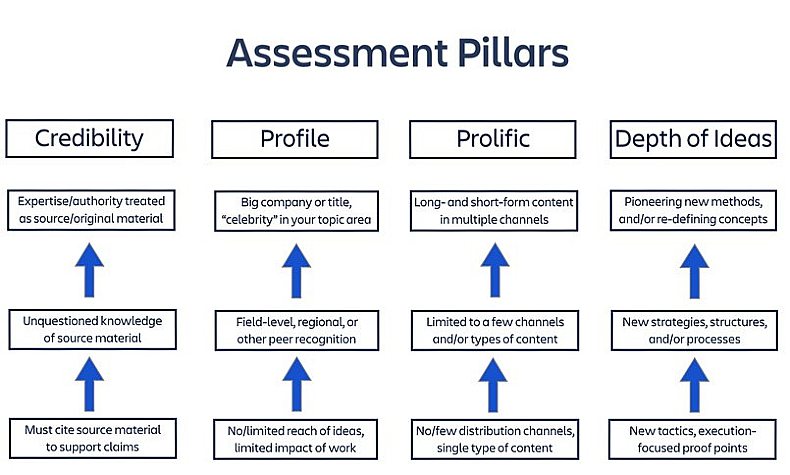
Establishing credibility in a niche is a critical step in becoming a recognized thought leader. Here are some strategies to build that authority:
- Consistent Content Creation: Regularly publishing insightful articles, whitepapers, or even videos can position a thought leader as an authority. Consistency strengthens recognition and keeps audiences engaged.
- Engagement with the Community: By answering questions, participating in discussions, and providing support to others in their field, thought leaders can foster a sense of community and trust.
- Collaborative Partnerships: Partnering with other experts can enhance credibility. Joint webinars, panel discussions, or co-authored articles not only expand reach but also associate the thought leader with other recognized names.
- Educational Contributions: Conducting workshops, classes, or mentoring programs allows thought leaders to showcase their expertise while aiding the growth of their niche.
Building credibility can be likened to growing a garden—it requires patience, nurturing, and consistent effort.
Leveraging Personal Branding for Thought Leadership
Personal branding plays an integral role in establishing oneself as a thought leader. Every interaction and piece of content contributes to one’s brand, so it’s essential to curate it effectively:
- Define Your Unique Value Proposition: What sets you apart? Understanding and clearly communicating your unique perspective is vital. This proposition should be reflected across all platforms.
- Utilize Social Media: Platforms such as LinkedIn, Twitter, and Instagram are invaluable tools for enhancing personal branding. Thought leaders can share insights, engage with followers, and showcase their work in real-time.
- Create a Professional Website: Having a dedicated website can serve as a central hub for your content, bio, and contact information, making it easy for others to learn about you and your work.
- Showcase Testimonials and Endorsements: Including feedback from colleagues, clients, or industry peers can solidify your authority and build trust.
In essence, effective thought leadership requires a blend of specific qualities and proactive personal branding. By engaging with the community and consistently communicating unique insights, individuals can navigate their journey toward influential thought leadership.
The Impact of Thought Leadership
Influence on Industry Trends and Innovations
One of the most significant impacts of thought leadership is its ability to shape industry trends and drive innovations. Thought leaders do more than just react to changes; they anticipate them, influencing peers, competitors, and even entire sectors. Their insights often serve as a catalyst for new ideas, encouraging innovation and thus transforming traditional practices.
Consider the rise of sustainable business practices. Visionary thought leaders in the environmental sector have shed light on the importance of sustainability. Their advocacy has influenced countless organizations to adopt greener practices, prompting discussions around corporate responsibility and ethical sourcing. Here are some ways thought leadership can influence trends:
- Shaping Narratives: Thought leaders who articulate new ideas can shift the overall narrative within industries, drawing attention to overlooked issues and encouraging new solutions.
- Creating Frameworks for Change: By providing tools and methodologies, they empower others to adopt innovative practices, ultimately leading to widespread transformation.
- Inspiring Future Generations: Thought leaders often mentor younger professionals, passing on their knowledge and passion for innovation which inspires the next wave of leadership.
Ultimately, a thought leader’s ability to inspire and influence trends creates a ripple effect, transforming not just their industries, but society as a whole.
Thought Leadership in Digital Marketing and Social Media
In today’s digital landscape, thought leadership has found a new home on social media and through digital marketing strategies. With an array of channels available, thought leaders can disseminate their ideas more effectively and connect with audiences globally.
Here’s how thought leadership manifests in this space:
- Content Marketing: By creating valuable content—such as blogs, videos, and infographics—thought leaders not only showcase their expertise but also address the needs of their audience, positioning themselves as go-to resources.
- Engagement through Social Media: Platforms like Twitter and LinkedIn allow thought leaders to engage directly with their audience, answer questions, and participate in critical discussions. This direct connection fosters a sense of community and authority.
- Utilizing SEO Strategies: Effective thought leaders leverage SEO strategies to ensure their content reaches the right audience, amplifying their influence and expanding their reach.
A direct example can be seen in industry leaders who host live Q&A sessions on social media, allowing followers to engage in real-time discussions. Those interactions not only reinforce their status but also provide valuable insights to their communities.
Thought Leadership in Business Strategy and Decision-Making
The role of thought leadership in shaping business strategies and decision-making processes cannot be overstated. As organizations navigate complex challenges, thought leaders provide clarity and direction, guiding strategic initiatives.
- Vision and Direction: They help set visions for organizations by sharing forward-thinking ideas and strategies that can influence the long-term direction of a company.
- Risk Assessment: Thought leaders can help identify potential risks associated with new initiatives, guiding organizations toward informed decision-making.
- Encouraging Innovation in Leadership: By cultivating an environment of innovation, thought leaders inspire leaders within organizations to embrace change and adapt to evolving market conditions.
Imagine a scenario where an established tech company faces disruption from a startup. A thought leader within the organization can propose embracing agile methodologies, enabling the company to pivot effectively.
In summary, thought leadership holds profound significance in shaping industry trends, enhancing digital marketing efforts, and influencing business strategies. Those who embrace thought leadership not only facilitate innovation but also drive meaningful change across their fields.
Strategies for Establishing Thought Leadership
Content Creation and Distribution
Establishing thought leadership begins with the creation and strategic distribution of content that resonates with your target audience. High-quality content serves not only to demonstrate expertise but also to engage, inform, and inspire action among your readers or viewers.
Here are some effective strategies for content creation and distribution:
- Identify Key Topics: Focus on areas where your experience and insights can make the biggest impact. Consider the questions your audience often asks or the challenges they face.
- Diverse Content Formats: Experiment with various formats including blog posts, infographics, videos, and podcasts. Each type caters to different preferences and can enhance engagement. For example, a podcast can reach listeners during their commute, while a well-structured blog may appeal to those looking for in-depth analysis.
- Maximize Distribution Channels: Share your content across multiple platforms such as LinkedIn, Twitter, and industry-specific forums. Engage with audience comments and questions to forge deeper connections.
Imagine a marketing consultant who posts weekly webinars discussing emerging trends. By repurposing these webinars into bite-sized video clips and detailed blog posts, they can reach wider audiences while solidifying their reputation as an industry expert.
Networking and Building Relationships
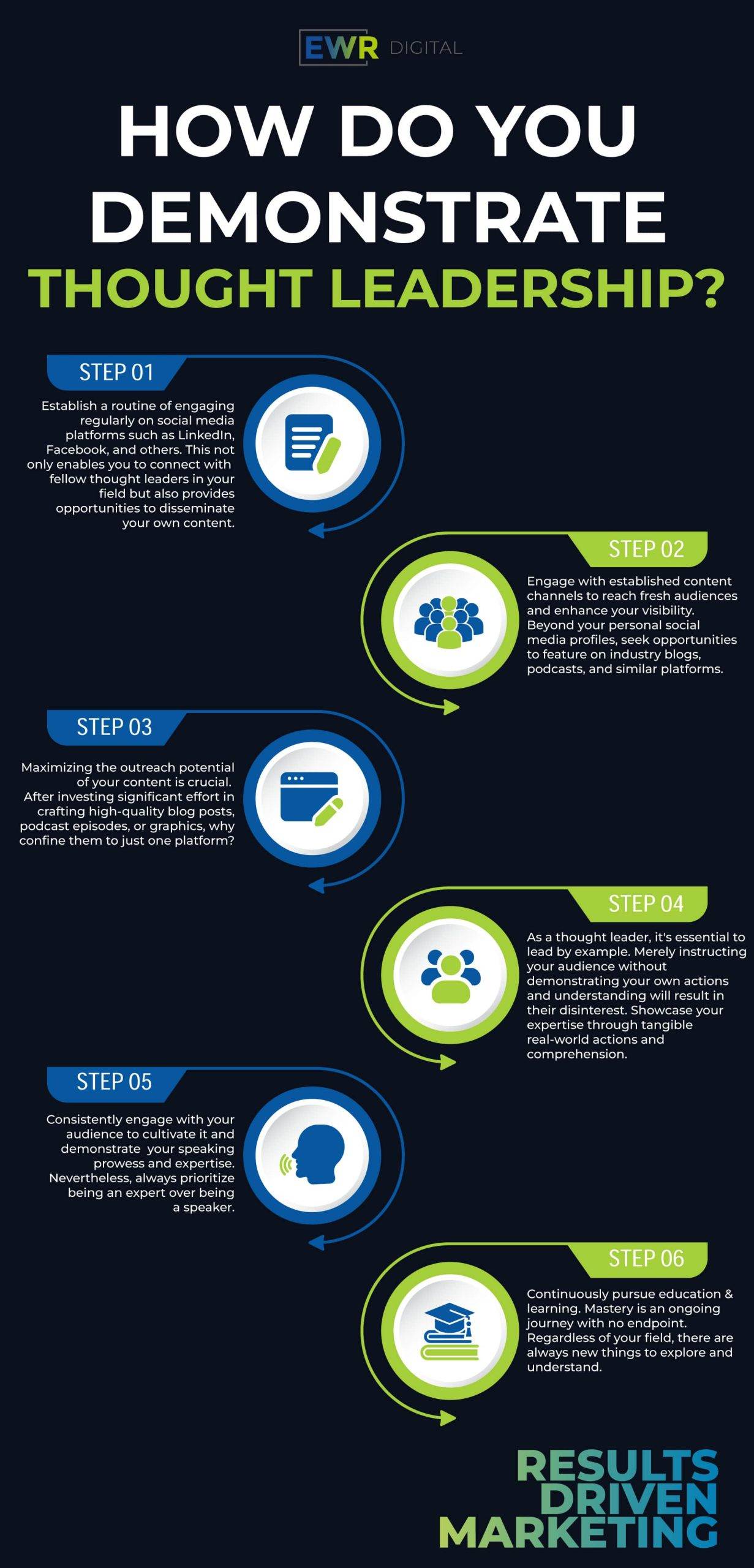
Networking is crucial for anyone aspiring to establish themselves as a thought leader. Building genuine relationships can open doors, lead to collaborative opportunities, and enhance influence within your industry.
Consider these networking strategies:
- Attend Industry Events: Conferences, workshops, and trade shows are perfect venues for connecting with like-minded professionals. Engaging in face-to-face dialogue fosters trust and can lead to valuable partnerships.
- Join Online Communities: Participating in forums or groups on platforms like LinkedIn or Facebook allows aspiring thought leaders to engage with others in their field. Answering questions and sharing insights can gradually establish credibility.
- Seek Mentorship: Connect with established thought leaders willing to share their knowledge and experiences. Learning from their journey can provide invaluable insights and speed up your path to thought leadership.
For example, a financial advisor who actively engages on community forums can turn casual conversations into meaningful connections, ultimately broadening their network and influence in the industry.
Thought Leadership Through Public Speaking and Thought Forums
Public speaking is a powerful tool for establishing thought leadership. Sharing your insights and experiences in front of an audience not only showcases your expertise but also elevates your visibility.
Here are some ways to leverage public speaking:
- Seek Speaking Engagements: Start by speaking at local meetups or industry conferences. Over time, as you gain confidence, aim for larger platforms. Don’t underestimate the value of webinars and virtual workshops in today’s connected world.
- Facilitate Thought Forums: Organizing roundtable discussions or panel events can position you as a central figure in dialogue about your industry. Invite experts to share their insights while moderating the conversation yourself.
- Engage Through Storytelling: When presenting, incorporate stories that highlight key lessons or insights. Personal anecdotes can resonate with audiences, making your messages more relatable and memorable.
Reflecting on the experience of a tech entrepreneur who regularly presents at industry conferences, each speaking engagement not only establishes their authority but also generates leads and connections with potential collaborators.
In summary, establishing thought leadership requires a multi-faceted approach that includes strategic content creation, meaningful networking, and impactful public speaking. By diligently investing in these strategies, individuals can effectively cultivate their presence and influence within their chosen fields.
Measuring Thought Leadership Success
Key Metrics for Evaluating Thought Leadership Impact
To truly gauge the success of thought leadership efforts, it’s essential to measure impact through relevant metrics. Without data, it can be challenging to ascertain whether your initiatives are resonating with your audience or achieving the desired outcomes. Here are some key metrics to consider:
- Engagement Rates: Metrics such as likes, shares, comments, and mentions on social media platforms can provide insights into how engaging and valuable your content is to your audience.
- Content Reach: Analyzing website traffic, unique visitors, and download rates (for whitepapers or reports) can help assess how many people are consuming your content.
- Lead Generation: Track leads generated through various thought leadership initiatives. If content drives inquiries or sign-ups, it’s a clear indicator of success.
- Brand Sentiment: Regularly monitor brand sentiment on social media and throughout the web. Positive feedback can indicate successful thought leadership, while any negative feedback may highlight areas needing improvement.
- Speaking Engagements and Features: Keep track of invitations to speak or be featured in industry publications. An increase indicates growing recognition as a thought leader.
For example, a digital marketing specialist may notice an upswing in consultation requests following a series of well-received webinars. This correlation reinforces their thought leadership and the effectiveness of their content strategy.
Case Studies of Successful Thought Leaders
Examining case studies of successful thought leaders can provide valuable insights and inspiration.
- Simon Sinek: Known for his “Start With Why” philosophy, Sinek has effectively positioned himself as a thought leader in leadership and business culture through compelling talks and best-selling books. His TED Talk on the topic has amassed millions of views, generating significant interest in his insights.
- Brené Brown: With her research on vulnerability and leadership, Brown has utilized storytelling to connect with audiences. Her books and TED Talks not only garnered significant traction but also led to widespread discussions around emotional intelligence in the workplace.
- Gary Vaynerchuk: As a digital marketing evangelist, Gary Vee has tapped into various platforms, from social media to podcasts, sharing practical advice and insights that resonate with entrepreneurs. His ability to adapt content for different audiences showcases how diverse platforms can amplify thought leadership.
These leaders have leveraged authenticity, consistent messaging, and engaging content to establish themselves as credible voices in their fields.
Adapting Strategies Based on Measurement and Feedback
As with any initiative, continuously refining strategies based on measurements and feedback is crucial in the journey of thought leadership. Collecting and analyzing data can reveal what is working and what isn’t. Here are some approaches to consider:
- Regular Review of Metrics: Set aside time monthly or quarterly to evaluate the collected data against your goals. Identify areas of strength and aspects that may require adjustment.
- Solicit Feedback: Encourage your audience to share their thoughts about the content and leadership style. Surveys or direct questions after events can uncover valuable insights.
- Be Agile: If specific content formats yield better audience engagement, consider focusing on those. Staying responsive to feedback allows for improvements that enhance influence and connection with your audience.
Think of a marketing professional who, after analyzing data from several blog posts, finds that video content is generating far more engagement. This feedback should prompt them to invest more time in producing video content while reassessing their written format strategy.
In conclusion, measuring thought leadership success is an ongoing process that involves analyzing metrics, learning from case studies, and adapting strategies based on feedback. Consistent evaluation not only strengthens credibility but also ensures that you remain relevant in a continuously evolving landscape.