

Introduction to Direct Primary Care
Understanding the Concept
Direct Primary Care (DPC) is revolutionizing the landscape of healthcare delivery by offering a novel approach to patient care. Instead of going through insurance companies, patients pay a monthly membership fee directly to their primary care provider. This model fosters a more straightforward, transparent relationship between doctors and patients, minimizing the bureaucratic hurdles often associated with traditional healthcare systems.
In essence, DPC allows patients to receive comprehensive and personalized care without the stress of co-pays or unexpected bills. For instance, patients can communicate with their doctors more freely unless out of their office hours, often through phone calls, emails, or even video chats. Imagine being able to ask your doctor a question about your health and getting a prompt, thoughtful response without the hassle of scheduling an appointment.
Benefits for Patients
The benefits of Direct Primary Care for patients are compelling and numerous. Some of the noteworthy advantages include:
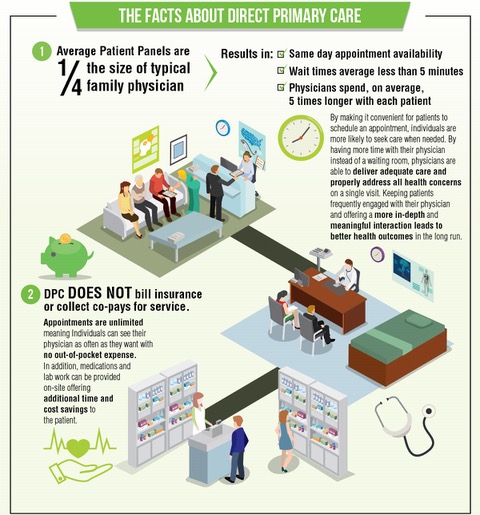
- Reduced Wait Times: With fewer patients per provider, individuals can schedule appointments that suit their needs.
- Personalized Care: Providers can spend more time with each patient, allowing for a deeper understanding of their health and lifestyle.
- Preventative Care Focus: Many DPC practices emphasize routine check-ups and screenings, enabling early detection and intervention.
Moreover, individuals often find that they are not just a number in a system. The true essence of DPC lies in fostering a genuine connection between doctor and patient, ultimately leading to better health outcomes and a more satisfying healthcare experience. Through this innovative model, patients can reclaim their healthcare journey, prioritize their well-being, and feel empowered in their health decisions.
Cost-Effectiveness of Direct Primary Care
Comparison to Traditional Healthcare
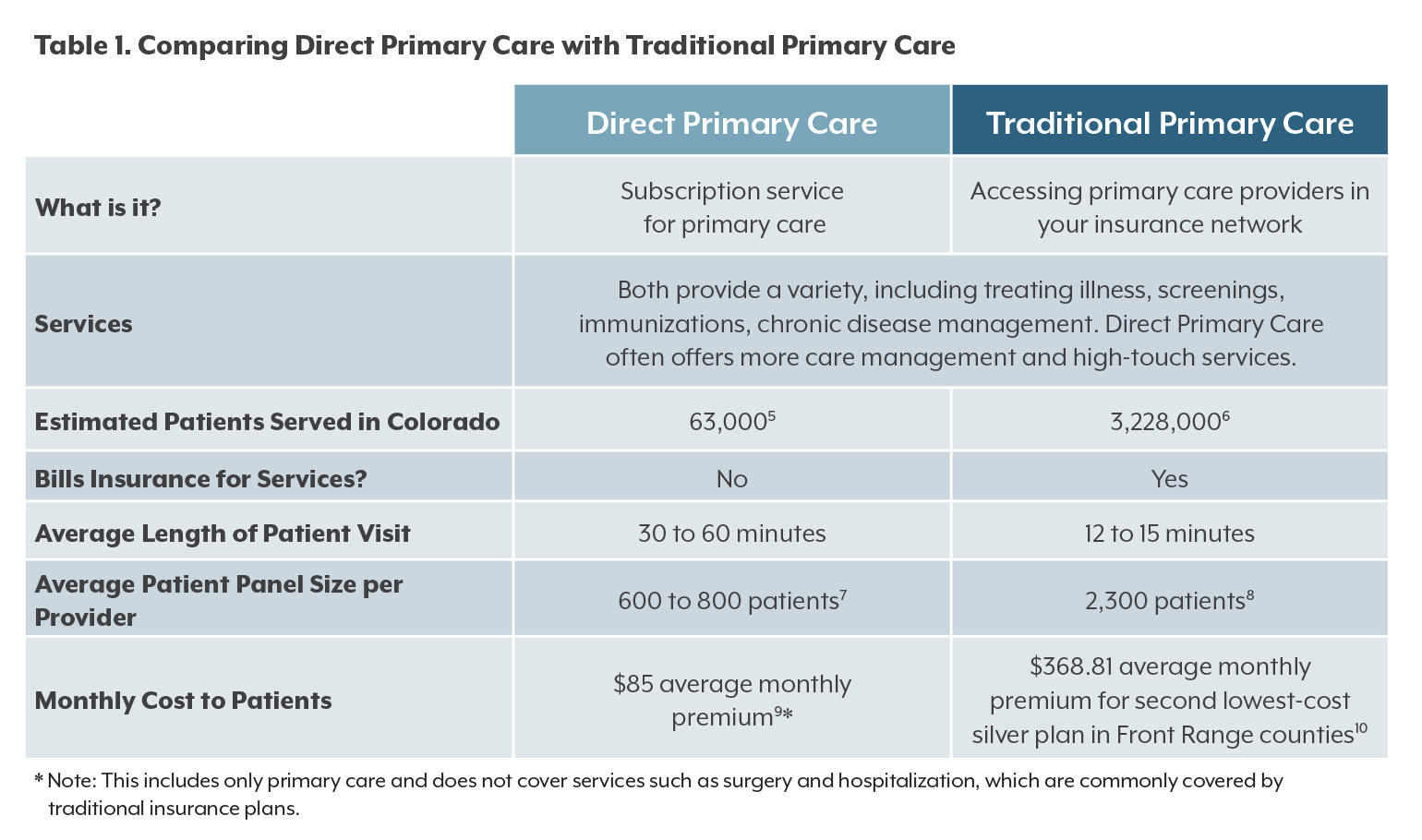
When exploring healthcare options, one of the most critical aspects to consider is cost. Traditional healthcare, often fraught with complex insurance plans and hidden fees, can create confusion and financial strain. In contrast, Direct Primary Care (DPC) offers a breath of fresh air by streamlining costs into a straightforward monthly fee.
Consider this: In a traditional model, a patient might pay premiums, deductibles, and additional costs for every visit. This can escalate quickly, leading to unexpected medical bills. In contrast, DPC typically offers unlimited visits, preventive screenings, and even telehealth via a single subscription.
Some key points of comparison include:
- Consistent Monthly Payments: Patients pay one predictable fee, eliminating surprise expenses for each visit.
- No Insurance Hassles: DPC eliminates the need for navigating through insurance claims, making the process straightforward.
- Emphasis on Preventative Care: By focusing on wellness, DPC works to lower long-term healthcare costs.
Financial Advantages for Patients
The financial attractiveness of Direct Primary Care cannot be overstated. Here are some ways patients benefit:
- Cost Savings: Many DPC practices report overall savings of up to 40% compared to traditional healthcare systems.
- Access to a Variety of Services: Patients can often access discounts on labs, medications, and specialty care directly.
- Reduced Out-of-Pocket Expenses: With no insurance involved, patients can budget more effectively for health care needs.
For patients like John, a busy father of three, shifting to DPC meant both significant savings and increased accessibility to his doctor. Instead of worrying about co-pays for each visit, he pays a flat fee monthly, giving him peace of mind and keeping his family’s health at the forefront without financial strain. By embracing Direct Primary Care, patients not only enhance their care experience but also find one of the most cost-effective paths to maintaining their health.
Improved Access to Healthcare Services
Elimination of Insurance Barriers
One of the standout features of Direct Primary Care (DPC) is its ability to eliminate the frustrating barriers typically imposed by insurance companies. In traditional healthcare settings, patients often find themselves navigating a maze of co-pays, coverage limits, and pre-authorization requisites. These obstacles can lead to delays in receiving essential care and ultimately deter individuals from seeking necessary medical attention.
With DPC, the reliance on insurance is significantly reduced. Patients pay a flat monthly fee directly to their provider, granting them access to a host of services without dealing with insurance roadblocks. For instance, if someone is feeling unwell, they can call their doctor and schedule an appointment without worrying about whether their insurance covers the visit or what their deductible looks like.
Key advantages include:
- No Pre-Authorizations: Patients can access the care they need without waiting for insurance approvals.
- Transparent Costs: Knowing upfront what services will cost empowers patients to make informed decisions about their care.
Enhanced Doctor-Patient Relationship
The DPC model fosters a nurturing and meaningful doctor-patient relationship, which can sometimes feel compromised in institutionalized healthcare environments. When doctors aren’t pressured by high patient volumes from insurance reimbursements, they can invest more time into each appointment, cultivating a deeper connection with their patients.
Patients benefit from:
- Personalized Interactions: Longer visits mean that doctors can address all patient concerns, leading to a more thorough understanding of health issues.
- Open Communication: With direct access through different communication channels—phone calls, texts, or emails—patients can engage with their healthcare providers easily.
Anna, a patient in a DPC practice, noted how her doctor’s willingness to share personal anecdotes and provide insights during visits made her feel like more than just a number. It’s this type of relationship nurturing that leads to better health outcomes, as patients feel more comfortable sharing their concerns and establishing tailored health plans, ultimately leading to improved access to healthcare services that meet their needs.
Comprehensive and Personalized Care
Preventative Health Services
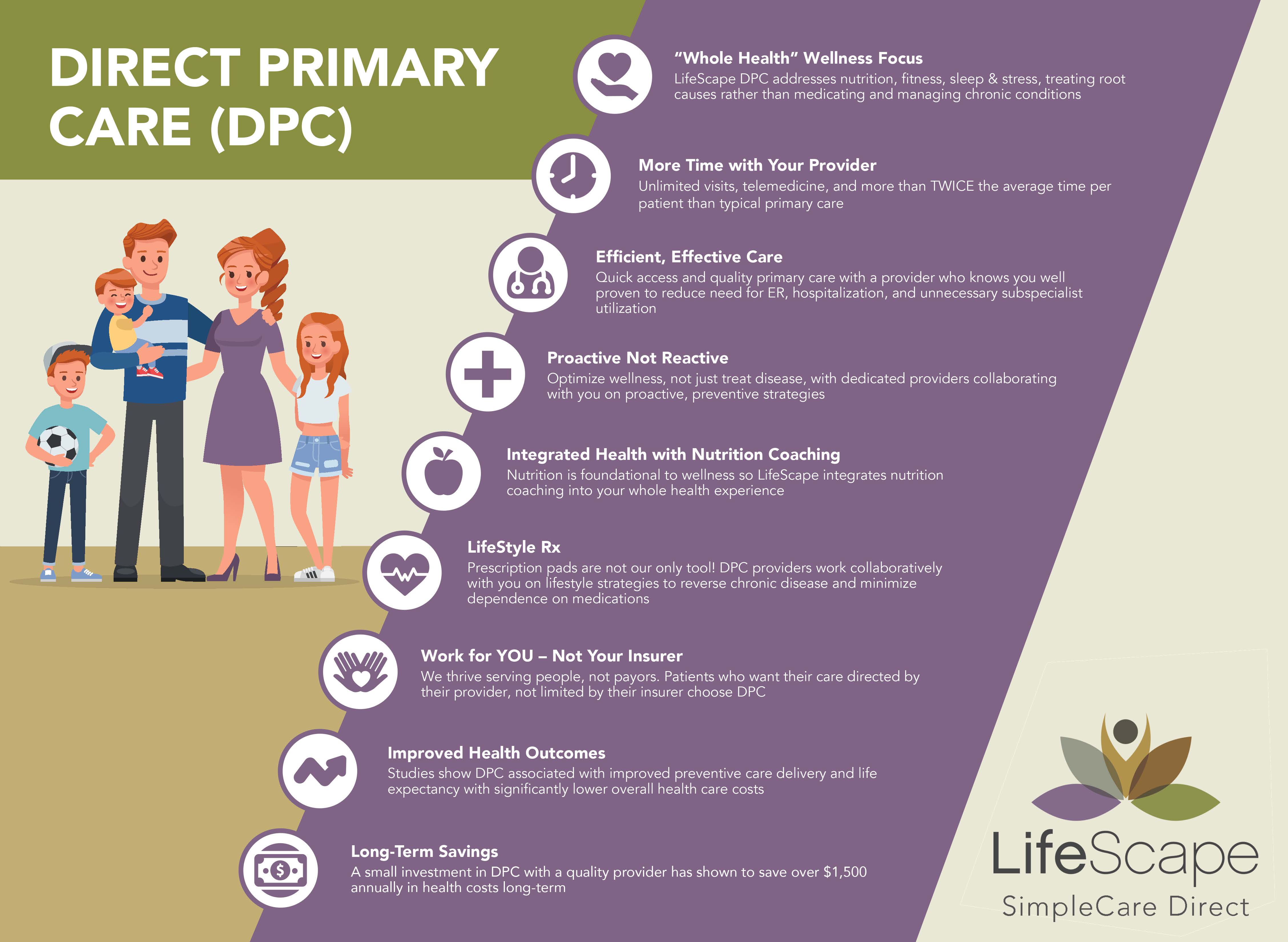
One of the cornerstones of Direct Primary Care (DPC) is its emphasis on preventative health services, a focus that is often overlooked in traditional healthcare models. In DPC, the commitment to proactive care means that patients receive comprehensive screenings and wellness check-ups that can help identify potential health issues before they escalate.
For instance, consider Sarah, a young professional who recently discovered the importance of regular check-ups. Through her DPC practice, she was encouraged to undergo routine blood tests and health screenings. Not only did her doctor suggest a tailored preventative plan, but she also received reminders and follow-ups to keep her on track. The result? Sarah caught potential health concerns early, avoiding complications and costly treatments down the line.
Some key components of preventative health services in DPC include:
- Annual Physicals: Comprehensive exams that assess overall health.
- Vaccinations: Updated immunizations to prevent future illness.
- Health Screenings: Regular blood pressure, cholesterol, and glucose level checks.
Tailored Treatment Plans
Another significant advantage of DPC is the creation of tailored treatment plans. In a traditional setting, a one-size-fits-all approach often leaves patients feeling unsatisfied or misunderstood. However, in DPC, physicians take the time to understand each patient’s unique lifestyle, history, and healthcare goals.
With the luxury of longer appointments and a manageable patient load, doctors can develop customized plans that reflect individual needs.
Features of tailored treatment plans include:
- Personal Health Goals: Collaborating with patients to set achievable health objectives.
- Holistic Approaches: Incorporating nutritional guidance, exercise recommendations, and mental health considerations alongside medical advice.
- Ongoing Adjustments: Regularly revisiting and revising plans based on patient feedback and changing health circumstances.
Daniel, who struggled with managing his diabetes, found immense value in the personalized care at his DPC practice. His doctor worked with him to create a specific diet and exercise regimen that suited his lifestyle, making it easier for him to control his condition effectively. Through the combination of preventative services and customized treatment plans, DPC empowers patients like Daniel to take charge of their health, paving the way for a comprehensive approach to well-being.
Enhanced Convenience and Flexibility
Same-Day or Next-Day Appointments
One of the most appealing aspects of Direct Primary Care (DPC) is the convenience it offers to patients through same-day or next-day appointments. The traditional healthcare model often involves waiting weeks for a visit, leaving patients feeling neglected and frustrated. With DPC, that scenario is flipped on its head, allowing for quick access to healthcare when it matters most.
Imagine Sarah, a busy mom who suddenly starts experiencing severe headaches. In a traditional system, she might need to schedule an appointment far in advance, only to find herself waiting weeks to see her doctor. With DPC, however, Sarah can call her provider’s office in the morning and, more often than not, secure an appointment for later that same day or the next day. This responsive approach not only eases anxiety but also ensures that health concerns are addressed promptly, reducing potential complications.
Key benefits include:
- Rapid Response: Patients can address acute issues quickly, leading to timely interventions.
- No Long Wait Times: More accessible appointments allow for reduced patient stress.
Virtual Care Options
The flexibility of Direct Primary Care extends beyond in-person visits to include virtual care options, a boon especially for those with busy schedules or mobility issues. Using technology, patients can engage with their healthcare providers from the comfort of their homes through video calls, phone consultations, or secure messaging.
Tom, a working professional who travels frequently, shares how virtual care has transformed his healthcare experience. Instead of dealing with the hassle of scheduling visits around his work commitments, he can have quick check-ins with his doctor on the go. Whether it’s discussing a minor ailment or follow-up questions regarding a recent treatment, the ability to connect virtually streamlines his healthcare process.
The benefits of virtual care include:
- Accessibility: Perfect for those living in remote areas or with limited transportation options.
- Convenience: Patients can fit healthcare into their busy lives without sacrificing productivity.
With the combination of same-day appointments and virtual care options, DPC provides a remarkable level of convenience and flexibility that elevates the patient experience, making healthcare not just accessible but also tailored to individual lifestyles.

Focus on Long-Term Health and Wellness
Holistic Approach to Patient Care
In the realm of Direct Primary Care (DPC), a significant focus on long-term health and wellness is evident, particularly through its holistic approach to patient care. Unlike traditional healthcare models that often prioritize treating symptoms, DPC practitioners strive to understand the whole person. This includes considering physical, emotional, and lifestyle factors when developing care plans, which ultimately promotes better health outcomes.
For example, consider Emily, a patient struggling with chronic fatigue. Instead of solely prescribing medication, her DPC doctor explored her diet, sleep patterns, and stress levels. Together, they crafted a comprehensive wellness plan that incorporated nutrition, exercise, and mindfulness techniques. This tailored approach not only addressed Emily’s fatigue but also improved her overall quality of life.
Benefits of a holistic approach include:
- Comprehensive Assessments: Understanding the interconnectedness of physical and mental health.
- Integrated Care Plans: Collaborating on strategies that address all facets of a patient’s life.
Health Education and Empowerment
Another essential aspect of the DPC model is its commitment to health education and empowerment. Patients are encouraged to become active participants in their healthcare journeys, arming them with the knowledge and skills necessary to make informed decisions.
John, a patient at a DPC practice, shares how empowering educational resources transformed his understanding of managing his Type 2 diabetes. Through workshops and personalized consultations, he learned about nutrition, exercise, and the importance of monitoring his blood glucose levels. This active engagement allowed him to take control of his health rather than feeling like a passive participant in his own care.
Key elements of health education in DPC include:
- Workshops and Seminars: Covering topics such as nutrition, stress management, and preventive care.
- Access to Resources: Providing patients with tools, materials, and support networks to foster informed decision-making.
By focusing on long-term health and wellness through a holistic approach and prioritizing education, Direct Primary Care empowers patients like Emily and John to take charge of their health. This results not only in improved health outcomes but also in a more fulfilling and proactive healthcare experience.

Patient Satisfaction and Quality of Care
High Patient Satisfaction Rates
When it comes to healthcare, patient satisfaction is a crucial indicator of the quality of care received. In the realm of Direct Primary Care (DPC), satisfaction rates are notably high. Patients often report feeling more valued and heard compared to traditional healthcare settings, where time constraints can lead to rushed visits.
For instance, Lisa, a nurse and a patient at a DPC practice, recalls her experience. In her previous healthcare model, she felt like her concerns were often overlooked during short appointments. However, in her current DPC practice, she enjoys longer, more meaningful interactions with her doctor. She can discuss all her health issues without feeling rushed.
Key reasons for high patient satisfaction in DPC include:
- Accessible Communication: Patients can easily reach out to their doctors through phone calls, messaging, or in-person visits, fostering a sense of trust.
- Personalized Care: Each treatment plan is tailored to the individual, leading to a stronger patient-provider relationship.
Better Health Outcomes
The positive correlation between high patient satisfaction and better health outcomes is compelling. Research has shown that when patients are more engaged and satisfied with their care, they tend to take better care of themselves and adhere to treatment plans.
Take Mark, for example. After switching to a DPC practice, he began attending regular wellness visits and educational seminars offered by his provider. The combination of accessible care and health management resources has led to significant improvements in his cholesterol levels and overall fitness.
Key factors contributing to better health outcomes in DPC include:
- Preventative Focus: Regular check-ups and screenings to catch potential issues early.
- Patient Empowerment: Informed patients are more likely to make lifestyle changes that positively impact their health.
By prioritizing patient satisfaction and delivering high-quality care, Direct Primary Care not only enhances the patient experience but also leads to significantly better health outcomes. With satisfied patients like Lisa and Mark actively engaged in their health journeys, DPC is proving to be a game-changer in the healthcare landscape.

Direct Primary Care vs. Concierge Medicine
Understanding the Differences
As patients explore various healthcare options, two popular models often come up: Direct Primary Care (DPC) and concierge medicine. While both of these approaches seek to enhance the patient experience through improved access and personalized care, they differ in several key aspects.
In DPC, patients pay a straightforward monthly fee directly to their primary care provider, often resulting in no copays for visits and a focus on holistic, preventative care. The model tends to be more affordable, catering primarily to a broader patient demographic.
On the other hand, concierge medicine typically involves a higher monthly fee and provides more luxurious services, such as same-day appointments, 24/7 access to physicians, and additional amenities. However, this model may limit its reach to those who can afford the higher costs.
Key differences include:
- Cost Structure: DPC offers lower fees, while concierge medicine can be significantly more expensive.
- Services Offered: Concierge practices often provide more extensive services and personalized amenities, creating a luxurious patient experience.
Choosing the Right Model for You
Deciding between Direct Primary Care and concierge medicine ultimately comes down to personal preferences, budget, and healthcare needs.
For instance, if you’re like Anna, a young professional on a budget, DPC might be the perfect fit. She loves the straightforward structure and affordability, enabling her to receive quality care without breaking the bank. Alternatively, if you’re someone who travels frequently or requires immediate access to medical care, concierge medicine could offer the peace of mind you seek.
Consider the following when choosing:
- Budget: Evaluate what you can afford on a monthly basis.
- Healthcare Needs: Think about your personal medical history and the level of access you may require.
- Lifestyle: Determine whether you prefer a more personalized experience or prioritize affordability.
Ultimately, both Direct Primary Care and concierge medicine offer unique benefits, so understanding the differences can help you make an informed decision that aligns with your healthcare goals. Whichever model you choose, the emphasis on patient-centered care will enhance your overall healthcare experience.