
Introduction
Definition of Direct-to-Consumer Marketing
Direct-to-Consumer (DTC) marketing is a strategy where brands sell their products directly to consumers, bypassing traditional retail channels. This approach fosters a closer connection between the brand and the customer, allowing for more personalized marketing efforts. In essence, DTC marketing leverages various digital platforms—be it e-commerce websites, social media, or mobile apps—to engage with customers directly.
For example, consider a small skincare brand that sells its products exclusively through its website. By cutting out retailers, the brand retains greater control over pricing, marketing, and customer experience. This not only allows for tailored marketing campaigns but also helps build a loyal customer base who feels valued by the brand.
Importance of Maximizing ROI
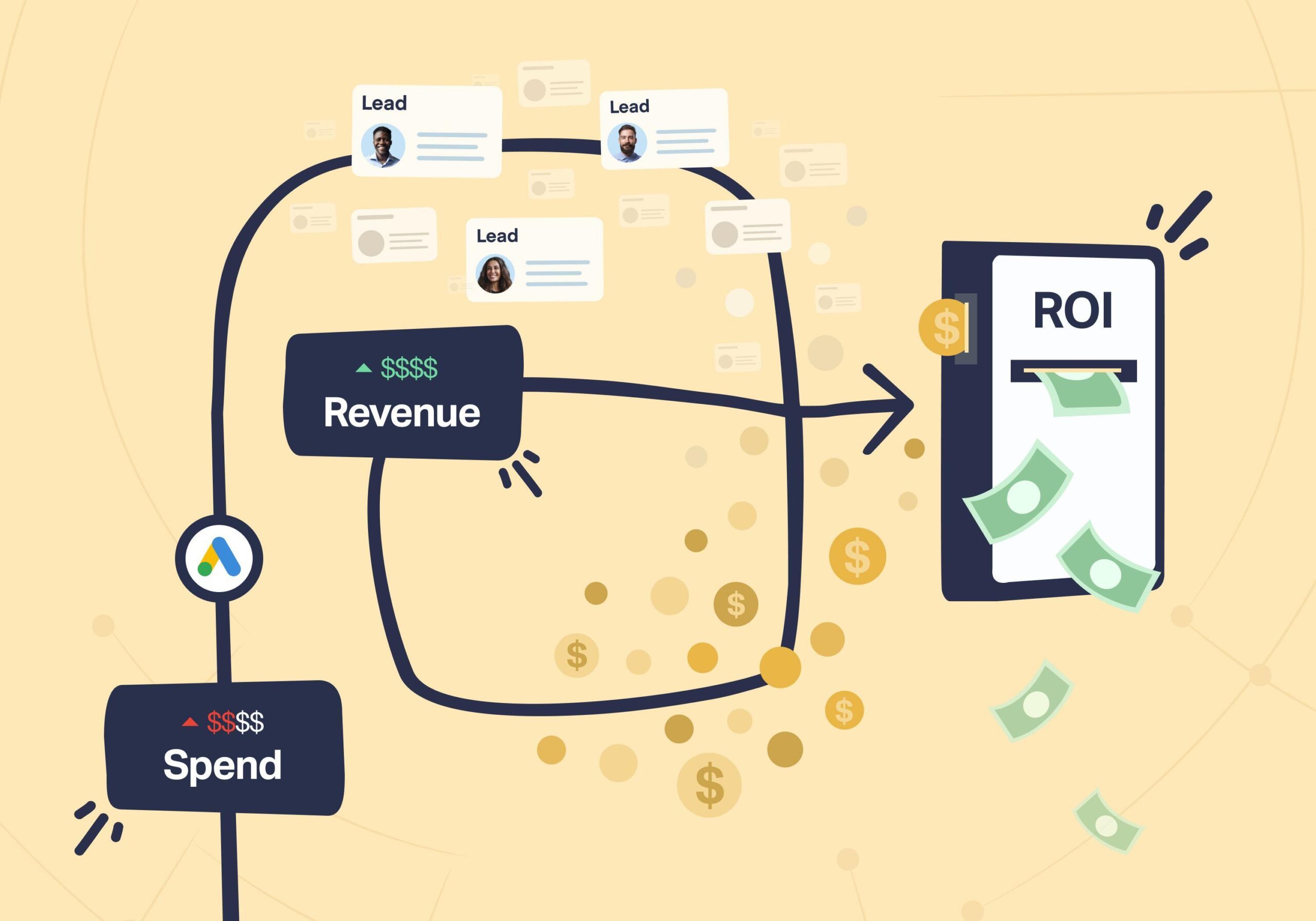
In the world of DTC marketing, maximizing Return on Investment (ROI) is crucial. With every marketing dollar spent, brands strive not only to recoup their costs but to generate profit that can fuel growth.
Here are a few key reasons why optimizing ROI is essential:
- Resource Allocation : Effective ROI measures help brands allocate resources to the most successful marketing channels or campaigns.
- Performance Tracking : Understanding ROI metrics allows brands to track the effectiveness of their strategies in real-time, making it easier to pivot when necessary.
- Competitive Advantage : Brands that successfully maximize ROI can invest more into marketing, allowing for stronger brand visibility and growth compared to competitors.
By embracing DTC strategies and focusing on maximizing ROI, businesses can not only survive but thrive in an increasingly competitive landscape. With evolving consumer expectations and digital preferences, now is the perfect time to explore the vast potential of direct-to-consumer marketing.

Understanding Direct-to-Consumer Marketing Agencies
Role of DTC Marketing Agencies
As businesses navigate the complex landscape of DTC marketing, they often find themselves seeking the expertise of specialized Direct-to-Consumer marketing agencies. These agencies serve as strategic partners, helping brands craft effective marketing strategies that resonate with their target audiences.
DTC marketing agencies typically take on various roles, including:
- Market Research : Agencies conduct thorough analysis to understand consumer behavior, market trends, and competitive landscape.
- Brand Development : They help brands define their identity, including messaging, visual elements, and overall positioning.
- Campaign Development : Crafting compelling marketing campaigns that utilize digital channels effectively, from social media to email marketing.
- Performance Tracking : Using analytics tools to measure campaign success and optimize strategies based on data-driven insights.
In essence, DTC marketing agencies act as an extension of a brand’s marketing team, bringing specialized skills and insights that can significantly enhance marketing efforts.
Benefits of Working with DTC Marketing Agencies
Partnering with a DTC marketing agency can provide numerous advantages for brands looking to capitalize on direct consumer engagement. Here are some benefits:
- Expertise and Experience : Agencies employ professionals with extensive experience in DTC strategies, ensuring brands do not have to navigate the learning curve on their own.
- Cost-Effectiveness : By maximizing marketing budgets through optimized strategies, agencies can help brands generate a better ROI.
- Access to Technology : Agencies have access to advanced tools for analytics, automation, and consumer insights, which may be costly for brands to acquire independently.
- Creative Collaboration : Working with an agency often sparks creative ideas and innovative solutions, ensuring campaigns stand out in a crowded marketplace.
Overall, leveraging a DTC marketing agency can empower brands to navigate the complexities of direct-to-consumer strategies, ultimately driving growth and reaching their full market potential.

Case Study Overview
Company Background
To better understand the impact of DTC marketing strategies, let’s examine a case study of “EcoBlend,” a fictional organic food brand that has made significant strides in the direct-to-consumer landscape. Founded just three years ago, EcoBlend started as a small local business, selling its products at farmers’ markets and health food stores. The brand quickly gained traction due to its commitment to sustainability and high-quality ingredients.
EcoBlend primarily targets health-conscious consumers who prioritize organic and ethically sourced products. With a unique product line that includes plant-based snacks and smoothies, the brand found success in creating a loyal customer base. However, as they aimed to expand their reach, they recognized the need for a more robust online presence and marketing strategy.
Goals and Objectives
With a clear vision for growth, EcoBlend set several goals to enhance their DTC marketing efforts:
- Increase Brand Awareness : They aimed to reach a wider audience beyond local markets and establish themselves as a leading organic food brand online.
- Boost Online Sales : Shifting from in-person sales to e-commerce, they aimed to grow their online revenue by 150% within the first year of implementing their DTC marketing strategy.
- Enhance Customer Engagement : EcoBlend wanted to foster stronger relationships with their customers through personalized marketing campaigns and brand storytelling.
- Improve Customer Retention : They aimed to increase repeat purchases by creating loyalty programs and engaging content that resonates with their target market.
By clearly defining these objectives, EcoBlend was poised to implement strategic DTC marketing initiatives that would ultimately transform their business trajectory. The ensuing steps would involve targeted audience analysis, refined campaign strategies, and ongoing assessments of performance metrics to ensure they achieved their goals.
Strategic Planning for DTC Marketing
Target Audience Analysis
As EcoBlend embarked on its DTC marketing journey, the first critical step was performing a thorough target audience analysis. Understanding who their customers are and what drives their purchasing decisions would lay the foundation for all future marketing efforts.
EcoBlend utilized various methods for audience analysis, including:
- Surveys and Feedback : They sent out surveys to existing customers to gather insights about their preferences, purchasing habits, and lifestyle choices.
- Social Media Listening : By monitoring conversations on social media platforms, EcoBlend identified trending topics, interests, and pain points relevant to their audience.
- Demographic Research : They analyzed demographic data to define segments, such as age, income, location, and interests, focusing on health-conscious consumers aged 25-45.
This comprehensive approach helped EcoBlend create detailed consumer personas, enabling them to tailor their messaging effectively and connect authentically with their audience.
Budget Allocation Strategies
Once EcoBlend identified its target audience, the next step was devising a budget allocation strategy that aligned with their marketing goals. A precise budget is crucial for maximizing ROI and ensuring that every dollar spent brings measurable results.
EcoBlend implemented the following budget allocation strategies:
- Prioritizing High-Performing Channels : They allocated funds primarily to channels that demonstrated the highest engagement and conversion rates, such as social media advertising and email campaigns.
- Setting Aside a Test Budget : EcoBlend set aside a portion of their budget specifically for testing new strategies, such as influencer partnerships or emerging platforms, to stay ahead of trends.
- Monitoring and Adjusting : They established a monthly review of the budget, assessing campaign performance and reallocating resources as necessary to optimize results.
By combining thorough audience analysis with strategic budget allocation, EcoBlend was well-positioned to execute effective DTC marketing campaigns that ensured their objectives stayed within reach while maximizing ROI.
Implementing DTC Marketing Campaigns
Campaign Development Process
With a solid foundation in target audience analysis and budget allocation, EcoBlend proceeded to the campaign development process. Creating a successful DTC marketing campaign involves several stages, designed to ensure that the message resonates with the audience and drives engagement.
- Ideation : EcoBlend gathered their marketing team for brainstorming sessions, focusing on creative concepts that aligned with their brand values and customer interests. They aimed to develop campaigns that highlighted the sustainability of their products, which was a key aspect of consumer attraction.
- Content Creation : Next, they crafted compelling content, including eye-catching visuals, engaging videos, and informative blog posts. This content needed to reflect the brand’s mission and engage their audience emotionally, potentially through storytelling that emphasizes the journey of their organic ingredients.
- Execution Plan : After finalizing the concept, EcoBlend mapped out a detailed execution plan, including timelines, roles, and responsibilities. This ensured that everyone was aligned and on track for launch day.
- Feedback and Adjustments : Upon launching their campaigns, they set up mechanisms to collect real-time feedback. This allowed them to make quick adjustments based on audience reactions and engagement levels.
Choosing the Right Channels
The next step for EcoBlend was choosing the right channels for their DTC marketing campaigns. Given their audience’s behaviors and preferences, they focused on a blend of digital platforms:
- Social Media Platforms : Channels like Instagram and Facebook worked well for visual storytelling. EcoBlend shared mouth-watering images of their products, alongside customer testimonials and engaging polls to boost interaction.
- Email Marketing : They developed targeted email campaigns featuring new product launches and personalized recommendations, creating a direct line of communication to consumers.
- Influencer Partnerships : Collaborating with health and wellness influencers helped them reach a broader audience while promoting authenticity and trust.
- Online Advertising : Paid ads on Google and social media ensured targeted reach, leveraging SEO strategies to attract potential customers searching for organic food options.
By thoroughly executing their campaigns and strategically selecting the right channels, EcoBlend was positioned for success in the competitive DTC landscape. This meticulous approach would ultimately contribute to their goals of boosting brand awareness and increasing online sales.

Measuring ROI in DTC Marketing
Key Performance Indicators
To truly gauge the effectiveness of their DTC marketing efforts, EcoBlend understood the importance of measuring Return on Investment (ROI) through specific Key Performance Indicators (KPIs). By pinpointing the right KPIs, they could ascertain which strategies were performing well and which needed adjustments.
Some of the essential KPIs that EcoBlend focused on included:
- Customer Acquisition Cost (CAC) : This metric helped EcoBlend determine how much they spent to acquire each new customer. By monitoring CAC, they could assess the efficiency of their marketing investments.
- Conversion Rate : Tracking the percentage of visitors who completed a purchase allowed EcoBlend to determine how effective their landing pages and sales funnels were.
- Average Order Value (AOV) : Understanding the average amount spent per transaction helped EcoBlend identify opportunities to encourage larger purchases through upselling strategies.
- Customer Lifetime Value (CLV) : This KPI provided insights into the long-term value of each customer, allowing EcoBlend to make informed decisions about how much to invest in retaining them.
By focusing on these KPIs, EcoBlend could efficiently measure the effectiveness of their campaigns and make data-driven decisions for future marketing efforts.
Tools for Tracking and Analytics
To track these KPIs effectively, EcoBlend utilized a mix of advanced tracking and analytics tools. Some of the tools they employed included:
- Google Analytics : This powerful tool provided comprehensive data on website traffic, user behavior, and conversion tracking, helping EcoBlend understand how customers interacted with their website.
- Social Media Insights : Platforms like Facebook and Instagram offer built-in analytics tools that allowed EcoBlend to track engagement rates, follower growth, and the performance of their social media campaigns.
- Email Marketing Software : Tools like Mailchimp facilitated tracking open rates, click-through rates, and overall campaign performance, which were critical for optimizing their email marketing strategies.
- Customer Relationship Management (CRM) Systems : Utilizing CRM platforms helped EcoBlend manage customer data, track interactions, and analyze customer journeys for deeper insights.
By effectively leveraging these tools to analyze key metrics, EcoBlend was not only able to measure their ROI but also refine their strategies, ensuring ongoing success in the competitive DTC marketplace.
Optimization and Testing
A/B Testing Methods
To continue enhancing their DTC marketing efforts, EcoBlend recognized the importance of optimization and continuous testing. One of the most effective ways to achieve this was through A/B testing. By comparing different versions of their marketing assets, they could determine which elements resonated more with their audience.
EcoBlend employed A/B testing in various aspects of their campaigns, including:
- Email Campaigns : They experimented with different subject lines, calls-to-action, and email layouts to see which combinations resulted in higher open and click-through rates. For instance, one A/B test revealed that emails with personalized subject lines increased engagement by 25%.
- Landing Pages : EcoBlend tested two versions of their website landing page, altering the placement of images and text. The results showed that the version with a prominent customer testimonial not only increased conversions by 15% but also reduced bounce rates significantly.
- Ad Creatives : By varying the visuals and messaging in their social media ads, EcoBlend was able to identify which combinations produced the highest click-through rates and conversions, leading to a more effective ad spend.
Refining Strategies for Better ROI
The insights gained from A/B testing enabled EcoBlend to refine their strategies and optimize their campaigns for better ROI. Here’s how:
- Data-Driven Decisions : With concrete data from A/B tests to guide them, EcoBlend could confidently pivot their marketing strategies. For instance, if a particular product was consistently outperforming others in ads, they would increase visibility and promotions for that product.
- Customer Feedback Integration : Feedback collected through surveys and reviews was also taken into account. For example, frequent mentions of a desire for more recipes using their products led to the creation of a targeted content campaign, showcasing recipes that increased customer engagement and repeat purchases.
- Continuous Monitoring : EcoBlend understood that optimization is an ongoing process. They made it a habit to regularly review campaign performance and customer behaviors, allowing for swift adjustments to align with changing market trends.
By prioritizing A/B testing and consistently refining their strategies, EcoBlend effectively enhanced their marketing effectiveness, ensuring that every effort contributed to maximizing ROI. These practices not only solidified their position in the market but set the stage for future growth.

Case Study Results and Analysis
ROI Achieved
After implementing their DTC marketing strategies, EcoBlend experienced impressive results within the first year. By effectively leveraging their refined marketing campaigns, A/B testing, and customer engagement strategies, they succeeded in achieving a significant return on investment (ROI).
- Sales Growth : EcoBlend saw an increase in online sales by 180% compared to the previous year, exceeding their initial goal of 150%. This surge was largely attributed to targeted email campaigns and effective social media advertising.
- Improved Customer Acquisition : Their Customer Acquisition Cost (CAC) decreased by 30% due to refined targeting and improved conversion rates, allowing them to maximize their marketing budget.
- Loyalty Programs Success : The introduction of a loyalty program resulted in a 40% uplift in repeat purchases, emphasizing the effectiveness of customer retention strategies.
These impressive metrics reflected the successful implementation of their DTC marketing efforts, proving that a data-driven approach could yield substantial returns.
Lessons Learned and Recommendations
The journey EcoBlend undertook provided several valuable lessons that can serve as recommendations for other brands venturing into DTC marketing:
- Prioritize Audience Understanding : Deeply understanding your target audience is crucial. EcoBlend’s customer personas allowed them to tailor messaging and products effectively, which should be a foundational step for any brand.
- Experiment Continually : Adopt a culture of testing and experimentation. A/B testing should not be a one-time effort but a continuous process, as consumer preferences can shift over time.
- Invest in Analytics : Utilize analytics tools to track performance and gain insights. EcoBlend’s use of Google Analytics and CRM systems enabled them to make informed decisions quickly.
- Engage and Listen to Customers : Keep the lines of communication open with customers. Their feedback played a crucial role in EcoBlend’s ability to refine strategies and enhance product offerings.
In essence, EcoBlend’s success story serves as a powerful reminder that with diligent strategy, ongoing analysis, and a commitment to understanding the customer, DTC marketing can lead to remarkable results.

Conclusion
Recap of Key Points
As we reflect on EcoBlend’s successful DTC marketing journey, several key points stand out that any brand can learn from. This case study illustrates the importance of a well-rounded approach in navigating the direct-to-consumer landscape. Here’s a quick recap:
- Understanding the Audience : EcoBlend’s thorough audience analysis allowed them to tailor their marketing strategies effectively. Knowing your customer is the bedrock of successful DTC efforts.
- Strategic Campaign Development : The structured campaign development process, supplemented by A/B testing, enabled EcoBlend to refine their messaging and creatives, ensuring maximum engagement.
- Measuring Success : Utilizing key performance indicators (KPIs) and tracking tools helped EcoBlend gauge the effectiveness of their strategies, driving better-informed decisions.
- Continuous Optimization : By fostering a culture of testing and learning, EcoBlend was able to adapt promptly to customer feedback and market changes, reinforcing the idea that marketing is an ongoing process.
Future Trends in DTC Marketing
Looking ahead, the DTC marketing landscape is poised for exciting developments. Here are a few trends that are expected to shape its future:
- Increased Personalization : As consumers seek more individualized experiences, brands will need to leverage big data and AI for hyper-personalized marketing strategies that cater directly to individual preferences and behaviors.
- Sustainability Focus : Conscious consumerism is on the rise, and brands that prioritize sustainability in their offerings and messaging will likely resonate more with their target audiences.
- Omni-channel Approaches : While DTC is about direct engagement, integrating multiple channels—both online and offline—will become crucial. Brands will need to ensure a seamless experience across all touchpoints.
- Most Community-Centric Marketing : Building communities around brands will become increasingly important, with brands focusing on customer engagement and loyalty through social platforms, forums, and exclusive events.
In summary, as the DTC marketing landscape evolves, brands like EcoBlend that adapt and innovate will be positioned to thrive. Embracing these trends will not only enhance customer relationships but also drive sustainable growth in an ever-competitive market.