
Introduction
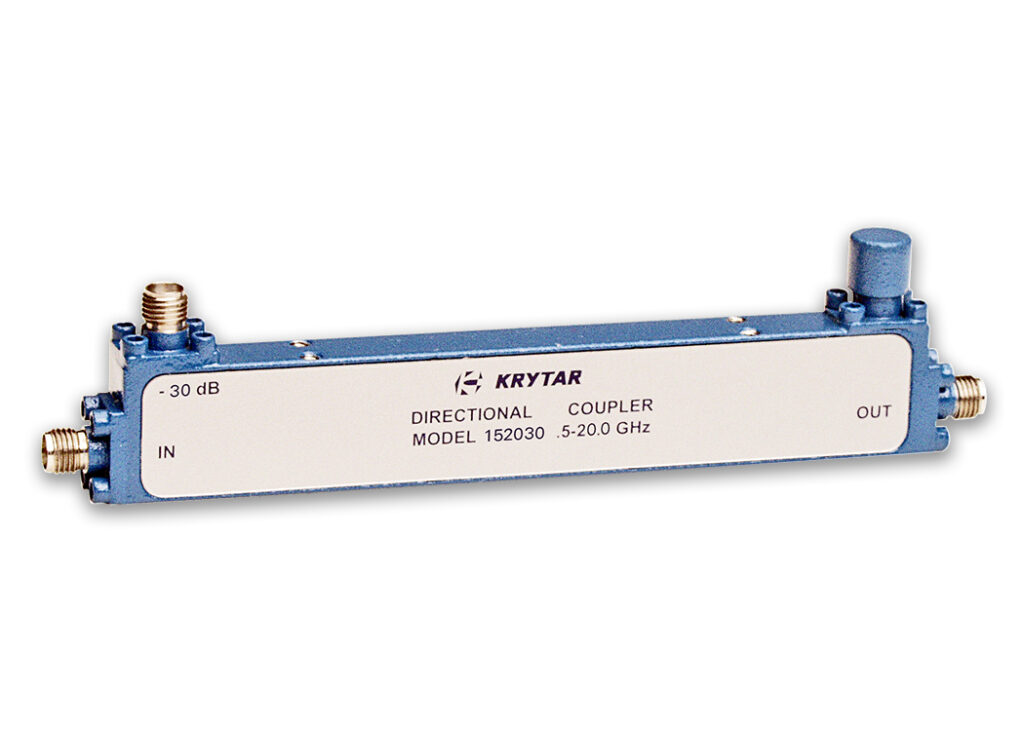
Overview of Directional Couplers
Directional couplers are indispensable components in the world of electronic communications, enabling efficient power division and signal routing. They come into play when there’s a need to sample the input or output of a signal without interfering with the main transmission line. Their unique design allows for minimal insertion loss and high isolation between ports, making them ideal for various applications within both commercial and military platforms.
To give you a clearer picture, let’s break it down:
- Core Function: They manage the coupling of electromagnetic energy between transmission lines.
- Design Variants: There are several types, including resistive, hybrid, and waveguide couplers, each designed for specific frequency ranges and coupling ratios.
- Application Spectrum: From telecommunications and broadcasting to satellite communications, directional couplers serve numerous industries, underlining their significance in modern technology.
High-Frequency Wideband Directional Couplers
As technology advances, so does the demand for high-frequency wideband directional couplers. These devices are designed to operate over a broad frequency range while maintaining exceptional performance. Their ability to handle high frequencies makes them crucial for applications such as:
- 5G Infrastructure: With the rollout of 5G, the need for robust wideband couplers has surged, as they help manage the demands of enhanced data speeds and network reliability.
- RF and Microwave Systems: These couplers play a vital role in radar and satellite communications, where they ensure efficient signal measurement and distribution.
For instance, imagine a telecommunications provider integrating 5G technology—high-frequency wideband directional couplers are essential in ensuring that the signals reach consumers effectively, supporting the seamless connectivity that users expect.
In summary, understanding directional couplers, particularly the high-frequency wideband variants, is essential for grasping how modern communication systems operate efficiently. They form the backbone for next-generation technologies that continually shape our world.
Market Analysis
Growth Trends
The market for directional couplers, particularly high-frequency wideband variants, has witnessed remarkable growth in recent years. This surge can be attributed to several trends shaping the electronic communications landscape. Here are some notable trends:
- Increased Data Consumption: The explosion of data usage, spurred by video streaming and online gaming, is driving the demand for efficient communication technologies that utilize directional couplers.
- 5G Technology Adoption: As 5G networks continue to roll out globally, directional couplers are becoming critical components in both infrastructure and end-user devices. Companies are investing heavily in these technologies to support faster speeds and improved connectivity.
- Expansion of IoT Devices: The rise of the Internet of Things (IoT) has prompted the need for reliable signal routing and power division in various applications, further amplifying the demand for directional couplers.
Overall, the growth trajectory of the industry looks promising, with analysts forecasting steady expansion in the coming years.
Key Market Players
As the market expands, several key players are leading the charge in designing and manufacturing directional couplers. Here are a few notable names to watch:
- Teledyne Technologies: Known for their robust RF solutions, they focus extensively on high-frequency applications.
- AVX Corporation: Offering a wide array of components, they have established a strong presence in the passive components market, including directional couplers.
- L-com Global Connectivity: This company has carved a niche in specialized RF and microwave components, providing tailored solutions for various applications.
Moreover, these players are constantly innovating and forming strategic partnerships to strengthen their foothold in the market. For instance, collaborations between manufacturers and telecommunication giants often result in cutting-edge technology designed to meet the evolving demands of modern systems.
In essence, the directional coupler market is not only growing but also evolving, with key players continuously pushing boundaries to remain competitive.
Technological Advancements
Innovations in High-Frequency Wideband Couplers
As the demand for faster and more reliable communication systems grows, so too does the innovation surrounding high-frequency wideband directional couplers. Manufacturers are pushing the envelope to develop couplers that not only meet current specifications but also anticipate future needs. Here are some groundbreaking advancements that are making waves in the industry:
- Miniaturization: New techniques in fabrication have led to smaller couplers that maintain high performance without taking up valuable space. This is particularly important in mobile devices where real estate is at a premium.
- Higher Power Handling: Recent models can handle greater power levels without compromising on efficiency, which is crucial for applications in radar and telecommunications systems.
- Improved Bandwidth: Innovations in material science have resulted in couplers that offer broader bandwidth capabilities, making them suitable for a wider range of frequencies, thereby enhancing their application across various platforms.
For instance, these advancements enable engineers to design better RF front-ends that can support increasingly complex signals.
Impact of 5G Technology
The advent of 5G technology has profoundly influenced the evolution of directional couplers. With the explosion of connected devices and the demand for ultra-reliable low-latency communication, directional couplers are stepping up to meet these challenges:
- Increased Efficiency: High-frequency couplers now support multi-band applications, significantly increasing data transmission efficiency which is fundamental to the success of 5G networks.
- Enhanced Collaboration in Design: Companies are collaborating with telecommunications providers to develop specialized couplers that optimize network performance. This kind of partnership has led to innovations in beamforming and massive MIMO technologies.
- Adaptive Beamforming: Directional couplers are playing a key role in dynamic adjustment, allowing networks to shift signals and maintain quality as user demands fluctuate.
In summary, the technological advancements in high-frequency wideband couplers, combined with the impact of 5G, are transforming the communication landscape, ensuring that systems are more efficient, compact, and capable of meeting the complexities of modern networks.
Regional Market Insights
North America
North America remains a powerhouse in the directional coupler market, driven primarily by advanced technological infrastructure and a robust telecommunications sector. Key factors contributing to the region’s strong performance include:
- High Adoption Rates of 5G: As major cities roll out 5G networks, there’s an increased demand for high-frequency wideband couplers. Companies are eager to integrate these components to enhance their network performance.
- Research and Development: A significant investment in R&D by manufacturers has led to innovative designs and products, allowing them to stay ahead of the competition.
- Strong Competition: The landscape is populated with major players like Teledyne Technologies and Qorvo, pushing the envelope for new technologies.
For example, many North American tech giants are actively seeking to develop custom solutions that leverage high-frequency couplers to optimize their infrastructure, ultimately benefitting consumers with faster and more reliable connectivity.
Asia-Pacific
In contrast, the Asia-Pacific region is experiencing rapid growth in the directional coupler market, fueled by factors such as:
- Emergence of New Technologies: Countries like China and India are investing heavily in telecommunications infrastructure and the Internet of Things (IoT), creating a high demand for directional couplers.
- Growing Consumer Base: With a rising population and increased internet penetration, there’s an undeniable need for enhanced communication networks that can support larger user bases efficiently.
- Manufacturing Hub: Many key manufacturers are headquartered in Asia, allowing for cost-effective production and quicker turnaround times for innovation.
Additionally, as exemplified by major telecommunication companies in India, the push for affordable 5G services means that high-frequency wideband couplers will be integral in ensuring these networks can handle extensive user demands without compromising on performance.
In summary, while North America leverages its technological leadership, the Asia-Pacific region is rapidly adapting and evolving to meet the growing global demand for directional couplers, particularly in the age of 5G and IoT. These regional insights highlight the dynamic nature of the directional coupler market and the distinctive strategies being implemented worldwide.
Market Challenges and Opportunities
Regulatory Issues
As directional couplers become increasingly critical in communication systems, regulatory challenges are starting to surface that could impact growth. Regulatory bodies govern standards for electromagnetic compatibility (EMC), safety, and spectrum usage, which can sometimes create hurdles for manufacturers. Here are some challenges that the market faces:
- Stringent Compliance Requirements: Manufacturers must adhere to a variety of local and international standards, which can complicate the development process and extend time-to-market.
- Dynamic Regulatory Landscape: As technology evolves, regulations do too, often with little warning. Staying updated can be challenging for companies operating across multiple regions.
- Licensing Costs: New product designs may require added investments in testing and certification, impacting overall profitability.
For instance, a company eager to launch a new high-frequency coupler must navigate complex regulations in various jurisdictions, which can prove to be a significant barrier.
Emerging Applications
Despite these challenges, the directional coupler market is ripe with opportunities, particularly through emerging applications that capitalize on evolving technology trends. Some key areas include:
- 5G Technology: The rollout of 5G networks presents a vast array of applications where high-frequency directional couplers can enhance signal routing and improve connectivity.
- Internet of Things (IoT): As IoT devices proliferate, so does the need for efficient communication channels, creating a significant need for directional couplers that can handle diverse signal environments.
- Automotive Industry: With advancements in connected and autonomous vehicles, directional couplers are becoming essential for ensuring reliable wireless communication between vehicles and infrastructure.
These emerging applications indicate that adaptive companies will find numerous avenues for growth, transforming potential challenges into opportunities. The key lies in embracing innovation while navigating regulatory landscapes, enabling firms to develop and implement solutions that cater to the evolving demands of consumers and industries alike. Ultimately, the future of the directional coupler market promises a wealth of possibilities for those ready to meet both the challenges and the opportunities head-on.

Competitive Landscape
Market Competition
The directional coupler market is becoming increasingly competitive as demand surges in response to technological advancements and the growth of 5G networks. Several key players are investing heavily in innovation and differentiation to stay ahead of the curve. Here are some notable aspects of the competitive landscape:
- Diverse Product Offerings: Companies are now expanding their portfolios to include a range of directional couplers tailored for specific industries, whether that’s telecommunications, aerospace, or automotive.
- Pricing Strategies: Given the competitive nature of the market, manufacturers are leveraging pricing strategies to attract clients while balancing quality and cost-effectiveness. This has led to increased competition but also to better technology accessibility for small and medium enterprises.
- Technological Innovations: Companies are continually investing in R&D to introduce new features, such as miniature designs and improved bandwidth capabilities, to capture a larger market share.
For example, one company might focus on developing compact, high-efficiency couplers suitable for mobile applications, while another emphasizes high-power options for industrial uses.
Strategic Partnerships
In this competitive environment, strategic partnerships are becoming essential for success. Collaborations can bring together complementary strengths, allowing companies to enhance their offerings and reach broader markets. Here are some trends in strategic partnerships:
- Joint Ventures: Many companies are entering joint ventures to develop advanced technologies, pooling resources for R&D and innovation. This not only accelerates product development but also shares the financial burden associated with bringing new technologies to market.
- Collaborations with Telecommunication Firms: By partnering with major telecommunication providers, manufacturers can ensure their products are tailored for real-world applications based on feedback from industry leaders.
- Academic Partnerships: Collaborations with universities and research institutions are also on the rise. These partnerships can lead to breakthroughs in material science and new designs, enhancing the overall functionality of directional couplers.
To illustrate, a manufacturer might team up with a telecom giant to create a specialized directional coupler optimized for 5G network requirements, ensuring that both parties benefit from shared expertise and insights.
In conclusion, the competitive landscape of the directional coupler market is shaped by fierce competition and strategic collaborations, both of which are essential for navigating the complexities of a rapidly evolving technological environment. This dynamic ensures that innovation continues to thrive, positioning the market for growth in the years to come.
Market Forecast
Growth Projections
As we look toward the future, the directional coupler market is poised for significant growth, driven by technological advancements and increasing demand across various sectors. Analysts anticipate that the market will expand at a robust compound annual growth rate (CAGR) over the next five to seven years. Key factors influencing these projections include:
- 5G Expansion: With 5G technologies rolling out across the globe, companies in telecommunications and networking are projected to invest heavily in high-frequency wideband directional couplers to meet the escalating need for connectivity.
- Rise of Smart Devices: As IoT devices proliferate, the need for effective communication strategies will prompt further adoption of directional couplers, bolstering market growth.
- Industry Innovations: Continuous R&D efforts are likely to lead to improved designs and applications, enhancing product offerings and creating new avenues for market expansion.
For instance, many companies are already preparing to adapt their solutions specifically for 5G applications, which promises considerable opportunities in the coming years.
Demand Analysis
Understanding demand dynamics is equally crucial to projecting the market’s future. Various industries are expected to drive the demand for directional couplers, including:
- Telecommunications: As mobile networks upgrade to 5G, the requirement for high-performance couplers rises, making this sector a significant revenue generator.
- Automotive: The automotive industry’s shift toward connected and autonomous vehicles is likely to contribute substantially to the demand for directional couplers that facilitate reliable communication.
- Aerospace and Defense: This sector will continue to require specialized couplers to support advanced radar and communication systems, ensuring stable and secure connections.
Moreover, businesses that address the challenges posed by regulatory issues can seize additional opportunities in the market. With an agile approach to compliance, these companies can position themselves as trusted partners in rapidly evolving environments.
In summary, the market forecast for directional couplers is overwhelmingly positive, with strong growth projections and diverse demand factors pointing toward a vibrant future. As industries increasingly recognize the value of efficient communication systems, the directional coupler market stands to benefit considerably, making it an exciting arena for both new entrants and established players.