
Introduction
Evolution of Email Marketing
Email marketing has come a long way since its inception in the early days of the internet. Initially, it was just a novel way for businesses to reach out to customers, often resulting in more spam than genuine communication. Fast forward to today, and email has transformed into one of the most effective marketing channels, where businesses can communicate with precision and relevance.
Over the years, email marketing has evolved through several phases:
- Basic Outreach : Sending generic emails to as many people as possible.
- Targeted Campaigns : Growth of audience segmentation and targeted messaging.
- Personalization : Customized emails based on user behavior and preferences.
- Automation : Implementing automated workflow for timely and relevant communication.
This progression reflects businesses’ understanding that customer engagement and satisfaction are crucial to building lasting relationships.
Rise of SaaS in Email Marketing
In recent times, software as a service (SaaS) platforms have dramatically changed the landscape of email marketing. With an abundance of user-friendly tools—from Mailchimp to HubSpot—businesses of all sizes can deploy sophisticated marketing strategies without needing extensive technical knowledge.
Consider this:
- Ease of Use : SaaS platforms often come with intuitive drag-and-drop interfaces that make designing emails a breeze.
- Cost-Effective : Startups can access premium features for a low monthly fee, making it budget-friendly.
- Analytics and Reporting : Tracking metrics such as open rates and click-through rates has never been simpler, enabling data-driven decisions.
By utilizing SaaS, companies can not only streamline their processes but also enhance their ability to connect with customers more personally and strategically. In this digital age, the rise of SaaS has truly democratized email marketing, ensuring that even the smallest of businesses can compete effectively.
Understanding Engagement
Importance of Engagement Metrics
Once a company harnesses the power of email marketing, the next step is to measure how effective their communications are. This is where engagement metrics come into play. Tracking these metrics helps businesses understand how their audience interacts with their emails, providing valuable insights that guide strategy.
Key engagement metrics to consider include:
- Open Rate : Measures the percentage of recipients who opened the email. A higher open rate indicates a compelling subject line.
- Click-Through Rate (CTR) : Reflects the percentage of readers who clicked on a link within the email, showcasing content relevance.
- Conversion Rate : The ultimate goal—how many recipients took the desired action, such as signing up for a webinar or making a purchase.
- Bounce Rate : The percentage of emails that couldn’t be delivered, signaling issues with the email list.
Understanding these numbers is crucial for refining marketing efforts and enhancing overall effectiveness.
Strategies to Improve Email Engagement
Improving engagement requires thoughtful strategies that resonate with your audience. Here are a few tried-and-tested approaches:
- Craft Engaging Subject Lines : Start with an attention-grabbing subject line that piques curiosity. For example, instead of “January Newsletter,” try “Unlock Exclusive Deals for January!”
- Segment Your Audience : Divide your email list based on criteria such as demographics, purchase history, or engagement levels to send targeted messages.
- Optimize Send Times : Experiment with different sending times to discover when your audience is most responsive.
- A/B Testing : Test different elements of your email—subject lines, layouts, and calls-to-action—to see what your audience prefers.
- Encourage Feedback : Ask recipients for feedback directly in your emails. This not only improves engagement but also builds a sense of community.
By focusing on engagement metrics and implementing these strategies, businesses can create stronger connections with their audience, driving better results in their email marketing efforts.
Enhancing Email Delivery
Utilizing SaaS for Deliverability
As marketers dive deeper into their email strategies, one of the critical aspects they must address is email deliverability. After all, what’s the point of crafting the perfect message if it never lands in the recipient’s inbox? Utilizing SaaS platforms can significantly enhance these efforts.
Many SaaS solutions offer built-in tools that help ensure emails reach their intended destinations. For instance, platforms like SendGrid and Mailgun provide features that monitor bounce rates and sender reputation, which are crucial for maintaining a healthy email list.
Benefits of using SaaS for email deliverability include:
- Real-Time Monitoring : Keep tabs on your delivery rates and identify issues as they arise.
- Authentication Protocols : SaaS tools often come with automated SPF, DKIM, and DMARC configurations to enhance security and credibility.
- IP Warm-Up : Gradually increasing the volume of emails sent to establish a good sending reputation.
By leveraging these features, businesses can improve their chances of landing in the inbox rather than the dreaded spam folder.
Best Practices for Email Delivery Optimization
To further enhance email delivery, businesses can adopt several best practices:
- Clean Your Email List Regularly : Remove inactive or invalid addresses to maintain a healthy bounce rate.
- Segment Your Audience : Tailor your email campaigns to specific demographics or interests, which can lead to higher engagement.
- Use a Recognizable From Name : Ensure that your brand is easily identifiable in the “From” field to build trust.
- Optimize Subject Lines and Content : Avoid spammy phrases and ensure that your content aligns with what your readers expect.
- Run A/B Tests on Send Times : Experiment with different times and days to find the optimal window for your audience.
- Monitor Engagement : Keep a close eye on open rates and click-through rates to adjust strategies promptly.
By following these best practices, brands can not only enhance their email delivery but also build a more robust relationship with their audience, ensuring messages are seen and appreciated.
Personalization and Segmentation
Benefits of Personalized Emails
Transitioning into the realm of personalization can significantly amplify the effectiveness of email marketing. Personalized emails go beyond simply inserting a recipient’s name into the subject line; it’s about crafting messages that resonate on a deeper level.
When businesses employ personalized strategies, they can experience numerous benefits:
- Increased Engagement : When emails feel tailored to the reader’s interests, individuals are more likely to engage, whether it’s clicking through or responding.
- Higher Conversion Rates : Personalized emails can lead to up to 6 times higher transaction rates, as recipients are more inclined to act on relevant offers.
- Improved Customer Experience : Personalization helps create a bond between the brand and the customer, enhancing overall satisfaction.
For instance, a clothing store might send tailored recommendations based on past purchases, such as suggesting accessories that complement an outfit previously bought. This small touch can elevate the shopping experience and encourage future purchases.
Segmenting Audiences for Better Conversions
Taking personalization a step further, audience segmentation is a powerful tool that ensures the right message reaches the right people at the right time. By dividing an email list into distinct groups, businesses can tailor messages specifically for each segment.
Effective audience segmentation techniques include:
- Demographic Segmentation : Grouping based on age, gender, or location.
- Behavioral Segmentation : Categorizing users by their purchase history or engagement level.
- Psychographic Segmentation : Dividing audiences based on interests, values, and lifestyles.
For example, an online education platform might segment its audience into students and professionals, sending tailored content that meets each group’s specific needs—like study tips for students and career advancement webinars for professionals.
Ultimately, by harnessing the power of personalization and segmentation, brands can create more meaningful connections with their audience, leading to improved engagement, trust, and higher conversion rates.
A/B Testing and Optimization
Importance of A/B Testing
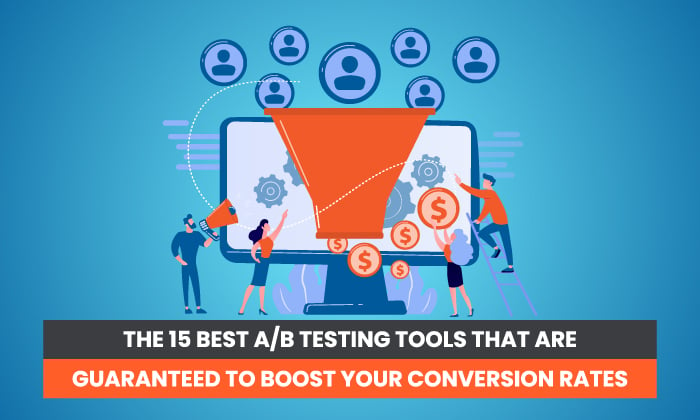
As marketers delve deeper into personalization and segmentation, the need for continuous improvement becomes clear. This is where A/B testing, or split testing, comes into play, serving as a vital strategy for optimizing email campaigns.
A/B testing involves comparing two versions of an email to see which one performs better among a particular audience segment. This could be as simple as tweaking the subject line or altering the call-to-action button. The insights gained from A/B testing are invaluable, as they help marketers make data-driven decisions rather than relying on assumptions.
The importance of A/B testing can be highlighted through several key points:
- Enhanced Engagement : By determining what resonates most with recipients, businesses can craft emails that capture attention.
- Higher Conversion Rates : A/B testing enables the optimization of elements that directly influence customer actions, such as signing up or making a purchase.
- Informed Decisions : It provides a clearer understanding of audience preferences, aiding in more effective long-term strategies.
Techniques for Optimizing Email Campaigns
To ensure that A/B testing yields the best results, specific techniques can be employed in email campaigns:
- Test One Variable at a Time : Whether it’s the subject line, content, or images, focusing on a single change allows for clearer insights.
- Use Clear Metrics : Define what success looks like before starting the A/B test. This could be open rates, click-through rates, or conversion rates.
- Segment Your Audience : Tailoring tests to specific audience segments can lead to richer insights and personalized results.
- Run Tests for Sufficient Time : Allow enough time for results to formulate; this could be a few days to capture varied responses.
- Review Past Data : Analyze previous campaigns for lessons learned. What worked before? What didn’t? This historical context can guide future tests.
By implementing these A/B testing techniques, businesses can consistently refine their email strategies, ultimately driving better engagement, enhancing customer relationships, and boosting overall conversions.
Automation and Drip Campaigns
Implementing Automation with SaaS
As businesses continue to refine their email marketing strategies, automation emerges as a game changer. Leveraging SaaS platforms allows marketers to set up automated processes that can save time and increase efficiency while maintaining a personal touch.
Implementing automation with SaaS is straightforward and offers several key benefits:
- Time-Saving : Marketers can schedule emails in advance, freeing up time for other strategic initiatives.
- Consistency : Automated emails ensure that communication remains consistent and timely, crucial for nurturing leads.
- Personalization at Scale : Automation systems can still incorporate personal touches, such as addressing recipients by name or sending tailored recommendations based on user behavior.
Platforms like Mailchimp, HubSpot, and ActiveCampaign make it easy to set up automation workflows. For example, when a new subscriber joins your email list, they can automatically receive a welcome series that introduces your brand, showcases popular products, and offers exclusive discounts.
Creating Effective Drip Campaigns
One powerful application of automation is in drip campaigns. These are series of pre-scheduled emails sent to nurture leads and engage customers over time. Crafting effective drip campaigns requires careful planning and strategy.
Here are some key techniques for creating impactful drip campaigns:
- Define Clear Goals : Know what you want to achieve—whether it’s onboarding new users, re-engaging inactive customers, or promoting a new service.
- Create Valuable Content : Each email in the drip sequence should provide value. For onboarding, you might share tips, tutorials, and resources to help users get started.
- Segment Your Audience : Tailor your drip campaigns to different audience segments based on their behavior and interests. For instance, a tech company might send different content to software developers versus project managers.
- Monitor Performance : Use analytics to track engagement and effectiveness. This allows for adjustments and improvements to enhance results continually.
By implementing automation and crafting well-thought-out drip campaigns, businesses can build strong relationships with their audience, ensuring timely and relevant communication that drives engagement and conversions.
Data Analytics and Reporting
Utilizing Data for Decision Making
Continuing the journey through email marketing, data analytics and reporting play a pivotal role in shaping effective strategies. In today’s data-driven world, gathering insights from email campaigns is essential for making informed decisions.
Utilizing data can significantly enhance marketing efforts in several ways:
- Identifying Trends : By analyzing metrics like open rates, click-through rates, and conversion rates, businesses can identify patterns that inform future campaigns.
- Optimizing Targeting : Data helps marketers understand customer behavior. This enables more refined audience segmentation, ensuring the right message reaches the right audience.
- Testing and Iteration : Real-time analytics allow teams to test different strategies and iterate based on what is working best. This agility leads to continuous improvement.
For example, if a company notices consistently high engagement rates from a particular segment of its audience, it can pivot resources to tailor more content specifically for that group, leading to even greater conversion potential.
Importance of Reporting in Email Marketing
Alongside data analysis, effective reporting is essential for tracking progress and ultimately achieving marketing goals. Insights derived from comprehensive reports provide the backbone for strategic decisions.
Key reasons why reporting is crucial in email marketing include:
- Performance Measurement : Reports help assess whether goals are met and campaigns are successful, providing a benchmark for future campaigns.
- Resource Allocation : By understanding which campaigns are yielding the best results, businesses can allocate resources where they will have the most impact.
- Accountability : Regular reporting fosters accountability within marketing teams, ensuring that everyone is aligned with objectives and aware of results.
A well-structured report might include metrics such as individual campaign performance, audience engagement levels, and overall ROI. By regularly reviewing these reports, businesses can identify areas for improvement, allowing teams to optimize future email marketing efforts effectively.
In conclusion, the combination of data analytics and consistent reporting ensures that businesses can navigate the complexities of email marketing confidently, ultimately leading to enhanced performance and measurable success.
Retention Strategies
Building Customer Loyalty through Email
As the focus of email marketing shifts towards retention, building customer loyalty becomes a top priority. A loyal customer base not only drives revenue but also leads to brand advocacy, opening doors for new potential customers through word-of-mouth referrals.
One of the most effective ways to cultivate loyalty is through personalized email communication. Here are some essential strategies to consider:
- Exclusive Offers : Reward loyal customers with exclusive discounts, early access to new products, or special sales events.
- Consistent Communication : Keep customers engaged with regular, value-driven emails that inform them about useful tips, how-to guides, or product updates.
- Feedback Opportunities : Actively seek customer feedback and respond to it. Sending surveys or asking for opinions can make customers feel valued and heard.
For example, a local coffee shop might send out a birthday email with a special offer for a free drink. Small gestures can create significant emotional connections, reinforcing customer loyalty.
Retention Campaigns for SaaS Users
For SaaS companies, retention campaigns are critical; acquiring a new customer can be five times more expensive than retaining an existing one. Therefore, implementing strategic retention campaigns tailored to SaaS users is essential.
Consider these techniques for effective retention campaigns:
- Onboarding Series : Create a sequence of emails designed to guide new users through your platform, complete with tutorials and best practices. This helps ensure they see the value immediately.
- Usage Reminders : Send periodic reminders to users who have not engaged recently, suggesting features they might not be utilizing fully.
- Regular Updates : Keep users informed about new product features, updates, and improvements. This not only showcases commitment to quality but also helps users gain the most from the service.
- Customer Success Check-Ins : Periodically reach out with personalized emails, checking in on their experience. Offer help or additional resources to ensure they are satisfied.
By effectively employing these strategies, SaaS businesses can enhance user engagement and satisfaction, reducing churn and fostering long-term loyalty. In the competitive landscape of email marketing, retaining existing customers is just as important as acquiring new ones, making these retention strategies vital for sustained success.