

Introduction
Importance of Email Marketing
Email marketing remains an essential tool in any marketer’s arsenal, and for good reason. With billions of emails sent daily, this platform offers unparalleled chances to connect and engage with customers directly. Unlike social media, where posts can easily be lost amid a deluge of content, emails land directly in a user’s inbox, making them hard to ignore.
Consider this: A survey by Direct Marketing Association reveals that for every $1 spent on email marketing, the average return on investment is around $42. This speaks volumes about how effectively email campaigns can drive conversions. More importantly, email marketing allows businesses to build lasting relationships with their customers.
Key benefits include:
- Direct Communication : Emails provide a personal touch, making customers feel valued.
- Cost-Effectiveness : Compared to traditional marketing avenues, email is extremely budget-friendly.
- Measurable Results : Marketers can track open rates, click-through rates, and conversions effortlessly.
- Customization : Messages can be tailored to suit different segments of an audience.
Overview of Emma’s Email Marketing Tools
Emma’s email marketing tools are designed to facilitate all aspects of email marketing, making it simpler for businesses to launch effective campaigns. With an intuitive interface, even those without technical expertise can navigate and utilize its features.
Key features of Emma’s email marketing tools include:
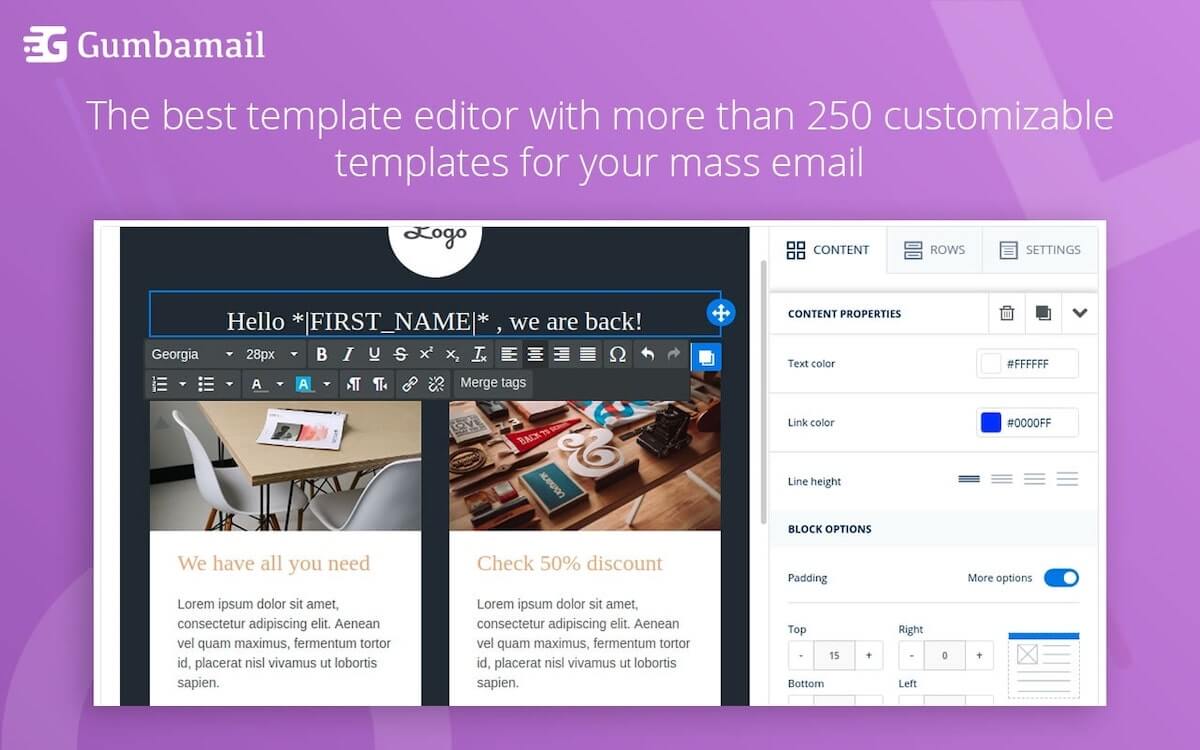
- Drag-and-Drop Editor : Easily design stunning emails without needing coding skills.
- List Management : Segment your audience effortlessly to tailor your messages for greater impact.
- A/B Testing : Analyze different versions of emails to see which performs better, ensuring continuous improvement.
- Automated Campaigns : Set up automated workflows to nurture leads or onboard new customers seamlessly.
In summary, understanding the importance of email marketing and leveraging Emma’s robust tools can significantly enhance a company’s ability to connect with their audience and drive results. By harnessing these resources, businesses can craft campaigns that not only reach their target audience but resonate with them on a deeper level.
Understanding Your Audience
Segmentation Strategies
To truly connect with an audience, businesses must first understand who they are trying to reach. Segmentation is a key strategy that involves dividing your email list into smaller groups based on specific criteria. This approach allows for more targeted and effective communication.
For instance, a local gym may segment its audience based on fitness goals: weight loss, muscle gain, or overall health. By sending tailored offers and content to these different groups, the gym can significantly increase engagement.
Here are some common segmentation strategies:
- Demographic Segmentation : Based on age, gender, income level, etc.
- Behavioral Segmentation : Based on user activity such as purchase history or frequency of engagement.
- Geographic Segmentation : Targeting based on region or location, which can be especially useful for local businesses.
- Psychographic Segmentation : Understanding the values and lifestyles of your audience, allowing for deeper connections.
By utilizing these strategies, marketers can ensure their messages are relevant and appealing, leading to higher open and conversion rates.
Personalization Techniques
Once you have your audience segmented, the next step is personalization. Gone are the days of generic emails that blend into the background. Today’s consumers expect tailored experiences, and personalization is the key to achieving this.
For example, personalizing emails with the recipient’s name can increase open rates significantly. But it doesn’t stop there. Consider implementing these personalization techniques:
- Dynamic Content : Use tailored content blocks within emails that change based on the recipient’s preferences or actions.
- Custom Recommendations : Analyze previous purchases or browsing behavior to suggest products that align with a customer’s interests.
- Milestone Emails : Send celebratory messages on birthdays or anniversaries, offering incentives like discounts or exclusive content.
By employing these segmentation and personalization techniques, businesses can create a compelling email marketing experience that resonates with their audience. This not only boosts engagement but also lays the foundation for long-term customer loyalty. Understanding your audience is a continuous journey, but with the right strategies, the rewards are worth the effort.

Crafting Compelling Emails
Design Tips
Crafting compelling emails isn’t just about what you say; it’s also about how you present it. An email’s design can either captivate your reader or make them hit the delete button. A well-structured email acts like a well-set dining table—it sets the tone and invites the recipient to engage.
Here are some key design tips to ensure your emails are visually appealing:
- Keep it Simple : Aim for a clean layout with ample white space. Overcrowded designs can be overwhelming and deter engagement.
- Responsive Design : Ensure your emails look great on all devices, from desktops to smartphones. According to recent studies, over 60% of emails are opened on mobile devices.
- Consistent Branding : Use your brand colors, logos, and fonts to create an identity that recipients can recognize instantly.
- Eye-Catching Headings : Use bold headings and subheadings to break up text and guide the reader through the email.
- Images and Graphics : Relevant visuals can capture attention, but be mindful of using them sparingly. Big images can make loading slow, which frustrates readers.
By following these tips, you can create visually stunning emails that draw readers in and encourage them to take action.
Writing Persuasive Copy
Once the design is in place, the next crucial aspect is the email copy itself. Compelling writing can persuade your audience to engage, convert, or take any desired action.
Here are some techniques to make your copy more persuasive:
- Start with a Strong Subject Line : This is your first chance to grab attention. Make it intriguing, relevant, and concise. Consider using questions or urgency to promote curiosity.
- Focus on Benefits, Not Just Features : While highlighting what your product or service does is essential, customers care more about how it will benefit them. For example, instead of stating “Our software includes advanced analytics,” say “Unlock deeper insights to improve your business performance.”
- Use the “You” Factor : Write in a way that directly addresses the reader. Use “you” more often than “we,” making the message feel more personal and relevant.
- Create a Sense of Urgency : Encourage immediate action by mentioning limited-time offers or exclusive deals. This tactic can trigger FOMO (fear of missing out), pushing readers to act faster.
By combining effective design with persuasive copy, you can create emails that not only capture attention but also drive action, pushing your marketing efforts towards success. Remember, the goal is to connect with your audience in a meaningful way, turning casual readers into loyal customers.
Optimizing Email Campaigns
A/B Testing
To maximize the effectiveness of email campaigns, one of the most powerful tools at your disposal is A/B testing. This method involves sending two variations of an email to a small segment of your list and analyzing which version performs better before rolling it out to your entire audience.
Consider a scenario where a boutique wanted to determine whether a subject line like “Huge Spring Sale – Don’t Miss Out!” or “Spring Sale: Up to 50% Off New Arrivals!” would lead to more opens. By splitting their list and sending both variations, they could observe which subject line garnered a better response.
Here are some elements you can A/B test:
- Subject Lines : Experiment with wording, length, and urgency.
- Preheader Text : This text appears after the subject line and can significantly affect open rates.
- Call-to-Action (CTA) : Test different CTAs for wording, placement, and color to see which motivates more clicks.
- Content Layout : Try different designs, fonts, and image placements to see what resonates best with recipients.
A/B testing is not just about finding one clear answer; it’s a continuous process of refinement and improvement that can significantly enhance your email marketing performance.
Analyzing Metrics
Once you’ve sent out your emails, the real work begins with analyzing metrics. Metrics provide crucial insights into how your audience interacts with your emails, informing future strategies.
Key metrics to monitor include:
- Open Rate : This indicates the percentage of recipients who opened your email. A low open rate might signal that your subject lines need improvement.
- Click-Through Rate (CTR) : This shows how many people clicked on links within your email. A high CTR indicates that your content is engaging and prompts action.
- Conversion Rate : This tracks how many recipients took the desired action, such as making a purchase or signing up for a webinar. It’s often the most important metric to assess overall campaign success.
- Unsubscribe Rate : Keep an eye on how many recipients opt out after an email. A spike may suggest the need for a better targeting or content strategy.
By regularly analyzing these metrics, businesses can adapt their email marketing tactics to meet their audience’s needs better, ensuring continuous improvement and higher engagement. Optimizing email campaigns is a cycle of testing, learning, and adjusting—this diligence propels success in email marketing efforts and fosters deeper connections with audience members.

Increasing Engagement
Call-to-Action Strategies
One of the most crucial elements of any email marketing campaign is the Call-to-Action (CTA). An effective CTA encourages recipients to take a specific action, be it clicking a link, signing up for a webinar, or making a purchase. Without a compelling CTA, even the best-crafted emails can fall flat.
To create CTAs that really pop, consider these strategies:
- Use Action-Oriented Language : Words like “Join,” “Discover,” “Get Started,” or “Shop Now” create a sense of urgency and encourage engagement. For instance, instead of saying “Learn more about our new features,” try “Discover the features that will transform your workflow!”
- Make it Visually Distinct : A well-designed button in a contrasting color will stand out in the email. Avoid generic links and, instead, use buttons that invite clicks with appealing design.
- Position Strategically : Place your CTA buttons where they’re easy to see. Consider incorporating multiple CTAs in longer emails, positioned at various points to guide the reader through the content.
- Limit Options : Don’t overwhelm your audience with too many CTAs. Keeping it to one or two main actions will increase clarity and focus.
With the right approach to CTAs, recipients will feel motivated to engage further with your content.
Interactive Content Ideas
Incorporating interactive elements can dramatically boost engagement and make your emails more enjoyable. Interactive content encourages recipients to participate, which keeps them engaged longer and fosters a deeper connection with your brand.
Here are some effective interactive content ideas:
- Surveys and Polls : Asking for recipients’ opinions not only engages them but provides valuable insights. Consider a quick poll asking about their favorite products or preferences.
- Quizzes : Quizzes can be a fun way to engage users. For example, a skincare brand might create a quiz to help customers determine their skin type and recommend suitable products based on the results.
- Countdown Timers : If you’re running a limited-time promotion, adding a countdown timer creates urgency, encouraging readers to act before the offer expires.
- GIFs and Videos : Including GIFs or short videos makes your emails more dynamic. For instance, a cooking brand could add a quick cooking tutorial linking to a featured recipe.
By implementing these Call-to-Action strategies and interactive content ideas, businesses can significantly enhance email engagement. Engaging emails create not just transactions but valuable conversations, fostering lasting relationships with their audience. As with any marketing effort, the ultimate goal is to be present and relevant in the minds of your customers, turning every email into an opportunity to connect.
Driving Conversions
Conversion Rate Optimization
In the world of email marketing, driving conversions is the ultimate objective. Conversion Rate Optimization (CRO) is essential for increasing the percentage of recipients who complete the desired action, whether that’s making a purchase, signing up for a newsletter, or downloading a resource.
To improve conversion rates, it’s beneficial to examine and refine various components of your email campaigns. Here are some effective strategies:
- Compelling Offers : Ensure your value propositions are hard to resist. Time-sensitive discounts or exclusive content can motivate quick decisions. For instance, an online retailer might offer “15% off your first order, valid for the next 48 hours!” to spur immediate action.
- Landing Page Consistency : Make sure that the landing page linked in your email matches the expectations set within the email itself. If a subscriber clicks a CTA for a special product or promotion, they should arrive at a page that seamlessly continues that experience.
- Simplify the Process : Reduce the number of steps needed to complete a conversion. If signing up for a newsletter requires excessive information, many users will abandon the process. Stick to essential fields to facilitate quick sign-ups.
- Provide Social Proof : Testimonials and user reviews can nurture trust and credibility, significantly impacting decision-making. Including relatable success stories in emails can encourage subscribers to proceed to conversion with less hesitation.
Retargeting Tactics
Even with optimized emails, not every recipient will convert immediately. This is where retargeting tactics come into play. Retargeting employs targeted advertisements aimed at users who have previously engaged with your brand but haven’t yet completed a purchase.
Here are some effective retargeting strategies:
- Dynamic Ads : Use personalized ads that feature products users have shown interest in. If a customer browses your website without completing a purchase, display an ad featuring their viewed products.
- Email Reminders : Send reminder emails for abandoned shopping carts. According to research, a well-timed reminder can recover a significant percentage of lost sales.
- Segmentation for Retargeting : Tailor your retargeting campaigns based on previous interactions. For instance, segment users who opened an email but didn’t click the CTA, offering them a special discount to entice them back.
By employing Conversion Rate Optimization strategies alongside effective retargeting tactics, brands can create a robust email marketing strategy that not only engages but also drives conversions. With thoughtful approaches and attentive follow-ups, businesses can turn potential leads into valued customers, ultimately boosting revenue and fostering loyalty.