
Introduction
Understanding Email Marketing Frequency
Email marketing frequency is a vital element that can significantly impact a brand’s engagement with its subscribers. Striking the right balance between keeping in touch and overwhelming your audience is key. When businesses underestimate the importance of email frequency, they may either bombard subscribers with messages or, conversely, go quiet for too long, risking disengagement.
Imagine receiving daily emails from a brand you once loved. Initially exciting, it soon feels intrusive, leading to annoyance and, ultimately, unsubscribing. On the flip side, if a business only reaches out sporadically, it might fade from your memory, and you may miss crucial updates or promotions.
To navigate this fine line, consider a few fundamental aspects of email frequency:
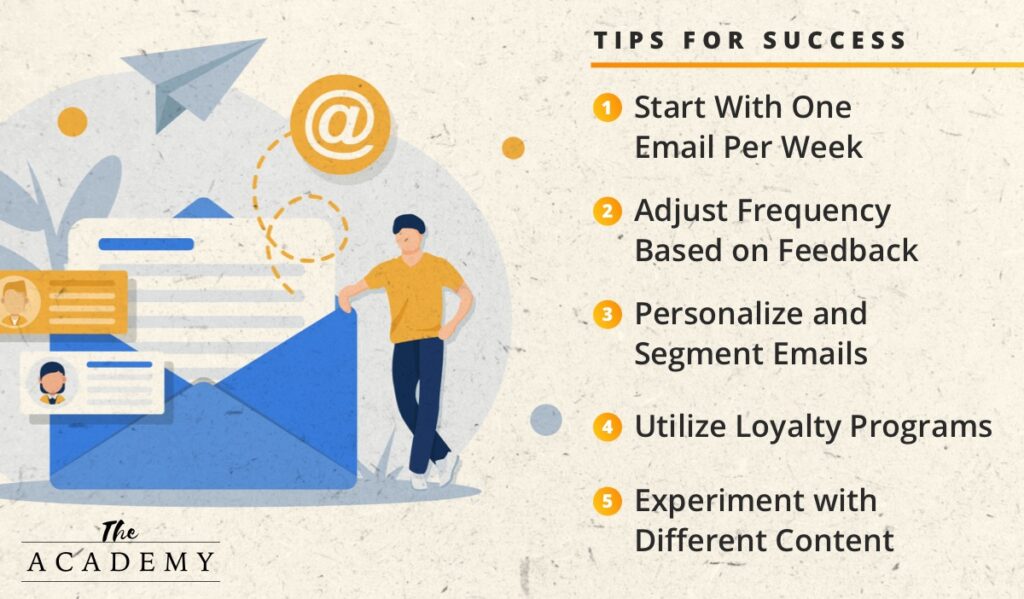
- Audience Preferences : What does your audience prefer? They might favor weekly updates packed with information rather than daily sales pitches.
- Content Relevance : Ensure your emails contain pertinent information. Sending frequent but irrelevant emails can frustrate subscribers.
- Testing and Feedback : Regularly analyze engagement metrics and solicit feedback to adjust your frequency strategy.
By understanding email marketing frequency and its impact on subscriber relationships, you can create a more effective communication strategy that elevates your brand while respecting your audience’s preferences.
The Importance of Finding the Right Balance
Impact of Overwhelming Subscribers
Finding the right balance in email marketing frequency is crucial, as overwhelming subscribers can lead to numerous adverse effects. Just imagine how inundated you feel when your inbox is flooded with constant messages from a single brand. It quickly transforms from excitement to exasperation.
When subscribers feel overwhelmed, the consequences can be dire, such as:
- Increased Unsubscribes : The average unsubscribe rate across industries is about 0.2% to 0.5% per email sent. Over-saturating your audience can push this figure higher.
- Decreased Engagement : Frequent emails often result in lower open and click-through rates. When recipients feel bombarded, they’re less likely to interact with your content.
- Negative Brand Perception : An aggressive email strategy can hinder how subscribers perceive your brand. Instead of being seen as helpful, constant communication may come off as desperate.
To illustrate, consider a personal anecdote—John, a tech enthusiast, once signed up for a popular gadget newsletter. Initially, he was thrilled to receive updates, but when the daily emails began to compound, he found himself simply deleting them. Eventually, he hit “unsubscribe,” missing out on the very content he initially craved.
Finding that sweet spot in email frequency fosters a positive subscriber experience and maintains the valuable connection between your brand and its audience. Balancing your approach ensures that communication feels genuine, relevant, and engaging.
Analyzing Sideshow’s Current Email Strategy
Frequency Metrics Overview
In assessing Sideshow’s current email strategy, it’s essential to dive into frequency metrics to understand how effectively they’re engaging their audience. A closer look can reveal patterns that inform future improvements.
Sideshow’s current email frequency is an important aspect to evaluate because it reflects their alignment with subscriber expectations. For instance, they may be sending out emails several times a week, but here’s what to consider when analyzing their metrics:
- Open Rates : Tracking how many subscribers are opening emails can gauge interest. An open rate below industry standards (usually around 20% to 30%) might suggest too many emails.
- Click-Through Rates (CTR) : This metric shows how many recipients clicked links within the emails. A low CTR could indicate irrelevant content or overwhelming frequency.
- Unsubscribe Rates : If the unsubscribe rate is climbing, it signals that the frequency may need reassessment.
Using tools like Google Analytics or specialized email platforms provides insights into these metrics. For example, if Sideshow’s data shows a 6% unsubscribe rate, it may be time for them to reconsider their email cadence.
By reviewing these metrics, Sideshow can not only better understand their current performance but also identify opportunities for refining their email strategy. Striking the right frequency balance can lead to higher engagement and ultimately more satisfied subscribers.
Best Practices for Optimizing Email Frequency
Personalization Techniques
When it comes to optimizing email frequency, personalization is a game-changer. By tailoring content to individual subscriber preferences, brands can improve engagement without overwhelming their audience. It’s all about making recipients feel special and understood.
To illustrate, think of your own email experiences. You likely appreciate when a brand remembers your previous purchases or sends you tailored recommendations. This connection fosters loyalty and keeps subscribers looking forward to your messages. Here are some effective personalization techniques for optimizing email frequency:
- Segment Your Audience : Divide your email list based on demographics, purchase history, or engagement levels. This allows for targeted communications, enabling brands to send relevant content to specific groups without bombarding everyone.
- Dynamic Content : Use dynamic content blocks to customize emails per recipient. For instance, a customer who frequently buys comic books should receive emails featuring the latest releases in that category.
- Behavioral Triggers : Implement automated emails based on user actions. A subscriber who clicks on products or abandons a cart could receive follow-up emails tailored to those specific interests.
Incorporating these personalization techniques not only enhances the relevance of your content but also helps regulate email frequency. When subscribers feel that the messages are crafted specifically for them, they’re more likely to engage positively rather than feel overwhelmed. This approach creates a win-win situation: higher engagement rates and more satisfied subscribers!
Tools for Monitoring Email Engagement
Key Performance Indicators to Consider
In the digital age, monitoring email engagement is paramount for any successful email marketing strategy. By leveraging the right tools and focusing on key performance indicators (KPIs), brands can gain valuable insights to refine their approach continually.
To paint a clearer picture, consider your own experiences. You might receive emails from your favorite brands, but do you ever wonder why you engage more with some than others? That’s where KPIs come in—they help you determine what’s working and what isn’t. Here are some essential KPIs to keep in mind:
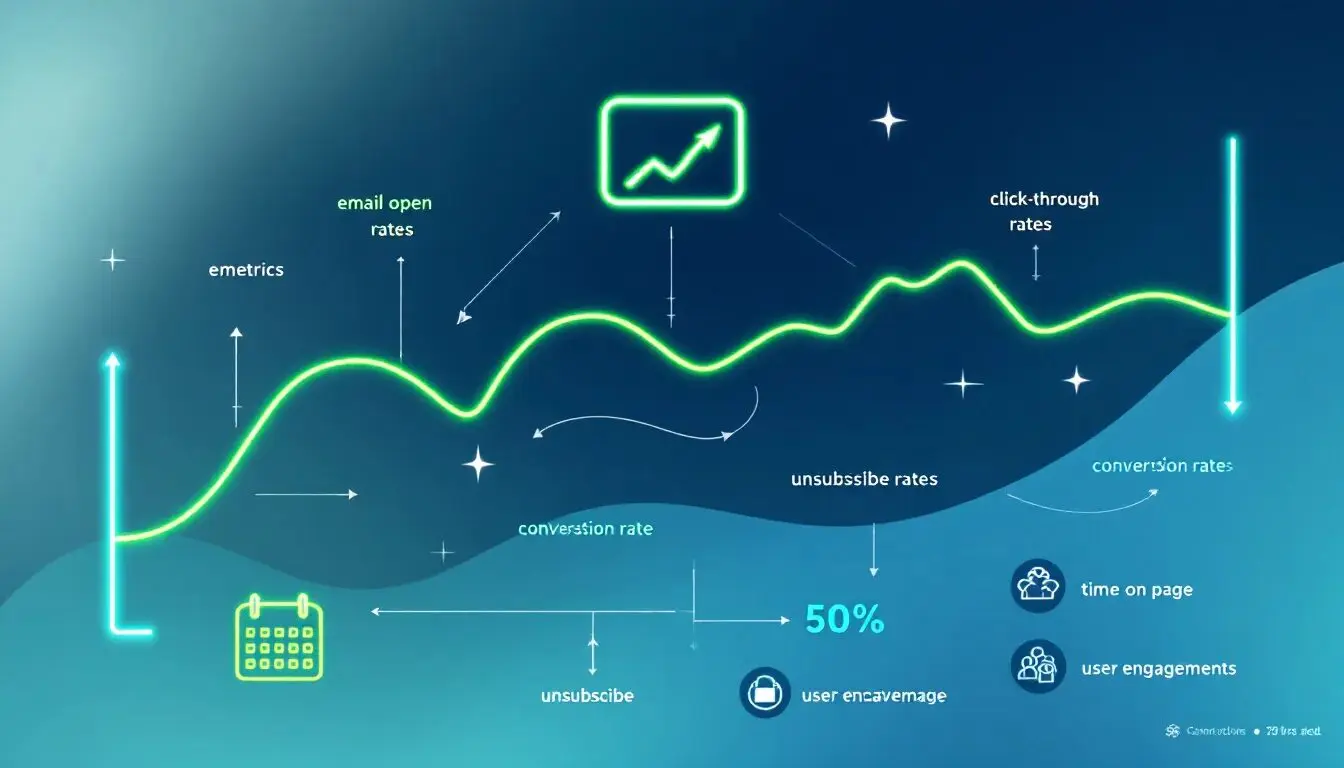
- Open Rate : This indicates the percentage of recipients who opened your email compared to the total number delivered. A healthy open rate (around 20-30%) suggests that your subject lines resonate with your audience.
- Click-Through Rate (CTR) : This measures the percentage of recipients who clicked on links within your email. A high CTR points to engaging content, while a low CTR may signal a need for better call-to-action strategies.
- Conversion Rate : Perhaps the most critical metric, this reflects the percentage of subscribers who completed a desired action (like making a purchase or signing up for an event) after clicking through.
- Unsubscribe Rate : Monitoring the percentage of subscribers opting out can help identify if your frequency or content may be overwhelming.
Utilizing marketing automation tools like Mailchimp, HubSpot, or Constant Contact can help track these KPIs efficiently. Keeping a close eye on these indicators ensures that your email strategies evolve based on real data, leading to better engagement and a more loyal subscriber base.
Segmenting a Subscriber List for Targeted Communication
Benefits of Targeted Email Campaigns
Segmenting a subscriber list is one of the most effective strategies for enhancing targeted communication in email marketing. By categorizing subscribers based on specific criteria, brands can craft tailored messages that resonate with their audience, ultimately boosting engagement and satisfaction.
Think about your own habits: when you receive emails that align perfectly with your interests—like a special offer for your favorite brand or a sneak peek of a new release—you’re much more likely to take action. This is the power of targeted email campaigns. Here are some key benefits:
- Increased Engagement : Tailored content feels more relevant, leading to higher open and click-through rates. Subscribers are far more likely to engage when they see information that meets their needs.
- Higher Conversion Rates : By delivering specific messages to relevant segments, brands can significantly improve their conversion rates. For instance, promoting accessories to customers who recently purchased an item creates a seamless upsell opportunity.
- Improved Customer Retention : Personalized communication fosters a sense of connection. When subscribers feel understood and appreciated, they’re more likely to remain loyal to the brand.
- Better Feedback and Data Collection : Targeted campaigns can yield insightful data about what works and what doesn’t, allowing brands to iterate their strategies effectively.
For example, when a popular athletic wear brand segmented their list by workout preferences—yoga, running, or weightlifting—they saw a lift in engagement metrics across the board. This practice not only adds value to subscribers but also strengthens the overall relationship between the brand and its audience. Embracing the power of segmentation can transform an email strategy from one-size-fits-all to a personalized conversation that resonates.
Strategies for A/B Testing Email Frequency
Impact on Open and Click Rates
A/B testing is a crucial strategy for optimizing email frequency and understanding its impact on open and click rates. This method involves sending different versions of your emails to segments of your audience to determine which frequency resonates best with subscribers.
It’s akin to trying out different flavors of ice cream—some may love chocolate, while others prefer vanilla. Finding the right “flavor” for your audience can lead to significantly better engagement. Here’s how A/B testing can help improve these critical metrics:
- Set Clear Goals : Before starting your test, define what success looks like. Are you aiming for higher open rates, increased click-through rates, or both?
- Create Variations : Develop two different frequencies to test. For instance, group A could receive emails twice a week, while group B receives them once a week.
- Analyze Data : After a predetermined period, assess the results. For example, if group A sees a 25% open rate while group B reaches 40%, it signals that less frequent communication might be more effective.
- Iterate and Adapt : Use the insights gained to inform your broader strategy. If your testing indicates that subscribers respond better to weekly emails, structure your campaigns accordingly.
To illustrate, a fashion retailer opted for A/B testing by sending one group daily outfit inspiration emails while another received weekly inspiration. They discovered that the weekly group not only opened their emails more often but also clicked through to the site at a higher rate.
Through A/B testing, brands can refine their email strategies, ensuring that their communication is perfectly tuned to the preferences of their subscribers. This deliberate experimentation sets the stage for enhanced engagement and a stronger relationship with the audience.
Addressing Subscriber Preferences and Feedback
Implementing Feedback Loops
In the world of email marketing, addressing subscriber preferences can dramatically enhance your communication strategy. One effective way to achieve this is by implementing feedback loops. This process allows brands to listen actively to their audience, adapt accordingly, and build stronger relationships based on trust and understanding.
Imagine receiving a survey from a favorite brand asking how often you’d like to hear from them or which types of content you find the most valuable. You’d probably feel prioritized and appreciated as a subscriber. Here are some strategies for creating effective feedback loops:
- Use Surveys and Polls : Periodically, include short surveys within your emails asking for subscribers’ preferences about frequency, topics of interest, or feedback on past campaigns. Tools like SurveyMonkey or Google Forms can help facilitate this.
- Analyze Engagement Metrics : Pay attention to data such as open rates and click-through rates to gauge what resonates most with your audience. For instance, if certain topics lead to higher engagement, consider focusing more on those areas.
- Encourage Direct Responses : In your emails, invite subscribers to share their thoughts directly. A simple “Reply to this email with your feedback!” can foster a sense of community and enhance engagement.
- Make Adjustments and Communicate Changes : After gathering feedback, be sure to communicate any changes made. For example, if subscribers want fewer promotional emails, reassure them that adjustments are in place.
Take, for instance, a health and wellness brand that implemented a feedback loop. After receiving requests for more educational content, they adjusted their email strategy to include informative articles alongside product promotions. This not only increased engagement but also strengthened their bond with subscribers.
By actively seeking and responding to feedback, brands can foster loyalty, enhance user experience, and build a community that feels valued and heard. Implementing these feedback loops turns email communication into a two-way street, enriching the relationship between the brand and its audience.

Case Studies: Success Stories in Email Frequency Management
Industry Examples and Insights
When it comes to optimizing email frequency, real-world examples provide invaluable insights. Many companies have successfully transformed their email marketing strategies by paying attention to frequency management, leading to significant engagement and conversion boosts.
1. Retail Brand: ASOS
ASOS, a leading online fashion retailer, realized that their subscribers were feeling inundated by daily promotional emails. To address this, they implemented a strategy where they segmented their audience based on shopping behavior and preferences. By doing so, they reduced the frequency for less active members while providing more tailored content to engaged customers. This resulted in a 20% increase in open rates and a 15% increase in click-through rates.
2. Nonprofit Organization: Charity: Water
Charity: Water faced challenges with donor engagement due to a high volume of emails sent. They shifted to a bi-weekly newsletter format focused on storytelling, showcasing the impact of donations rather than just asking for more funds. This change led to a remarkable 50% increase in engagement and positive feedback from supporters who appreciated the quality content over quantity.
3. SaaS Company: HubSpot
HubSpot took a data-driven approach by conducting A/B tests to find the optimal email frequency for their various user segments. By refining their strategy based on insights, they experienced a 30% increase in lead conversions, demonstrating how effective frequency management can directly influence business success.
These case studies illustrate how brands across different industries can enhance their email marketing strategies by managing frequency thoughtfully. By segmenting audiences, tailoring content, and continuously analyzing feedback, companies can maintain strong connections with subscribers, drive engagement, and ultimately achieve their marketing goals.