
Introduction
Importance of Email Marketing
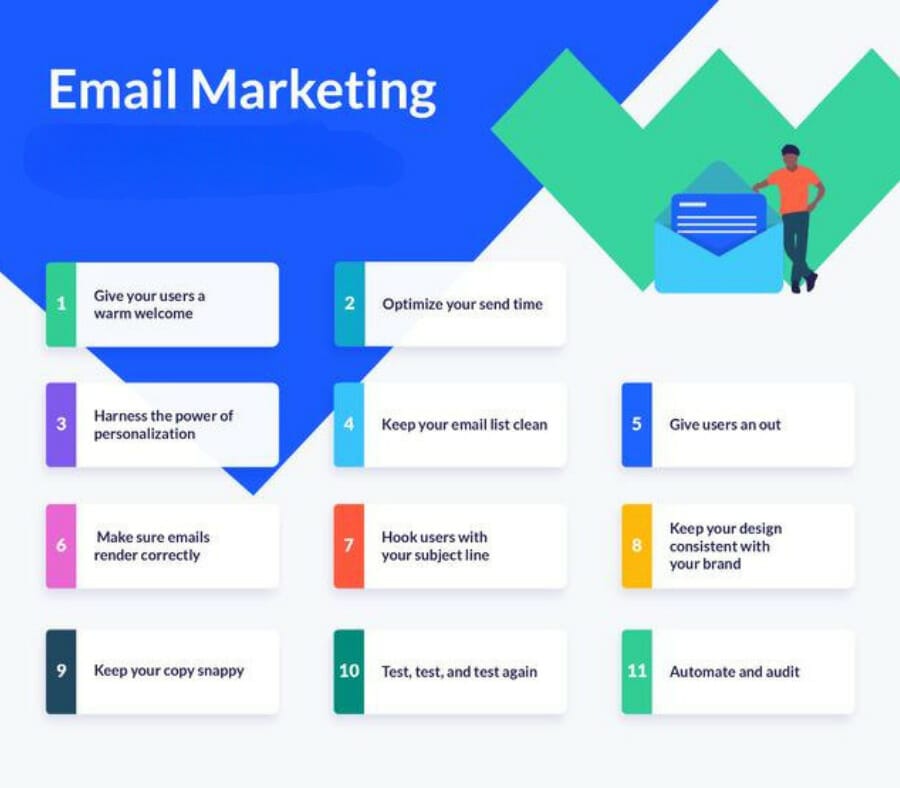
Email marketing stands as one of the most effective channels for businesses, emphasizing the importance of building lasting relationships with customers. Unlike social media or paid ads, which can be transient, emails offer a direct line to your audience. Each subscriber is giving you explicit consent to communicate, making the potential for engagement extremely valuable.
Consider this: In 2023, studies indicated that for every $1 spent on email marketing, the average return on investment (ROI) was $42. This astounding figure underscores why businesses should prioritize this channel.
Email allows businesses to:
- Reach customers directly in their inboxes.
- Customize messages based on user behavior and preferences.
- Maintain regular communication without the noise of social media.
Benefits of Crafting Engaging Newsletters
Crafting engaging newsletters is not just an art; it’s a science that can leads to powerful interactions. A well-designed newsletter can propel your marketing efforts to new heights.
Here are some compelling benefits of focusing on effective newsletters:
- Increased Visibility : A captivating newsletter can keep your brand top-of-mind among subscribers, increasing the likelihood of them choosing your products or services.
- Customer Engagement : Engaging newsletters encourage readers to interact with your content, whether that’s clicking on links, making purchases, or participating in surveys.
- Building Trust and Loyalty : Consistently delivering value through engaging content helps build trust with your audience, enhancing customer loyalty over time.
- Segmented Messaging : With the ability to segment your audience, newsletters can be tailored to different populations, ensuring that your communication resonates more powerfully.
Ultimately, mastering the craft of email marketing through engaging newsletters can lead to improved customer retention and increased sales, setting the stage for sustained business growth.
Understanding Your Audience
Segmenting Your Email List
Understanding your audience is foundational to effective email marketing, and one of the best strategies to achieve this is by segmenting your email list. By categorizing your subscribers based on specific criteria, you can tailor your messaging to align with their interests and behaviors.
For instance, a local café might segment its list into categories such as “frequent visitors,” “new customers,” and “loyal members.” This segmentation allows them to send:
- Targeted Promotions : Offering exclusive discounts to loyal members can increase their loyalty even further.
- Welcome Emails : New customers could receive a “Welcome” series that explains the café’s offerings and encourages their next visit.
- Feedback Requests : Frequent visitors might be surveyed to gain insights that can improve the café’s services.
Remember, segmented lists can result in higher open and click-through rates, increasing your overall success.
Personalizing Your Content
Once you’ve segmented your email list, personalizing your content takes your strategy to the next level. Personalization goes beyond inserting a subscriber’s name in the subject line—it involves curating experiences based on the data you have collected.
Imagine a fashion retailer that sends personalized product recommendations based on previous purchases. When a customer buys a pair of sneakers, the next email could showcase matching apparel or accessories, making it easy for them to visualize their new look.
Some ways to personalize your content include:
- Behavioral Targeting : Tailoring messages based on user interactions with previous emails or website visits.
- Customized Offers : Sending birthday discounts or exclusive offers based on customer preferences.
- Location-Specific Content : Providing information about local events or promotions based on where the subscriber lives.
By effectively segmenting your list and personalizing your content, you create more meaningful interactions that resonate with each subscriber, ultimately leading to higher engagement and increased sales.
Designing Compelling Newsletters
Choosing the Right Template
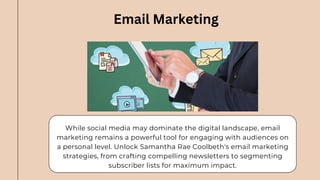
With a solid understanding of your audience, the next step in email marketing is designing a compelling newsletter. Choosing the right template is crucial as it serves as the foundation of your newsletter’s design. The template should not only reflect your brand’s identity but also facilitate a seamless reading experience.
For example, a tech company might opt for a sleek, modern template that highlights innovation, while a cozy bakery might choose a warm, inviting layout that showcases their delicious treats. Here are a few tips to select an effective template:
- Mobile Responsiveness : Ensure your template looks great on both desktops and mobile devices. A significant portion of emails is opened on smartphones, so responsive design is non-negotiable.
- Simple Layout : A clean and organized layout helps readers navigate easily. Consider using columns to separate content, making it more digestible.
- Branding Consistency : Use colors, fonts, and logos consistent with your brand identity. This reinforces brand recognition.
Including Visual Elements
Visual elements play an equally important role in making your newsletters compelling. They can capture attention and guide readers through your content. Using high-quality images, infographics, and videos can enhance the user experience dramatically.
Consider incorporating the following:
- Images : A vibrant photo of your latest product or a behind-the-scenes look at your team adds a personal touch. Just ensure they’re optimized for fast loading.
- Infographics : These can simplify complex data, making it easier for readers to grasp key points at a glance.
- Call-to-Action Buttons : Instead of plain text links, visually appealing buttons stand out and encourage readers to take action, whether that’s visiting your website or making a purchase.
By selecting the right template and thoughtfully including visual elements, your newsletters can become powerful tools that captivate and engage your audience, ultimately driving results.
Writing Engaging Content
Crafting Catchy Subject Lines
With your design in place, the next crucial step in writing engaging newsletters is to focus on the content itself, starting with the subject line. Think of the subject line as the gateway to your email. A catchy, well-crafted subject line can significantly increase your open rates, while a bland one might get lost in a cluttered inbox.
For instance, instead of a generic subject like “Monthly Newsletter,” try something more enticing, such as “Unlock Exclusive Discounts Just for You!” or “Discover the Secret Tips for a Better Work-Life Balance.” Here are some tips for creating effective subject lines:
- Keep It Short and Sweet : Aim for about 6-10 words; this ensures your message is clear and readable on mobile devices.
- Incorporate Actionable Language : Use verbs that encourage action, such as “Discover,” “Learn,” or “Join.”
- Generate Curiosity : Piquing readers’ interest can motivate them to open the email. Phrases like “You’ll Never Believe This!” can create intrigue.
Creating Valuable Content
Once you’ve drawn your readers in with a compelling subject line, it’s essential to follow through with valuable content. The content should align with what your audience finds useful, relevant, and engaging.
To deliver valuable content, consider the following:
- Educational Insights : Offer tips, how-tos, or industry news that informs your readers. For example, a fitness brand might share a monthly workout plan.
- Exclusive Offers : Provide promotions or discounts available only to newsletter subscribers, making them feel special.
- Engagement Opportunities : Encourage reader interaction with polls or questions that invite feedback.
Moreover, consider using storytelling techniques. A personal anecdotes or relatable situations can make your content more engaging and memorable. By combining catchy subject lines with valuable content, you can create newsletters that not only get opened but also foster a loyal community around your brand.

Optimizing for Deliverability
Avoiding Spam Filters
Now that you’ve crafted engaging content for your newsletters, the next step is ensuring that your emails reach your subscribers’ inboxes rather than ending up in the dreaded spam folder. Avoiding spam filters is crucial for maintaining your email marketing effectiveness.
To keep your emails out of spam boxes, consider these strategies:
- Use a Reputable Email Service Provider (ESP) : Choose an ESP known for high deliverability rates. These platforms often have best practices in place to help keep your emails compliant with spam regulations.
- Authenticate Your Emails : Implement authentication methods like DKIM, SPF, and DMARC to validate your sending domain. This demonstrates to email providers that you are trustworthy and reduces the likelihood of being flagged as spam.
- Avoid Spammy Language : Refrain from using excessive promotional language such as “FREE,” “Guaranteed,” or “Act Now!” Keep your tone conversational and professional.
An anecdote from a friend in marketing illustrates this well. She noticed a significant drop in her email metrics after using overly promotional subject lines. Once she reformed her approach, focusing on meaningful content, her engagement rates skyrocketed.
Cleaning Your Email List
An integral part of optimizing for deliverability is regularly cleaning your email list. An outdated list filled with inactive or invalid addresses can negatively impact your sender reputation, leading to lower deliverability rates.
Here are some best practices for maintaining a clean email list:
- Regularly Remove Inactive Subscribers : Identify users who have not engaged with your emails over a certain period (usually six months to a year) and consider re-engagement campaigns before removal.
- Use Double Opt-In : A double opt-in process ensures that subscribers confirm their subscription, helping to filter out uninterested individuals from the outset.
- Monitor Bounce Rates : Pay attention to hard and soft bounces. Remove hard bounces immediately, as they indicate invalid email addresses.
By taking proactive measures to avoid spam filters and maintain a clean email list, you enhance the chances of successful email deliverability. This way, your well-crafted content reaches the intended audience, fostering stronger relationships and driving engagement.
Analyzing and Improving Performance
Tracking Key Metrics
After investing time and effort into crafting and sending your newsletters, analyzing performance is crucial for ongoing improvement. One of the best ways to gauge effectiveness is by tracking key metrics that provide insights into how your audience interacts with your content.
Key metrics to monitor include:
- Open Rate : This metric tells you what percentage of recipients opened your email. A high open rate indicates effective subject lines and timing.
- Click-Through Rate (CTR) : This reflects how many readers clicked on links within your email. A low CTR may suggest that your content isn’t resonating or that calls to action aren’t compelling enough.
- Conversion Rate : Ultimately, this metric measures how many recipients took the desired action, whether that’s signing up for a webinar, making a purchase, or completing a survey.
For instance, when a friend of mine started tracking these metrics, she discovered her open rates were high, but her CTR was low. After analyzing her content, she realized the calls to action were not clearly defined. By making adjustments, she significantly boosted engagement.
A/B Testing Strategies
Once you’ve established which metrics to focus on, employing A/B testing can further refine your email strategy. A/B testing involves sending two variations of a marketing email to segments of your audience to see which performs better.
Some effective elements to test include:
- Subject Lines : Experiment with different phrasing, lengths, or tones to see what resonates most with your audience.
- Content Layout : Test various formats, such as single-column versus multi-column layouts, to evaluate engagement levels.
- Call-to-Action Buttons : Changing the color, text, or placement of your buttons might lead to significant differences in click rates.
Remember, A/B testing should be a regular practice. It’s not just a one-time effort. By consistently testing and analyzing your newsletters, you can create a feedback loop that fosters continuous improvement, leading to enhanced performance and greater connection with your audience.

Automation and Drip Campaigns
Setting Up Automated Workflows
As you dive deeper into email marketing, utilizing automation becomes a game-changer. Setting up automated workflows can streamline your communication processes and ensure that you’re delivering timely and relevant content to your audience without manual effort.
Automated workflows can be set up for various scenarios, such as:
- Welcome Sequences : Automatically send a series of welcome emails to new subscribers to introduce your brand and provide valuable content.
- Abandoned Cart Reminders : If someone adds items to their cart but doesn’t complete the purchase, an automated email can gently remind them to finalize their transaction.
- Post-Purchase Follow-ups : Sending thank-you emails or requesting feedback after a purchase can enhance customer satisfaction and build loyalty.
A friend of mine implemented an automated welcome series and noted a significant increase in engagement, as new subscribers felt welcomed and informed about the offerings right from the start.
Nurturing Leads Through Drip Campaigns
Once your automated workflows are in place, nurturing leads through drip campaigns takes your strategy to the next level. Drip campaigns are a series of automated emails sent based on specific actions or timelines, designed to educate and guide your audience along the customer journey.
Consider these tips for effective drip campaigns:
- Tailored Content : Craft email sequences based on user behavior and preferences. For instance, if a lead downloaded an eBook on a specific topic, the follow-up emails could provide additional resources related to that subject.
- Timing and Frequency : Space out emails in a way that feels natural. Too few can cause leads to forget about you, while too many can overwhelm them.
- Engagement Triggers : Adjust your campaign based on user interactions. If someone opens an email but doesn’t click, you might want to follow up with more enticing content.
By effectively using automated workflows and nurturing leads through thoughtful drip campaigns, you create a seamless experience that keeps your audience engaged and guides them towards conversion—ultimately maximizing your email marketing efforts.