
Introduction to Email Marketing
What is Email Marketing?
Email marketing is a powerful yet often underestimated tool for businesses looking to engage with their audience directly. At its core, it involves sending emails to a list of contacts who have opted to receive updates, promotions, or newsletters from a brand. This form of marketing harnesses the connection between businesses and customers, facilitating personalized communication that can effectively drive engagement and conversions.
Imagine receiving a tailored email that speaks directly to your interests, perhaps featuring a discount on your favorite products or insightful articles addressing your needs. This is the essence of email marketing—creating meaningful connections through targeted messaging.
Key components of effective email marketing include:
- Newsletter Campaigns : Regular updates featuring news, tips, or curated content.
- Promotional Emails : Special offers or discounts to incentivize purchases.
- Drip Campaigns : Automated sequences designed to nurture leads over time.
- Personalized Content : Tailoring emails based on customer behavior or preferences.
In today’s digital age, it’s important for businesses to leverage the potential of email marketing to ensure they are reaching their audience efficiently and effectively.
Why Email Marketing is Important for Inbound Success
So, why is email marketing crucial for achieving inbound marketing success? Here are several compelling reasons:
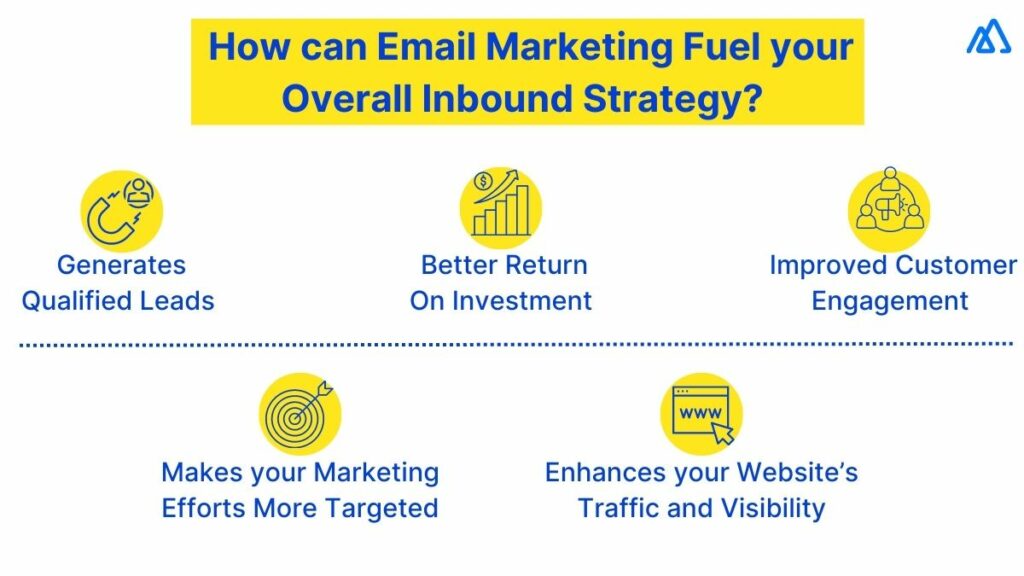
- Direct Communication Channel : Email marketing allows brands to communicate directly with their audience. Unlike social media, where algorithms dictate visibility, emails land directly in the inbox, offering a higher chance of engagement.
- Cost-Effective : Compared to traditional forms of marketing, email campaigns require significantly less investment. With low overhead costs, businesses can execute campaigns while maximizing returns on investment.
- Measurable Performance : Email marketing platforms provide essential metrics, including open rates, click-through rates, and conversions. This data allows marketers to analyze performance, adjust strategies, and continually optimize their outreach efforts.
- Builds Audience Trust : Regular and valuable communication helps build a relationship of trust with subscribers. As customers become more familiar with a brand, they are more likely to make purchases and remain loyal over time.
A personal example highlights this importance: a local bookstore I subscribed to began sending out a monthly email newsletter with personalized book recommendations based on my purchase history. Not only did this make me feel valued as a customer, but it also led me back to the store to check out titles I might have otherwise overlooked.
In summary, email marketing is not just a trend; it’s an essential element of a successful inbound marketing strategy. By understanding its definition and significance, businesses can position themselves to utilize email as an effective means of engaging their audience. As we delve deeper, we will explore the steps to build an email list that drives results.

Building Your Email List
Creating Opt-In Opportunities
Once businesses recognize the importance of email marketing, the next logical step is building an effective email list. The foundation of this endeavor is creating opt-in opportunities that encourage potential subscribers to join. Opt-in opportunities are methods through which users willingly provide their email addresses, expecting to receive valuable content in return.
There are various ways to create these opportunities:
- Sign-Up Forms on Your Website : Place simple and inviting sign-up forms on your homepage, blog posts, or checkout pages. The key is to make these forms easily accessible and visually appealing, so they catch the visitor’s eye.
- Content Upgrades : Offer exclusive content related to your existing blog posts. For instance, if you’ve written an article on productivity tips, consider providing a downloadable checklist in exchange for an email address.
- Pop-Up Forms : Though often debated, strategically-timed pop-up forms can be effective. For example, a pop-up that appears after a visitor spends a certain amount of time on your site can capture attention without interrupting the experience too much.
- Social Media Promotions : Utilize your social media channels to promote sign-up incentives. A short, enticing post about an email-exclusive discount or relevant content can drive followers to subscribe.
When designing your opt-in opportunities, remember to clearly communicate the value subscribers will receive, whether that’s discounts, insights, or exclusive offers.
Best Practices for Growing Your Subscriber Base
While creating opt-in opportunities is essential, it’s equally important to adopt best practices for growing your subscriber base effectively. Here are some strategies to consider:
- Provide Value : Always ensure that the content you deliver in your emails is genuinely valuable. Whether it’s offers, tips, or news, subscribers should feel that they are gaining something worthwhile.
- Consistency is Key : Regularly send out emails—not so frequently that it becomes overwhelming, but often enough to keep your brand top of mind. This could mean weekly newsletters or bi-weekly promotional emails.
- Engage with Incentives : Offering something extra can often coax users into subscribing. Whether it’s a discount code, a free e-book, or entry into a sweepstakes, incentives can entice potential subscribers to take that leap.
- Encourage Referrals : Happy subscribers are often willing to share. Launch referral programs that reward current subscribers for bringing in new ones, such as offering discounts for both parties.
- Optimize Mobile Experiences : With many users checking emails on their phones, ensure that sign-up forms and subsequent emails are mobile-friendly. A smooth mobile experience can dramatically increase sign-up rates.
A personal anecdote highlights the power of these practices. A local gym I once frequented offered free classes in exchange for email sign-ups during their grand opening. They continued to nurture this list with valuable health tips and special promotions, which kept me engaged and encouraged my friends to join as well.
By implementing these strategies, businesses can effectively grow their subscriber lists and create a strong foundation for successful email marketing campaigns. With a solid email list in place, the focus can now shift to crafting compelling email campaigns that keep subscribers engaged and eager for more.
Crafting Compelling Email Campaigns
Designing Eye-Catching Emails
With an email list in place, businesses are ready to dive into crafting compelling email campaigns. One of the first steps in this process is designing eye-catching emails that immediately grab the recipient’s attention. The visual appeal of an email plays a significant role in engagement, influencing whether a reader opens, reads, or converts.
Here are some tips to create visually stunning emails:
- Use a Clean Layout : A well-structured layout makes it easier for readers to digest information. Adopt a grid-based design that segments content and creates natural flow.
- Choose a Cohesive Color Scheme : Use colors that align with your brand identity. A consistent palette helps maintain brand recognition while creating an eye-pleasing experience.
- Incorporate Images and Graphics : Relevant images can break up text and provide visual context. High-quality images related to your content can enhance engagement and make your emails more memorable.
- Make It Mobile-Friendly : A substantial percentage of emails are opened on mobile devices. Therefore, ensure that your email design is responsive, allowing for a seamless experience regardless of the device used.
- Add Clear Calls to Action (CTAs) : Use visually distinct buttons for CTAs that stand out. Phrases like “Shop Now” or “Learn More” should be easily identifiable and compel readers to take action.
A personal example illustrates this point well: I once received an email from a travel company with vibrant imagery of picturesque destinations. The clean layout and bold CTAs drew me in, prompting me to explore travel packages I might have otherwise overlooked.
Writing Engaging Email Copy
Beyond eye-catching designs, the content of the email equally impacts engagement levels, making writing engaging email copy essential. The words chosen can inspire action and resonate with the audience, leading to higher conversion rates.
To craft compelling email copy, consider these best practices:
- Use an Engaging Subject Line : The subject line is a make-or-break element; it determines whether your email is opened. Create curiosity, offer value, or evoke emotion to entice readers.
- Be Concise and Clear : Brevity is essential. Avoid lengthy paragraphs and get to the point quickly. Use bullet points or numbered lists to display key information succinctly.
- Incorporate Personalization : Utilize the subscriber’s name and tailor content based on their preferences or previous interactions. Personalized emails give a sense of exclusivity that can enhance engagement.
- Tell a Story : Engaging narratives can captivate readers. Whether sharing customer testimonials or the story behind a product, storytelling creates connections that resonate with the audience.
- End with a Strong CTA : Just like in design, a clear and compelling call to action in your copy encourages readers to take the desired action. Be direct about what you want them to do next.
For instance, a subscription box service I follow uses storytelling effectively. Each email tells a story about how their products positively impact users’ lives, combined with stunning visuals. This approach keeps me eagerly anticipating their emails each month.
In conclusion, crafting compelling email campaigns involves both eye-catching design and engaging copy. These elements work together to create a memorable experience for subscribers, driving action and cultivating loyalty. With compelling campaigns in hand, businesses are well on their way to success in their email marketing journey, leading to the next focus: personalization and segmentation strategies.

Personalization and Segmentation Strategies
Implementing Personalization Tactics
With compelling email campaigns designed and written, the next logical step is to boost their effectiveness through personalization and segmentation strategies. Personalization ensures that each subscriber feels unique and valued, enhancing their connection to the brand.
There are several effective personalization tactics to consider:
- Using the Subscriber’s Name : An easy first step is to address subscribers by their first names in both the subject line and body of the email. This small touch can make a big difference in engagement.
- Tailoring Content Based on Behavior : Analyze the subscriber’s past interactions—what emails did they open? What products did they purchase? Customizing content based on these behaviors allows for targeted messaging that resonates deeper.
- Dynamic Content Blocks : Use dynamic content to show different products or messages to different segments of your audience based on their preferences. For example, a clothing retailer might feature women’s styles to female subscribers and men’s styles to male subscribers.
- Location-Based Personalization : For businesses with physical locations or location-specific offerings, including local references in emails can enhance relevance. For instance, a restaurant chain might promote different menu items based on seasonal availability in subscribers’ regions.
A memorable experience from my own life comes from an online bookstore that sent me personalized recommendations based on my previous purchases. Not only did they greet me by name, but they also suggested titles I had not yet discovered but that perfectly matched my interests. It felt like they had taken the time to truly know me as a customer.
Segmenting Your Audience for Better Results
While personalization enhances individual connections, audience segmentation takes this a step further by categorizing subscribers into groups based on shared characteristics. This approach allows businesses to send more targeted and relevant content, improving overall campaign effectiveness.
Here are some effective strategies for audience segmentation:
- Demographic Segmentation : Group subscribers by factors such as age, gender, location, or income level. This can help tailor messages to the specific needs and preferences of each demographic group.
- Behavioral Segmentation : Analyze past behavior, such as purchasing patterns or engagement rates. For instance, segmenting based on customers who frequently purchase can inform loyalty programs, while those who rarely engage may benefit from re-engagement campaigns.
- Lifecycle Stage : Different messaging is necessary for leads, newer customers, and loyal patrons. Tailor your campaigns to address where the subscriber is in the buying journey—consider sending welcome emails to new subscribers while offering exclusive discounts to longtime customers.
- Preference-Based Segmentation : Allow users to select content that aligns with their interests at the time of subscribing. It could be as simple as allowing subscribers to choose between newsletters about new products, company news, or discounts.
Reflecting on my experience, a fitness brand I subscribed to sends emails tailored to my activity level. Some emails prompt advanced workouts, while others focus on beginner tips, depending on my chosen preferences. This selection creates not just a personalized experience but a more meaningful connection with their content.
In conclusion, implementing personalization tactics alongside effective audience segmentation strategies can significantly enhance the impact of email marketing campaigns. By making subscribers feel valued as individuals while ensuring the content aligns with their specific interests, brands can foster stronger relationships and drive meaningful engagement. The next step involves optimizing email performance, ensuring that all efforts yield measurable results in business growth.

Optimizing Email Performance
Analyzing Email Metrics
Now that businesses have implemented personalization and segmentation strategies to craft effective email campaigns, the focus should shift towards optimizing email performance. A key aspect of this optimization involves analyzing email metrics. By understanding how well emails perform, marketers can make informed decisions regarding future campaigns.
Here are some essential email metrics to track:
- Open Rates : This metric indicates the percentage of recipients who opened your email. A high open rate suggests that your subject line resonated well with your audience. If your open rates are low, it may be time to reevaluate your subject lines.
- Click-Through Rates (CTR) : This shows the percentage of recipients who clicked on one or more links in your email. A strong CTR indicates that the content was engaging and that your call-to-action was compelling.
- Conversion Rates : Beyond clicks, conversion rates measure how many email recipients took the desired action, such as making a purchase or signing up for an event. This metric gives insight into how effective your email is at driving actual results.
- Bounce Rates : Knowing how many emails failed to reach the intended inbox is critical. A high bounce rate may indicate issues with your email list or server. Keeping a clean, updated list is vital for ongoing performance.
- Unsubscribe Rates : Analyzing how many recipients choose to unsubscribe can provide insights into your email content’s relevancy and overall audience satisfaction.
A personal experience highlights this importance—in subscribing to a newsletter that often sent promotional emails. Initially, the open rates were high, but they dwindled over time when the content became repetitive. By analyzing metrics, the brand could pivot their approach and focus on providing varied and engaging content to reclaim that interest.
A/B Testing Strategies for Email Campaigns
Once key metrics have been identified and tracked, businesses can utilize A/B testing to further refine their email campaigns. A/B testing involves sending two variations of an email to different segments of your audience and analyzing which one performs better. This approach is invaluable in understanding what elements resonate most with subscribers.
Here are some effective A/B testing strategies to consider:
- Subject Lines : Experiment with different subject lines to see which ones yield higher open rates. Try varying lengths, using questions, or adding emojis to gauge interest.
- Call-to-Action (CTA) : A/B test different CTAs, such as wording, color, and placement. Analyze which version leads to higher click-through rates to tailor future emails accordingly.
- Email Content : Test different email layouts or the type of content included. For instance, compare an email with primarily text versus one with more images to determine which drives better engagement.
- Sending Times : Explore sending emails at different times or days. You may find that your audience engages better on weekends compared to weekdays, or vice versa.
- Personalization Elements : Vary the level of personalization in your emails, such as using first names or tailoring recommendations based on past purchases, to see what resonates more with your audience.
Reflecting on my experiences, one clothing retailer I follow frequently tests different promotional offers in their emails. On multiple occasions, they’ve sent variations with either a percentage discount or a dollar amount off. This A/B testing not only helped them understand subscriber preferences but also enabled them to optimize future promotions.
In conclusion, optimizing email performance through consistent analysis of metrics and A/B testing strategies is essential in fine-tuning email marketing campaigns. By leveraging these approaches, businesses can continuously adapt and improve their outreach efforts, engaging their audience in a more meaningful way. With optimized campaigns in place, brands can look forward to enhanced customer relationships and increased conversion rates, paving the way for sustained growth and success.