
Introduction
Importance of Personalization in Email Marketing
In today’s fast-paced digital landscape, consumers are inundated with marketing messages from every direction. This barrage of information has led to a growing expectation for brands to deliver tailored experiences. Personalization in email marketing is no longer just an option; it’s a necessity for those looking to capture and maintain customer attention.
When emails are personalized, they resonate more with recipients. Here’s why personalization is vital:
- Higher Engagement Rates: Personalized emails generate six times higher transaction rates compared to non-personalized content.
- Improved Customer Loyalty: Customers appreciate brands that understand their needs and preferences, leading to long-term relationships.
- Increased Revenue: Tailored recommendations can boost sales significantly, with 31% of consumers reporting a preference for personalized product suggestions.
For instance, a clothing retailer might send an email showcasing products similar to previous purchases, rather than a generic catalog. This specificity not only catches the customer’s eye but also drives higher conversion rates because it feels relevant.
Overview of Klaviyo’s Role
To harness the power of email personalization effectively, many businesses turn to platforms like Klaviyo. Known for its robust automation capabilities and customer segmentation tools, Klaviyo enables marketers to create unique experiences for their subscribers.
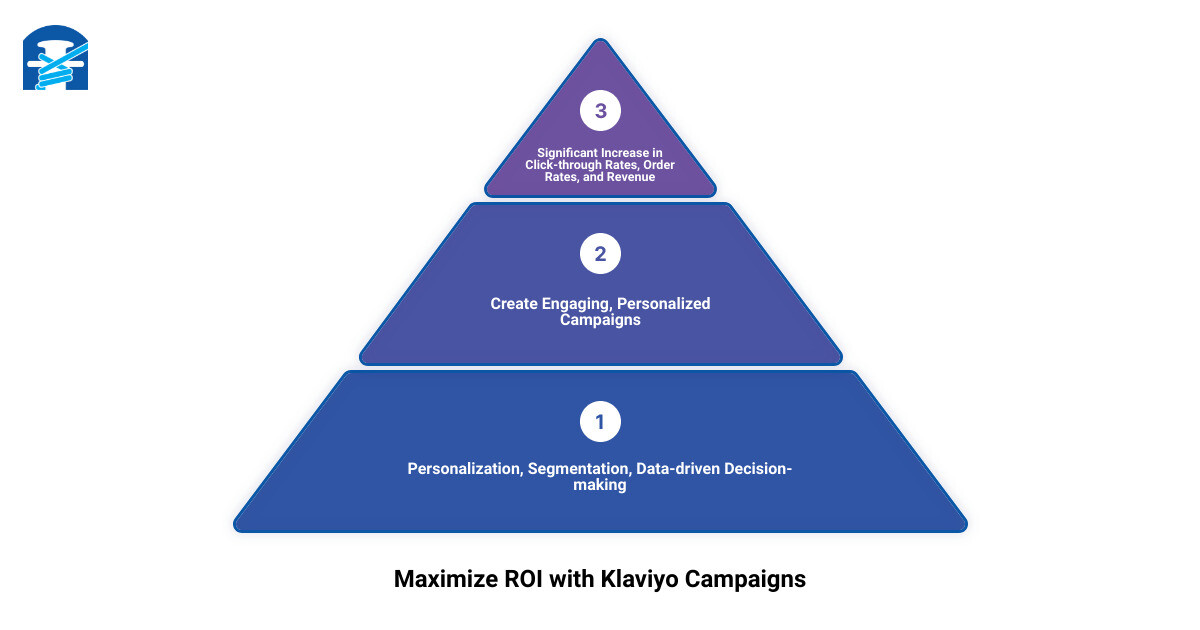
Klaviyo’s role in personalization centers around three core features:
- Data-Driven Insights: Klaviyo allows businesses to sift through massive datasets to uncover customer preferences and behaviors. This insight enables targeted marketing strategies that speak directly to consumers.
- Segmentation: With advanced segmentation options, Klaviyo allows marketers to categorize their audiences based on various factors, including previous purchases, engagement metrics, and demographic data. This means you can tailor messages that appeal directly to different customer segments.
- Automation and Customization: Klaviyo streamlines the process of sending personalized emails by allowing automated workflows. Users can set up triggered campaigns based on specific actions the customer takes, such as abandoning a shopping cart or browsing particular product categories.
For example, consider a customer who shows interest in eco-friendly products. With Klaviyo, brands can automate emails featuring special promotions or new arrivals in this specific category, enhancing the recipient’s experience and increasing the likelihood of a purchase.
By integrating the power of Klaviyo into their email marketing strategies, businesses not only meet customer expectations but also carve out a competitive edge in an increasingly crowded market. The next section will delve deeper into the specific features Klaviyo offers, guiding marketers in maximizing their email campaigns through effective segmentation and targeting.
Understanding Klaviyo Features
Segmentation and Targeting
Building on the powerful capabilities of Klaviyo, the platform’s segmentation and targeting features are fundamental for businesses looking to enhance their email marketing strategies. Segmentation allows marketers to create highly specific groups within their audience based on various criteria, ensuring that communications are relevant and impactful.
Why is segmentation so crucial? Here are a few reasons:
- Tailored Messaging: By understanding the different needs and behaviors of various customer groups, businesses can craft messages that resonate personally.
- Better Engagement: Emails that speak directly to a customer’s interests often see much higher open and click-through rates compared to one-size-fits-all approaches.
- Cost-Effectiveness: Focused targeting reduces wasted marketing spend on uninterested recipients, making campaigns more efficient.
For instance, think about a pet supply store. Using Klaviyo, the store can segment its customers based on pet types (dogs, cats, reptiles). They can then create distinct campaigns, such as dog toy promotions for dog owners and cat litter discounts for cat owners. This level of targeted outreach can significantly improve both engagement and retention.
Dynamic Content Creation
Moving beyond segmentation, Klaviyo also excels in dynamic content creation—another powerful feature that takes personalization to the next level. Dynamic content allows marketers to create emails that automatically adjust based on the recipient’s data.
Imagine receiving an email that showcases products uniquely tailored to your preferences—this is made possible through Klaviyo’s dynamic content capabilities. Here’s how it enhances email marketing:
- Personalized Product Recommendations: Klaviyo can pull in products based on a customer’s past purchases or browsing behaviors. For example, if a customer regularly buys running shoes, they may receive an email featuring the latest running gear or accessories.
- Location-Based Offers: Businesses can customize their content based on the recipient’s geographical location. A clothing brand could feature seasonal items relevant to the customer’s climate, generating a more appealing and timely email experience.
- Behavioral Triggers: Klaviyo allows marketers to set rules for when to display certain content. For instance, if a customer has abandoned their cart, the email could include a personal note, encouraging them to complete their purchase alongside a product they previously viewed.
Implementing dynamic content not only captures attention, but it also fosters deeper connections with customers.
By combining the strengths of segmentation and dynamic content, Klaviyo helps businesses remain relevant and engaged with their audience. This sets the stage for implementing personalized email strategies effectively, which we will explore further in the next section. With a solid understanding of how to leverage these features, marketers can craft emails that truly resonate with their subscribers, fostering loyalty and driving sales.
Implementing Personalization Strategies
Email Campaign Automation
Having understood the powerful features of Klaviyo, the next step for businesses is to effectively implement personalization strategies. One of the most impactful ways to do this is through email campaign automation. Klaviyo’s automation capabilities allow marketers to send timely, relevant messages based on user behavior and preferences without needing manual intervention.
Why is email campaign automation essential? Here are a few compelling reasons:
- Consistency in Communication: Automated emails ensure that your brand remains in the customer’s mind through timely engagements. For instance, a welcome email sent immediately after a subscription creates a positive first impression.
- Nurturing Relationships: With automated workflows, businesses can nurture leads over time—sending a series of emails that guide the customer journey from initial interest to purchase.
- Enhanced Efficiency: By automating repetitive tasks, marketers can focus on strategy and creative aspects rather than day-to-day email management.
Imagine a scenario where a customer browses products on your website but leaves without purchasing. With Klaviyo’s automation features, you can set up a workflow that triggers an email reminder. This email can be personalized with the products they viewed, accompanied by a special discount to entice them back. Such strategies have been proven to significantly reduce cart abandonment rates.
A/B Testing for Optimization
With automation in place, the next vital aspect is optimization—ensuring that emails not only reach customers but resonate with them deep enough to prompt action. This is where A/B testing comes into play. Klaviyo allows marketers to test various elements of their emails to identify what works best for their audience.
Here’s how A/B testing can enhance email marketing:
- Subject Line Testing: Experimenting with different subject lines can radically change open rates. A catchy, intriguing subject can entice recipients to engage further. For example, testing “Unlock Your Exclusive Offer!” against “Limited Time: 20% Off Your First Order!” can provide insight into what grabs your audience’s attention.
- Content Variations: You can experiment with different body content, images, or calls-to-action (CTAs). An email showcasing a product video might perform differently than one with static images—testing these variations can reveal preferences of your audience.
- Timing and Frequency: Klaviyo allows you to test sending emails at different times or frequencies. Perhaps your audience is more responsive in the evenings. A/B testing can help pinpoint optimal sending times to enhance engagement.
To effectively implement A/B testing, consider running tests on a smaller segment of your list first before rolling out the winning version to your entire audience. This strategy minimizes risks and maximizes data-driven insights.
By combining the power of email campaign automation with A/B testing for optimization, businesses can significantly enhance the effectiveness of their email marketing strategies. It’s all about making informed decisions based on real data, ensuring each email resonates more deeply with recipients. The journey of personalization continues as we explore how to leverage Klaviyo for customer retention in the next section, focusing on enhancing loyalty through meaningful interactions.
Leveraging Klaviyo for Customer Retention
Personalized Product Recommendations
Continuing the journey of effective email marketing, businesses must focus on customer retention as a crucial element. Klaviyo provides powerful tools to help brands keep customers coming back, and one of the most impactful features is personalized product recommendations.
When customers feel understood and valued, their loyalty to your brand increases significantly. Personalized recommendations do just that—by showcasing products tailored to individual customer preferences, businesses can enhance the shopping experience and drive repeat purchases. Consider these benefits:
- Increased Average Order Value: When customers receive recommendations based on their past purchases or browsing history, the likelihood of them adding more items to their cart rises. For instance, if a customer purchases a camera, an email suggesting compatible lenses or accessories can lead to additional sales.
- Enhanced Customer Experience: Personalization fosters a sense of connection. For example, if a customer consistently buys vegan products, receiving suggestions for new arrivals in the vegan category makes them feel seen and understood.
- Targeted Cross-Selling: Klaviyo allows businesses to create email segments that target specific products or categories. If a customer has shown interest in a particular brand, sending an email that highlights new arrivals or exclusive offers from that brand can maximize engagement.
Imagine running a beauty store; you could send an email recommending skincare products based on a customer’s previous makeup purchases. This thoughtful approach not only keeps customers engaged but also encourages ongoing relationships with your brand.
Behavioral Analysis Tools
Alongside personalized product recommendations, Klaviyo offers robust behavioral analysis tools that provide deeper insights into customer actions. Understanding how customers interact with your brand—whether through email clicks, website visits, or purchase history—equips marketers with the knowledge needed to foster loyalty effectively.
Here’s how leveraging behavioral analysis can benefit customer retention:
- Identifying Trends and Patterns: Klaviyo’s analytics can help identify what your audience cares about most. For instance, if analytics reveal a spike in engagement with environmentally friendly products, a business can focus marketing efforts on that category.
- Automated Re-engagement Campaigns: By analyzing customer behaviors such as inactivity or cart abandonment, Klaviyo enables businesses to set up automated campaigns targeting those users. If a customer hasn’t made a purchase in a while, sending a re-engagement email with tailored offers can revive their interest.
- Customer Journey Mapping: Understanding the various touchpoints customers have with your brand allows businesses to create a seamless experience that nurtures loyalty. For example, if a customer frequently browses a specific product without purchasing, specific follow-up emails can be designed to address potential concerns or highlight benefits.
By integrating behavioral analysis tools with personalized recommendations, businesses can create a comprehensive customer retention strategy. This two-pronged approach emphasizes understanding the customer journey and offering meaningful interactions that lead to loyalty.
As we continue to explore best practices for success with Klaviyo, the focus will shift towards utilizing data analytics and insights to refine strategies further and track engagement metrics, which are essential for sustained success in email marketing.
Best Practices for Success with Klaviyo
Data Analytics and Insights
As businesses strive to maximize their success with Klaviyo, leveraging data analytics and insights becomes essential. The power of data cannot be overstated; it allows businesses to make informed decisions that enhance marketing strategies and drive better results.
Klaviyo equips users with robust analytics tools that provide actionable insights into customer behavior and campaign performance. Here are several best practices to ensure you are harnessing these capabilities effectively:
- Set Clear Goals: Before diving into analytics, define what success looks like for your campaigns. Are you aiming to increase sales, boost engagement, or grow your subscriber list? Clarity in objectives helps focus your analysis.
- Monitor Customer Segments: Regularly review the performance of different segments. This may include tracking engagement metrics for new customers versus returning customers. Understanding how different groups respond to your emails can help customize future communications.
- Utilize Customer Purchase History: Klaviyo allows you to analyze not just what customers buy, but also when and how often they return. Utilizing this data can inform restocking strategies, promotional offers, and personalized recommendations.
- Pay Attention to Open Rates and Click-Through Rates (CTR): These metrics offer vital insights into how well your emails resonate with your audience. Consistently using this data to tweak your subject lines, content, and call-to-action can greatly enhance engagement.
Imagine a scenario where an e-commerce fashion retailer uses Klaviyo’s analytics to discover that customers who purchase during a specific sale are more likely to return. By identifying this pattern, the retailer can craft targeted campaigns around future sales and promotions that boost customer retention.
Engagement Metrics Tracking
In addition to utilizing data analytics, effectively tracking engagement metrics is crucial for success with Klaviyo. Knowing how well your messages resonate with your audience allows businesses to optimize their marketing strategies.
Here’s how to track engagement metrics effectively:
- Define Key Metrics: Determine which metrics matter most for your business. This may include open rates, click-through rates, conversion rates, unsubscribe rates, and even revenue generated from email campaigns.
- Set Benchmarks and Goals: Establishing benchmarks based on historical data empowers you to measure performance accurately. For example, if your average open rate is 20%, aim for incremental improvements on future campaigns.
- Utilize A/B Testing Results: When running A/B tests, track not only which version performed better but also analyze why it resonated with your audience. Was the subject line more appealing? Did the timing of the email matter? Use these insights to refine future content.
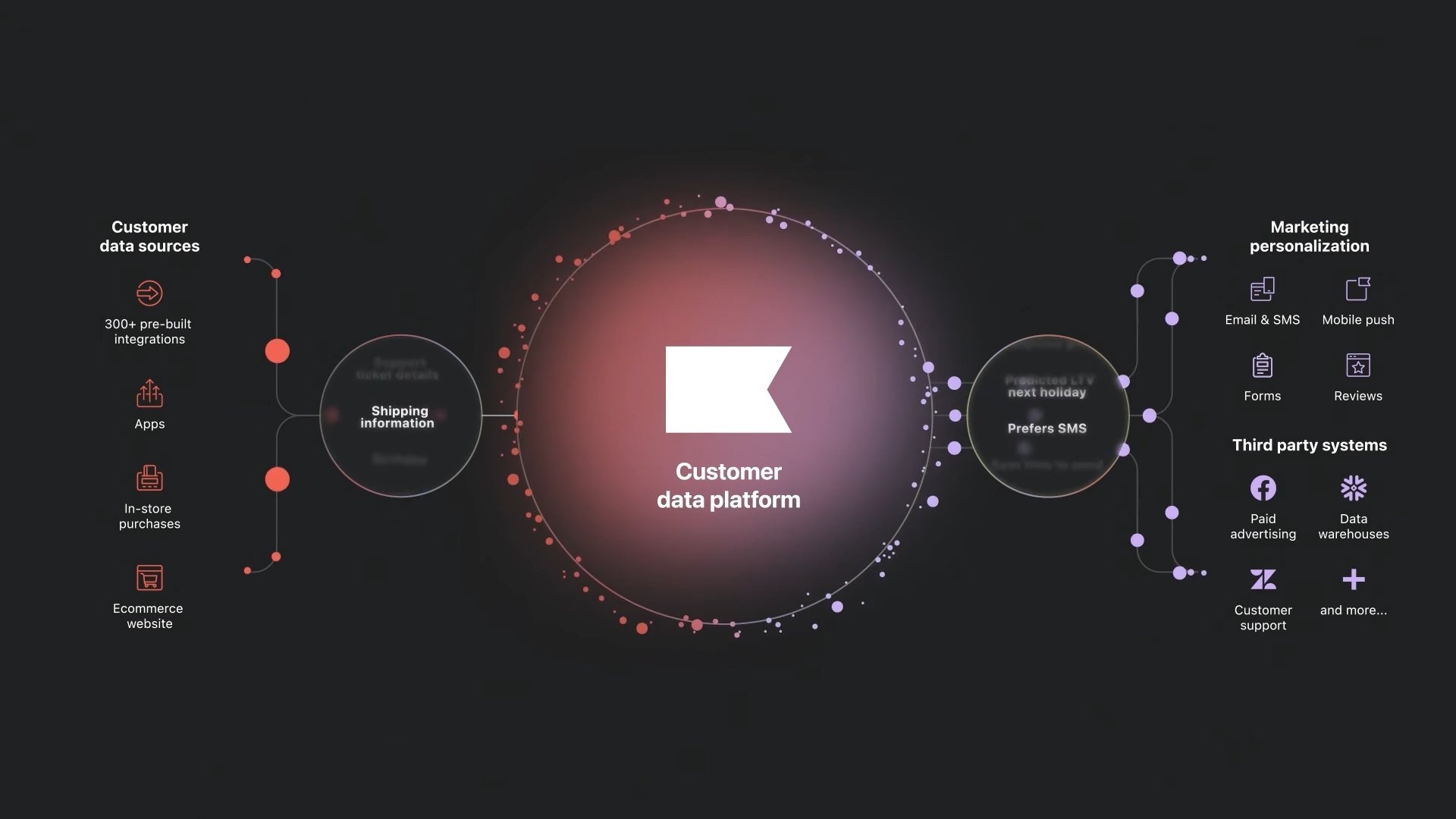
- Integrate with Other Marketing Channels: Klaviyo can combine data from other channels to provide a holistic view of customer engagement. Understanding how email campaigns interact with social media, web traffic, and more allows for cohesive marketing strategies.
By closely monitoring engagement metrics, businesses can respond rapidly to trends and adjust their strategies accordingly. This practice not only improves email performance but also builds a deeper connection with customers.
In conclusion, data analytics and engagement metrics are foundational components that can propel your Klaviyo success. By harnessing insights to inform decisions and track engagement effectively, businesses can create compelling, personalized experiences that drive loyalty and revenue while continuously adapting to their audience’s needs. Implementing these best practices lays the groundwork for long-term success in email marketing.