
Introduction
Importance of Email Marketing in Insurance Industry
In today’s digital landscape, the insurance industry is ripe for transformation, and email marketing has emerged as a powerful tool to connect with clients and prospects. With the saturation of advertisements in social media feeds and search engines, email marketing offers a more personal touch, allowing for direct communication with targeted audiences.
Many insurance professionals have seen remarkable success by leveraging email campaigns. For example, a small insurance agency saw a 30% increase in client engagement just by sending personalized newsletters featuring tips for policyholders. This type of email not only provided valuable information but also fostered loyalty and trust, as clients felt their needs were being met.
When it comes to insurance, building relationships is crucial. Email marketing allows agents to:
- Educate clients about products and services : Regularly sending informative content about insurance options helps customers make informed decisions.
- Set up reminders for renewals and policy updates : This type of proactive communication ensures that clients stay informed and engaged.
- Promote special offers and discounts : Timely promotions sent via email can motivate potential clients to take action.
By utilizing email marketing effectively, insurance agents can nurture leads and build lasting connections that translate into long-term business growth.
Understanding ROI in Email Marketing
Understanding the Return on Investment (ROI) in email marketing within the insurance industry is essential to measure success and inform future strategies. Unlike traditional marketing methods, email marketing allows for clear tracking and analysis of campaign performance, enabling agents and agencies to see which efforts yield the best results.
To determine ROI in email marketing, consider the following steps:
- Calculate overall revenue generated from email campaigns : Track sales and conversions that stem directly from email interactions.
- Determine the costs associated with the campaigns : Include all expenses related to software, design, and any associated marketing efforts.
- Use the ROI formula : [text{ROI} = frac{text{Total Revenue – Total Costs}}{text{Total Costs}} times 100]
- Analyze performance metrics : Track open rates, click-through rates, and conversions to refine future campaigns.
For example, if an agency spends $500 on an email marketing campaign and generates $2,000 in sales, the ROI would be calculated as follows:
- Total Revenue: $2,000
- Total Costs: $500
- ROI: (frac{2000 – 500}{500} times 100 = 300%)
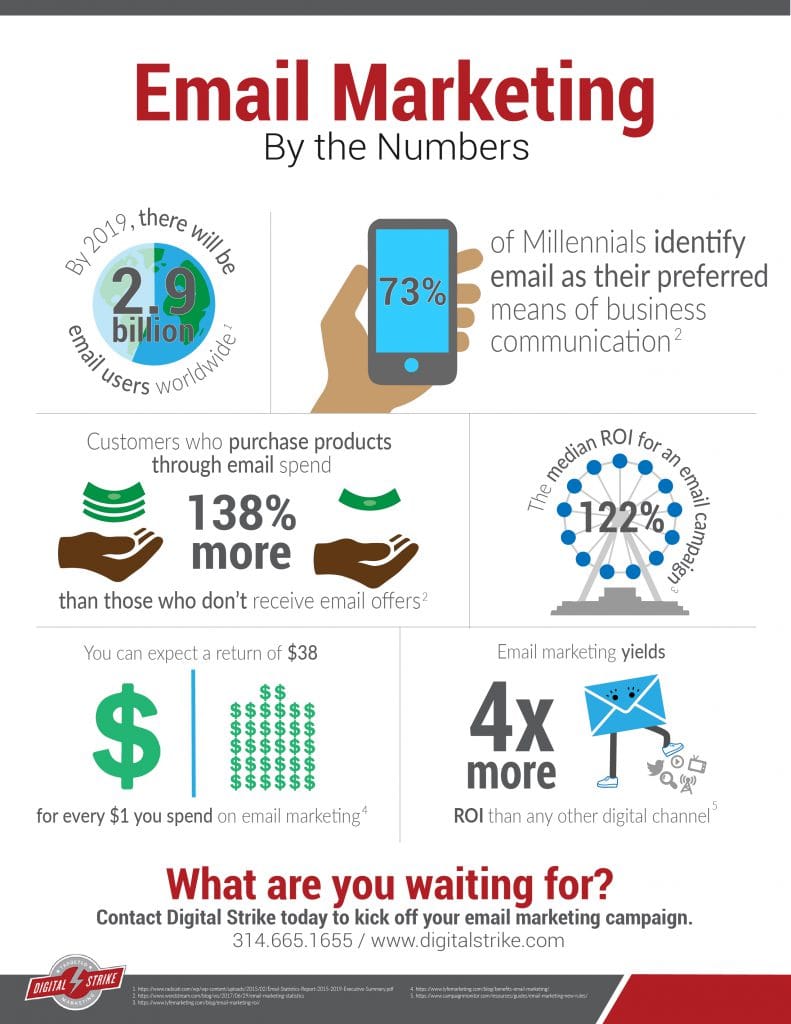
This calculation reveals the effectiveness of the marketing efforts and highlights areas for improvement. With email marketing yielding, on average, a $42 return for every dollar spent, its significance in the insurance industry cannot be overstated. This data-driven approach ensures that each campaign is not just a shot in the dark but a well-planned strategy aimed at fostering growth and engagement.
Building an Email List
Strategies to Grow Your Subscriber List
Now that the significance of email marketing in the insurance industry has been established, the next crucial step is building a robust email list. Growing your subscriber list is essential for enhancing engagement and increasing conversion rates. Here are some effective strategies to help you expand that list:
- Offer Value Upfront : People are more likely to sign up if they receive something valuable in return. Consider offering a free eBook on insurance tips, a checklist for choosing the right policy, or a discount on their first premium as an enticing incentive.
- Utilize Social Media : Leverage your social media platforms to promote your email sign-up. Create posts that highlight the benefits of subscribing to your newsletters. For instance, “Join our newsletter to receive exclusive tips on how to maximize your insurance policy!”
- Host Webinars : Hosting webinars can be a fantastic way to draw in potential subscribers. Attendees typically need to register with their email addresses, which not only grows your list but also allows you to establish authority in the insurance space.
- Set Up a Blog : When you consistently publish informative content about insurance trends, tips, and best practices, you build trust with your audience. Include a subscription box on your blog to capture interested readers’ emails.
- Use Referral Programs : Encourage your existing customers to refer friends and family. Offering a reward or discount to both the referrer and the new subscriber can result in a win-win situation.
By implementing these strategies, your email subscriber list can grow organically, filling it with engaged and interested prospects.
Segmenting Your Email List for Targeted Marketing
Once you’ve amassed a significant email subscriber list, the next step is segmentation. Segmenting your email list allows for more targeted and relevant messaging, ultimately improving engagement rates.
Consider these effective segmentation strategies:
- Demographic Segmentation : Group your subscribers based on age, gender, location, or occupation. This information can help tailor the content to specific interests or needs.
- Behavioral Segmentation : Segment your subscribers according to their previous interactions with emails. For instance, identify those who opened your last five emails but didn’t convert. This insight allows you to create personalized follow-ups.
- Purchase History Segmentation : Group your subscribers based on their insurance history or existing policies. For example, a customer who has an auto policy might be interested in bundled home insurance offers.
- Lifecycle Stage Segmentation : Identify where your subscribers are in their customer journey—whether they’re just learning about products, ready to make a purchase, or existing clients needing renewal reminders.
- Interest-Based Segmentation : Inquire about your subscribers’ interests right during the sign-up process. This knowledge enables you to send tailored content that resonates with their specific needs.
By segmenting your email list, insurance agents can create customized content that speaks directly to each audience segment’s interests and needs. This leads to higher engagement and conversion rates, which is crucial when striving for a successful email marketing strategy. Each message becomes more relevant, fostering trust and promoting loyalty among your clients.

Crafting Compelling Email Content
Personalization and Customization Techniques
After successfully building and segmenting your email list, the next step is to craft compelling email content that resonates with your audience. Personalization and customization are vital elements in this process. When subscribers feel that your emails are tailored just for them, they are more likely to engage and respond.
Here are some effective techniques for personalizing and customizing your email content:
- Use First Names : Start your email with the recipient’s name. An email greeting such as “Hi John,” creates an immediate sense of connection.
- Tailor Content Based on Preferences : If you know a subscriber is interested in auto insurance, consider sending them informative articles or promotional offers specifically related to that product.
- Utilize Behavioral Data : Track how users interact with your emails and websites. If a subscriber frequently reads your content on renters’ insurance, send targeted emails that dive deeper into that topic.
- Send Birthday or Anniversary Emails : Recognizing special occasions can strengthen relationships. Sending a personalized email offering a discount or a special message on their birthday or policy anniversary can go a long way in showcasing that you care.
- Dynamic Content : This technique involves changing parts of your email content based on the subscriber’s segment. For example, showing different insurance options based on a subscriber’s location—offering flood coverage in high-risk areas but not in low-risk zones.
Incorporating these personalization techniques transforms your emails from generic messages into tailored communications that feel more human and engaging.
Creating Engaging Subject Lines
While the body content of the email is crucial, your subject line is equally important, acting as the first impression that determines whether the recipient opens your email. Crafting engaging subject lines can significantly impact your email open rates.
Consider these tips for writing subject lines that compel readers to click:
- Keep It Short and Sweet : Aim for 6-10 words or about 50 characters. Many mobile devices display only part of longer subject lines, so ensure your main message gets across quickly.
- Use Actionable Language : Create a sense of urgency or excitement. Phrases like “Don’t Miss Out” or “Last Chance for Savings” can motivate readers to act promptly.
- Ask Questions : A well-phrased question can pique curiosity and encourage opens. For example, “Are You Sure Your Insurance Coverage is Enough?” invites readers to contemplate their current situation.
- Incorporate Numbers : If applicable, use numbers in your subject lines to convey clarity and attract attention, such as “5 Tips to Lower Your Insurance Premium.”
- A/B Testing : Experiment with different subject lines to see which ones yield better open rates. For instance, try using a playful tone versus a straightforward approach and analyze the results.
Remember, an engaging subject line is your ticket to increasing open rates and ensuring your carefully crafted content doesn’t go unnoticed. By focusing on personalization and compelling subject lines, you elevate your email marketing efforts, leading to better engagement and stronger relationships with your clientele.
Designing Effective Email Campaigns
Best Practices in Email Template Design
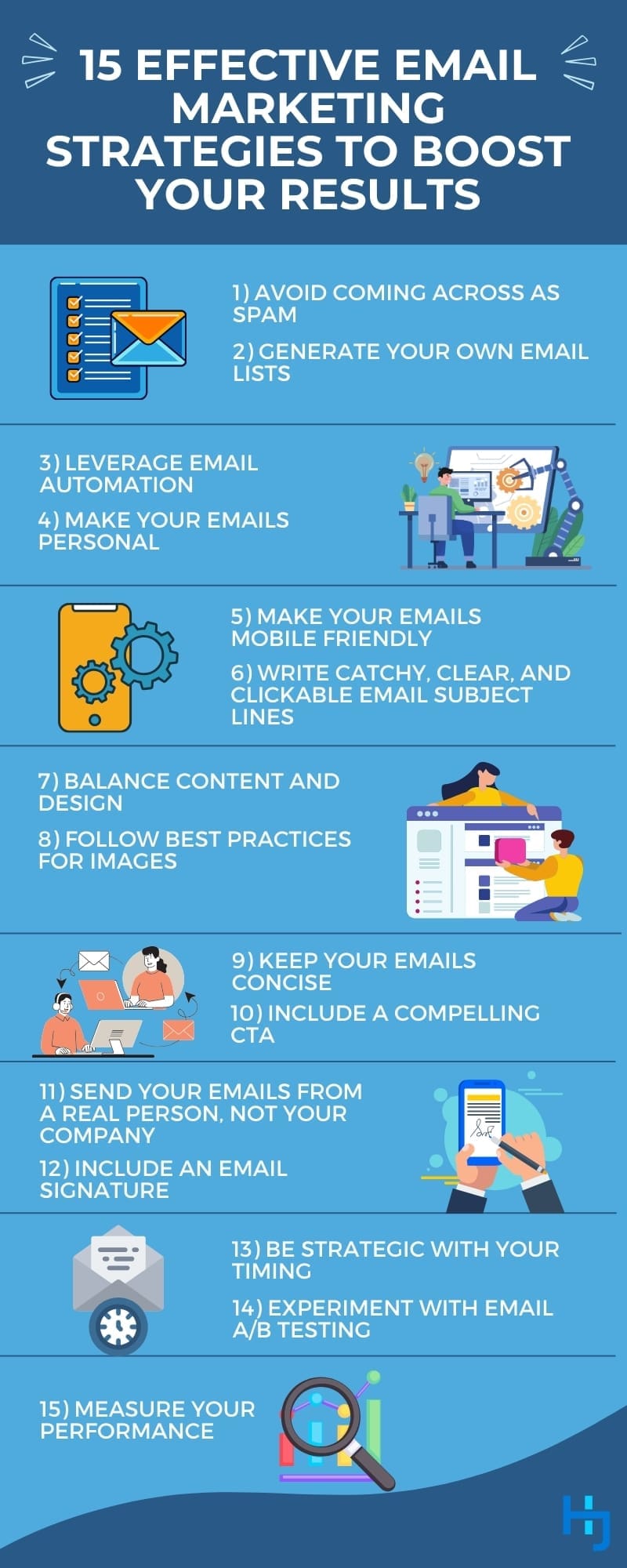
Once you’ve crafted compelling content, the next hurdle is to design an email template that catches the eye and enhances readability. An attractive and functional email design can significantly boost engagement. Here are some best practices to keep in mind when creating your email templates:
- Maintain a Clean and Simple Layout : A cluttered email can overwhelm readers. Aim for a clean layout with plenty of white space that allows readers to focus on your message. Use a single-column format to ensure readability, especially on mobile devices.
- Consistent Branding : Your email template should reflect your branding in terms of colors, fonts, and logos. Consistency helps foster brand recognition, making your communications instantly identifiable.
- Use Compelling Images : Visuals can enhance your message but be mindful of overloading your emails with images. Use high-quality visuals that complement your content and maintain a balance between images and text.
- Clear Call-to-Action (CTA) : Your email should have a clear purpose. Whether you want readers to visit a landing page, sign up for a webinar, or get a quote, ensure your CTA is prominently displayed and easy to locate. Phrases like “Get a Free Quote” can motivate action.
- Optimize for Mobile : With an increasing number of people checking emails on their phones, make sure your email design is mobile-friendly. Test your templates to ensure they are responsive and maintain functionality across different devices and email clients.
By following these design best practices, you can create visually appealing and user-friendly emails that keep your audience engaged from start to finish.
Optimizing Email Deliverability and Open Rates
No matter how beautifully designed your email is, it won’t matter if it goes straight to the spam folder. To ensure your emails land in the inbox and are opened, consider these optimization strategies:
- Authenticate Your Emails : Implementing SPF, DKIM, and DMARC authentication methods helps build credibility with email service providers. By verifying your identity, you enhance your chances of landing in the inbox rather than the spam folder.
- Maintain a Clean Email List : Regularly clean your subscriber list to remove inactive or unengaged users. High bounce rates can hurt your sender reputation. A targeted list will yield better engagement and open rates.
- Avoid Spammy Language : Words and phrases typically associated with spam (like “Free!”, “Act Now!”, or excessive exclamation points) can trigger spam filters. Craft your content carefully to avoid being flagged.
- Personalize Your Approach : Personalized emails typically enjoy higher open rates. Remembering subscriber preferences and habits can lead to more engaging subject lines and content tailored to individual needs.
- Send Regularly but Not Excessively : Finding the right frequency is key. Overloading subscribers with emails may prompt them to unsubscribe, while too few can result in disengagement. A bi-weekly newsletter often strikes the right balance.
By optimizing deliverability and focus on maintaining high open rates, insurance marketers can maximize the impact of their email campaigns. A thoughtful approach to both design and strategy ensures that emails not only reach the intended audience but also resonate effectively, fostering ongoing relationships with clients and prospects alike.
Analyzing and Improving Campaign Performance
Tracking Key Metrics for ROI Assessment
Once your email campaigns are up and running, tracking key metrics is essential for assessing their effectiveness and overall ROI. By analyzing these metrics, marketing professionals can determine what’s working, what needs improvement, and how to make data-driven decisions for future campaigns.
Here are some critical metrics to monitor:
- Open Rate : This metric measures the percentage of recipients who opened your email. A low open rate could indicate that your subject lines are not compelling or that you may need to reassess your audience segmentation.
- Click-Through Rate (CTR) : This indicates how many users clicked on at least one link within your email. It’s a direct measure of engagement. A high CTR typically signifies that your content resonates with your audience.
- Conversion Rate : This crucial metric tracks the percentage of recipients who completed a desired action, such as signing up for a policy or filling out a contact form after clicking through. Higher conversion rates demonstrate effective messaging and a clear call to action.
- Bounce Rate : Monitor the rate at which your emails fail to deliver. A high bounce rate can signal issues with list quality or authentication problems.
- Unsubscribe Rate : This provides insight into how well your audience finds your content engaging. A sudden spike in unsubscribes may indicate that you need to revisit your content strategy or frequency of emails.
By establishing key performance indicators (KPIs) tailored to your specific goals, you can gauge the success of your campaigns and make adjustments accordingly. Regularly reviewing and analyzing these metrics can help increase ROI over time.
Implementing A/B Testing for Constant Improvement
Another effective way to enhance your email campaigns is through A/B testing, a method that involves sending different versions of the same email to see which one performs better. This approach enables marketers to experiment with various elements to improve effectiveness continually.
Consider these areas for A/B testing:
- Subject Lines : Experiment with different subject lines to determine which ones yield higher open rates. For instance, try comparing a straightforward subject like “New Insurance Options Available” versus a more enticing one like “Protect What Matters: Explore Our New Offerings!”
- Call-to-Action (CTA) : Test different wording or placements for your CTAs. For example, “Get Your Free Quote” might perform better than “Request a Quote.”
- Email Design : Change visual elements, such as layouts, colors, or images. A well-organized, visually appealing email can boost click-through rates.
- Content Types : Experiment with different types of content, such as informative articles versus promotional offers, to see what resonates best with your audience.
Keep in mind, it’s essential to test one variable at a time to accurately determine what drives success. For example, if you decide to test a subject line while also changing the design, it becomes difficult to pinpoint which factor contributed most to the results.
By routinely implementing A/B testing, you can glean actionable insights that enable you to refine your campaigns continuously. This iterative process supports growth and adaption, ensuring your email marketing strategies remain effective and aligned with your audience’s preferences. With robust analysis and A/B testing in place, your email campaigns can evolve and thrive in an ever-changing landscape, ultimately delivering a better return on investment.