
Introduction
Importance of Email Marketing for Authors
Email marketing is one of the most potent tools in an author’s marketing arsenal. In a world where social media algorithms frequently change, relying solely on platforms like Facebook or Instagram can feel precarious. Authors who invest time and effort into building an email list can create a direct line of communication with their readers—an advantage that’s hard to replicate elsewhere.
Imagine finishing a captivating novel and wanting to connect directly with those who enjoyed it. This is where email marketing shines, allowing authors to share exclusive updates, new releases, and personal insights directly with their audience, fostering loyalty and engagement.
Benefits of Building a Strong Email List
Establishing a robust email list comes with a number of significant benefits:
- Direct Communication : Authors can share news and updates without worrying about algorithms filtering their messages.
- Increased Sales : A strong email list often translates to higher book sales, especially when tailored campaigns highlight new releases or special promotions.
- Reader Engagement : Email allows for deeper connections; encouraging feedback and interactions strengthens the relationship with readers.
- Exclusive Content : Authors can offer freebies or insider content that makes subscribers feel valued and excited to stay on the list.
Building and nurturing an email list empowers authors not just to sell books, but to create a community around their work.

Setting Up Your Email Marketing Infrastructure
Choosing the Right Email Marketing Service Provider
Now that you’ve grasped the importance of email marketing, it’s time to set up your email marketing infrastructure. The first step is choosing the right email marketing service provider. With numerous options available, this decision can feel overwhelming. Factors such as ease of use, cost, and features should guide your choice.
For example, if you’re a beginner, platforms like Mailchimp or ConvertKit offer user-friendly interfaces ideal for authors just getting started. Consider these factors when making your selection:
- User Interface : Look for intuitive design; you want to spend time writing rather than navigating complicated menus.
- Automation Features : Automated sequences can save time and effort while ensuring your emails reach readers at optimal times.
- Analytics : Effective tracking of open rates, click-through rates, and bounce rates helps you gauge your campaigns’ success.
Creating an Engaging Lead Magnet
Once you’ve chosen your provider, creating an engaging lead magnet is key to attracting subscribers. A lead magnet is a freebie offered in exchange for a reader’s email address, and it should provide real value.
Here are some ideas:
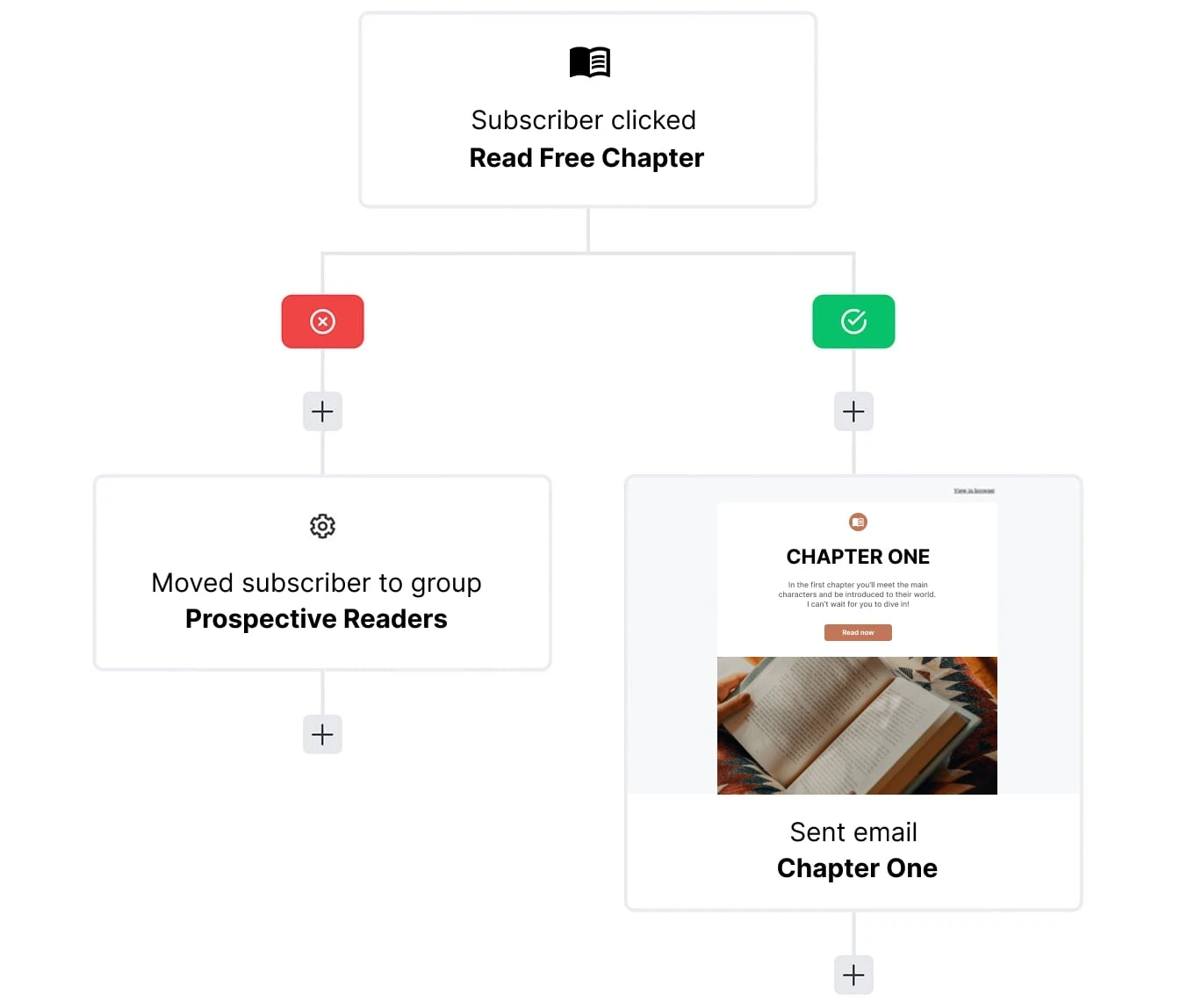
- Free Chapters : Offer a sample chapter from your latest book as a taste of your storytelling.
- Exclusive Content : An exclusive behind-the-scenes look or a writing guide can entice readers to sign up.
- Discount Offers : Provide a special discount on your book for subscribers—who doesn’t love a deal?
An effective lead magnet not only grows your subscriber base but also promises that you value your audience. Remember, the stronger your lead magnet, the more likely readers will want to stay connected!

Crafting Compelling Email Content
Writing Effective Subject Lines
Having successfully established your email list and enticing subscribers with a great lead magnet, the next step is crafting compelling email content, starting with effective subject lines. Your subject line is the first thing readers see, and it determines if they’ll open your email or let it collect dust in their inbox.
To write standout subject lines, consider these tips:
- Keep It Short and Sweet : Aim for around 6 to 10 words. Most people check their emails on mobile devices where space is limited.
- Create Urgency : Phrases like “Don’t miss out!” or “Limited time offer!” can prompt quicker reactions.
- Make It Personal : Including the subscriber’s name can create a connection; for example, “Sarah, your exclusive sneak peek awaits!”
You can also experiment with questions or intriguing phrases to pique curiosity.
Personalizing Your Email Campaigns
Once your subject line has done its job and readers are engaged, personalizing your email content can elevate the experience even further. Personalization transforms a generic email into something special, making readers feel valued.
Here are ways to personalize effectively:
- Segment Your List : Tailor messages based on subscribers’ interests or behaviors. For example, if you have readers who love historical fiction, send them updates relevant to that genre.
- Use Their Name : Incorporate names throughout the email. Phrases like “I thought you’d be interested in…” foster a more personal touch.
- Tailor Content Based on Interactions : If someone clicked on a previous book recommendation, follow up with similar suggestions.
The more you personalize, the more likely your audience feels connected to you. This connection can significantly increase engagement and open rates, paving the way for a successful email marketing campaign.

Growing Your Email List
Utilizing Social Media to Capture Subscribers
With your email content finely tuned, it’s crucial to focus on growing your email list. One of the most effective strategies is utilizing social media to capture subscribers. Social media platforms like Facebook, Instagram, and Twitter provide a fantastic opportunity to reach a broader audience and funnel them onto your email list.
Here are some practical tips for leveraging your social media presence:
- Promote Your Lead Magnet : Share posts highlighting the value of your lead magnet, whether it’s a free chapter or exclusive content, and link to your sign-up page.
- Engage with Followers : Create interactive posts—like polls or questions—that encourage users to engage. Follow these interactions with a prompt to subscribe for more exclusive insights.
- Host a Live Q&A : Use platforms like Instagram Live or Facebook Live to discuss your writing journey or upcoming projects, inviting viewers to subscribe for more updates.
Running Email Subscriber Giveaways
Another effective method to boost your email list is running email subscriber giveaways. Who doesn’t love free stuff? Giveaways can create excitement and draw in new subscribers in a fun and engaging way.
Consider these ideas when planning your giveaway:
- Offer a Book Bundle : Assemble a collection of your works or a selection of titles in your genre to draw attention.
- Host a Contest : Encourage participants to enter by sharing the giveaway on their social media channels, increasing your exposure.
- Create Clear Rules : Ensure the entry process is simple; for example, asking potential subscribers to provide their email addresses to enter.
Effective giveaways not only encourage new subscribers but also foster community engagement, helping you cultivate a loyal reader base eager to hear from you! Every effort counts in expanding your email list and creating lasting connections with your audience.
Automating Your Email Campaigns
Setting Up Automated Welcome Sequences
With your email list growing and compelling content ready to go, it’s time to automate your email campaigns for maximum efficiency. One of the best ways to start is by setting up automated welcome sequences. This is your chance to make a fantastic first impression on new subscribers.
A welcome sequence typically consists of a series of emails sent out automatically to introduce yourself and what your audience can expect from you. Here are some elements to consider:
- First Email : Thank your subscribers for joining and express your enthusiasm about sharing your journey with them.
- Second Email : Share a little about yourself—your writing process, favorite books, or upcoming projects—which helps build personal connection.
- Third Email : Introduce your lead magnet again or offer exclusive content; remind them of the benefits they gain by being on your list.
Implementing Drip Campaigns
Once you have a solid welcome sequence in place, consider implementing drip campaigns to keep your audience engaged over time. Drip campaigns are a series of pre-scheduled emails that are sent to subscribers based on specific actions or timelines.
For example, if someone downloads a free resource, you might set up a drip campaign to:
- Provide Additional Resources : Follow up with related tips or insights that complement the downloaded material.
- Encourage Feedback : Ask readers how they liked the resource, inviting them to share their thoughts or experiences.
- Promote Your Work : Gradually introduce your books or other offerings, creating interest without being overly pushy.
By automating these strategies, you create a consistent engaging experience for your readers—allowing you to focus more on writing while still maintaining meaningful connections with your audience. This balance is vital for a thriving author career!
Analyzing and Improving Email Performance
Tracking Key Email Marketing Metrics
Now that your email campaigns are automated and running, it’s time to focus on analyzing and improving their performance. The first step in this process is tracking key email marketing metrics. Just like an author reviews drafts to improve their craft, understanding these metrics is essential for refining your email strategy.
Here are some crucial metrics to monitor:
- Open Rate : This tells you how many recipients opened your email, indicating the effectiveness of your subject lines.
- Click-Through Rate (CTR) : This measures how many recipients clicked on links within your email, reflecting how engaging your content is.
- Bounce Rate : A high bounce rate can indicate issues with your email list quality, highlighting the need for list cleaning.
- Unsubscribe Rate : Monitoring who opts out can provide insights into where you might be missing the mark.
Understanding these metrics helps inform your email practices and makes your campaigns more effective over time.
A/B Testing Email Campaigns
Another excellent method to improve email performance is through A/B testing. This technique allows you to experiment with different elements of your emails to see which versions resonate best with your audience.
Consider these areas for A/B testing:
- Subject Lines : Test different phrasing or emojis to determine what grabs attention.
- Content Formats : Experiment with layouts—sometimes simpler designs yield better results.
- Call-to-Action (CTA) : Try out different wording or button colors to see which prompts more clicks.
By running A/B tests, you can optimize key elements of your campaigns based on actual reader behavior rather than intuition. The iterative process of testing and adjusting is similar to refining a manuscript—getting it just right takes time, but the results are well worth the effort! Always remember, successful email marketing is about continuous improvement and connecting with your readers effectively.
Maintaining Email List Health
Cleaning Up Inactive Subscribers
As your email marketing efforts grow, maintaining email list health becomes crucial. One important aspect of this is cleaning up inactive subscribers. Over time, the excitement of new sign-ups can dwindle, and some subscribers may become disengaged. Keeping these inactive contacts on your list can negatively impact your open rates and overall email performance.
Here’s how to effectively clean up your list:
- Identify Inactiive Subscribers : Look for readers who haven’t opened or interacted with your emails in the past six months or more.
- Re-engagement Campaign : Send a friendly email encouraging them to reconnect. Ask if they would like to stay subscribed and perhaps offer a small incentive, like exclusive content.
- Remove or Segment : If they don’t respond, consider removing them from your list after a final reminder. Alternatively, segment them to receive less frequent updates.
By cleaning up your list, you increase engagement rates and ensure that your messages reach truly interested readers.
Avoiding Spam Folders
The next task in maintaining email list health is avoiding spam folders. Nothing is worse than pouring your heart into an email only to have it lost in the abyss of a recipient’s spam folder. Here are some tips to keep your emails on the right side of their inboxes:
- Use a Recognizable Sender Name : Ensure recipients recognize your name or brand to encourage opens and trust.
- Craft Quality Content : Consistently provide value in your emails—whether that’s insights, tips, or entertainment—this builds trust and lowers the chance of being marked as spam.
- Avoid Spammy Language : Words like “free,” “urgent,” or excessive use of exclamation points can trigger spam filters, so use them sparingly.
Maintaining a healthy email list and avoiding spam folders keeps your communications effective and ensures that your readers remain engaged—a win-win for any author!

Leveraging Email Marketing for Book Launches
Creating Pre-Launch Email Teasers
With your email list in good health and bustling with engaged subscribers, it’s time to leverage this valuable asset for your book launches. One of the most effective strategies is to create pre-launch email teasers that pique interest and build excitement. Just like a movie trailer, these teasers can entice your readers and keep them eagerly awaiting your new release.
Consider these tactics for your pre-launch emails:
- Sneak Previews : Share a short excerpt or a riveting first chapter that introduces your characters and storyline.
- Cover Reveal : Send a visually appealing email unveiling your book cover, perhaps accompanied by the story behind its design. Let your readers feel part of the creation process!
- Countdowns : Create a sense of urgency with countdown emails. For example, “3 days until you can meet [Character Name]!” can spur excitement and anticipation.
Sending Post-Launch Follow-Up Emails
Once the book is launched, your email marketing shouldn’t end there. Sending post-launch follow-up emails can maintain momentum and keep your book fresh in your readers’ minds. These emails are critical for engaging with your audience and gleaning insights for future projects.
Here’s how to make your post-launch emails effective:
- Thank You Message : Express gratitude to your readers for their support. A personal touch can deepen the connection.
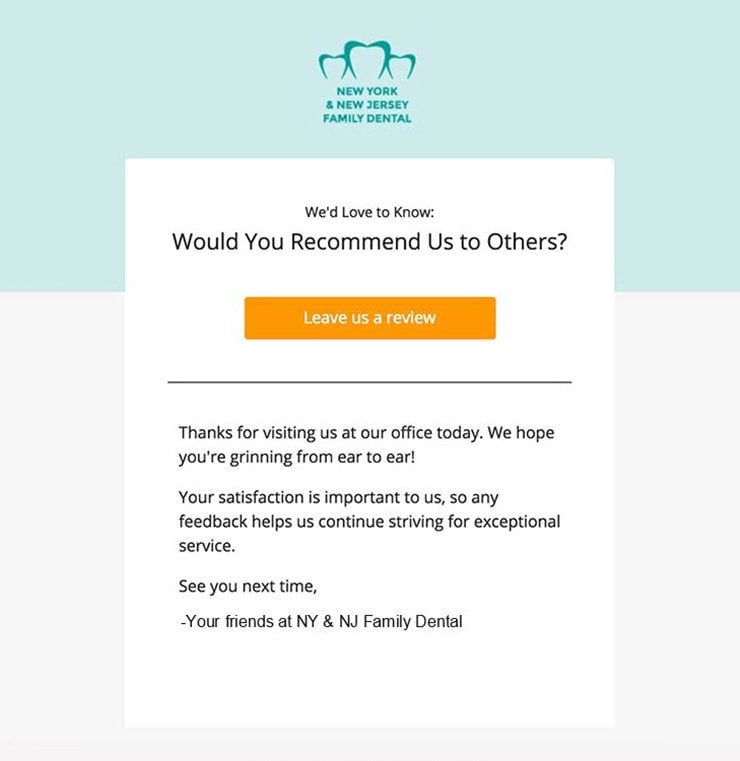
- Encourage Reviews : Politely ask readers to leave a review on platforms like Amazon or Goodreads, which can significantly impact visibility.
- Highlight Reader Reactions : Share testimonials or social media posts from readers enjoying your book; this creates social proof and encourages others to read it.
By crafting both pre-launch and post-launch email content, you not only keep your readers engaged but also create a community around your writing. This proactive approach can lead to enthusiastic support, ensuring that your book gets the attention it deserves!
Building Relationships with Your Subscribers
Engaging Subscribers through Personal Updates
Now that your email marketing strategy includes enticing book launches, it’s essential to shift the focus toward building genuine relationships with your subscribers. Strong relationships keep your readers engaged and eager to hear from you. One effective way to achieve this is by sharing personal updates.
Consider these methods for engaging your subscribers:
- Personal Stories : Share anecdotes about your writing journey—challenges, triumphs, or the quirky inspiration behind your latest book. This not only humanizes you but also helps readers feel connected to your work.
- Behind-the-Scenes Content : Provide a glimpse into your writing process. Share pictures of your writing space or tools you love using; readers appreciate seeing the effort behind the scenes.
- Regular Updates : Keep subscribers informed about what you’re working on next. Whether it’s a new book project, upcoming events, or personal milestones, consistent communication fosters loyalty.
Encouraging Reader Feedback
In addition to sharing updates, actively encouraging reader feedback builds further engagement and connection. Feedback gives you invaluable insights into what resonates with your audience, allowing you to tailor future content accordingly.
Here are some strategies to solicit feedback:
- Direct Requests : Ask subscribers to reply to your emails with their thoughts on your latest book or newsletters. This straightforward approach invites dialogue.
- Surveys and Polls : Consider creating simple surveys to learn what your readers prefer. Ask them about future topics or their favorite genres.
- Social Media Integration : Utilize your social channels to ask questions or create polls prompting readers to share their opinions.
By fostering open communication and actively seeking feedback, you create a sense of community around your writing. Ultimately, the more you engage with your subscribers, the more invested they’ll become in your work! This connection translates into a loyal readership that is more likely to support you in your future literary endeavors.
Advanced Email Marketing Strategies
Segmenting Your Email List for Targeted Campaigns
As your email marketing efforts mature, it’s time to dive into advanced strategies for optimizing your outreach. One of the most effective methods is segmenting your email list for targeted campaigns. Instead of sending generic emails to your entire list, consider breaking it down into smaller, more specific groups based on certain criteria.
Here are some segmentation ideas:
- Interests and Genres : Group subscribers based on their preferences. For example, if you write both romance and thriller novels, create segments for each genre to tailor your content accordingly.
- Purchase History : Segment readers who have bought your books versus those who haven’t. This allows you to market differently to loyal readers versus newcomers.
- Engagement Levels : Identify your most engaged subscribers and create special campaigns for them to keep the momentum going, while also re-engaging inactive subscribers with tailored content.
By sending targeted content that resonates with your different segments, you’ll increase engagement and reduce unsubscribe rates.
Implementing Advanced Automation Workflows
Following segmentation, implementing advanced automation workflows can take your email marketing to the next level. Automation allows you to send the right message at the right time, reducing the workload while enhancing the reader experience.
Consider these advanced automation strategies:
- Behavior-Based Triggers : Set up workflows triggered by specific actions. For instance, if a subscriber clicks on a link about your upcoming releases, automate a follow-up email featuring those books.
- Birthday or Anniversary Emails : Send personalized messages on important dates related to your readers—whether it’s their birthday or the anniversary of your first book release—adding a special touch.
- Lifecycle Campaigns : Create flows for subscribers at different stages, such as new joiners receiving introductory content or loyal readers getting invitations to exclusive events.
These automation strategies not only streamline your email marketing efforts but also ensure a personalized experience for your readers. By leveraging segmentation and automation, you foster deeper connections and drive higher engagement rates—key components for a successful author journey!