

Introduction
Importance of Email Newsletters
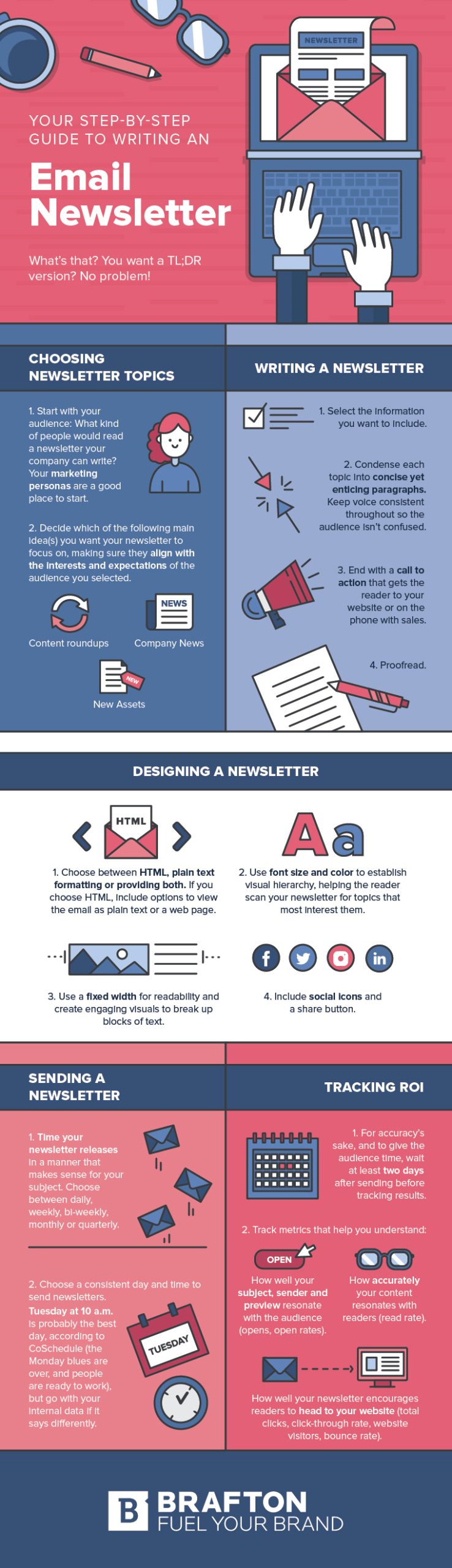
In today’s fast-paced digital landscape, the significance of email newsletters cannot be overstated. They serve as a direct line of communication between businesses and their audience, allowing brands to keep their clientele informed, engaged, and connected. With the average person receiving numerous emails daily, crafting compelling newsletters ensures that your message stands out in a crowded inbox.
Email newsletters not only provide value through content but also enhance brand loyalty. Think of it this way: whenever a reader opens your newsletter, they’re essentially giving you a moment of their time. This direct engagement can foster a sense of community and allow businesses to cultivate relationships beyond transactional interactions.
Benefits of Well-Designed Newsletters
A well-designed newsletter can significantly impact a brand’s success. Here are some of the key benefits:
- Increased Engagement : Eye-catching designs and relevant content encourage readers to interact with your emails, driving higher engagement rates.
- Brand Awareness : Consistent email communications can enhance brand recognition and recall, making your business top-of-mind.
- Customer Retention : Regular updates keep customers informed about products and services, which can lead to increased loyalty over time.
- Higher Conversion Rates : Targeted content with clear calls-to-action can lead to higher conversion rates, turning readers into customers.
For instance, a small coffee shop might send out a monthly newsletter featuring new drink offerings, loyalty program updates, and community events. This not only keeps customers in the loop but also encourages them to visit the shop more frequently. Overall, well-designed email newsletters serve as a potent tool for creating lasting connections and driving business growth.
Understanding Your Audience
Segmenting Your Email List
To truly resonate with readers, it’s critical to understand who they are. Segmenting your email list is an effective strategy that allows you to tailor your content to meet the specific needs and interests of different groups within your audience. Think of it as a way to create personalized experiences for your subscribers.
You can segment your email list based on various factors, such as:
- Demographics : Age, gender, location, and occupation.
- Behavior : Purchase history, click-through rates, and engagement levels.
- Preferences : Topics of interest, product preferences, and feedback.
For example, a local bookstore can segment its audience into avid readers, casual readers, and parents. By sending tailored newsletters to each group—featuring book recommendations, events, or special discounts—you’re more likely to engage your subscribers and increase conversions.
Analytics and Tracking
Tracking how your audience interacts with your newsletters is crucial to understanding their behaviors and preferences. By employing analytics tools, you can gain insights that empower you to refine your strategy further.
Key metrics to monitor include:
- Open Rates : Understanding how many subscribers are opening your emails helps you gauge the effectiveness of your subject lines.
- Click-Through Rates : This indicates how many people engage with your content and calls-to-action, allowing you to assess interest levels.
- Bounce Rates : Keeping an eye on what percentage of emails aren’t delivered can help you manage your list’s quality.
For instance, if a particular newsletter consistently generates high click-through rates, consider analyzing what made it so appealing. Was it the subject line, the content, or perhaps a timely topic? Learning from your analytics will guide you in creating more effective email campaigns in the future. Ultimately, understanding your audience through segmentation and analytics lays the foundation for successful email marketing efforts.
Setting Design Objectives
Establishing Brand Consistency
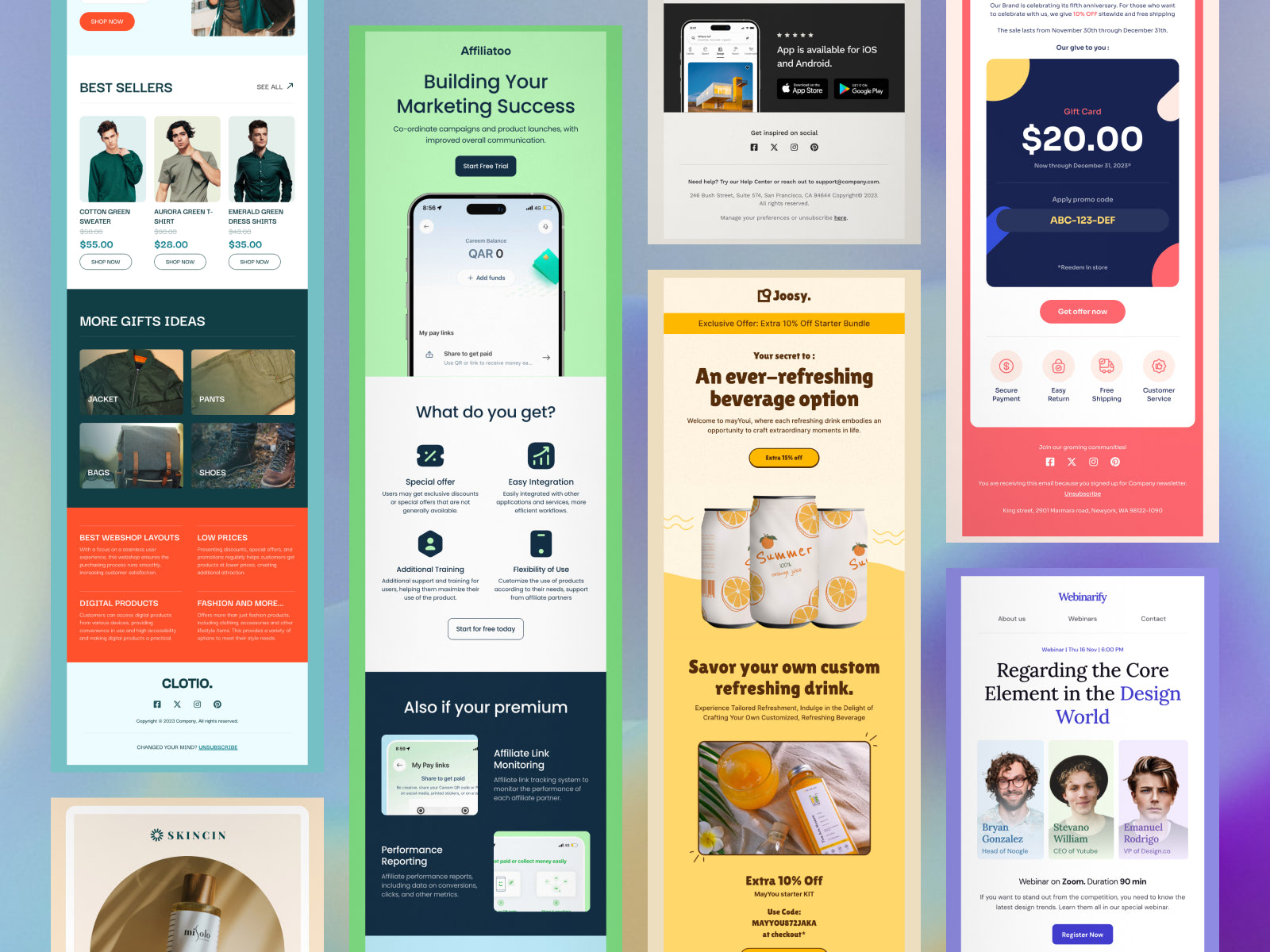
Once you have a firm grasp of your audience, the next step in crafting effective email newsletters is setting design objectives that align with your overall branding strategy. Establishing brand consistency is paramount—this involves ensuring that every email reflects the same identity, tone, and visual style as your other marketing channels.
Consider the following elements when aiming for brand consistency:
- Logo Placement : Place your logo prominently at the top of your newsletter to reinforce brand recognition.
- Color Palette : Use a consistent color scheme that reflects your brand. This makes your emails easily recognizable in the inbox.
- Typography : Select one or two fonts that resonate with your brand voice and use them throughout your emails for a cohesive look.
For instance, a fitness brand may use bold colors and energetic fonts to convey a dynamic and motivational message. By maintaining this consistency, subscribers can easily associate your emails with your brand values, fostering trust and familiarity.
Defining Call-to-Actions
Setting clear and compelling call-to-actions (CTAs) is another crucial design objective. CTAs are the buttons or links that guide your subscribers toward the desired action—whether it’s making a purchase, signing up for a webinar, or following your social media accounts.
To define effective CTAs, consider the following strategies:
- Clarity : Use simple, direct language like “Shop Now” or “Learn More” to tell readers exactly what you want them to do.
- Visibility : Ensure that your CTAs stand out visually. Use contrasting colors, larger buttons, or engaging designs that draw attention.
- Placement : Strategically position CTAs within the newsletter—often after engaging content or at the end of the email—to increase the chances of clicks.
For example, after showcasing new products, a fashion retailer might prominently place a “Buy Now” button. When users know what to do next, it enhances their experience and ultimately boosts your conversion rates. By melding brand consistency with clear CTAs, your email newsletters can transform from simple updates into powerful marketing tools.
Design Elements for Success
Layout and Structure
Now that you have established your design objectives, the next key aspect to focus on is the layout and structure of your email newsletter. A well-organized layout not only enhances readability but also guides subscribers through your content in a logical and engaging manner.
When designing your email layout, consider these essential tips:
- Hierarchy : Use headings, subheadings, and bullet points to create a clear hierarchy. This makes it easier for readers to scan your content and locate key information quickly.
- Whitespace : Don’t be afraid of whitespace! It helps to reduce clutter and gives your content room to breathe, making it more visually appealing.
- Visual Breaks : Incorporate images, dividers, or separators to break up blocks of text and keep readers engaged.
For example, a travel agency might use images of stunning destinations alongside snippets of travel tips, allowing readers to jump from one section to another seamlessly—keeping the email interactive and visually interesting.
Color Schemes and Fonts
Next, let’s tackle color schemes and fonts, which are crucial in setting the tone and mood of your newsletters. The right choices can evoke emotions and enhance the reader’s experience.
Here are some guiding principles for selecting color schemes and fonts:
- Complementary Colors : Choose a color palette that reflects your brand identity but also remains legible. Tools like Adobe Color can help you find colors that work harmoniously together.
- Font Pairing : Use a maximum of two to three fonts—one for headings and another for body text. This keeps the design clean and ensures that your content is easy to read. A combination of a bold display font for headlines and a simple sans-serif font for body text often works well.
- Accessibility : Keep in mind color contrast and font size. You want to ensure readability for all subscribers, including those with vision impairments.
For example, a wellness brand could use soothing blues and greens with a clean, modern font to create a calming effect. By thoughtfully considering layout, color schemes, and fonts, your email newsletters will not only look professional but will also effectively convey your message and resonate with your audience.
Images and Visuals
Choosing the Right Images
With your layout and design elements established, it’s time to focus on images and visuals—an essential component that can significantly enhance the effectiveness of your email newsletters. The right images not only capture attention but also evoke emotions and reinforce your brand message.
When selecting images, consider the following guidelines:
- Relevance : Choose visuals that align with your content. If you’re promoting a new product, showcase high-quality images of that product in use or from multiple angles.
- Authenticity : Real images of happy customers or behind-the-scenes snapshots can create a sense of trust. For instance, a bakery could feature mouth-watering pictures of baked goods made in-house, making the audience crave them even more.
- Quality : Always opt for high-resolution images. Blurry or pixelated visuals can detract from your brand’s professionalism.
Using images judiciously can elevate your newsletters, making them more engaging and visually appealing.
Optimizing for Mobile Users
As we all know, more people are checking their emails on mobile devices than ever before. Therefore, optimizing your images for mobile users is crucial for ensuring that your newsletter looks great across all devices.
Here are some optimization tips to keep in mind:
- Responsive Design : Ensure that your images resize correctly for different screen sizes. Most modern email design tools offer responsive options that adjust images based on device types.
- Image Size and Format : Use compressed image formats (like JPEG or PNG) to reduce loading times without sacrificing quality. Make sure images are no larger than necessary; over-sized files can lead to slow downloads and frustrated readers.
- Alt Text : Always include alt text for your images. This not only improves accessibility for visually impaired readers but also provides context if the images fail to load.
For example, if a fitness brand is promoting a new workout program, they should include images that display the exercises performed on various devices, ensuring that all users can connect with the content. By choosing the right images and optimizing for mobile users, email newsletters will not only enhance visual appeal but also extend their reach and impact.
Writing Compelling Content
Crafting Engaging Subject Lines
As you dive into writing your newsletter, one of the most crucial components to focus on is the subject line. After all, it’s the first thing your subscribers see when your email lands in their inbox. A compelling subject line can make all the difference in whether your email gets opened or ignored.
Here are some tips to help you craft engaging subject lines:
- Keep it Concise : Aim for 50 characters or fewer to ensure your subject line is fully visible on all devices.
- Create Urgency : Phrases like “Limited Time Offer” or “Don’t Miss Out!” can create a sense of urgency, prompting quicker action from readers.
- Personalize When Possible : Including the recipient’s name or referencing their past purchases can make the subject line feel more relevant and tailored.
For instance, instead of a generic “Monthly Newsletter,” a more engaging subject line could be “Sarah, Your Exclusive Spring Collection Awaits!” This personal touch can significantly boost open rates.
Creating Persuasive Copy
Once you have your audience opening the email, the next step is to engage them with persuasive copy. Effective writing keeps subscribers interested and motivates them to act.
Consider these strategies when crafting your newsletter copy:
- Know Your Selling Point : Clearly articulate the benefits of your offerings rather than just listing features. Instead of saying “Our shoes come in five colors,” say “Choose your favorite color and step out in style!”
- Tell a Story : Personal anecdotes or relatable stories can create an emotional connection. For example, sharing a customer’s transformational journey can inspire trust and encourage others to engage in similar experiences.
- Include Clear Calls-to-Action : Reinforce what you want your readers to do next, whether it’s “Shop Now” or “Read More.” Make sure these stand out in the content.
By focusing on crafting engaging subject lines and creating persuasive copy, your email newsletters will resonate with readers, leading to higher engagement and ultimately better results for your marketing efforts. Engaging content is your key to building relationships and driving conversions.
Testing and Optimization
A/B Testing Strategies
Having crafted engaging content, the final step in perfecting your email newsletter is to implement testing and optimization strategies. One of the most effective methods to enhance your email performance is through A/B testing, which allows you to determine what resonates best with your audience.
Here’s how to get started with A/B testing:
- Identify Variables : Decide what you want to test. This could range from subject lines and images to CTAs and overall design.
- Create Two Versions : Develop two variants of your email (Version A and Version B) with one key difference. For instance, test two different subject lines to see which one has a higher open rate.
- Segment Your Audience : Send one version to half of your list and the other version to the remaining half. Ensure that both samples are similar in demographics for valid results.
- Analyze Results : After sending, observe the performance metrics over a set timeframe. Look for differences in open rates, click-through rates, and conversions.
For example, a nonprofit organization might find that a subject line emphasizing urgency leads to higher engagement compared to a more general one. Such insights can fine-tune your approach moving forward.
Using Data to Improve Performance
After A/B testing, the next essential step is using data to enhance your email campaigns continually. Metrics provide invaluable insights that inform your decisions and strategies.
Key metrics to focus on include:
- Open Rates : Indicates how well your subject lines are performing. If they’re low, rethink your approach.
- Click-Through Rates : Assess how effectively your content drives action. If readers aren’t clicking links, consider making your CTAs more prominent or persuasive.
- Conversion Rates : Ultimately, this metric measures the success of your campaigns in generating desired actions, such as sales or sign-ups.
By diving into the data, you can identify patterns and preferences that inform your future content decisions. For instance, if you notice that emails sent on a Wednesday perform better, adjust your sending schedule accordingly.
Emphasizing testing and leveraging data enables you to refine your email newsletters continually, ensuring they remain relevant and engaging. With every test and analysis, you’ll build a deeper connection with your audience and enhance your overall marketing effectiveness.