

Introduction to the Rice Prompt Framework
What is the Rice Prompt Framework?
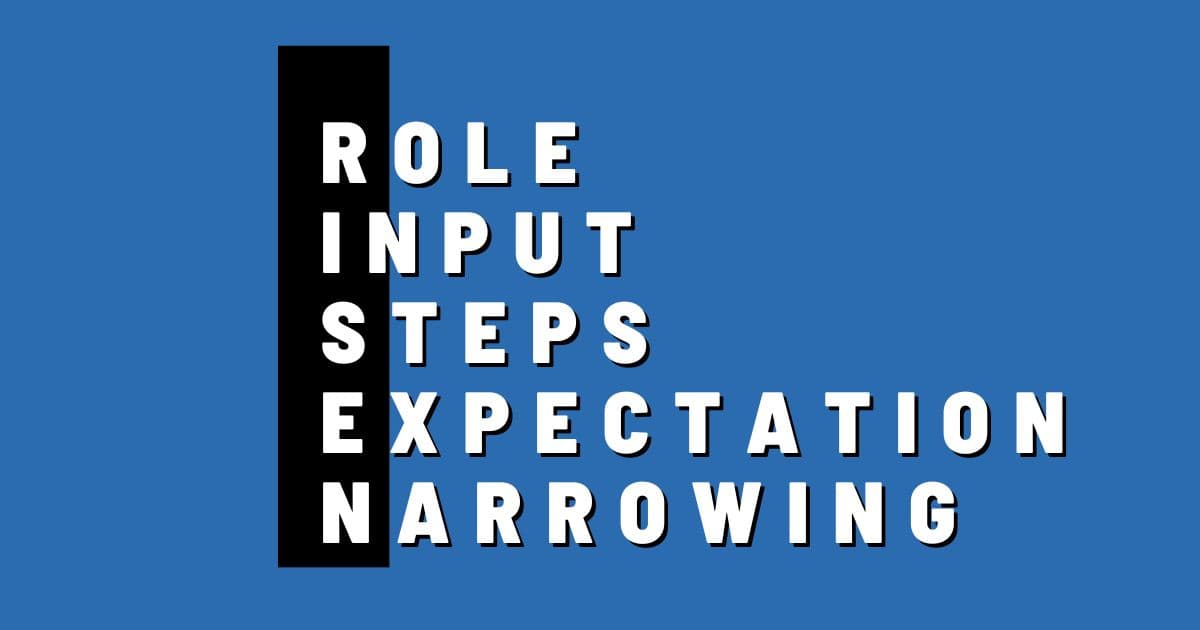
The Rice Prompt Framework is a strategic model designed to optimize email marketing efforts by creating targeted and effective messaging. At its core, the framework emphasizes clarity and structure, allowing marketers to craft personalized content that resonates with various audience segments.
What sets the Rice Prompt Framework apart is its focus on systematic approaches. Here’s a breakdown of its key components:
- Target Audience : Understanding who you’re talking to is essential.
- Personalization : Customizing the message for individual preferences leads to better engagement.
- Clear Objectives : Establishing what you want to achieve with each email campaign enhances effectiveness.
By utilizing this framework, marketers can ensure that their emails not only reach their audience but also motivate specific actions, whether it’s making a purchase, signing up for a webinar, or simply engaging further with the content.
History and Importance of the Rice Prompt Framework
The Rice Prompt Framework has evolved in response to the growing complexity of digital marketing. As consumer preferences shift rapidly, marketers found themselves needing a cohesive strategy to navigate these changes effectively.
Developed during the emergence of data-driven marketing practices, the framework gained traction because it empowers marketers to leverage insights for better decision-making. Its importance can be summarized as follows:
- Increased Engagement : Tailored messages lead to higher open and click-through rates.
- Improved ROI : Targeted campaigns minimize waste and maximize returns.
- Scalability : The framework can be adapted to various industries and campaign sizes.
In a world where inboxes are overflowing, the Rice Prompt Framework stands as a beacon for marketers aiming to cut through the noise.

Understanding the Components of the Rice Prompt Framework
Target Audience Segmentation
One of the most vital components of the Rice Prompt Framework is target audience segmentation. This step involves breaking your overall audience into smaller, more manageable groups based on shared characteristics, such as demographics, behaviors, or interests.
Think about it: when was the last time you received a generic email that just didn’t resonate? It’s likely that it wasn’t tailored to your needs. By segmenting your audience, you pinpoint who your recipients are, allowing for more effective communication. Key segmentation strategies include:
- Demographic Segmentation : Age, gender, income level, and occupation.
- Behavioral Segmentation : Purchasing habits, website activity, and email engagement.
- Geographic Segmentation : Location-based targeting to promote region-specific offerings.
This meticulous approach ensures that the content speaks directly to the audience’s needs and enhances engagement.
Personalization and Customization
Once audiences are segmented, the next step is personalization and customization. This is about going beyond basic information like a first name in the email greeting; it’s about delivering content that aligns with individual preferences.
For example, a travel company can send personalized offers based on past trips or inquiries. Some effective personalization tactics include:
- Dynamic Content : Changing elements within emails based on the recipient’s profile.
- Tailored Recommendations : Suggesting products or services liked by similar customers.
- Behavioral Triggers : Sending follow-up emails based on user actions, like viewing a product but not purchasing.
By embracing personalization, brands can foster a deeper connection with their audience, ultimately driving actions and loyalty.

Setting Objectives for Email Marketing with Rice Prompt Framework
Defining SMART Goals for Email Campaigns
Once you’ve segmented your audience and personalized your content, it’s time to establish clear objectives. Setting SMART goals—Specific, Measurable, Achievable, Relevant, and Time-bound—is essential for any successful email campaign.
For instance, instead of saying, “I want to increase sales,” you could say, “I aim to boost sales by 20% over the next quarter.” Here’s how you can break down your goals:
- Specific : Be clear about what you want to achieve (e.g., increase newsletter sign-ups).
- Measurable : Define criteria to measure success (e.g., track the number of sign-ups weekly).
- Achievable : Set realistic expectations based on past performance (e.g., aim for a 15% increase).
- Relevant : Ensure your goal aligns with your overall marketing objectives (e.g., building brand awareness).
- Time-bound : Set a deadline for achieving your goal (e.g., within the next three months).
By applying these criteria, marketers can create focused campaigns that drive results.
Aligning Objectives with the Rice Prompt Framework
Aligning your SMART objectives with the Rice Prompt Framework is critical for coherence and effectiveness. Each component of the framework serves as a guiding principle to ensure your goals resonate with your audience.
For example, if you set a goal to increase engagement, aligning it with audience segmentation allows you to tailor your messages accordingly. Here’s how to create alignment:
- Map Goals to Segmentation : Identify which audience segments you need to engage with to fulfill your goal.
- Use Personalization Tactics : Ensure that your content is tailored to meet the specific needs of each segment to achieve higher engagement rates.
- Monitor Performance : Define KPIs that reflect your goals, using them to assess the effectiveness of both your objectives and the framework.
This alignment fosters a holistic approach to email marketing, ensuring every message serves a purpose in driving your campaigns forward.
Implementing the Rice Prompt Framework in Email Content Creation
Crafting Compelling Subject Lines
As you dive deeper into the Rice Prompt Framework, one of the first critical components in email content creation is crafting compelling subject lines. These lines serve as the gateway to your email and can significantly impact open rates.
Marketers often overlook the power of a well-designed subject line. Think of it as a first impression; you want it to be engaging and reflective of your email’s content. Here are some tips to consider:
- Be Concise : Aim for 50 characters or less to ensure it displays well on mobile devices.
- Use Power Words : Incorporate action-oriented language; words like “exclusive,” “limited,” or “discover” can spark curiosity.
- Personalization : Including recipient names can enhance connection, e.g., “John, Your Special Offer Awaits!”
- Create Urgency : Phrases like “Last chance” or “Only a few spots left” can encourage quicker action.
Remember, A/B testing different subject lines can give insight into what resonates best with your audience.
Designing Engaging Email Body Content
Once your email is opened, the body content must maintain that hook. Engaging email body content is essential to keep the reader interested and encourage them to take action.
Here are a few strategies to enhance your email body:
- Start with a Strong Opening : Grab attention with a relevant fact or question.
- Use Short Paragraphs : Keep text digestible; chunks of information are easier to read.
- Incorporate Visuals : Images or infographics can break up text and make the email visually appealing.
- Clear Call-to-Action (CTA) : Make your CTA stand out with buttons and ensure it’s action-oriented (e.g., “Shop Now” instead of just “Click Here”).
By implementing these techniques within the Rice Prompt Framework, marketers can create compelling and informative email content that resonates with their audience and drives engagement.
Optimizing Email Delivery and Automation with the Rice Prompt Framework
Best Practices for Scheduling Email Campaigns
When implementing the Rice Prompt Framework, optimizing the timing of your email campaigns is crucial for maximizing engagement and ensuring your messages land in inboxes at the right moments. Strategic scheduling can significantly influence open rates and conversions. Here are some best practices to consider:
- Know Your Audience : Analyze past campaign data to determine when your audience is most active. For instance, if your readers are primarily professionals, sending emails on weekdays during working hours might yield better results.
- Test Different Times : Experiment with different days and times to find the sweet spot. For example, try scheduling emails on Tuesday mornings versus Thursday afternoons and compare results.
- Utilize Time Zones : If your audience spans different time zones, consider segmenting your send times accordingly, ensuring everyone receives your email when they’re most likely to check it.
Consistency also plays a critical role. Regularly scheduled newsletters or promotional emails can help establish a routine your audience looks forward to.
Leveraging Automation Tools for Efficiency
In today’s fast-paced digital landscape, leveraging automation tools is essential for enhancing efficiency while implementing the Rice Prompt Framework. These tools can streamline numerous aspects of your email marketing, from audience segmentation to tracking engagement metrics.
Here are some ways automation can be beneficial:
- Drip Campaigns : Automatically send a series of emails based on user behavior. For example, if a subscriber signs up for a webinar, they could receive a series of reminder emails leading up to the event.
- Personalized Follow-Ups : Automation allows for immediate follow-up emails after an action, such as a purchase or website visit, ensuring timely engagement.
- Analytics Tracking : Many automation tools provide insights into open rates, click-through rates, and more, enabling marketers to adjust strategies accordingly.
By integrating effective scheduling practices with robust automation tools, marketers can ensure their email campaigns reach the right audience at the right time, ultimately driving better results and fostering stronger customer relationships.
Measuring Success and Analyzing Results in Rice Prompt Framework
Key Performance Indicators (KPIs) to Track
To effectively gauge the success of your email campaigns within the Rice Prompt Framework, it’s essential to focus on Key Performance Indicators (KPIs). These metrics help provide a clear picture of how your emails are performing and where improvements may be necessary. Here are some crucial KPIs to track:
- Open Rate : This measures the percentage of recipients who opened your email. A higher open rate indicates that your subject lines are effective.
- Click-Through Rate (CTR) : This tracks the percentage of recipients who clicked on links within your email. It’s a strong indicator of engagement and content relevance.
- Conversion Rate : This measures how many email recipients completed a desired action, such as making a purchase or signing up for a webinar, showing the true effectiveness of your campaign.
- Unsubscribe Rate : Monitoring how many subscribers opt-out can provide insights into potential content misalignments or frequency issues.
By consistently tracking these KPIs, you can maintain an informed view of your campaign’s effectiveness.
Interpreting Data and Making Improvements
After collecting data, the next step is interpretation—this is where the real magic happens. Consider the insights gathered from your KPIs to identify areas for improvement.
For instance, if your open rates are high but CTR is low, it may signal that while your subject lines attract attention, the email content isn’t compelling enough. Here are steps to consider:
- Analyze Patterns : Look for trends in data over time, such as which types of content or subject lines lead to higher engagement.
- Test and Optimize : Regularly conduct A/B testing to refine your strategies based on real-time feedback. Experiment with different layouts, CTAs, or sending times.
- Solicit Feedback : Don’t hesitate to ask your audience for feedback to understand their preferences better and adjust accordingly.
Through consistent analysis and strategic adaptations, marketers can ensure their email campaigns evolve and consistently meet the expectations of their audience, ultimately driving greater success.
Case Studies: Successful Email Marketing Campaigns using Rice Prompt Framework
Real-World Examples and Insights
Exploring successful email marketing campaigns can provide invaluable insights into how the Rice Prompt Framework can be effectively implemented. One notable case involved an e-commerce fashion retailer that aimed to boost customer engagement through personalized email campaigns.
By segmenting their audience based on past purchase behavior, they sent targeted catalogs featuring items similar to what each segment had purchased. Here’s what they achieved:
- Open Rates Increased by 35% : Personalized subject lines and tailored content caught the attention of their subscribers.
- Click-Through Rates Rose by 50% : This demonstrated that when content aligns with preferences, customers are more inclined to explore further.
- Conversion Rates Improved by 20% : With highly relevant offers, the retailer saw a significant uptick in sales following these campaigns.
Another example comes from a non-profit organization that utilized automated drip campaigns. By sending a series of emails leading up to their fundraising event, they generated a 40% increase in attendance compared to previous years.
Lessons Learned from Case Studies
These case studies illustrate crucial lessons for marketers looking to use the Rice Prompt Framework effectively:
- Personalization is Key : Tailoring content to audience segments leads to better engagement and conversion rates.
- Automation Enhances Efficiency : Implementing automated campaigns can save time while providing timely communications.
- Testing and Iteration Matter : Regularly analyzing campaign performance and experimenting with different strategies keeps your efforts aligned with audience needs.
Ultimately, these insights underscore the importance of employing a systematic approach to email marketing, reinforcing that when the Rice Prompt Framework is well-executed, it can lead to significant success.
Troubleshooting Common Challenges in Implementing the Rice Prompt Framework
Addressing Deliverability Issues
Implementing the Rice Prompt Framework is not without its challenges, one of the most prevalent being deliverability issues. It can be frustrating when your well-crafted emails land in spam folders instead of inboxes. To tackle this hurdle, consider the following strategies:
- Improve Sender Reputation : Regularly monitor your sender reputation. High bounce rates can harm this, so ensure your list consists of engaged subscribers who have opted in.
- Authenticate Your Email : Utilize SPF, DKIM, and DMARC protocols to verify your identity as a sender. This increases the chances of your email reaching the intended recipient.
- Segment Your List : Regularly cleanse your email list to REMOVE unengaged subscribers. More targeted campaigns often translate to higher engagement rates and improved deliverability.
A personal experience of a growing e-commerce brand highlights this: After implementing better list hygiene and authentication protocols, their deliverability improved significantly, and their open rates rose by 25%.
Handling Unsubscribe Rates and Customer Feedback
Unsubscribe rates can be a challenging metric to manage, especially when you’re trying to maintain an engaged audience. Here’s how to handle them effectively:
- Analyze Unsubscribe Reasons : Most email platforms allow you to ask why someone is unsubscribing. Use this data to make necessary adjustments.
- Respond to Customer Feedback : If customers express dissatisfaction, treat it as a gift. Address their concerns and adapt your strategies based on their feedback.
- Give Options : Instead of a blanket unsubscribe, offer alternatives, such as changing email frequency or selecting different types of content.
For instance, a travel agency noticed a spike in unsubscribes when moving to a more frequent schedule. After soliciting feedback, they opted for bi-weekly emails, leading to a reduction in unsubscribes and maintaining customer engagement.
By actively addressing deliverability issues and effectively managing unsubscribes and feedback, marketers can navigate challenges and continue leveraging the Rice Prompt Framework to achieve meaningful results.

Advanced Strategies for Email Marketing with Rice Prompt Framework
A/B Testing for Optimization
In the realm of email marketing using the Rice Prompt Framework, A/B testing emerges as a powerful strategy for fine-tuning your campaigns. This practice involves sending two variations of an email to a small segment of your audience to determine which performs better before rolling out the winning version to your entire list.
Here’s how you can maximize the benefits of A/B testing:
- Subject Lines : Test different subject lines to see which generates more opens. For example, swapping between “Huge Sale This Weekend!” and “Don’t Miss Our Weekend Deals” can yield enlightening results.
- Email Designs : Experiment with layout and visuals. A simple change from a single-column layout to a two-column format might significantly impact CTR.
- Call-to-Action Buttons : Test different CTA texts or colors. A personal anecdote from a nonprofit organization revealed that changing the button text from “Donate Now” to “Make a Difference Today” doubled their donation rates.
Implementing A/B tests can lead to actionable insights that refine your overall email strategy.
Personalization Techniques for Higher Engagement
Personalization goes beyond merely inserting a recipient’s name; it’s about creating a tailored experience that reflects their interests and behaviors. In this era of information overload, subscribers are more likely to engage when they feel a brand understands them. Here are some effective techniques:
- Behavior-Based Segmentation : Utilize subscriber behavior data to craft personalized messages. For instance, if a customer frequently browses a specific category, send them curated content featuring their interests.
- Dynamic Content : Incorporate dynamic elements within your emails that change based on recipient data (such as location, past purchases, or browsing history) to make each email feel unique.
- Triggered Emails : Set up automated emails that trigger based on user actions, like abandoned cart reminders or post-purchase follow-ups, enhancing the customer journey.
By employing advanced strategies like A/B testing and personalization, marketers can leverage the Rice Prompt Framework to drive higher engagement and foster deeper customer relationships, ultimately leading to better outcomes in their email campaigns.