

Introduction to SMTP Email Marketing Campaigns
What is SMTP Email Marketing?
SMTP (Simple Mail Transfer Protocol) Email Marketing is a method that utilizes the SMTP protocol to send bulk emails to a targeted audience. This approach is essential for businesses looking to communicate effectively with customers, automate marketing campaigns, and improve overall engagement.
Imagine you’re a small business owner hoping to inform your loyal customers about a new product launch. Instead of sending individual messages, you can leverage SMTP to distribute a single message to hundreds—or even thousands—of them at once, efficiently. SMTP acts as the backbone of email delivery, ensuring messages reach their intended destinations promptly.
Benefits of Using SMTP for Email Marketing
Employing SMTP for email marketing brings several advantages that can significantly enhance a business’s outreach efforts:
- Higher Deliverability Rates : With the right SMTP provider, emails are more likely to bypass spam filters, ensuring they land in inboxes.
- Robust Tracking and Analytics : Many SMTP services provide detailed reports on open rates, click-through rates, and bounce rates, allowing marketers to refine their strategies.
- Cost-Effective Solutions : Using SMTP can often lead to lower costs compared to traditional email services, making it an attractive option for startups and small businesses.
- Scalability : As your audience grows, SMTP allows you to scale your email campaigns seamlessly without compromising performance.
In a competitive digital landscape, utilizing SMTP Email Marketing not only streamlines the sending process but also optimizes engagement—ensuring your messages resonate with your target audience.

Understanding Your Target Audience
Defining Your Target Audience
Understanding your target audience is crucial for the success of any marketing campaign, including SMTP Email Marketing. Defining this audience involves identifying the characteristics of the customers who are most likely to engage with your brand.
Consider what demographics best represent your ideal customer. This could include factors like:
- Age : Are they teens, young professionals, or retirees?
- Location : Are they local, national, or international?
- Interests : What hobbies or activities do they enjoy?
- Pain Points : What challenges can your product or service help them solve?
For instance, a local bakery might define its target audience as health-conscious millennials aged 25-35 who live within a 10-mile radius. This clarity allows you to tailor your messaging effectively.
Segmenting Your Email List
Once you’ve defined your audience, the next step is to segment your email list based on those characteristics. Segmentation allows for personalized messaging that resonates with different audience groups, improving engagement rates.
Here are some common segmentation strategies:
- Demographic Segmentation : Grouping based on age, gender, income, or education level.
- Behavioral Segmentation : Categorizing subscribers based on their past interactions with your brand, like previous purchases or email engagement.
- Geographic Segmentation : Targeting subscribers based on location, which is especially useful for local businesses.
For example, a sports apparel company might create different campaigns for male and female subscribers, promoting specific products tailored to their preferences. This nuanced approach not only enhances conversion rates but also fosters stronger connections with your audience.
Setting Up Your SMTP Email Infrastructure
Choosing the Right SMTP Provider
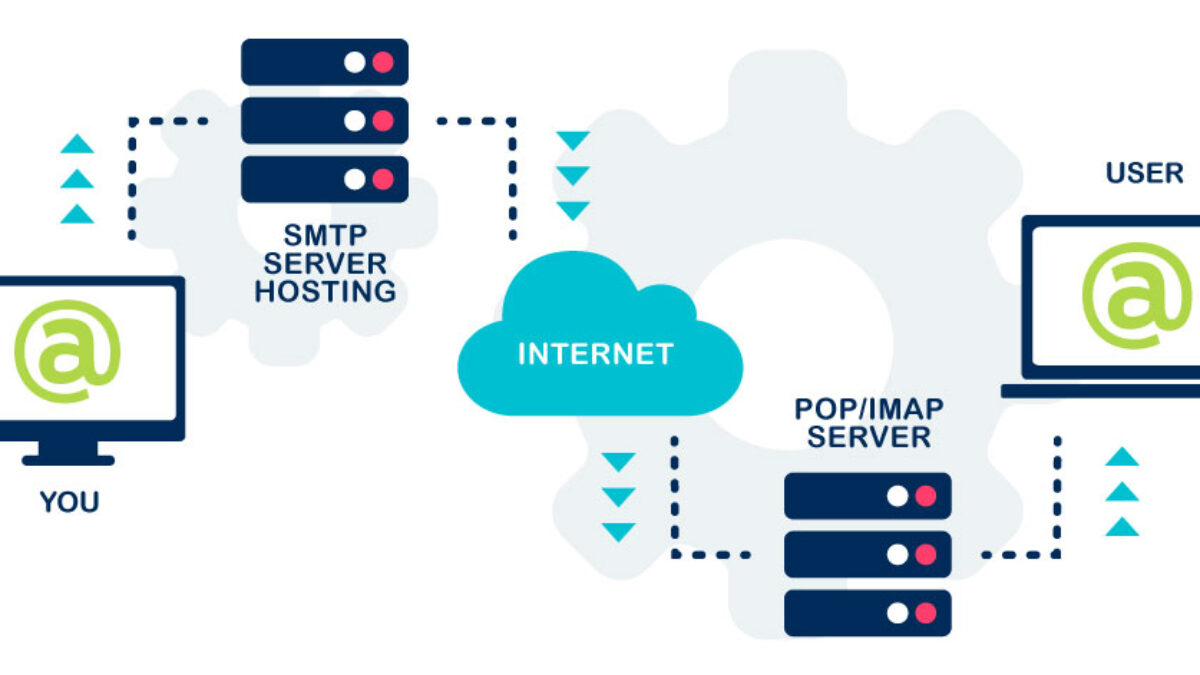
Having a solid SMTP email infrastructure is essential for the success of your email marketing campaigns. The first step in this process is selecting the right SMTP provider. With so many options available, it’s important to consider a few key factors before making your decision.
- Reliability : Choose a provider known for consistent uptime and rapid email delivery. A reliable provider can help ensure your emails reach your audience without delays.
- Scalability : As your subscriber list grows, your SMTP provider should be able to accommodate increased email volumes without a hitch.
- Support : Opt for a provider that offers strong customer support. Having access to prompt assistance can be a lifesaver when technical issues arise.
- Cost : Look for competitive pricing that meets your budget while offering the features you need.
Personal experience shows that investing the time to choose the right SMTP provider pays off in smoother, more effective campaigns.
Configuring Your SMTP Server Settings
Once you’ve chosen an SMTP provider, the next step involves configuring your SMTP server settings. This might seem daunting, but breaking it down can simplify the process. Here are the main settings you’ll need to configure:
- SMTP Server Address : The address provided by your SMTP provider.
- Port Number : Common ports include 25, 465 (for SSL), or 587 (for TLS). Choose the one recommended by your provider.
- Authentication Requirements : Most providers require a username and password; ensure you have these handy.
- Encryption Method : Select either SSL or TLS based on your provider’s recommendations to secure your email transmissions.
For example, after choosing an SMTP provider, a small business owner might follow the provider’s step-by-step guide to ensure everything is set up correctly. With configurations in place, they’ll be ready to send their email campaigns with confidence!
Crafting Effective Email Content
Writing Compelling Subject Lines
Once your SMTP email infrastructure is in place, the next key step is to craft effective email content that grabs attention. It all starts with your subject line—arguably the first impression you’ll make on your recipient. A compelling subject line can mean the difference between an email being opened or sent straight to the trash.
Here are some tips for writing irresistible subject lines:
- Keep It Short and Sweet : Aim for 6-10 words to ensure it displays well on all devices.
- Create a Sense of Urgency : Phrases like “Limited Time Offer” or “Don’t Miss Out!” encourage quick action.
- Make It Personal : Including the recipient’s name can boost open rates significantly.
- Use Actionable Language : Start with verbs to create a sense of excitement (e.g., “Discover the Secrets to…”).
For example, if you’re promoting a seasonal sale, instead of “Spring Sale Now On,” try “Spring Into Savings: 30% Off This Weekend!”
Optimizing Email Copy and Design
After crafting a compelling subject line, the next step is optimizing the email copy and design. This is where you can truly connect with your audience.
- Be Concise : Keep your messaging direct. Use short paragraphs and bullet points for easy reading.
- Include a Clear Call-to-Action (CTA) : Whether it’s “Shop Now” or “Download Your Free Guide,” a strong CTA guides the reader on what to do next.
- Use Eye-Catching Design : Incorporate visuals that complement your copy. A simple yet appealing layout can enhance engagement and increase click-through rates.
Personal anecdotes resonate well too. For instance, sharing a customer success story related to your product not only builds credibility but connects emotionally with readers. By fine-tuning your email copy and design, you’ll create campaigns that not only grab attention but also drive meaningful engagement and conversions.
Building a Successful Email Marketing Strategy
Creating a Content Calendar
With your email content in place, the next step is to develop a cohesive email marketing strategy. One effective way to do this is by creating a content calendar. A content calendar acts as a roadmap for your email campaigns, ensuring that you plan ahead and maintain consistent communication with your audience.
Here’s how to get started:
- Identify Key Dates : Mark holidays, product launches, promotions, or events that are relevant to your business and audience.
- Plan Your Themes : Assign themes for each campaign, such as seasonal promotions or educational content, to maintain variety while keeping your audience engaged.
- Schedule Frequency : Determine how often you want to send emails—weekly, bi-weekly, or monthly—to maintain consistency without overwhelming your subscribers.
For example, a skincare brand might plan to send educational content on skincare routines in January, a Valentine’s Day promotion in February, and a spring product launch in March. This organized approach helps in creating strategic, targeted campaigns that resonate with your audience.
Implementing A/B Testing for Campaign Optimization
Once your calendar is set, it’s time to optimize your campaigns through A/B testing. This method allows you to experiment with different elements of your emails and determine which versions perform better.
Consider these aspects for testing:
- Subject Lines : Test variations to see which entices more opens.
- Email Layout : Try different designs to find what your audience prefers.
- Call-to-Action (CTA) : Experiment with various phrases or button placements.
For instance, one campaign could feature a playful subject line, while another adopts a more straightforward approach. By analyzing the results, marketers can gather insights to refine their strategies continuously.
A/B testing not only enhances campaign performance but also fosters a culture of data-driven decision-making, leading to more effective email marketing efforts over time.

Growing Your Email List
Using Lead Magnets to Attract Subscribers
As your email marketing strategy takes shape, growing your email list becomes a priority. One of the most effective methods for attracting new subscribers is through lead magnets. A lead magnet is a valuable resource offered in exchange for an email address.
Here are some popular types of lead magnets you can consider:
- E-books or Guides : Offering a free, informative e-book related to your niche can entice potential subscribers.
- Checklists or Templates : Simple tools that ease a task or process, like a checklist for planning an event, can be very appealing.
- Exclusive Discounts or Coupons : Incentivizing sign-ups with special offers gives an immediate reward to new subscribers.
- Webinars or Workshops : Hosting an interactive event can draw in interested participants who are likely to subscribe.
For instance, a fitness coach might offer a “30-Day Meal Prep Guide” as a lead magnet, successfully attracting health-conscious individuals to their email list.
Leveraging Social Media and Website Sign-Ups
In addition to lead magnets, leveraging social media platforms and your website effectively can significantly boost your email sign-ups. Integrating sign-up forms into your existing channels creates a seamless experience for potential subscribers.
Here’s how to do it:
- Social Media Posts : Create engaging posts that highlight the value of subscribing to your email list. Use eye-catching visuals and compelling calls-to-action.
- Website Pop-Ups : Strategically timed pop-ups on your website can remind visitors to subscribe for offers or updates.
- Dedicated Landing Pages : Design landing pages focused solely on email sign-ups, detailing the benefits and lead magnets available.
A personal story to consider is when a local restaurants’ Instagram campaign highlighted a special dining experience exclusive to email subscribers, leading to a significant increase in their email list. By using these strategies, you can continuously grow your audience and foster deeper connections with potential customers.
Ensuring Email Deliverability
Implementing Proper Authentication Protocols
As your email list continues to grow, ensuring that your emails reach your subscribers’ inboxes becomes paramount. One of the first steps in achieving this is implementing proper authentication protocols. These protocols help verify that your emails are genuinely coming from you, thus increasing trust with email providers.
The three main protocols to consider are:
- SPF (Sender Policy Framework) : This specifies which mail servers are allowed to send emails on your behalf. If an email comes from a server not listed in your SPF record, it might be marked as spam.
- DKIM (DomainKeys Identified Mail) : This adds a digital signature to your emails, verifying that they haven’t been tampered with during transit.
- DMARC (Domain-based Message Authentication, Reporting & Conformance) : This works in conjunction with SPF and DKIM to provide instructions on how to handle emails that fail authentication checks.
For instance, a small e-commerce business that recently implemented these protocols saw a marked increase in their email open rates as their emails began consistently reaching inboxes rather than spam folders.
Monitoring and Managing Sender Reputation
The next essential step in ensuring email deliverability is actively monitoring and managing your sender reputation. Your sender reputation is a score assigned by email providers based on how your emails perform and how recipients interact with them.
Here are some strategies for maintaining a positive sender reputation:
- Regularly Clean Your Email List : Remove inactive subscribers who haven’t engaged with your emails in a while. High bounce rates negatively impact your reputation.
- Avoiding Spam Traps : Stay compliant with email marketing laws to prevent your emails from being flagged.
- Encourage Engagement : Foster a two-way communication by prompting subscribers to respond, click, or share your content, increasing interaction rates.
For example, a nonprofit organization found that by segmenting its list and sending tailored content, it significantly boosted engagement levels and improved its sender reputation. Monitoring and maintaining this reputation ensures that your emails consistently deliver value to your audience.

Analyzing Email Campaign Performance
Tracking Key Metrics and KPIs
Once you’ve sent out your email campaigns, the real work begins—analyzing their performance. Tracking key metrics and KPIs (Key Performance Indicators) is essential to understanding how well your campaigns resonate with your audience.
Here are some crucial metrics to monitor:
- Open Rate : This tells you the percentage of recipients who opened your email. A low open rate might indicate that your subject lines need reworking.
- Click-Through Rate (CTR) : This measures the percentage of clicks on links within your email. It showcases how engaging your content is.
- Conversion Rate : This indicates what percentage of recipients took the desired action, such as making a purchase or signing up for a webinar.
- Unsubscribe Rate : A high unsubscribe rate may signal that your content isn’t meeting subscriber expectations.
For instance, a travel agency discovered that their January newsletter had a much lower open rate than previous months. By analyzing their subject line and content relevance for that time of year, they identified the need for a seasonal promotional push instead.
Utilizing Data to Improve Campaigns
With your metrics in hand, the next step is to utilize this data to enhance your future campaigns. Data-driven decisions can significantly improve your email marketing performance.
- Identify Trends : Look for patterns in engagement. Are certain topics or formats resonating more with your audience?
- Refine Your Segmentation : Use data to create more tailored segments. For example, if specific groups consistently convert better, consider adjusting your content and offers for them.
- Experiment : Implement A/B testing based on past data findings. If a particular subject line generated higher open rates, try variations of that theme in your next campaign.
By actively analyzing and applying insights from your campaign data, marketers can make informed adjustments that lead to higher engagement, improved ROI, and ultimately more successful email marketing efforts. Personal experiences, such as refining strategies based on subscriber feedback, can also lead to more meaningful connections with your audience.
Personalizing Email Campaigns
Implementing Dynamic Content
As digital communication evolves, personalizing your email campaigns becomes vital to engage your audience effectively. One of the most powerful ways to achieve this is through dynamic content. Dynamic content allows you to tailor emails based on individual subscriber attributes or behaviors, ensuring that the messages resonate on a personal level.
Consider these tips for implementing dynamic content:
- Personalized Greetings : Use the subscriber’s name in the opening line to create a welcoming tone.
- Tailored Recommendations : If you run an e-commerce brand, dynamically suggest products based on past purchases or browsing history. For example, if a customer frequently buys outdoor gear, offer a special discount on related items.
- Location-Based Offers : If you have multiple store locations or services, customize the content based on the subscriber’s geographical area.
A local bookstore I know successfully implemented dynamic content by featuring events and book recommendations that matched each subscriber’s past preferences, leading to increased attendance and sales.
Using Segmentation for Personalization
In addition to dynamic content, leveraging segmentation can enhance your email marketing personalization efforts. By dividing your email list into smaller, targeted groups, you can craft more relevant content tailored to each segment’s interests and behaviors.
Think about:
- Demographics : Segment by age, gender, or location to send tailored promotions.
- Engagement Levels : Create separate campaigns for active versus inactive subscribers. For example, re-engage inactive users with special offers.
- Purchase History : Tailor emails based on previous purchases to encourage repeat sales.
An example of effective segmentation comes from a fitness apparel brand that divided its list into fitness enthusiasts and casual wear shoppers. By sending targeted promotions reflecting each segment’s interests, they not only maximized engagement but also significantly boosted their sales. Through thoughtful personalization and segmentation, marketers can create compelling campaigns that build lasting connections with their audience.
Automating Email Marketing Processes
Setting Up Automated Campaigns
As your email marketing strategy develops, automating your email marketing processes can save time while enhancing your campaigns’ effectiveness. Automated campaigns allow you to send timely messages based on specific triggers, ensuring that your audience receives relevant communications without manual effort.
Here are some common automated campaign types you might consider:
- Welcome Emails : Automatically greet new subscribers with a warm welcome message and an introduction to your brand.
- Birthday or Anniversary Emails : Send personalized offers or greetings on special occasions to build customer loyalty.
- Follow-Up Emails : Trigger follow-up communications after a purchase, such as a thank-you note or a request for feedback.
- Cart Abandonment Reminders : Remind customers who have added items to their carts but haven’t completed their purchase.
For instance, a small online clothing retailer found that by implementing an automated cart abandonment email, they recovered nearly 20% of lost sales simply by reminding customers about their items.
Integrating Email Marketing with CRM Systems
To maximize the benefits of automation, integrating your email marketing with a Customer Relationship Management (CRM) system is essential. This integration allows for seamless communication and data sharing between platforms, enhancing the effectiveness of your campaigns.
Consider these advantages of CRM integration:
- Centralized Data : Access to all customer interactions in one platform assists in crafting more targeted and personalized campaigns.
- Enhanced Segmentation : Leverage CRM data to segment your audience better and send customized content that resonates with specific groups.
- Automated Workflows : Create automated workflows that can trigger actions based on customer behavior, like sending emails when a contact’s status changes.
For example, after a local gym integrated its email marketing with its CRM, they could send personalized workout plans and class recommendations based on members’ past attendance and preferences. This not only improved member engagement but also boosted attendance rates. By automating processes and integrating with CRM systems, marketers can streamline their efforts, ultimately leading to more effective email campaigns and happier customers.