
Introduction to Joist Email Marketing
Understanding the Basics
Joist Email Marketing stands out as an essential tool for businesses looking to establish a strong connection with their audience. At its core, email marketing involves sending targeted messages to potential and existing customers with the goal of promoting products, driving traffic, or building relationships.
Imagine launching your dream product. You have a compelling offering and a beautifully designed website, but without an audience, it can be challenging to gain traction. Here’s where Joist Email Marketing comes in. By leveraging email, businesses can communicate directly with their subscribers, ensuring their messages are not lost in the noise of social media.
Here are some basic components of Joist Email Marketing:
- Email List : This is your database of subscribers who have opted in to receive communications. Building this list is crucial.
- Email Content : The messages themselves, including promotions, updates, and informative newsletters.
- Analytics : Tracking metrics like open rates, click-through rates, and conversions to gauge success and improve future campaigns.
Importance for Brand Growth
The importance of Joist Email Marketing for brand growth cannot be overstated. A well-executed email marketing strategy can yield remarkable results that enhance visibility and customer engagement.
- Direct Access : Emails land directly in the inbox of your audience, an advantage over social media posts that can easily go unnoticed.
- Cost-Effective : Compared to traditional marketing channels, email marketing presents a lower cost per acquisition. Many platforms offer helpful features at reasonable prices.
- Enhanced Customer Relationships : Regular communication with subscribers fosters loyalty. Think of it as sending a friendly update; customers appreciate being kept in the loop.
For instance, a small business that offers handmade crafts might begin a monthly newsletter sharing product launches, behind-the-scenes content, and customer stories. This personalized approach not only keeps subscribers engaged but encourages them to make purchases, significantly boosting the brand’s growth.
In summary, understanding the basics of Joist Email Marketing and recognizing its significance is the first step towards harnessing its full potential. Businesses that master these components can build robust relationships with their audiences, ultimately leading to enhanced success and profitability.
Building an Effective Email List
Strategies for List Building
Continuing from the critical need for Joist Email Marketing, the next vital step is building an effective email list. A robust list not only enhances your outreach but also significantly impacts your overall marketing results. Here are some effective strategies that can help you grow your subscriber base:
- Offer Incentives : People love freebies! Providing enticing offers like discounts, e-books, or exclusive content can encourage visitors to sign up. For instance, a restaurant might offer a free appetizer for new subscribers.
- Leverage Social Media : Use your existing social media platforms to drive sign-ups. Encourage followers to subscribe by showcasing exclusive email content, such as special promotions or behind-the-scenes sneak peeks.
- Create Quality Content : High-quality, engaging content can attract more subscribers. Whether it’s in the form of blogs, videos, or infographics, the better the content, the more likely visitors will want to join your email list for updates.
- Utilize Pop-Ups and Landing Pages : While some find pop-ups annoying, if they’re timed well and provide great value, they effectively capture email addresses. Additionally, landing pages specifically designed for sign-up can guide users towards making that decision.
By employing these strategies, businesses can effectively grow their email lists and set the stage for successful campaigns.
Segmenting Your Audience
Once you’ve built a healthy email list, the next step is to segment your audience. This means dividing your subscribers into smaller groups based on specific criteria. This practice allows for targeted messaging that resonates more deeply with each segment.
Here’s how segmenting can transform your email marketing:
- Behavioral Segmentation : Categorize subscribers based on their interactions with your brand. For example, those who frequently open emails can receive special offers, while those who haven’t engaged in a while might be sent re-engagement campaigns.
- Demographic Segmentation : Group your list based on characteristics such as age, location, or gender. A clothing retailer could tailor messages based on these demographics, offering men’s promotions to male subscribers and women’s promotions to female subscribers.
- Purchase History : Understanding what your customers have previously purchased can significantly aid in crafting personalized offers. If someone has bought gardening tools, they would appreciate tips on maintaining a garden more than generic content.
By segmenting your audience, businesses can send personalized communication that leads to higher engagement rates and, ultimately, conversions. Connecting with subscribers based on their interests places the right message in front of the right people, ensuring maximum impact.
Crafting Compelling Email Campaigns
Designing Engaging Content
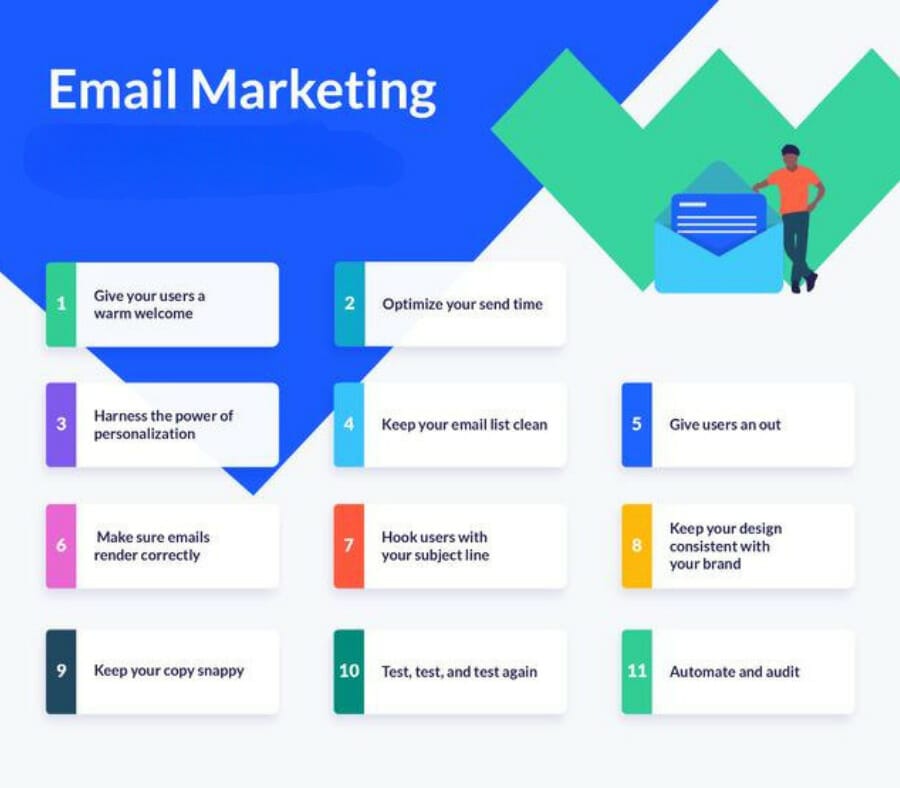
Having built a solid email list and segmented your audience, the next critical step involves crafting compelling email campaigns. At the heart of these campaigns is the content. Designing engaging content is essential to capture your audience’s attention and keep them hooked.
Consider the following strategies to enhance your email content:
- Eye-Catching Subject Lines : First impressions matter! A well-crafted subject line can significantly increase open rates. Experiment with questions, exclusivity (“Only for Subscribers”), or emotive language to spark curiosity.
- Visually Appealing Layout : An email should be visually engaging. Use images, bullet points, and headings to break up text. A cluttered email can overwhelm readers and drive them away—opt for a clean design that’s easy to navigate.
- Strong Call-to-Action (CTA) : What do you want the subscribers to do? Be clear and direct in your CTA. Instead of generic phrases like “click here,” use specific cues like “Get Your Discount” or “Join the Community.” The more enticing, the better!
For example, a fashion retailer might utilize vibrant visuals showcasing their latest collection, paired with a compelling story about the brand’s inspiration. This mixture not only informs but engages readers, making them more likely to click through to the online store.
Personalizing Email Messages
While engaging content is crucial, personalization takes email campaigns to another level. Personalization enhances the recipient’s experience, leading to higher open rates and conversions.
Here’s how to personalize your emails effectively:
- Use Recipient’s Name : Including the recipient’s name in the subject line or greeting makes the message feel more personal. “Hi, Sarah!” sounds much warmer than just “Hi there!”
- Target Interests and Preferences : If you have segmented your audience, you can tailor emails based on specific interests. For instance, if a subscriber indicated an interest in eco-friendly products, send content related to sustainable practices or new eco-friendly products.
- Include Purchase History : Referencing previous purchases in your email can create relevance. For example, a bookstore might send a follow-up message suggesting new releases based on a customer’s past purchases.
- Timing is Everything : Personalize your messages based on the time of day or specific occasions. Sending a birthday discount offer can make subscribers feel special and appreciated.
By focusing on designing engaging content and personalizing messages, businesses can significantly enhance their email campaigns. These strategies foster deeper connections with subscribers, ultimately leading to increased engagement, loyalty, and conversions.
Optimizing Email Deliverability
Best Practices for Inbox Placement
With compelling email campaigns crafted and personalized, the next challenge is ensuring those emails reach their intended recipients. Optimizing email deliverability is crucial for effective communication and maximizing engagement. Here are some best practices to help secure your spot in the inbox:
- Use a Reputable Email Service Provider (ESP) : A quality ESP is fundamental. They typically employ strong authentication protocols and have established relationships with major email providers, increasing the chances of your emails landing in the inbox rather than getting lost.
- Authenticate Your Emails : Implementing authentication protocols like SPF, DKIM, and DMARC can significantly improve deliverability. These protocols verify that your emails are indeed coming from you and not being spoofed by others.
- Maintain a Clean Email List : Regularly audit your email list by removing inactive subscribers or bounced emails. This not only improves your metrics but also signals to ISPs that you are genuinely sending emails to interested parties.
- Consistent Sending Schedule : Keep a consistent sending frequency. Going silent for long periods, then flooding inboxes can raise flags. Regular engagement helps build trust with your audience and ISPs.
Picture this: A travel agency that sends out bi-weekly newsletters about upcoming tours and exclusive deals is more likely to maintain an active presence in the inbox rather than sporadically sending out emails only when they have a sale.
Avoiding Spam Filters
To further enhance inbox placement, it’s vital to sidestep the dreaded spam filters. Here are strategies to help ensure your emails bypass those barriers:
- Avoid Spam Trigger Words : Certain phrases can trigger spam filters, such as “Buy now!” or “Free!” Be mindful of your language and opt for more neutral terms that still convey your message effectively.
- Optimize Image-to-Text Ratio : Relying solely on images without sufficient text can raise spam flags. Aim for a good balance, ensuring there is enough text to provide context alongside your visuals.
- Clear Opt-In Processes : Always ensure that your subscribers explicitly opt in to receive your emails. Using double opt-in mechanisms provides a stronger foundation and reduces the chances of spam complaints.
- Monitor Engagement Metrics : Regularly analyze open rates, click-through rates, and unsubscribe rates. Low engagement can signal to ISPs that your emails are unwanted, prompting filters to kick in.
By implementing these best practices for inbox placement and avoiding spam filters, businesses can enhance their email deliverability. This not only ensures messages reach subscribers but also cultivates a sense of trust and reliability, setting the stage for successful email campaigns.
Analyzing Email Performance
Tracking Metrics and KPIs
Once you’ve optimized your email deliverability and launched your campaigns, it’s critical to analyze your email performance. Tracking the right metrics and key performance indicators (KPIs) can provide valuable insights into what’s working and what needs refinement.
Here are essential metrics to monitor:
- Open Rate : This percentage indicates how many of your recipients opened your email. A low open rate could suggest that your subject lines aren’t engaging enough or that your emails are landing in spam folders.
- Click-Through Rate (CTR) : This measures the percentage of recipients who clicked on links within your email. High CTRs indicate effective content and messaging resonating with your audience.
- Conversion Rate : Ultimately, this metric shows how many recipients completed a desired action, such as making a purchase or signing up for a webinar. Tracking conversions helps you understand the email’s effectiveness in driving business objectives.
- Unsubscribe Rate : While it’s natural for some subscribers to opt out, a sudden spike in this metric can reveal issues with content relevance or email frequency.
For instance, a local gym could track their email performance metrics after promoting a new fitness class. If they find a high open rate but a low conversion rate, it indicates that while people are interested enough to open the email, the content may need adjustments to encourage sign-ups.
Improving Campaign Results
Analyzing performance metrics provides a foundation for continuous improvement in your email campaigns. Here are strategies to enhance your results based on your findings:
- A/B Testing : Experiment with different subject lines, content layouts, or CTAs. A/B testing allows you to see which elements resonate best with your audience, enabling data-driven decisions.
- Refine Targeting : Use Segmentation insights to tailor your messages. If certain demographics consistently engage better, explore personalized content that speaks directly to those groups.
- Continuous Feedback Loop : Encourage feedback from your subscribers. Simple surveys can help gauge interest and satisfaction levels, providing direct insights into their preferences and motivations.
- Adjust Email Cadence : If unsubscribes are high, consider your sending frequency. Some subscribers might appreciate more frequent updates, while others may prefer less frequent communication.
By diligently tracking metrics and KPIs and actively seeking to improve campaign results, businesses can fine-tune their email marketing strategies. This ongoing assessment ensures that email campaigns remain effective, relevant, and engaging, ultimately leading to sustained growth and deeper connections with the audience.
Integrating Joist Email Marketing with Other Strategies
Cross-Channel Marketing Benefits
Now that you have effectively analyzed email performance and optimized your campaigns, the next pivotal step is integrating Joist Email Marketing with other marketing strategies. A cross-channel marketing approach amplifies your reach and impact, creating a cohesive brand experience for your audience.
Consider the following benefits of cross-channel marketing:
- Enhanced Brand Consistency : By aligning your email campaigns with social media, content marketing, and other channels, you ensure that your brand message remains consistent across platforms. This familiarity builds trust and recognition among subscribers.
- Broadened Audience Reach : Different users prefer different platforms. By promoting your email content through social media or blogs, you can attract new subscribers from diverse channels. For example, sharing snippets from your email newsletter on Instagram can entice followers to sign up.
- Improved Customer Experience : A seamless experience across channels enhances customer satisfaction. If a subscriber sees an email promotion for a product, they expect to find the same offer on your website or social media. When their expectations align, it fosters positive interactions and encourages loyalty.
Imagine a boutique clothing store that sends email promotions while simultaneously posting on Instagram. When followers see consistent messaging across both platforms, they’re more likely to engage—whether that’s signing up for the email list or visiting the website to shop.
Automating Workflows for Efficiency
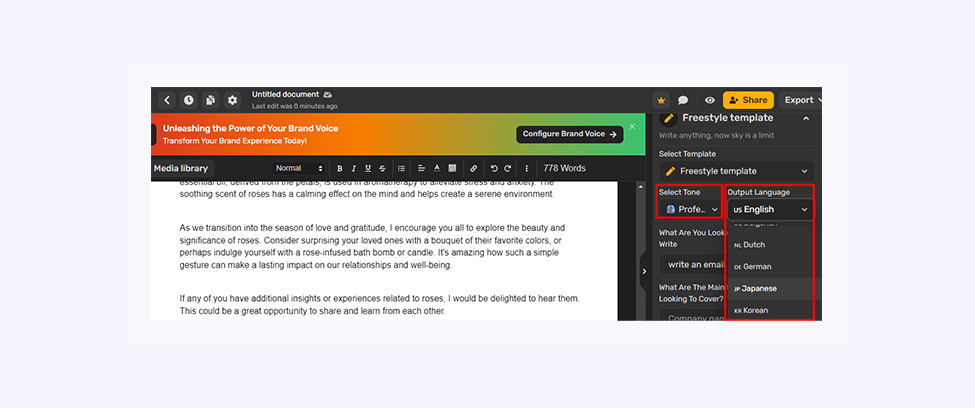
Integrating Joist Email Marketing with other strategies is also made more manageable through automation. Automating workflows allows businesses to send timely and relevant messages without overwhelming manual efforts.
Here are ways that automation can enhance your email marketing efficiency:
- Drip Campaigns : Set up automated drip campaigns that nurture leads over time with personalized content. For instance, a fitness coach could create a series of welcome emails for new subscribers, gradually providing tips and resources that lead them to sign up for coaching services.
- Triggered Emails : Use behavioral triggers to send targeted emails based on user actions. If someone abandons their shopping cart, an automated email reminder can nudge them towards completing their purchase.
- Segmentation Automation : Automate your segmentation processes. This ensures that as subscribers engage with your content, they are automatically categorized, allowing for tailored messaging without additional manual effort.
By combining cross-channel marketing strategies with automation, businesses can streamline their efforts and create a more engaging experience for their audience. This integrated approach empowers marketers to focus on creative strategies while ensuring timely, relevant communication that boosts engagement and conversions. With a unified marketing strategy, brands can maximize their reach, effectiveness, and overall customer satisfaction.