

Understanding the Importance of Email Marketing in the Restaurant Industry
Increased Customer Engagement
Email marketing plays a vital role in fostering customer engagement within the restaurant industry. It’s not just about sending promotions but creating genuine connections with patrons. For instance, many restaurants send tailored newsletters featuring recipes, cooking tips, or stories behind their signature dishes.
Imagine receiving an email from your favorite local café, sharing a delightful recipe for their famous blueberry muffin. This not only adds value but encourages customers to interact with the brand on a personal level. More engagement leads to stronger brand loyalty, which is essential in a competitive market.
Here are a few strategies to enhance customer engagement through email marketing:
- Share Customized Content : Regularly update customers with news about menu changes, special events, or upcoming promotions.
- Create Interactive Emails : Consider incorporating elements like polls or surveys to gather feedback on new dishes. Customers appreciate being involved in the decision-making process.
- Highlight Customer Stories : Feature customer experiences, testimonials, or even user-generated content to build a sense of community around the restaurant.
Driving Repeat Business
The goal of effective email marketing is to drive repeat business, and when it’s executed thoughtfully, it can yield substantial results. Sending targeted offers and loyalty rewards through email encourages customers to return and dine again.
For instance, a restaurant could implement a “Birthday Club,” sending personalized coupons for free desserts or discounts during the customer’s birthday month. This not only boosts visits but also fosters emotional ties, prompting customers to celebrate special occasions at the venue.
To drive repeat business, consider these approaches:
- Loyalty Programs : Regularly communicate rewards that customers can earn through their visits—like a free appetizer after their fifth visit.
- Regular Promotions : Send emails with weekly specials or “happy hour” alerts that entice customers to come back.
- Personalized Follow-Ups : After a customer dines, send a thank-you email along with a feedback survey or a discount for their next visit.
By harnessing the power of email marketing, restaurants can create lasting relationships with their customers, enhancing loyalty and driving repeat business.

Building an Effective Email Marketing Strategy for Restaurants
Collecting Customer Emails
Transitioning from understanding the importance of email marketing, the first step in building an effective strategy is collecting customer emails. This is foundational; without a solid list, even the best campaigns can fall flat. Restaurants can tap into various channels to gather emails efficiently.
For example, during my last visit to a local bistro, I noticed they had a sign-up sheet at the register offering a free drink for joining their mailing list. This simple yet effective strategy not only captured my attention but also incentivized me to share my email address.
Here are some effective methods to collect customer emails:
- In-store Sign-Ups : Encourage guests to sign up while they wait or pay their bill. A small incentive, like a discount on their next meal, can increase participation drastically.
- Website Forms : Ensure your website has accessible forms for email sign-ups. Offering exclusive deals for online subscribers can build your list quickly.
- Social Media Promotions : Use your social platforms to promote an email list sign-up. A giveaway for followers who share their email can generate buzz and grow your email base.
Designing Engaging Email Campaigns
Once you’ve gathered a list, the next step is designing engaging email campaigns that resonate with your audience. It’s crucial to craft content that stands out in crowded inboxes.
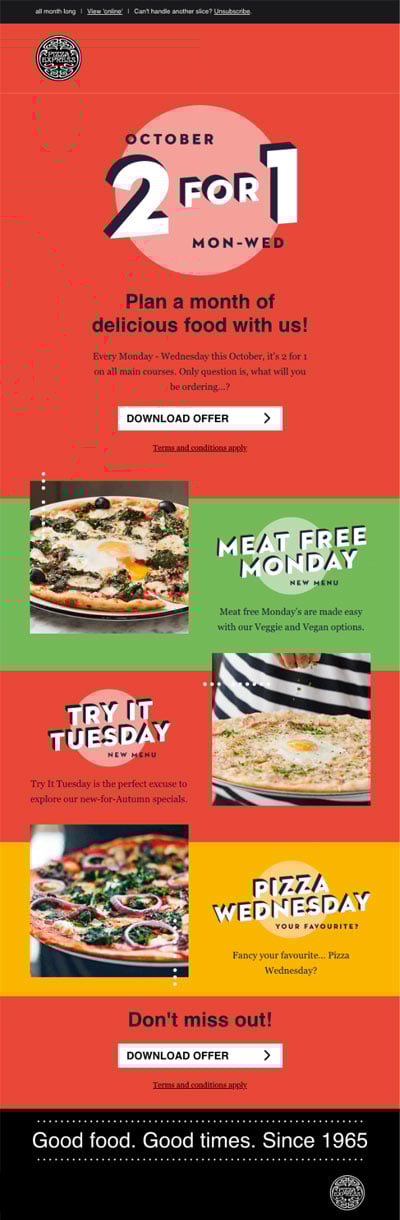
Consider using visually appealing templates that align with your restaurant’s brand. For instance, include high-quality images of your dishes, as they can be incredibly enticing. An engaging email should be a delightful experience, not just information.
Here are some tips to create compelling email campaigns:
- Catchy Subject Lines : Invest time in creating compelling subject lines that entice customers to open the email. A subject like “Sizzling Summer Specials Await You!” can entice customers to click.
- Clear Call-to-Action : Every email should have a clear purpose. Whether it’s making a reservation or claiming a discount, guide your patrons toward the next steps with engaging buttons.
- Content Variety : Mix up your email content—use newsletters, special announcements, and promotional offers to keep your audience engaged and curious.
By effectively collecting customer emails and designing engaging campaigns, restaurants can create a robust email marketing strategy that keeps customers returning for more.
Personalizing Email Content for Restaurant Customers
Segmenting Your Email List
Building on the foundation of effective email marketing strategies, personalizing email content is crucial to fostering deeper connections with customers. One of the most effective methods to achieve this is through segmenting your email list. By dividing your customers into distinct groups based on their preferences, behavior, or demographics, restaurants can tailor their messages for maximum impact.
For instance, during a recent dining experience, I received an email from a restaurant that catered specifically to families. This email included promotions on children’s meals and family-oriented events, making me feel that the restaurant truly understood my needs as a parent.
Here are some common segmentation strategies:
- Demographics : Age, gender, and location can all influence dining preferences. For example, younger customers might appreciate late-night promotions, while seniors may prefer early bird specials.
- Past Purchases : Track what customers have ordered in the past to recommend similar dishes or exclusive offers on their favorite meals.
- Engagement Levels : Segment your list based on how frequently people engage with your emails. Target disengaged customers with special incentives to re-engage them.
Customizing Offers and Promotions
Once your email list is segmented, the next step is to customize offers and promotions that resonate with each group. Personalized offers can significantly increase open rates and conversions, as they reflect an understanding of what the customer values.
For example, a restaurant might send a special discount on premium wine to customers who frequently order wine pairings, or a “thank you” gift card to loyal customers making their 10th visit.
Here are some effective ideas for customizing offers:
- Birthday Specials : Send personalized offers for free desserts or discounts in the birthday month, making customers feel appreciated.
- Holiday Promotions : Tailor messages to specific holidays based on customer segments—offering family meal deals for Thanksgiving or romantic dinner packages for Valentine’s Day.
- Exclusive Invitations : Create exclusive events for loyal customers, inviting them to tasting events or behind-the-scenes kitchen tours.
By carefully segmenting your email list and customizing offers, restaurants can create a personalized experience that resonates with customers, encouraging them to return and engage repeatedly.
Utilizing Data Analytics for Email Marketing Success
Tracking Email Performance Metrics
Following effective personalization techniques, leveraging data analytics is essential for optimizing email marketing efforts in the restaurant industry. One of the first steps is tracking email performance metrics. This data allows restaurants to understand what works and what doesn’t, refining their approach for future campaigns.
When I subscribed to a local pizzeria’s email list, they consistently included key metrics in their newsletters, showing how many customers opened their emails and which promotions were most popular. This transparency helped them make informed decisions about future campaigns.
Key metrics to track include:
- Open Rate : The percentage of subscribers who open your emails. A higher open rate indicates that your subject lines are engaging.
- Click-Through Rate (CTR) : This shows how many readers clicked on links within your email, indicating the effectiveness of your message and call-to-action.
- Conversion Rate : The ultimate goal of your emails is to convert readers into customers. Measuring how many clicked through to make a reservation or redeem an offer gives insight into email success.
Analyzing Customer Behavior Insights
In addition to tracking performance metrics, analyzing customer behavior insights can provide a deeper understanding of preferences and trends. This involves looking beyond basic statistics to uncover patterns that can shape future campaigns.
For example, by observing data trends, a restaurant might find that emails sent on Thursdays generate higher engagement because patrons are planning weekend outings. This kind of insight is invaluable.
Consider these strategies for effective analysis:
- Customer Segmentation Analysis : Examine which segments respond best to specific campaigns. Are families more likely to engage with children’s meal promotions than young couples?
- A/B Testing : Experiment with different subject lines, layouts, or send times. By testing variations, restaurants can determine the most effective approach that resonates with their audience.
Utilizing data analytics not only enhances email marketing strategies but also creates a feedback loop of continuous improvement. By tracking performance metrics and analyzing customer behavior, restaurants can refine their campaigns, ensuring they engage effectively and drive sales.
Compliance and Best Practices for Restaurant Email Marketing
Understanding CAN-SPAM Laws
In the world of email marketing, compliance is crucial, especially when it comes to regulations like the CAN-SPAM Act. Ensuring adherence to these laws not only protects your restaurant from legal troubles but also builds trust with your customers.
For instance, I once received a promotional email from a restaurant that had no clear information on how to unsubscribe. It left me frustrated, and I immediately deleted their email—losing a potential loyal customer simply due to non-compliance.
Here are some essential elements of CAN-SPAM laws that every restaurant should incorporate into their email marketing practices:
- Clear Identification : Always identify your emails as advertisements. Include your restaurant’s name clearly within the email.
- Accurate Contact Information : Your emails should contain a valid physical address for your restaurant, allowing customers to recognize where the communication originates.
- Unsubscribe Options : Provide an easy-to-find unsubscribe link. This shows respect for your customers’ choices and complies with regulations.
- Timely Process Unsubscribes : Ensure that when someone opts out, they are removed from your list promptly, typically within ten business days.
Implementing Opt-In Strategies
Beyond compliance, implementing effective opt-in strategies builds a solid foundation for your email marketing. Opt-in methods ensure that your email list consists of genuinely interested customers, which enhances engagement and reduces spam complaints.
When I visited a popular café, they had a tablet at the counter where customers could sign up for their email list, incentivized by a free pastry on their next visit. This allowed customers to voluntarily choose to receive updates and promotions while creating a positive experience.
Here are some effective opt-in strategies to consider:
- Incentives for Sign-Up : Offer discounts or freebies to encourage customers to join your email list. An appealing reason can significantly increase sign-up rates.
- Multiple Sign-Up Opportunities : Provide sign-up options not just in-store, but also on your website and via social media platforms.
- Transparency on Content : Be clear about what customers can expect. Will they receive weekly specials or exclusive events? Knowing this can encourage them to opt in.
By understanding CAN-SPAM laws and effectively implementing opt-in strategies, restaurants can create a compliant, engaged email list that enhances their marketing efforts, cultivates customer relationships, and drives repeat visits.
Integrating Email Marketing with Social Media for Restaurants
Cross-Promoting Campaigns
Continuing with best practices in email marketing, integrating social media can significantly amplify your restaurant’s reach and engagement. One of the best strategies is cross-promoting campaigns. By leveraging both platforms, restaurants can create a holistic marketing approach that drives more customers through the door.
For example, I once received an email from my favorite taco joint announcing a special taco night. The email included a link to their Instagram page, showcasing drool-worthy images from previous events. This connection between the email and their social posts ignited my excitement to attend.
Here are some effective ways to cross-promote campaigns:
- Social Media Teasers : Use your email to share upcoming social media contests or exclusive deals available only on your social channels.
- Email Highlights on Social : Post snippets from your best email content on social media, encouraging followers to sign up for the entire newsletter experience.
- Shared Hashtags : Create a unique hashtag for specific promotions so users can follow and engage with the campaign across both platforms.
Encouraging User-Generated Content
Another fantastic way to integrate email marketing with social media is by encouraging user-generated content. This not only bolsters your restaurant’s online presence but builds community and trust among customers.
For instance, one of the restaurants I frequent encourages its diners to share photos of their meals on Instagram—I often find their posts featuring customer photos in their email newsletters. By highlighting real customer experiences, it fosters a sense of community and encourages others to participate.
Here are some strategies to encourage user-generated content:
- Social Media Promotions : Announce competitions where customers can tag your restaurant in their posts to enter to win a prize, like a free meal.
- Email Features : Consider highlighting customer photos in your newsletters, giving shout-outs to diners who share their experiences on social media.
- Create Engagement Opportunities : Invite customers to share their favorite recipes or dining experiences, creating a sense of belonging and loyalty.
Integrating email marketing with social media through effective cross-promotion and user-generated content not only enhances visibility but fosters community engagement. These efforts encourage existing customers to remain loyal while also attracting new patrons to your restaurant.
Optimizing Email Subject Lines and Timing for Restaurant Campaigns
Crafting Compelling Subject Lines
As we delve further into effective email marketing, one of the most crucial aspects to consider is optimizing your subject lines. A compelling subject line can make or break your email campaign, influencing open rates significantly.
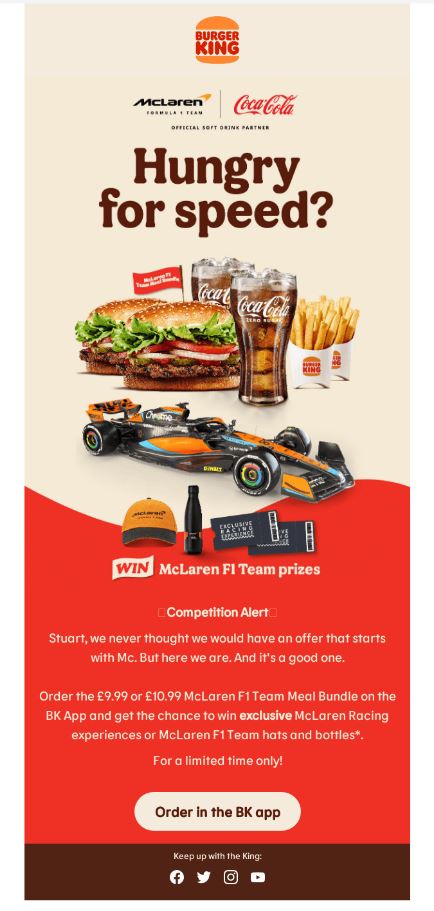
I remember receiving an email from a local burger joint with the subject line, “🔥 Double Your Burgers on Fridays! 🔥” It immediately grabbed my attention, and I couldn’t resist opening it. Such creative subject lines create a sense of urgency and excitement that resonates with customers.
Here are some tips to craft engaging subject lines:
- Keep It Short and Sweet : Aim for 40-50 characters to ensure your subject line displays fully on mobile devices.
- Use Actionable Language : Encourage readers to take action with words like “Discover,” “Reserve,” or “Indulge.”
- Create Urgency : Phrases like “Limited Time Only” or “Last Chance” can prompt quick responses from customers.
- Personalization : Incorporate the recipient’s name or preferences to create a personal touch, as it makes them feel valued.
Scheduling Emails for Maximum Impact
Alongside crafting great subject lines, timing your emails for maximum impact is essential. The right timing can significantly enhance engagement rates.
For example, my favorite restaurant typically sends their promotional emails on Thursday afternoons, just when I’m starting to think about weekend plans. This strategic timing boosts attendance and reservations significantly.
Consider the following strategies for effective email scheduling:
- Know Your Audience : Analyze when your audience is most active. For example, sending emails before lunch or dinner hours can trigger dining thoughts.
- Test Different Days/Times : A/B testing can provide insights into the best days and times to send emails for your specific audience.
- Consider Seasonal Trends : Aligning emails with holidays or local events can increase relevance—for instance, email campaigns around Thanksgiving featuring holiday menu offerings.
By crafting compelling subject lines and scheduling emails effectively, restaurants can significantly enhance their email marketing efforts. These strategies not only improve open rates but also drive customer engagement and ultimately lead to increased foot traffic and sales.