
I The Importance of Targeted Keywords for Your Blog
Understanding the Role of Keywords in SEO
Keywords serve as the bridge between what users are searching for and the content they find. In the realm of blogging and search engine optimization (SEO), targeted keywords play a crucial role in ensuring your content can be easily discovered. Think of keywords as the signposts that direct traffic to your blog; without them, you risk getting lost in the vast ocean of online content.
When a user enters a query into a search engine, they are looking for specific information. By incorporating targeted keywords into your blog, you significantly enhance the chances of ranking higher in search results. This means more visibility and, ultimately, more traffic. Here’s why they matter:
- Search Intent: Understanding the intent behind keywords—whether informational, navigational, or transactional—allows bloggers to tailor their content to meet user expectations.
- Content Relevance: Using keywords aligns your content with what your audience is looking for, increasing the likelihood of engagement and shares.
- SEO Optimization: Search engines look for certain keywords to determine the relevance of a page. This can boost or hinder your organic search performance.
Consider a personal experience: when starting a travel blog, the initial keywords chosen did not resonate with searchers. The blog languished in obscurity until a thorough keyword analysis revealed phrases like “affordable travel tips” and “hidden gems in Europe”—transformational keywords that catered directly to the target audience’s queries. This strategic adjustment led to a surge in traffic and engagement.
Identifying Relevant Keywords for Your Niche
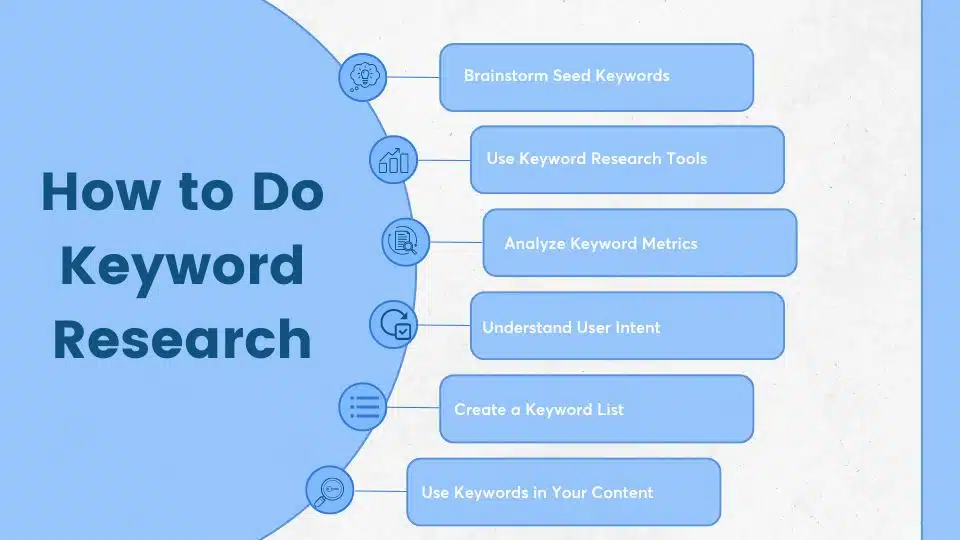
Finding the right keywords for your blog begins with identifying what matters most to your niche. Here’s how to go about it:
- Brainstorm Topics: Start by jotting down the main topics that resonate with your blog’s focus. For instance, if your blog tackles fitness, you might think about subtopics like “home workouts,” “nutritional advice,” or “fitness for beginners.”
- Use Keyword Tools: Tools like Google Keyword Planner, Ahrefs, or SEMrush can help you discover keywords related to your topics. These tools provide insights into search volume, competition, and trends.
- Analyze Your Audience: Consider putting yourself in your readers’ shoes. What questions might they have? This empathetic approach can lead you toward longer, more specific keywords that align with their needs.
- Check Competitors: Investigating what keywords competitors in your niche are ranking for can provide valuable insights. This doesn’t mean copying their tactics but instead may inspire new ideas that appeal to a similar audience.
- Long-Tail Keywords: Focus on long-tail keywords—phrases containing three or more words. They often have less competition and can attract a more targeted audience. For example, instead of just “exercise,” consider “best exercises for weight loss at home.”
By combining these strategies, bloggers can foster a deeper connection with their audience while simultaneously improving their search engine presence. The journey of keyword identification is continuous, and adapting to trends is essential for sustained growth. Exploring different avenues not only elevates your blog’s visibility but also enhances the value you provide to your readers.

II How to Conduct Keyword Research for Your Blog
Utilizing Keyword Research Tools
Having established the importance of targeted keywords, the next step is conducting effective keyword research. The digital age offers a plethora of keyword research tools that can streamline this process and provide invaluable insights. These tools help you discover the best keywords to include in your content strategically.
To get started, here are some popular keyword research tools you might consider:
- Google Keyword Planner: A free tool that suggests keywords based on search volume and competition levels. Ideal for bloggers looking for an entry point into keyword research.
- Ahrefs: Known for its robust features, Ahrefs can help identify keywords that competitors are ranking for, alongside search volume and difficulty scores. This tool requires a subscription but is worth the investment for serious bloggers.
- Ubersuggest: This freemium tool presents keyword ideas and content suggestions alongside competition metrics. It’s user-friendly and great for beginners.
- SEMrush: A comprehensive tool designed for advanced users. It offers in-depth keyword analytics, allowing you to explore keyword trends over time effectively.
Personal anecdotes can drive home the value of these tools. For example, after realizing the traffic on a food blog had plateaued, the author decided to experiment with Ubersuggest to uncover popular search terms. Within minutes, they discovered that “quick healthy recipes” had a higher search volume and lower competition. This led to a blog post that not only engaged existing readers but also attracted new ones.
Analyzing Competitor Keywords
While researching keywords is essential, understanding what your competitors are doing can jumpstart your own blogging strategy effectively. Competitor analysis allows you to identify keywords that are performing well in your niche, giving you insight into what works and what doesn’t.
Here are some key steps to analyze competitor keywords:
- Identify Your Competitors: Make a list of blogs that share your niche. These could be direct competitors or other sites providing similar content.
- Use Competitive Research Tools: Tools such as Ahrefs or SEMrush not only find what keywords competitors are ranking for but also provide traffic estimates. Look for high-traffic, low-competition keywords that you can target.
- Analyze Content Success: Look at the blogs’ most successful posts. What keywords are they targeting? Are they using engaging formats such as listicles or how-to guides that include those keywords?
- Review Backlinks: Exploring where competitors are getting backlinks can also reveal competitor keyword strategies. If a particular blog post has many backlinks, it might be due to its effective use of certain keywords.
- Unique Keyword Gaps: Look for opportunities where your competitors may be missing a keyword that aligns with your content strategy. This could lead to new blog topics that fill a gap in the market.
A real-world example of this approach can be found when analyzing a travel blog that focuses on budget-friendly destinations. By discovering that competitors were successfully ranking for “budget travel in Southeast Asia,” it became clear that creating content on this topic could attract a significant audience seeking affordable travel tips.
By utilizing keyword research tools and conducting thorough competitor analysis, bloggers can sharpen their keyword strategies, leading to improved visibility and audience engagement. The process is iterative; as bloggers continuously analyze and refine their keywords, they will consistently resonate with their audience’s needs and preferences.

III Implementing Keywords Effectively in Your Blog Content
Incorporating Keywords Naturally in Headings and Subheadings
Once you have a robust list of targeted keywords, the next vital step is implementing them effectively in your blog content. One of the best practices is to incorporate keywords into your headings and subheadings naturally. This not only helps with SEO but also enhances the readability and structure of your blog post.
When writing headings and subheadings, consider the following tips:
- Use Primary Keywords in H1: Your main title should include your primary keyword. This is usually your H1 tag, and it should represent the essence of the content. For example, if your post is about healthy smoothies, a title like “Delicious and Healthy Smoothie Recipes” works well.
- Incorporate Related Keywords in Subheadings: Use variations or related keywords in your H2 and H3 tags. This connects your content better thematically while also improving its relevance to search engines. For instance, subheadings like “5 Refreshing Green Smoothies” or “Nutritional Benefits of Smoothies” can help you diversify keyword use.
- Ensure Natural Flow: Keywords should feel like a part of the conversation rather than forced into the text. For example, instead of saying, “Best Smoothie Recipes for Health,” try something more natural: “Discover the Best Smoothie Recipes for Your Health Goals.”
A personal anecdote is worth sharing here. Initially, when starting a wellness blog, the author stuffed headings with keywords, detracting from the intended message. Once they switched to a more organic approach, they noticed improved reader engagement and longer time spent on the page, proving that both search engines and humans appreciate a natural flow.
Optimizing Meta Tags and Descriptions for Keywords
In addition to headings, another critical area for keyword implementation consists of optimizing meta tags and descriptions. These elements are vital for influencing click-through rates and search visibility.
Here’s how to effectively optimize these components:
- Title Tags: Each blog page should have a unique title tag that includes your primary keyword. Keep it under 60 characters to ensure it displays correctly on search results. An example for a blog post could be “10 Easy Smoothie Recipes to Boost Your Health.”
- Meta Descriptions: This snippet of text appears beneath your title in search results. Aim for 150-160 characters, and craft it to include your primary keyword and a call to action. For example: “Explore these 10 easy smoothie recipes that will improve your health and energize your day!”
- Alt Text for Images: Any images used in your blog posts should have alt texts that describe the image while incorporating relevant keywords. This helps with SEO and makes your content accessible to visually impaired readers.
- URL Structure: Ensure that your blog post URLs are concise and include the main keyword. A simple structure like “yoursite.com/healthy-smoothies” is clean, informative, and effective for search engines.
A noteworthy moment was when the blog owner utilized meta tags effectively for the first time. After making these changes, traffic increased by 30% over a month, clearly demonstrating the pivotal role of well-optimized tags and descriptions.
Incorporating keywords naturally and optimizing meta tags and descriptions are key aspects of successful blog post creation. By following these practices, bloggers can enhance their SEO strategy, improve user engagement, and draw in a wider audience, further solidifying the significance of keyword implementation in the blogging journey.
IV Using Long-Tail Keywords to Enhance Your Blog’s Reach
Diversifying Keyword Phrases for Better Visibility
Having established the importance of implementing keywords effectively, it’s crucial to delve into the realm of long-tail keywords. These are phrases that typically contain three or more words. Their specificity not only caters to niche audiences but also provides a significant opportunity for better visibility in search results.
Why should bloggers prioritize long-tail keywords? Here are some compelling reasons:
- Lower Competition: Long-tail keywords are often less competitive than their shorter counterparts. For example, while “smoothie recipes” might be saturated, “easy vegan smoothie recipes for weight loss” may have less competition.
- Higher Conversion Rates: Since long-tail keywords are specific, they attract users who are further along in the buying process. A person searching for “best organic protein powder smoothie recipes” is likely more committed to making a purchase or trying a recipe than someone just searching for “smoothies.”
- Better Alignment with Search Intent: Long-tail keywords tend to align more closely with what users are searching for, increasing the chance of satisfying their queries. When your blog content closely matches their intent, visitors are more likely to engage and share.
Take the time to brainstorm variations of your primary keywords. For instance, if the main topic is “healthy smoothies,” consider phrases like:
- “best smoothie recipes for post-workout recovery”
- “low-calorie smoothie recipes for weight loss”
- “quick smoothies for breakfast on-the-go”
This diversification not only helps in reaching wider audiences but also enhances your blog’s overall search visibility.
Targeting Specific Audience Segments with Long-Tail Keywords
Long-tail keywords are particularly effective for targeting specific audience segments. By understanding who your target audience is and what they are searching for, you can tailor your content to resonate with their needs.
Here are some approaches to achieve this:
- Audience Research: Get to know your audience’s desires and questions. Use online forums like Reddit or Quora to see what queries they have about your niche. For example, if your blog focuses on smoothies, users may ask about “smoothies for busy parents” or “smoothie recipes for kids.”
- Create Persona-Driven Content: Based on your research, create content that addresses these personas directly. If busy professionals are a key segment, offer recipes that can be prepared in under five minutes. A post titled “5 Quick and Healthy Smoothie Recipes for Busy Professionals” would resonate deeply.
- Utilize Google Suggestions: When you begin typing a query into Google, it auto-completes with popular searches. These suggestions often reveal long-tail keywords that potential readers are searching for. For instance, typing “healthy smoothies for…” might suggest “healthy smoothies for weight gain,” giving you a new content angle.
- Leverage Social Media and Trends: Monitor social media for trending topics. Using tools like BuzzSumo can help identify popular discussions around smoothie ideas, guiding you toward relevant long-tail keywords.
A memorable moment comes to mind from a blog focused on health and wellness. When the author wrote a targeted post on “smoothies for busy college students,” it drew unexpected traffic and engagement from a demographic previously overlooked. This emphasis on precision led to significant follower growth on social platforms and boosted overall blog visibility.
Incorporating long-tail keywords into your blog strategy is a game-changer. Not only do they improve search rankings, but they also allow for deeper connections with specific audience segments. By diversifying your keyword phrases and tailoring content to different audiences, you position your blog to reach its maximum potential and drive meaningful engagement.

V Monitoring and Adjusting Your Keyword Strategy for Maximum Impact
Tracking Keyword Performance with Analytics Tools
Having explored the effective use of long-tail keywords, the next step in your blogging journey involves monitoring and adjusting your keyword strategy for maximum impact. It’s essential to track how your keywords are performing in the search landscape to refine your approach continuously.
Analytics tools are vital for measuring keyword performance effectively. Here are a few tools and methods you might consider:
- Google Analytics: This tool can provide insights into which pages are attracting the most traffic and the keywords driving that traffic. Look for metrics like page views, bounce rates, and time spent on page to evaluate engagement levels.
- Google Search Console: This platform provides data on your site’s search performance, including the keywords that are generating impressions and clicks. It’s an excellent way to understand how your keywords are performing in the search results.
- Ahrefs or SEMrush: These premium tools offer detailed insights into keyword rankings, traffic estimates, and even how your competitors are performing. Tracking these metrics can inform decisions about future content, allowing you to identify which keywords are worth investing time in.
For instance, after a few months of blogging about smoothies, one blogger realized that a post about “anti-inflammatory smoothie recipes” was ranking higher than expected. By tracking this keyword’s performance on Google Analytics, they recognized a consistent upward trend in organic traffic.
Setting regular intervals to review these metrics—perhaps monthly—helps ensure you stay on track and make informed decisions. That way, you can celebrate wins and tweak strategies for underperforming content.
Adapting Your Keyword Strategy Based on Performance Data
After tracking keyword performance, the critical next step is to adapt your keyword strategy based on the data you’ve collected. Adjusting your approach enhances your content’s relevance, engagement, and overall effectiveness.
Here are some strategies for adapting your keyword approach:
- Refocus Content: If certain keywords aren’t performing as expected, consider refining or rewriting the content to better align with user intent. For example, if a post titled “Smoothies for Athletes” isn’t drawing much traffic, but “Smoothies for Recovery” is, it makes sense to pivot and create more content around recovery smoothies.
- Explore New Keywords: Use insights gained from your analytics tools to discover new keyword opportunities. For example, if you notice an uptick in searches for “vegan smoothie recipes for kids,” you may want to create a targeted post or series around that theme.
- Update Existing Content: Don’t forget your evergreen posts! Checking and updating older articles with fresh keywords can rejuvenate their performance. Adding sections that incorporate current SEO knowledge can breathe new life into established content.
- Test and Analyze: Continuously experiment with variations of keywords. A/B testing different headlines that utilize various keywords can help indicate which resonates better with your audience.
A personal experience illustrates this perfectly. Initially, the author focused solely on a few broad keywords, leading to stagnation in traffic. After analyzing the data, they pivoted to include specific, trending phrases like “detox smoothie recipes for summer,” leading to an influx of traffic and engagement.
Monitoring and adjusting your keyword strategy is not a one-time effort but an ongoing process. By utilizing analytics tools effectively and adapting based on performance data, bloggers can ensure they remain relevant in their niche and maximize the impact of their content. This proactivity not only enhances search visibility but also builds a deeper connection with the audience by continuously catering to their evolving needs.