
Introduction
Understanding Pay-Per-Click Advertising
Pay-Per-Click (PPC) advertising is a digital marketing strategy that allows businesses to display ads on search engines and other platforms, only paying when a user clicks on their ad. This model provides an effective way to drive targeted traffic to websites, making it an essential tool for companies looking to reach potential customers promptly.
Consider it like putting up a billboard on a busy highway. Instead of paying a fixed monthly rate regardless of visibility, you only pay for the actual traffic driven to your site, making your advertising budget significantly more efficient. PPC advertising includes various formats, including Google Ads, social media ads, and remarketing strategies, each tailored to attract a specific audience.
Benefits of Utilizing PPC Campaigns in Atlanta
Atlanta, with its vibrant economy and diverse population, is ripe for PPC campaigns. Here are some compelling benefits of utilizing PPC advertising in this bustling city:
- Immediate Visibility: Unlike organic search strategies, PPC can deliver instant results. Once your ad is set up, it can start appearing in search results immediately.
- Targeted Reach: You can specifically target demographics, geographical locations, and even interests within the Atlanta market. This ensures your message is reaching the most relevant audience.
- Budget Control: Whether you’re a small local business or a large corporation, PPC allows you to adjust your budget based on your marketing goals. You can start with a small budget and scale as you see results.
- Trackable ROI: One of the best features of PPC is its measurability. By tracking clicks, conversions, and other key performance indicators, businesses can effectively analyze the return on investment.
- A/B Testing Opportunities: Atlanta’s competitive market allows for experimentation. Businesses can easily test different ad copies, landing pages, and keywords to find the most effective combination.
By harnessing the power of PPC, businesses in Atlanta can not only enhance their visibility but also effectively engage with potential customers, ultimately leading to greater success and growth in the digital landscape.

Setting Up Your PPC Campaign
Choosing the Right Keywords
One of the most critical steps in launching a successful PPC campaign is selecting the right keywords. Keywords are the terms or phrases that potential customers type into search engines when looking for products or services.
To get started, consider using tools like Google’s Keyword Planner or SEMrush. These can help identify popular search terms relevant to your business. Here’s a quick checklist to streamline your keyword selection:
- Relevance: Ensure keywords align closely with your offerings. For example, if you sell customized cupcakes in Atlanta, keywords like “custom cupcakes Atlanta” would be ideal.
- Search Volume: Look for keywords that not just resonate but also have high search volumes.
- Competition: Evaluate how competitive each keyword is. Sometimes, focusing on long-tail keywords like “affordable custom cupcakes in Atlanta” can be more beneficial and cost-effective.
Setting a Budget for Your Campaign
Once you’ve chosen your keywords, the next step is to establish a budget for your PPC campaign. Understanding your financial capacity and setting a realistic budget can have a profound impact on your ad performance.
Consider the following:
- Daily vs. Monthly Budget: Determine if you want to set a daily budget or a total monthly cap. This can help prevent overspending while keeping your campaigns active.
- Cost-Per-Click (CPC): Know the average CPC for your chosen keywords and be willing to adjust your bids based on performance.
- Monitoring: Regularly review your spending to ensure you’re getting the best bang for your buck. If something isn’t working, don’t be afraid to cut it.
Creating Compelling Ad Copy
Now it’s time to bring your campaign to life with compelling ad copy. An engaging ad can significantly affect your click-through rate (CTR) and conversions.
Here are some tips:
- Clear Headlines: Use concise and clear headlines that grab attention. For instance, “Order Customized Cupcakes Today!” immediately informs the user about what to expect.
- Highlight Benefits: What sets your service apart? Mention unique selling points like “Locally Sourced Ingredients” or “Free Delivery in Atlanta.”
- Call to Action (CTA): Always include a strong CTA, encouraging users to take action, such as “Order Now!” or “Get Your Free Quote Today!”
By effectively choosing keywords, setting a budget, and crafting compelling ad copy, you’ll lay a solid foundation for your PPC campaign to thrive.

Optimizing Your PPC Campaign
Monitoring and Analyzing Campaign Performance
Once your PPC campaign is live, the real work begins: monitoring and analyzing its performance. Without tracking your campaign, you won’t know what’s working and what isn’t. Start by focusing on key performance indicators (KPIs):
- Click-Through Rate (CTR): A measure of how often people click on your ad after seeing it.
- Conversion Rate: This tells you how many clicks converted into actual sales or leads.
- Cost-Per-Acquisition (CPA): The price you pay for each conversion, essential for understanding ROI.
Utilize tools like Google Analytics to gather insights. For example, a local bakery in Atlanta might find that their ads perform exceptionally well on weekends when foot traffic is higher. By keeping an eye on these trends, they can adjust their budget to allocate more resources at crucial times.
A/B Testing for Better Results
A/B testing is another great tool in your PPC optimization toolkit. It allows you to compare two versions of an ad to see which one resonates more with your target audience. Consider these steps:
- Identify Variables: Pick one element to test, such as ad copy, headlines, or images. For instance, you could test “Fresh Cupcakes Delivered Daily” against “Taste the Best Cupcakes in Atlanta.”
- Run the Test: Ensure both ads run simultaneously to get an accurate comparison.
- Analyze Results: After a set period, look at the data to see which ad performed better. If the ad highlighting freshness outperformed the other, consider switching your ad strategy to focus on that selling point.
Implementing Localized Strategies for Atlanta
Last but certainly not least, localization can give your PPC campaign the edge it needs. The Atlanta market is unique, and tailoring your ads for this audience can make a big difference. Here’s how:
- Use Local Keywords: Incorporate Atlanta-specific phrases, such as “Best Cupcakes in Atlanta” or “Atlanta Bakery Deals.”
- Geotargeting: Ensure that your ads are shown specifically to users in and around Atlanta. This can help optimize spend and increase relevancy.
- Highlight Local Events or Themes: If there’s a local festival or popular event, tweak your ads to align with it. For example, “Celebrate the Atlanta Film Festival with Our Special Cupcakes!”
By closely monitoring performance, engaging in A/B testing, and implementing localized strategies, businesses can significantly enhance their PPC campaigns, ensuring that their efforts are not only effective but also resonate with the audience that matters most.
Maximizing ROI with PPC
Leveraging Geo-Targeting Features
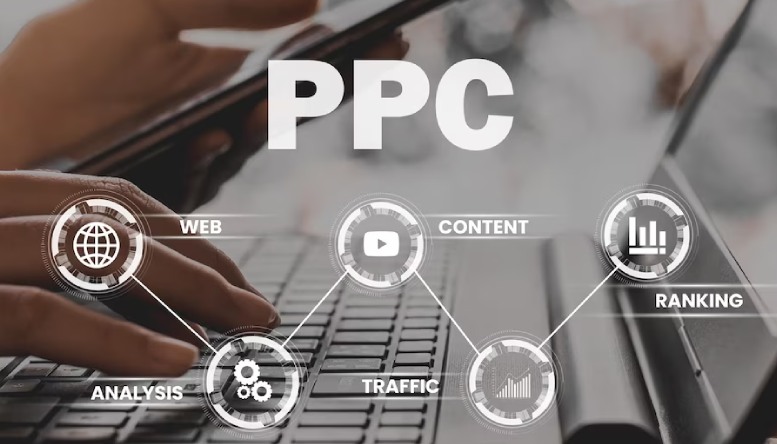
In the context of PPC advertising, geo-targeting allows businesses to tailor their ads to specific geographic locations, significantly enhancing the relevance of their campaigns. This is particularly important in a city like Atlanta, where local preferences and trends can vary widely.
By leveraging geo-targeting features, businesses can:
- Reach Local Audiences: Ads can be displayed only to users within a specific radius of your physical location. A neighborhood coffee shop in Atlanta could choose to target people within a 5-mile radius, ensuring relevance and convenience.
- Adjust Bids Based on Location: You can increase bids for areas that yield the highest conversions and lower them for those that don’t. For instance, if a bakery sees more sales from the Buckhead area than from downtown, they can allocate more budget to that region.
- Tailor Messaging: Use location-specific language and offers in your ads, such as “Try Our Buckhead Specials!” to enhance relatability.
Utilizing Ad Extensions for Enhanced Visibility
Ad extensions can be game-changers for maximizing the return on investment in your PPC campaigns. They not only enhance your ad visibility but also provide more information to potential customers. Here are a few types to consider:
- Location Extensions: Help users find your physical store by displaying your address and phone number directly in the ad.
- Call Extensions: Allow customers to call your business directly from the ad. For example, if a user sees a cupcake shop ad and they can instantly call to place an order, that’s a significant advantage.
- Sitelink Extensions: Direct users to specific pages on your website, such as reviews or special offers. This segmentation can cater to various customer needs, enhancing user experience.
Utilizing these extensions can not only improve click-through rates but also provide potential customers with the information they are looking for, thereby increasing the likelihood of conversions.
Retargeting Strategies to Capture Lost Leads
Even the best PPC campaigns won’t convert every visitor on first contact. That’s where retargeting strategies enter the scene. Retargeting enables businesses to track users who visited their site but didn’t convert, showing ads to encourage them to return. Consider these strategies:
- Segment Your Audience: Group visitors based on actions taken on your site. For example, if they viewed a specific product but didn’t purchase, tailor the retargeting ad to highlight that product with a special offer.
- Use Dynamic Retargeting: Create dynamic ads that automatically showcase products users have previously viewed. This personal touch can reignite interest.
- Frequency Capping: Ensure your ads don’t overwhelm users by setting limits on how often they see your retargeted ads, striking a balance between visibility and annoyance.
By optimizing your PPC campaigns with geo-targeting, leveraging ad extensions, and implementing effective retargeting strategies, businesses can significantly maximize their return on investment, resulting in not only a rise in clicks but, ultimately, in sales.
Measuring Success and Refining Strategies
Key Metrics to Track in Your PPC Campaign
To ensure that your PPC campaign is on the right track and maximizing its potential, it’s essential to measure its success by tracking key performance metrics. These metrics provide invaluable insights into how your ads are performing and where improvements can be made.
Here are some of the critical metrics to monitor:
- Click-Through Rate (CTR): This percentage indicates how many people clicked on your ad after seeing it. A low CTR may suggest that your ad copy isn’t engaging or relevant enough.
- Conversion Rate: This tells you how many of those clicks resulted in a desired action, such as a sale or a sign-up. A high conversion rate usually means your landing page is effective.
- Cost Per Click (CPC): Understanding how much you’re spending per click will help you gauge the profitability of your campaign. A low CPC but high conversion rate can indicate a well-optimized campaign.
- Quality Score: Offered by Google Ads, the Quality Score evaluates the relevance of your keywords, ads, and landing pages, influencing your ad rank and CPC.
- Impression Share: This metric shows how often your ad is displayed versus how often it could be. Low impression share may indicate budget constraints or too high competition.
Keeping a regular check on these metrics will give you a solid foundation for refining your PPC strategy to achieve better results.
Making Data-Driven Decisions for Optimization
Armed with data from these key metrics, the next step is utilizing this information to make informed decisions for optimizing your PPC campaigns.
Here are some strategies to implement:
- Frequent Review: Regularly analyze your metrics, perhaps weekly or bi-weekly, to understand trends and shifts in performance. If a particular keyword is performing exceptionally well, consider increasing its budget.
- Adjusting Bids: Use performance data to inform bid adjustments. If keywords are converting well but have low impression shares, increasing the bids for those keywords can improve visibility.
- Refining Ad Copy and Landing Pages: If a particular ad isn’t performing as expected, use A/B testing to experiment with different headlines, calls to action, or even colors to see what resonates better with your audience.
- Budget Reallocation: Based on performance, allocate more budget towards campaigns and keywords that generate higher returns while reducing spend on underperforming ones.
Making data-driven decisions ensures you’re not just guessing at what might work but actively refining your strategies based on evidence. By continuously measuring success and adapting to changes in data, your PPC campaigns can evolve, leading to sustained growth and improved return on investment.
Conclusion
Recap of Benefits of PPC in Atlanta
As we’ve explored throughout this article, Pay-Per-Click (PPC) advertising offers a wealth of benefits, especially for businesses operating in Atlanta’s vibrant market. Here’s a quick recap of the key advantages:
- Immediate Results: Unlike organic marketing, PPC campaigns can start generating traffic and leads almost instantly. This is particularly crucial for local businesses looking to make a quick impact.
- Targeted Advertising: With tools like geo-targeting, businesses can precisely reach their audience in Atlanta. Focusing on specific neighborhoods or demographics allows for tailored marketing strategies that resonate more deeply with potential customers.
- Budget Control and Flexibility: PPC enables businesses of all sizes to control their ad spend. Whether a small startup or an established enterprise, you can set and adjust budgets in real-time based on the performance of your campaigns.
- Measurable ROI: The ability to track key performance indicators such as CTR, conversion rates, and CPC ensures that every dollar spent can be accounted for, allowing businesses to continuously refine their strategies.
With these benefits in mind, PPC stands out as a valuable marketing tool for any Atlanta-based business looking to thrive in a competitive environment.
Future Trends in Pay-Per-Click Advertising
Looking ahead, the landscape of PPC advertising is poised for exciting developments that can further enhance its effectiveness. Here are a few trends that businesses should keep on their radar:
- Increased Adoption of AI: Artificial intelligence is changing how PPC campaigns are managed. Automated bidding and smart targeting options can help businesses optimize ad performance with minimal manual intervention.
- Emphasis on Voice Search: With the rise of voice-activated devices, optimizing for voice search keywords will be essential. Businesses will need to adjust their keyword strategies to cater to this shift in user behavior.
- Enhanced Personalization: As data collection methods improve, personalized advertising tailored to individual user preferences will become more prevalent, leading to higher engagement and conversion rates.
- Video Ads on the Rise: Video content continues to dominate online platforms. Integrating video ads into PPC campaigns can increase visibility and engagement, especially on social media channels.
These trends indicate that the PPC advertising landscape is continually evolving, presenting new opportunities for businesses to connect with their audiences effectively. By staying informed and agile, Atlanta businesses can leverage these changes to improve their campaigns and drive greater success in the future. Embracing these shifts can lead to a robust online presence that captures attention and drives conversion in an ever-competitive market.