

Overview of Pay-Per-Click (PPC) Management
What is Pay-Per-Click advertising?
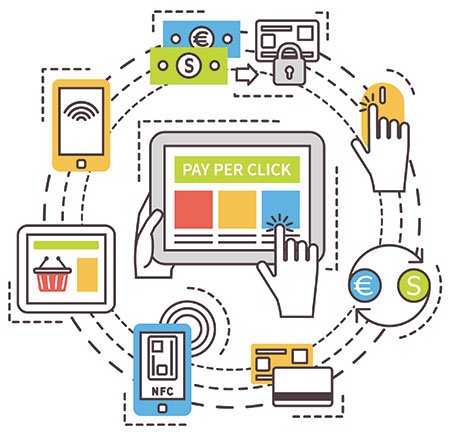
Pay-Per-Click (PPC) advertising is a digital marketing model where advertisers pay a fee each time one of their ads is clicked. It’s essentially a way to buy visits to your site rather than earning those visits organically. This method allows businesses to display ads on search engines like Google, Bing, and various social media platforms.
Imagine you’re in a bustling market, and each time someone is interested in your product, they pay you a small fee to learn more. That’s the essence of PPC advertising – it attracts potential customers directly to your offerings.
Benefits of PPC management for businesses
Effective PPC management brings a wealth of advantages to businesses, whether they are startups or established companies. Here are some key benefits:
- Immediate Results: Unlike organic methods which might take time, PPC ads can generate traffic as soon as they go live. For instance, a local coffee shop might launch a PPC campaign promoting a new fall drink and see immediate interest.
- Targeted Advertising: Businesses can tailor their ads to specific demographics, locations, and even behaviors. A wedding planner, for example, can target engaged couples searching for wedding services.
- Cost Control: With PPC, businesses have full control over their budgeting and bids. They can set daily or monthly limits, ensuring they only spend what they’re comfortable with.
- Measurable ROI: PPC provides analytics that allows businesses to track performance metrics, helping them understand what works and where to improve.
In conclusion, PPC advertising is not only a powerful tool for driving traffic but also an essential component of a broader digital marketing strategy. It enables businesses to optimize their reach and convert clicks into valuable customer relationships.
Importance of PPC Management in Digital Marketing
How PPC can help dominate the digital market
In today’s digitally-driven landscape, businesses must leverage every tool at their disposal to stand out. PPC management is a cornerstone of effective digital marketing, providing strategic advantages that can propel a business ahead of its competitors.
Consider this: PPC not only amplifies visibility but also enables targeting specific audiences based on various criteria like demographics, interests, and location. This means a local gym can serve ads specifically to fitness enthusiasts in its area, maximizing relevance and engagement.
Some key ways PPC helps in dominating the digital market include:
- Increased Visibility: Given that PPC ads appear at the top of search results, they capture attention more effectively than organic listings, ensuring high visibility.
- Faster Results: When launching a new product, a business can see immediate traffic and engagement, unlike the slower growth typical of SEO strategies.
- Competitive Analysis: PPC platforms provide insights into what competitors are doing. Businesses can adjust their strategies in real-time to stay ahead.
Case studies of successful PPC campaigns
Real-world examples illustrate the power of effective PPC management.
- Airbnb: The company utilized a targeted PPC campaign to reach specific traveler segments, resulting in a 400% return on ad spend (ROAS) by focusing on unique selling points relevant to different markets.
- Zalando: An online fashion retailer, Zalando implemented retargeting ads that reminded users of their abandoned shopping carts. This strategy alone boosted conversion rates by 50%.
These case studies underscore the effectiveness of PPC management, not just in increasing traffic but also in nurturing customer relationships and driving conversions. As businesses continue to navigate the complexities of digital marketing, sound PPC strategies will undoubtedly remain a key player in their success.
Choosing the Right PPC Management Agency in Fort Lauderdale
Factors to consider when selecting a PPC management agency
Selecting the right PPC management agency can significantly influence the success of your digital marketing efforts. With numerous options available in Fort Lauderdale, it’s essential to consider several key factors to ensure your investment pays off.
- Experience and Expertise: Look for agencies with a solid track record in PPC management. They should be familiar with various platforms, from Google Ads to social media advertising. For example, an agency that has run successful campaigns for businesses similar to yours can offer valuable insights.
- Custom Strategy: A good agency will tailor their approach to meet your specific goals and budget. Avoid those that offer a one-size-fits-all solution. Ask for examples of custom strategies they’ve implemented.
- Transparency and Reporting: The agency should provide clear reporting on performance metrics. You want to know where your money is going and how effective your campaigns are.
- Client Testimonials and Case Studies: Checking reviews and case studies can provide an in-depth understanding of what to expect from an agency. Personal anecdotes from previous clients can highlight strengths and weaknesses.
Top PPC management agencies in Fort Lauderdale
To aid your search, here are a few top PPC management agencies in Fort Lauderdale that stand out:
- Relevance: Known for their data-driven strategies and a focus on optimizing client campaigns, Relevance has demonstrated significant results in various industries.
- Clickbooth: With a strong emphasis on ROI, Clickbooth helps businesses maximize their PPC investments through targeted advertising and analytics-driven insights.
- PPC Hero: This agency has built a solid reputation for its strategic approach to PPC, offering extensive A/B testing and campaign optimization strategies.
Each of these agencies brings unique strengths to the table, making them viable options for businesses looking to establish a robust PPC presence in Fort Lauderdale. Selecting the right agency can lead to a fruitful partnership that propels your digital marketing success.
Setting Up a Successful PPC Campaign
Researching keywords for PPC ads
One of the most critical aspects of setting up a successful PPC campaign is conducting thorough keyword research. The right keywords can make or break your campaign, determining how effectively you reach your desired audience.
To start, think about the terms your potential customers might type into search engines. Utilize tools like Google Keyword Planner or SEMrush to identify high-traffic keywords relevant to your business. Here are a few tips to enhance your keyword research:
- Focus on Intent: Understand the intent behind keywords. Are users looking to buy, learn, or compare? Tailoring your keywords to match user intent increases the likelihood of conversions.
- Long-Tail Keywords: Don’t shy away from long-tail keywords. These are often less competitive and can attract highly targeted traffic. For instance, instead of just “shoes,” consider “best running shoes for flat feet.”
- Competitor Analysis: Analyze which keywords competitors are targeting. This can provide insights into opportunities you might not have considered.
Designing compelling ad copies for better click-through rates
Once you have your keywords, the next step is crafting compelling ad copies that encourage clicks. Effective ad copy acts like a magnet, drawing users in and prompting them to take action.
Here are some strategies to create captivating ads:
- Highlight Benefits: Focus on what makes your product or service unique. Instead of just saying “buy shoes,” you might say “Discover Comfort with 50% Off on Eco-Friendly Shoes.”
- Use Calls to Action: Phrases like “Shop Now,” “Get Started,” or “Claim Your Discount” create a sense of urgency and encourage users to click on your ad.
- Test Variations: A/B test different versions of your ad copy to see which resonates best with your audience. Small tweaks, like changing the headline or call to action, can lead to significant improvements in click-through rates.
As you combine thorough keyword research with compelling ad copy, you lay a solid foundation for your PPC campaign, ultimately guiding potential customers toward making a purchase.

Monitoring and Optimizing PPC Campaigns
Tracking performance metrics in PPC campaigns
Monitoring and optimizing your PPC campaigns is just as important as setting them up. Understanding performance metrics allows businesses to gauge their ads’ effectiveness and make informed decisions for adjustments.
Here are some key performance metrics that you should always keep an eye on:
- Click-Through Rate (CTR): This measures how often people click on your ad after seeing it. A high CTR indicates that your ad is relevant to your target audience. For instance, if you’re running an ad for a summer sale, and it has a 6% CTR, it means it’s resonating well.
- Cost Per Click (CPC): This metric tells you how much you’re paying for each click on your ad. Keeping track of CPC helps in ensuring your advertising budget is used efficiently.
- Conversion Rate: This indicates the percentage of clicks that result in a desired action, like a purchase or signup. If your conversion rate is lower than expected, it might signal the need for improvements in your landing page or ad copy.
- Return on Ad Spend (ROAS): Understanding how much revenue your ads are generating compared to spend is crucial. If your ROAS is below your target, it may be time to rethink your strategy.
Implementing A/B testing for optimization
One of the best practices for optimizing PPC campaigns is implementing A/B testing. This technique allows you to compare two versions of an ad to see which one performs better.
Here’s how to effectively carry out A/B testing:
- Identify Variables: Choose one element to test at a time. This could be the ad copy, call-to-action, or even the landing page design.
- Run Tests Simultaneously: Make sure both versions of the ad are running at the same time to get accurate results from the same audience.
- Analyze Results: After a set period, review the performance of each version based on your tracked metrics.
For example, if you test two ad copies and find that one generated 20% more clicks, you’ll know to use that version moving forward.
By continually monitoring performance metrics and utilizing A/B testing, businesses can refine their strategies, ensuring their PPC campaigns remain competitive and effective in achieving their goals.
Budgeting and Cost Control in PPC Management
Tips for managing PPC budgets effectively
Managing your PPC budget effectively is crucial to maximizing your returns and ensuring that your advertising spend is used wisely. Without a well-thought-out budget, costs can spiral out of control, diminishing the potential gains from your campaigns.
Here are some practical tips for managing your PPC budgets:
- Set Clear Objectives: Determine what you want to achieve with your PPC campaigns. Are you aiming for brand awareness, lead generation, or direct sales? Clear goals will help you allocate your budget more effectively.
- Choose the Right Bidding Strategy: Depending on your objectives, select a bidding strategy that suits your needs. For example, if you want to maximize visibility, a CPC bidding strategy might be advantageous.
- Monitor Daily Spend: Keep an eye on your daily budget to avoid overspending. Most platforms allow you to set daily limits, ensuring you don’t exceed your overall budget.
- Utilize Budget Alerts: Setting up alerts when you hit a certain percentage of your budget can help you make timely adjustments to your campaign if needed.
Avoiding common budgeting mistakes in PPC campaigns
Even seasoned PPC managers can fall prey to budgeting mistakes. Here are some common pitfalls to avoid:
- Neglecting Keyword Research: Failing to conduct thorough keyword research can lead to targeting the wrong keywords, resulting in wasted ad spend. Invest time upfront to find the most relevant keywords for your campaigns.
- Ignoring Negative Keywords: Not using negative keywords can lead to ads being shown for irrelevant searches. For example, if you sell premium running shoes, you’d want to exclude terms like “cheap” or “discount.”
- Lack of Flexibility: Sticking rigidly to a budget can prevent you from capitalizing on high-performing campaigns. Monitor performance closely and be ready to shift funds to ads that are delivering better results.
- Overlooking Seasonal Trends: Failing to adjust your budget based on seasonal fluctuations may cause you to miss opportunities during peak times or overspend during slower periods.
By effectively managing your PPC budgets and avoiding common mistakes, businesses can enhance their campaign performance and achieve optimal returns on their investments. With the right strategies in place, PPC can become a valuable asset in your digital marketing arsenal.

Integrating PPC with Other Digital Marketing Strategies
Combining PPC with SEO for a comprehensive marketing approach
Integrating Pay-Per-Click (PPC) advertising with Search Engine Optimization (SEO) is a powerful way to enhance your digital marketing strategy. While PPC generates immediate visibility, SEO builds brand credibility and organic traffic over time.
Here’s how to effectively combine both:
- Keyword Synergy: Utilize the keywords identified through your PPC campaigns to inform your SEO strategy. If you notice certain keywords are driving traffic and conversions through your ads, prioritize these keywords in your organic content strategy as well.
- Content Creation: Create quality content that supports your PPC efforts. For instance, if you’re running PPC ads for a specific product, consider developing detailed blog posts or landing pages that provide more information about it.
- Data Sharing: Use insights from PPC campaigns to refine your SEO efforts. If a particular ad copy resonates well with your audience, it might provide ideas for headlines or meta descriptions that could also work for your website.
By combining PPC with SEO, businesses can achieve a balanced approach that maximizes both immediate and long-term benefits.
Leveraging social media advertising alongside PPC
Another essential integration occurs when pairing PPC with social media advertising. This strategy helps to create a unified brand presence across multiple platforms.
Consider these ways to leverage social media alongside your PPC efforts:
- Targeted Audience Segments: Use social media ads to target specific demographics identified through your PPC campaigns. For example, if your PPC ads attract a particular age group, tailor your social media campaigns to reach that audience further.
- Retargeting Efforts: Implement retargeting ads on social media for users who interacted with your PPC ads. Reminding potential customers about your products can significantly increase conversion rates.
- Cross-Promotion: Share your PPC promotions on your social media channels. If you’re running a limited-time offer through PPC, announce it on social platforms to maximize reach and engagement.
By integrating PPC with social media advertising effectively, businesses can create a cohesive strategy that leverages diverse channels to enhance their presence, boost engagement, and ultimately drive more conversions. In the world of digital marketing, collaboration between strategies can lead to richer outcomes and sustained growth.

Adhering to Ethical Practices in PPC Management
Understanding regulations and guidelines for PPC advertising
Adhering to ethical practices in PPC management is crucial, not just for compliance, but also for building a trustworthy brand image. Understanding the regulations and guidelines governing PPC advertising can help businesses avoid legal pitfalls and maintain a positive reputation.
Every advertising platform has its set of rules. For instance, Google Ads has strict policies regarding the nature of advertisements, including restrictions on misleading claims, inappropriate content, and sensitive subjects. Here are some key regulations to keep in mind:
- Content Restrictions: Familiarize yourself with what content is prohibited. This includes anything that might promote hate speech, adult content, or deceptive practices.
- Ad Transparency: Be upfront about what you’re advertising. Ensure that your ads accurately represent your business, especially concerning pricing and offers.
- Privacy Compliance: Adhere to privacy regulations such as GDPR or CCPA, particularly if you’re gathering user data. Always give users the option to opt-in or out of data collection.
By staying informed about these guidelines, businesses can foster a responsible advertising environment, which enhances customer trust.
Maintaining transparency and accountability in PPC campaigns
In addition to understanding regulations, maintaining transparency and accountability is vital for the ethical management of PPC campaigns. Here’s how to foster these principles:
- Clear Reporting: Provide clear and concise reporting on campaign performance to stakeholders. Transparency in what works and what doesn’t builds trust and encourages collaboration.
- Honest Communication: Be upfront with clients about the expected results and realities of PPC campaigns. Setting realistic expectations can prevent misunderstandings and foster long-term partnerships.
- Ethical Budget Management: Avoid overspending or misallocating funds. Make sure that your budget aligns with agreed-upon strategies, ensuring that the client’s investment is honored.
A practical example of accountability could be a marketing agency sharing a monthly performance report with clients, detailing successes, challenges, and areas for improvement.
Practicing ethical PPC management not only complies with regulations but strengthens the bond between businesses and their customers. This commitment to transparency, accountability, and ethical conduct lays the groundwork for long-term success in an increasingly competitive digital landscape.