
Understanding PPC Management Specialists
What is PPC?
Pay-per-click, commonly known as PPC, is a digital marketing model where advertisers pay a fee each time their ad is clicked. It’s essentially a way of purchasing visits to a site, rather than attempting to “earn” those visits organically through SEO.
PPC is prevalent across various platforms, including Google Ads, Facebook Ads, and Bing Ads. Advertisers bid on specific keywords relevant to their target audience, ensuring that their ads appear in search engine results or on social media platforms when users enter those keywords.
For example, a local coffee shop in Denver might use PPC advertising by targeting keywords such as “best coffee Denver” or “coffee near me.” When potential customers search those terms, the coffee shop’s ad may appear at the top of the results, driving targeted traffic to their website.
Importance of PPC Management Specialists
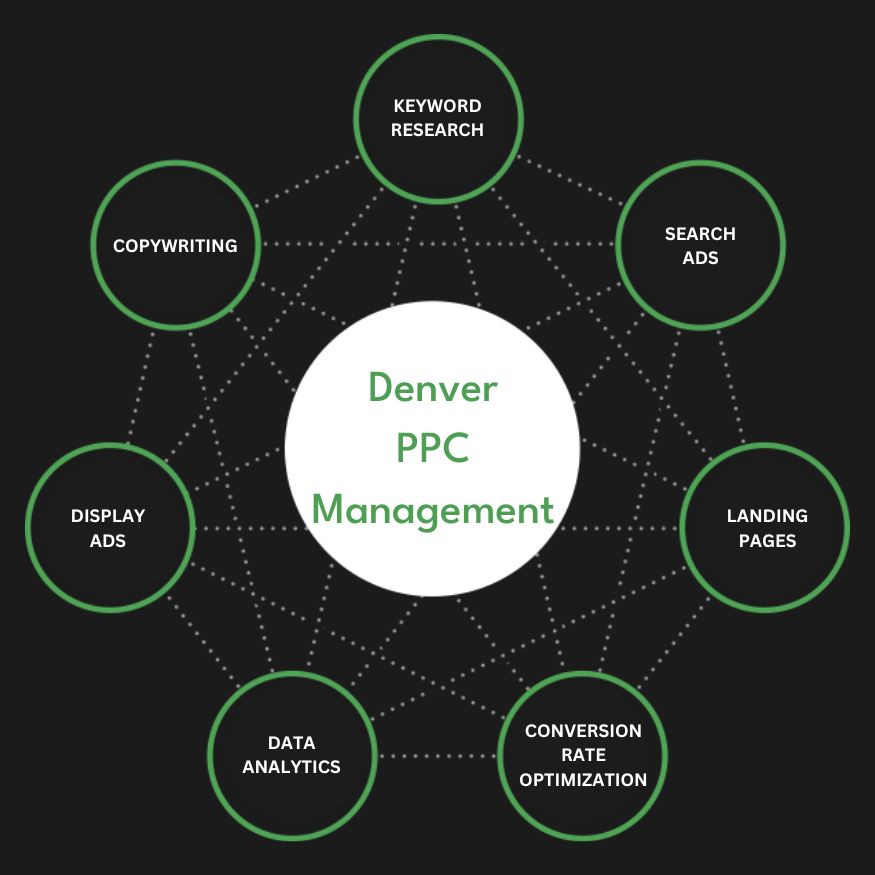
Given the complexity and competitiveness of the PPC landscape, the role of PPC management specialists becomes crucial. These professionals are instrumental in developing, executing, and optimizing PPC campaigns to ensure that businesses get the most out of their advertising budgets.
Consider the following benefits of having a PPC management specialist on your team:
- Expertise and Knowledge: PPC specialists understand the intricacies of different platforms and can navigate the constantly changing landscapes of digital advertising.
- Time Efficiency: Managing PPC campaigns can be time-consuming. By handing this responsibility over to specialists, businesses can focus on other core operations.
- Data Analysis: PPC management involves continuous monitoring and adjusting of campaigns based on performance metrics. Specialists are skilled at interpreting data, allowing for strategic decision-making.
- Cost-Effectiveness: With their expertise, PPC specialists can optimize budgeting, helping to achieve a lower cost-per-click and a higher return on investment.
In a world where online visibility is paramount, investing in PPC management specialists on platforms like Google Ads can make a significant difference. They help refine strategies, boost engagement, and ultimately, drive more traffic to websites.

Benefits of Targeted Traffic
Impact on Website Performance
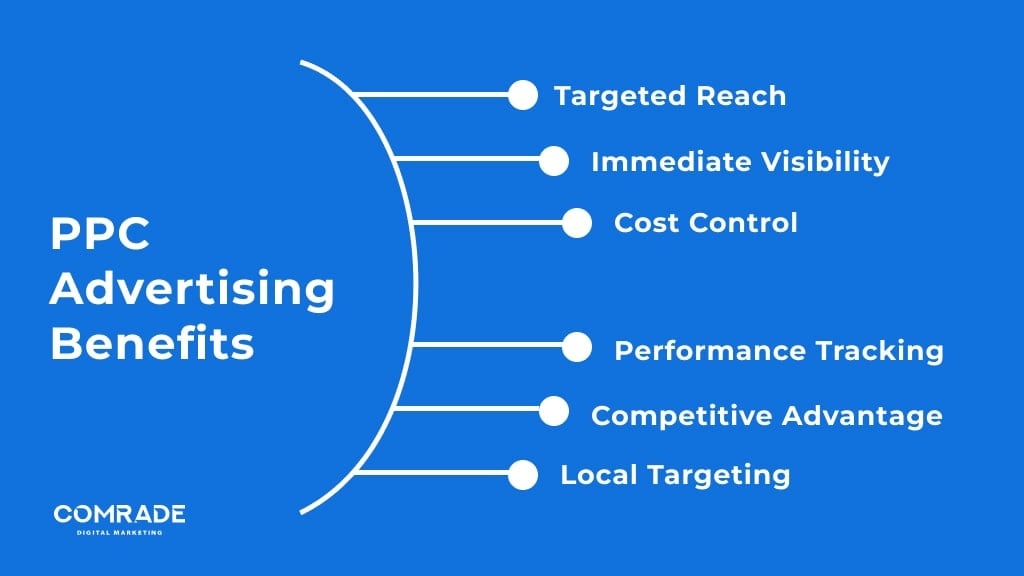
When businesses invest in pay-per-click (PPC) advertising, they don’t just aim for a high number of clicks – they seek targeted traffic that genuinely connects with their offerings. Targeted traffic refers to visitors who arrive at a website because they are interested in what the business has to offer. This focus on relevant visitors can profoundly impact website performance.
For instance, imagine an online retailer that specializes in eco-friendly products. If they run a PPC campaign targeting environmentally conscious shoppers and people searching for sustainable alternatives, they’re likely to see a surge in quality traffic. This means:
- Longer Visit Durations: Targeted visitors usually spend more time on the site because they find information and products that align with their interests.
- Lower Bounce Rates: When the audience feels that your content is relevant to their needs, they are less likely to leave the site quickly.
- Enhanced User Experience: A well-structured site that caters to the needs of targeted visitors improves overall user satisfaction, positively influencing return visits.
These factors contribute directly to the effectiveness and efficiency of the website, leading to a stronger online presence.
Increasing Conversion Rates
As a business owner, nothing is more rewarding than converting clicks into customers. Targeted traffic significantly increases conversion rates, which is the ultimate goal of any marketing strategy.
Let’s break this down further:
- Higher Intent to Purchase: Visitors driven by targeted PPC ads often come with a buying mindset. They are not just browsing; they’re looking for solutions. This intent translates into a higher likelihood of making a purchase.
- Personalized Marketing: By analyzing traffic sources and visitor behavior, businesses can tailor their offerings to meet the specific needs of their target audience. For example, an organic skincare brand might create ads focusing on different product benefits (like anti-aging or deep hydration), addressing different consumer needs.
- Optimized Customer Journey: Targeted traffic enables businesses to streamline the customer journey. With appropriate landing pages and relevant content that speaks directly to the audience’s motivations, visitors are more likely to navigate smoothly through the sales funnel.
In summary, prioritizing targeted traffic not only amplifies website performance but also transforms potential into action, leading to higher conversion rates and ultimately, business growth.

Choosing the Right PPC Management Specialists in Denver
Researching Local Options
As businesses in Denver seek to enhance their online presence through PPC advertising, finding the right management specialists can make all the difference. The first step is conducting thorough research on local options to identify agencies or individuals that align with your goals.
One effective way to start is by utilizing online resources. Search for phrases like “PPC management specialists in Denver” or “Denver PPC agencies” on popular search engines. This will give you a list of potential candidates to consider.
- Check Reviews: Look for reviews on platforms like Google, Yelp, or Trustpilot. Customer feedback can provide valuable insights into the experiences others have had with a specific specialist or agency.
- Visit Social Media: A company’s social media presence can give you a glimpse of their expertise—follow them on platforms like LinkedIn or Facebook to see case studies, tips, and client interactions.
- Request Referrals: If you have business contacts in Denver, don’t hesitate to ask them about their experiences with PPC management specialists. First-hand accounts can lead you to discover hidden gems in the industry.
By thoroughly researching local options, businesses can compile a shortlist of specialists who have a proven track record.
Factors to Consider
Once you have narrowed down your list, it’s essential to evaluate each option carefully. Here are some key factors to consider:
- Experience and Expertise: Look for specialists with experience in your industry. An agency that understands your market will have insights that can drive better results.
- Portfolio of Past Work: Request case studies or examples of previous campaigns they’ve managed. A strong portfolio can demonstrate their skills and success rates.
- Communication Style: Effective communication is crucial to ensure that both parties are on the same page. Schedule initial consultations to gauge how well the specialists articulate their strategies and listen to your needs.
- Budget Compatibility: Discuss your budget upfront. The best specialists will be transparent about their pricing structures, and they should be able to work within your budget while also delivering value.
- Reporting and Analytics: Inquire about how they track and measure success. Regular reporting should include clear metrics and strategies for optimization to ensure your campaign is always evolving.
By focusing on these factors, businesses in Denver can confidently select PPC management specialists tailored to their needs, setting the stage for an impactful advertising strategy.

Customized PPC Strategies
Tailoring Campaigns to Your Business
Once businesses in Denver have identified the right PPC management specialists, the next step is crafting customized PPC strategies that align with their unique goals and audience. It’s essential that these campaigns not only reflect what the business offers but also resonate with the target market.
For example, let’s consider a local fitness studio. Instead of using a one-size-fits-all approach, a tailored PPC campaign might include:
- Specific Keywords: Focusing on niche keywords such as “Denver yoga classes for beginners” or “personal training in downtown Denver.” This enhances the chances of reaching exactly the right audience.
- Localized Ad Copy: Crafting ad text that speaks directly to the Denver community, perhaps referencing local landmarks or community events, can create a personal connection with potential clients.
- Targeted Demographics: Utilizing demographic information to target specific age groups interested in fitness, such as young professionals or new parents, ensures the ads reach those most likely to engage and convert.
By customizing every aspect of the PPC strategy, the fitness studio positions itself as a community-centric option, thereby increasing engagement and building stronger relationships with its clientele.
Optimizing Ad Performance
Once the campaigns are live, optimization becomes key to maximizing ad performance. Effective PPC management doesn’t stop at just launching campaigns; it requires constant analysis and adjustment.
Here are a few strategies PPC specialists might employ to optimize ad performance:
- A/B Testing: This involves running two variations of an ad simultaneously to determine which performs better in terms of clicks and conversions. For instance, a fitness studio might test two different headlines to see which one garners more interest.
- Performance Metrics Tracking: Monitoring key performance indicators (KPIs) such as click-through rates (CTR), conversion rates, and return on ad spend (ROAS) helps in understanding what’s working and what needs tweaking.
- Adjusting Bids: Based on the data collected, specialists may adjust bids for specific keywords, ensuring that higher-performing keywords get more budget allocation.
- Refining Targeting: If data shows a certain demographic is more likely to convert, campaigns can be adjusted to focus on that segment, pulling resources away from less effective targets.
In conclusion, customizing PPC strategies by tailoring campaigns and optimizing ad performance not only enhances visibility but also paves the way for sustained growth and success in the competitive Denver market. A focused and flexible approach can yield impressive results, driving meaningful interactions and conversions.
Tracking and Analyzing Campaign Performance
Monitoring Metrics
After launching a customized PPC campaign, tracking and analyzing its performance is crucial to determining success. Just as a navigator keeps an eye on their compass to ensure they’re heading in the right direction, businesses need to monitor various metrics to gauge their campaigns effectively.
Some key metrics include:
- Click-Through Rate (CTR): This percentage shows how many individuals clicked on the ad compared to the total number of times it was shown. A high CTR indicates that the ad is engaging and relevant to the audience.
- Conversion Rate: This measures the percentage of visitors who take a desired action (like making a purchase or signing up for a newsletter) after clicking on the ad. It’s a direct reflection of how well the campaign drives not just traffic but meaningful engagement.
- Cost Per Click (CPC): Understanding the average cost for each click helps businesses manage budgets effectively. Lowering CPC while maintaining high performance is often a primary goal.
- Quality Score: Offered by platforms like Google Ads, this score assesses the relevance of ads, keywords, and landing pages. A higher score can lead to better ad placements at lower costs.
For example, let’s say a Denver florist is running a targeted campaign for Valentine’s Day arrangements. Monitoring these metrics can provide insights about which floral designs resonate most with the audience, guiding future promotions and inventory decisions.
Making Data-Driven Decisions
Monitoring these crucial metrics operates as a foundation for making informed, data-driven decisions. Instead of relying on gut feelings or assumptions, PPC specialists can leverage collected data to refine strategies.
This data-driven approach might include:
- Refining Ad Copy: If specific phrases or styles in the ad lead to higher CTRs, specialists can replicate these successful elements in future advertisements.
- Adjusting Target Audiences: If analytics reveal that a campaign is attracting an audience different from what was initially expected, it might be better to adjust the targeting settings to optimize for those who are most engaged.
- Budget Reallocation: Based on performance data, businesses may decide to allocate more funds to high-performing campaigns while scaling back on underperforming ones. For instance, if the florist finds that ads featuring luxury bouquets yield higher conversions, they can focus budget efforts in that area.
In essence, consistently tracking metrics and subsequently making data-driven decisions allows businesses to create dynamic PPC campaigns that evolve with the audience’s preferences, ultimately driving better results and maximizing return on investment. This cycle of monitoring and adapting is crucial for sustained success in the ever-changing digital landscape.

Adapting Strategies for Continuous Improvement
A/B Testing Techniques
In the rapidly evolving world of digital marketing, the phrase “test, learn, and adapt” resonates deeply with PPC specialists. One of the most effective ways to refine campaigns and achieve better results is through A/B testing. This method involves comparing two different versions of an advertisement to understand which one performs better with the target audience.
For instance, consider a Denver-based coffee shop launching a seasonal promotion. They could run two variations of an ad—one showcasing a new pumpkin spice latte and another featuring a warm cinnamon roll. By monitoring performance metrics like CTR, conversion rates, and customer engagement, the coffee shop would gain valuable insights into which offerings resonate more with their audience.
Here are some key components of effective A/B testing:
- Isolate Variables: Focus on one element at a time, whether that’s the headline, image, or call-to-action (CTA). This clarity helps in accurately assessing what influences performance.
- Run Tests Simultaneously: Launch both ad variations at the same time to ensure they are exposed to similar audience conditions. This avoids skewed results due to time factors.
- Analyze Results: After a predetermined time, analyze which ad performed better. Use this data to inform future campaigns and refine messaging strategies.
By employing A/B testing techniques, businesses can continually learn about their audience, leading to more engaging and effective ads.
Responding to Market Changes
In addition to systematic testing, responding to market changes is critical for sustaining campaign success. The digital landscape is dynamic, influenced by consumer behavior, seasonal trends, and even economic factors.
Being agile means that business owners and PPC specialists must actively monitor these shifts. For instance, during the holiday season, search trends may drastically change. A local jewelry store might find more interest in different styles of rings or personalized gifts.
Key strategies for responding to market changes include:
- Market Research: Utilize tools like Google Trends to keep an eye on what consumers are searching for. This data can be leveraged to create timely ad content that relates to current interests.
- Flexibility in Budgeting: Be prepared to adjust spending towards trending products or services. If one campaign begins to outperform another, reallocating budget resources can optimize returns.
- Embracing Social Listening: Monitor social media chatter to understand consumer sentiments and preferences. Engaging with customers openly can reveal emerging trends and inform campaign strategies.
In summary, by implementing A/B testing techniques and remaining responsive to market dynamics, businesses can create adaptive PPC strategies that foster continuous improvement. This proactive approach not only enhances advertising effectiveness but also builds stronger connections with the audience, ultimately leading to sustained growth in a competitive landscape.