
Introduction to Pay-Per-Click Advertising
What is Pay-Per-Click Advertising?
Pay-Per-Click (PPC) advertising is a dynamic marketing strategy that drives traffic to websites by paying a publisher when the ad is clicked. It operates on a simple principle: businesses bid on keywords related to their products or services, ensuring their ads appear in search engine results or social media feeds when potential customers search for those keywords.
Imagine you’re running a small bakery. You craft delicious cakes and pastries, and you want to bring in more customers. Instead of waiting for people to stumble upon your bakery while browsing online, you decide to leverage PPC advertising. When someone types “best chocolate cake near me” into Google, your ad pops up at the top of the search results. Each click on your ad represents a potential customer walking through your front door.
PPC platforms like Google Ads allow businesses to set up their campaigns flexibly. Advertisers can choose specific geographic locations, demographics, and even the times of day they want their ads to appear. This level of control ensures that your marketing efforts reach the right audience.
Importance of Pay-Per-Click Advertising for Small Businesses
For small businesses, the importance of PPC advertising cannot be overstated. It offers a powerful way to compete with larger enterprises that may have more substantial marketing budgets. Here are some key reasons why PPC is vital for small businesses:
- Immediate Visibility: Unlike organic search strategies that may take time to gain traction, PPC provides instant access to potential customers.
- Cost Control: With PPC, businesses only pay when a user clicks their ad, allowing for better budget management. This is ideal for small businesses that may have limited resources.
- Targeted Reach: PPC advertising allows for precise targeting based on location, interests, and online behaviors, helping small businesses connect with their audience effectively.
- Measurable Results: PPC campaigns provide detailed analytics, enabling small businesses to track the success of their ads in real time. Metrics such as click-through rates (CTR), conversion rates, and return on investment (ROI) can be easily monitored.
Consider a local coffee shop that uses PPC to promote a new line of organic coffees. By targeting ads to individuals in their neighborhood who have shown interest in organic products, they’re not just driving traffic; they’re attracting genuinely interested customers.
In essence, PPC advertising is a game-changer for small businesses, offering an efficient way to gain visibility, engage with customers, and drive online sales. As you delve deeper into PPC, understanding setup and optimization will be pivotal in making your campaign a success.
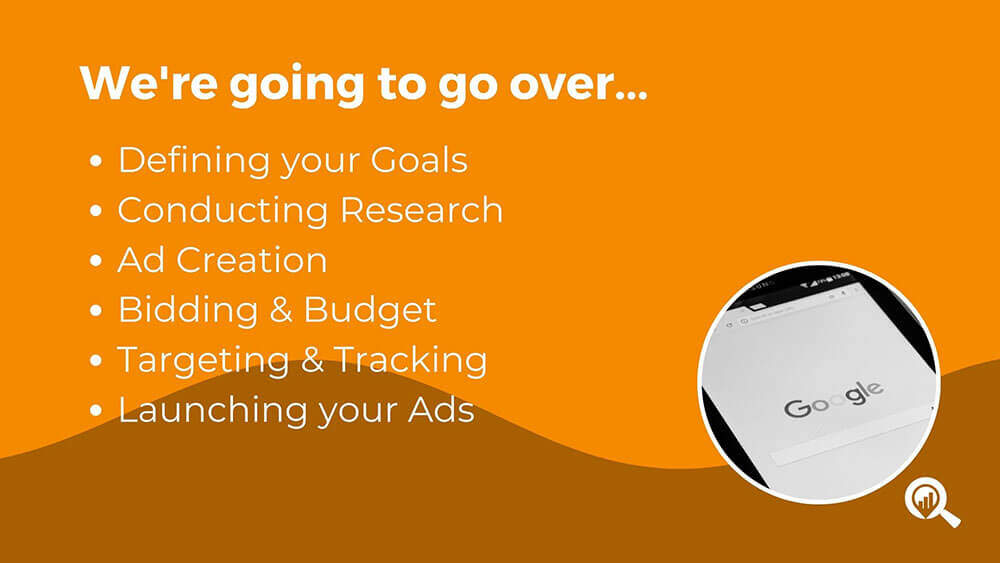
Setting Up Your PPC Campaign
In the previous section, we explored the invaluable role of PPC advertising for small businesses. Now, let’s dive into how to set up your PPC campaign effectively, starting with one of the most crucial components: choosing the right keywords.
Choosing the Right Keywords
Keywords are the foundation of any PPC campaign. They are the specific phrases that potential customers use when searching for products or services. Choosing the right keywords can mean the difference between a successful campaign and one that fizzles out.
To start, consider the following steps:
- Brainstorm Relevant Terms: Think about what your potential customers are searching for. For example, if you run a flower shop, your keywords might include “flower delivery,” “wedding bouquets,” or “birthday flowers.”
- Use Keyword Research Tools: Leverage tools like Google Keyword Planner or SEMrush to gather data on search volumes and competition levels for your chosen keywords. These tools can provide insights into which keywords are trending and how often they’re searched.
- Focus on Long-Tail Keywords: While short phrases can attract a broad audience, long-tail keywords (like “same day flower delivery in [Your City]”) can lead to higher conversion rates because they capture more specific search intents.
- Analyze Competitors: Check which keywords your competitors are bidding on. This can help you identify gaps in your strategy or inspire new ideas for your own keyword list.
- Monitor and Adjust: Once your campaign is launched, keep an eye on the performance of your chosen keywords. If some aren’t leading to clicks or conversions, don’t hesitate to swap them out for others.
Creating Compelling Ad Copy
Once your keywords are set, it’s time to craft ad copy that grabs attention and drives clicks. Remember, your ad is often the first impression potential customers will have of your business.
Here’s how to create ad copy that stands out:
- Use Strong Headlines: Your headline is the first thing users notice. Make it catchy and relevant. For example, “Beautiful Bouquets Delivered in 1 Hour!”
- Highlight Unique Selling Points: What makes your business special? Whether it’s a same-day delivery service or eco-friendly packaging, make sure to convey what sets you apart.
- Incorporate Keywords Naturally: Include your chosen keywords in the ad copy to ensure relevance to search queries. However, make sure it reads naturally.
- Create a Sense of Urgency: Phrases like “Limited Time Offer” or “Order Now for 20% Off” can encourage users to take action immediately.
- Include a Clear Call to Action (CTA): Tell your audience exactly what you want them to do. Whether it’s “Shop Now” or “Get Your FREE Quote,” a strong CTA can drive clicks.
For instance, a flower shop ad might read:
“Stunning Flowers for Every Occasion!
Order Your Custom Bouquet Today – Same Day Delivery in [Your City].
Limited Time: 20% Off Your First Order!
[Shop Now]”
By carefully selecting the right keywords and crafting compelling ad copy, small businesses can create impactful PPC campaigns that resonate with their target audience. As we move forward, understanding ad platforms will be the next step in successfully executing these strategies.

Understanding Ad Platforms
Having established how to set up a PPC campaign through keyword selection and compelling ad copy, it’s essential to understand the various platforms available for running your ads. Two of the most popular are Google Ads and Facebook Ads. Each has distinct advantages and caters to different marketing goals.
Google Ads
Google Ads is the frontrunner in PPC advertising, dominating the search engine space. When someone searches for a keyword that you are bidding on, your ad can appear at the top or bottom of the search results. Here are some key features of Google Ads that you might find useful:
- Search and Display Networks: Google Ads operates on two networks. The Search Network shows ads on Google search results, while the Display Network appears on other websites. This versatility allows you to reach users actively searching for your services and users browsing related content.
- Targeting Options: Google Ads allows precise targeting based not just on keywords but also on factors such as location, device, and user behavior. This can help ensure your ads reach the audience most likely to convert.
- Performance Metrics: With robust analytics, Google Ads provides insights into your ad performance, enabling you to track clicks, impressions, and conversions. This data can direct your future decisions to optimize your campaigns effectively.
For example, a local gym could use Google Ads to target keywords such as “fitness classes near me” to attract new members. With the right ad and strategy, they could significantly boost local visibility and ultimately enrollment numbers.
Facebook Ads
While Google focuses primarily on search intent, Facebook Ads taps into user behavior and interests. This platform allows businesses to place ads directly in users’ news feeds, which can be incredibly engaging. Here’s what you need to know:
- Audience Targeting: Facebook provides extensive audience targeting options, including demographics, interests, and behaviors. This capability lets you zero in on your ideal customer. For instance, if your bakery wants to promote a cookie class, you could target users who like baking and cooking shows.
- Engaging Ad Formats: Facebook offers various ad formats, such as image ads, video ads, and carousel ads. This variety allows businesses to get creative and present their products or services engagingly.
- Remarketing Opportunities: Facebook allows for remarketing ads, meaning you can target users who have previously interacted with your website or content. This can significantly enhance conversion rates, bringing back potential customers who may have hesitated in the past.
An example of effective Facebook advertising might be a clothing boutique showcasing its latest line through eye-catching images and videos, creating a buzz and inviting clicks to their online store.
By understanding these platforms, small businesses can effectively choose where to allocate their advertising efforts, ensuring they connect with their audience in the most impactful way.
As we continue, the focus will shift toward optimizing your PPC campaigns for even greater success.
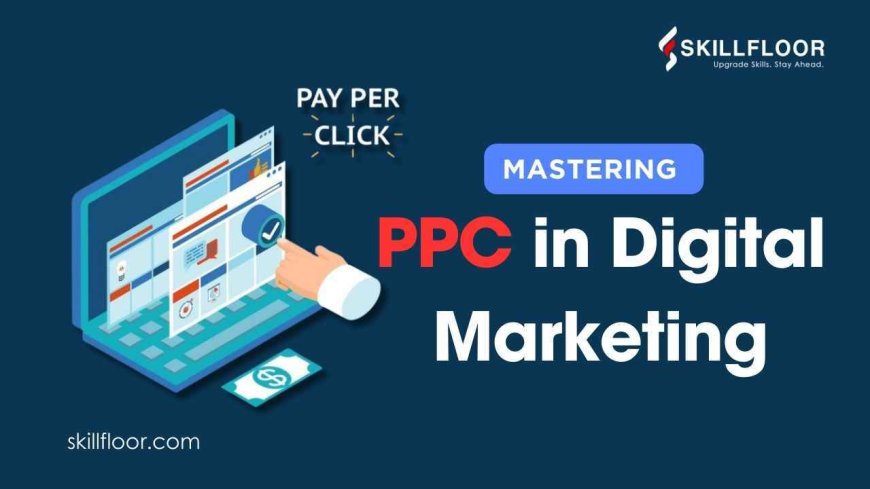
Optimizing Your PPC Campaign
After understanding the ad platforms like Google Ads and Facebook Ads, the next crucial step is optimizing your PPC campaigns to ensure they perform at their best. This involves monitoring performance metrics and employing A/B testing strategies to refine your approach continually. Both practices are essential for maximizing your return on investment (ROI).
Monitoring Performance Metrics
Monitoring performance metrics is like having a health check-up for your PPC campaigns. Keeping a close eye on key metrics can reveal a lot about what’s working and what isn’t. Here are some essential metrics to focus on:
- Click-Through Rate (CTR): This metric measures the percentage of users who click on your ad after seeing it. A higher CTR indicates effective ad copy and keyword selection. Aim for a CTR above the industry average, which typically hovers around 2%.
- Conversion Rate: This measures the percentage of visitors who complete a desired action, such as signing up for a newsletter or making a purchase. A high conversion rate means your landing pages are engaging and persuasive, while a low rate indicates you may need to tweak your offers or landing page design.
- Cost Per Click (CPC): Understanding how much you pay for each click helps you evaluate budget efficiency. Keeping your CPC in check while maximizing clicks is key for a successful campaign.
- Quality Score: Google uses a Quality Score to gauge the relevance of your keywords, ad copy, and landing pages. A higher Quality Score can lead to lower costs and better ad placements, so aim to optimize all components contributing to this score.
Regularly reviewing these metrics allows businesses to make data-driven decisions. For instance, if the CTR is high but the conversion rate is low, it might signal a need for improved landing page content or a more attractive offer.
A/B Testing Strategies
Next up is A/B testing, a critical strategy for refining your PPC campaigns. This process involves creating two versions of an ad or a landing page to see which performs better. Here’s how to effectively implement A/B testing:
- Test One Element at a Time: Whether it’s the headline, call-to-action, or image, focus on changing only one element to understand its impact clearly.
- Use Sufficient Sample Sizes: Ensure you have enough data before making conclusions. A common rule of thumb is to test for at least a week or until you achieve a statistically significant number of clicks.
- Analyze Results Together: Compare the performance of the two ads (or versions). Look at metrics like CTR, conversion rate, and even comments or engagement if applicable.
- Iterate and Improve: Once the winner is chosen, incorporate the winning element into your campaign and consider further tests to continuously improve your performance.
For example, a small business specializing in custom t-shirts might A/B test two different ad copies: one emphasizing “Free Shipping” and another highlighting “Limited Edition Designs.” Depending on the results, they can decide which message resonates more with their audience.
By continuously monitoring performance metrics and employing A/B testing strategies, small businesses can optimize their PPC campaigns effectively. This iterative approach not only enhances engagement but also leads to better conversion rates, ensuring advertising dollars are spent wisely.
Next, we’ll discuss budgeting and bidding strategies to help you maximize your campaign’s potential while staying within financial boundaries.
Budgeting and Bidding Strategies
As we round off the discussion on optimizing your PPC campaigns, budgeting and bidding strategies play a crucial role in ensuring that your advertising efforts are not only effective but also financially sound. Without a clear budget or effective bidding techniques, even the best campaigns can fall short of expectations or lead to overspending.
Setting a Realistic Budget
First things first: setting a realistic budget is essential for any PPC campaign. A budget not only defines how much you’re willing to spend but also establishes guidelines for your overall strategy. Here are some tips to help you set an appropriate budget:
- Identify Your Goals: Think about what you want to achieve from your PPC campaigns. Is it brand awareness, lead generation, or sales? Your goals will dictate how much you might need to spend.
- Research Industry Benchmarks: Understand the average CPC in your industry. For example, competitive sectors like finance or legal may have higher CPCs compared to more niche markets. This information can help you estimate how much you might need to allocate.
- Start with a Test Budget: If you’re new to PPC, consider starting with a smaller budget to test the waters. Monitor the performance for a month or so before scaling up or down based on results.
- Allocate Budget per Campaign: If running multiple campaigns, allocate budgets based on their potential return. Focus more on campaigns that align well with your goals and show promise.
- Prepare for Seasonal Variations: If your business experiences seasonal fluctuations, adjust your budget accordingly. For example, a retail business might increase its budget during holiday seasons while scaling back during off-peak times.
By taking these steps, you can develop a budget that aligns with your business goals and advertising strategy, providing a clear path for spending.
Implementing Effective Bidding Strategies
Once you have a sound budget in place, the next step is determining how to bid effectively on your chosen keywords. Bidding strategies can significantly influence the visibility and performance of your ads. Here are some popular strategies:
- Manual Bidding: This gives you full control over your bids, allowing you to adjust based on performance. If you notice a particular keyword is performing well, you can increase the bid to win better placements.
- Automatic Bidding: Ideal for those looking for a hands-off approach, automatic bidding allows the platform to set bids based on your budget and goals. Google Ads, for instance, optimizes your bids to maximize clicks or conversions within your budget.
- Target CPA (Cost Per Acquisition): This strategy aims to get as many conversions as possible at a specific cost per acquisition. By experimenting with this approach, you may find it easier to manage your budget while still generating leads.
- Enhanced CPC (eCPC): This semi-automated strategy adjusts your manual bids for clicks that seem more likely to lead to conversions. It’s a great way to optimize your campaign without fully relinquishing control over your bids.
A small business that sells eco-friendly products might experiment with different bidding strategies. After seeing promising results with manual bidding, they may switch to enhanced CPC for more flexibility while keeping costs manageable.
By carefully setting a realistic budget and implementing effective bidding strategies, small businesses can achieve greater control over their PPC campaigns, ensuring they attract the right audience without overspending. Taking these actionable steps will help maximize your PPC investment and drive toward the desired results.