

Overview of Pay-Per-Click Campaigns
Definition of Pay-Per-Click (PPC)
Pay-Per-Click (PPC) is a digital advertising model in which advertisers pay a fee each time one of their ads is clicked. Essentially, it’s a way of buying visits to your site rather than attempting to “earn” those visits organically through search engine optimization (SEO). The most common platform for PPC is Google Ads, where advertisers bid on keywords relevant to their business.
What makes PPC so appealing is its immediate potential for traffic and visibility. Rather than waiting to climb the search engine rankings, businesses can secure top positions almost instantly. This opportunity not only increases website traffic but also provides valuable analytical insights into consumer behavior and preferences.
Benefits of Implementing PPC Campaigns
There are several compelling reasons why businesses should consider implementing PPC campaigns:
- Immediate Results: Unlike organic marketing strategies that may take weeks or months to show results, PPC campaigns can generate traffic as soon as they are launched.
- Highly Targeted Approach: Advertisers can specify demographics, interests, and even geographic locations to ensure their ads reach a relevant audience. This means that every click holds the potential for conversion, making your advertising budget more efficient.
- Budget Control: With PPC, businesses have complete control over their budgets. They can set daily spend limits and adjust bids according to performance, avoiding overspending.
- Measurable ROI: PPC campaigns deliver detailed performance data, allowing businesses to analyze the effectiveness of their advertising strategies. Metrics such as click-through rates (CTR), conversion rates, and cost per acquisition (CPA) can be tracked, helping to optimize future campaigns.
- Brand Exposure and Recognition: Even if users do not click on the ads, seeing a brand’s name in top positions can enhance visibility and recognition, contributing to long-term growth.
In essence, PPC advertising is a powerful tool that, when utilized effectively, can significantly enhance a business’s online presence, particularly in competitive markets like Seattle. Implementing a successful PPC campaign requires a thorough understanding of the local audience, industry trends, and the intricacies of digital marketing.
Understanding the Seattle Market
Demographic Analysis of Seattle
Seattle is a vibrant city with a diverse population, making it an intriguing market for businesses looking to implement Pay-Per-Click (PPC) campaigns. As of the latest reports, the city’s population stands at around 750,000, with a metropolitan area exceeding 3.8 million residents. This growth is fueled by a robust economy, drawing individuals from across the globe.
Key demographic insights include:
- Age Distribution: The population is largely composed of younger demographics, with major segments between 25 to 34 years old making up nearly 20%. Understanding this youthful audience is crucial for tailored advertising.
- Income Levels: Seattle boasts a high median household income, estimated at over $100,000. This affluence suggests that consumers are willing to spend on quality products and services, particularly in sectors like technology, health, and outdoor recreation.
- Education: With a high percentage of college-educated residents, the Seattle population tends to value innovation and sustainability. This educational background often translates into higher engagement with digital marketing content.
Consumer Behavior in Seattle
Seattle consumers display distinct behaviors influenced by their dynamic environment. Their shopping habits are increasingly shifting toward online platforms, making a well-structured PPC strategy essential.
Here are some noteworthy consumer behaviors to consider:
- Preference for Local Businesses: Seattlites love supporting local enterprises. A recent study showed that nearly 70% of consumers prefer to purchase from local retailers, providing an excellent opportunity for localized PPC campaigns.
- Tech-Savvy Shoppers: Known for its tech industry, Seattle’s residents are comfortable with online shopping and digital transactions. A significant portion conducts research online before making final purchases. This trend emphasizes the need for compelling and informative ad content that resonates with their values.
- Socially Conscious Buying: Environmental and social implications greatly influence purchasing decisions in Seattle. Brands that showcase sustainability efforts and community involvement typically see better engagement.
Understanding these demographic and consumer behavior insights is paramount for crafting successful PPC campaigns in Seattle. By aligning marketing messages with the local audience’s preferences and values, businesses can enhance their connection and improve overall campaign success.
Setting Up a Successful PPC Campaign in Seattle
Researching Relevant Keywords for the Seattle Audience
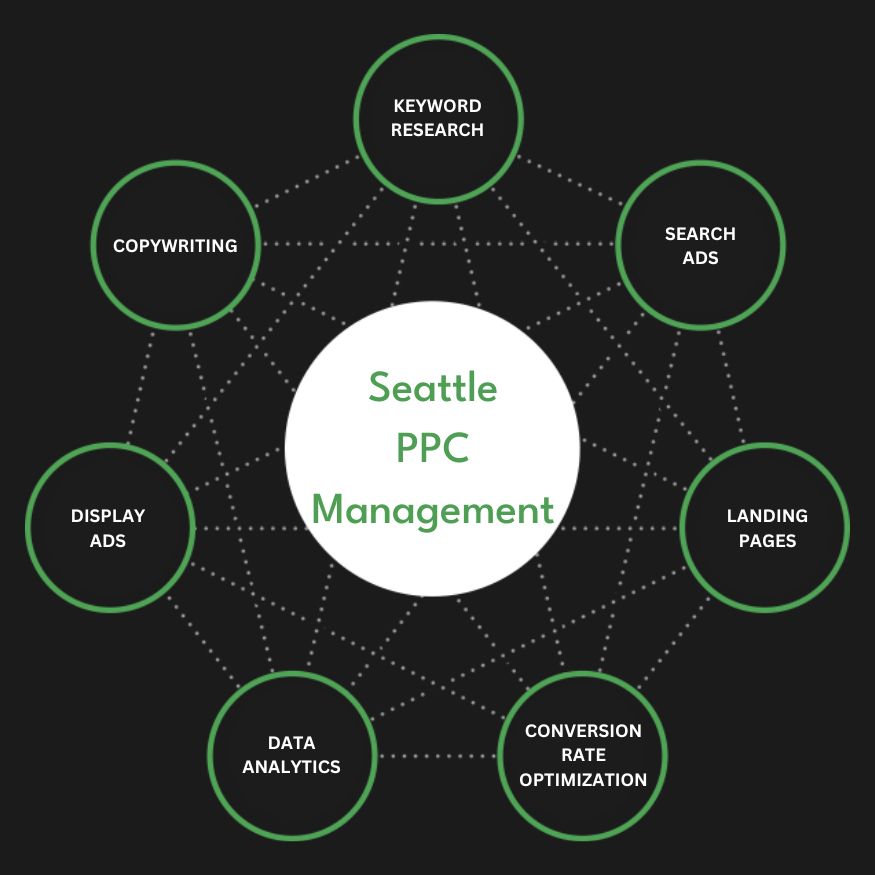
Setting up a successful Pay-Per-Click (PPC) campaign requires thorough keyword research tailored specifically for your Seattle audience. This involves identifying the terms and phrases potential customers use when searching for products and services like yours.
Here are some effective strategies for conducting keyword research:
- Utilize Keyword Tools: Tools such as Google Keyword Planner and SEMrush can help you discover popular keywords among Seattle residents. Input local landmarks or popular events in Seattle as starting points to tailor your search.
- Analyze Competitor Keywords: Check out what keywords your competitors are targeting. This approach helps identify gaps and opportunities within the market that you can exploit.
- Incorporate Local Terms: Including Seattle-specific phrases like “Seattle coffee shops” or “buy bike gear in Seattle” can sharpen your focus. These targeted keywords can enhance your ad relevance and improve click-through rates.
With a well-researched list of keywords, you set the groundwork for creating connections with local consumers.
Creating Compelling Ad Copy for Seattle Residents
Once you’ve established the right keywords, the next step is crafting engaging ad copy that resonates with Seattle residents. Compelling ads do more than list features; they tell a story that appeals to potential customers.
Here are tips for creating effective ad copy:
- Highlight Local Relevance: Integrate elements of Seattle’s culture or landmarks. For instance, mentioning the Space Needle or Pike Place Market can create a relatable connection with your audience.
- Emphasize Unique Selling Points: What makes your product or service stand out? Whether it’s eco-friendly materials or local craftsmanship, make sure to mention aspects that align with Seattle’s values.
- Include a Strong Call to Action (CTA): Encourage action with persuasive CTAs. Phrases like “Shop Local Today” or “Discover Seattle’s Best Kept Secrets” can motivate users to click and explore further.
- Test Variations: Experiment with different versions of your ad copy. A/B testing can reveal which messages resonate best with Seattle consumers, allowing for ongoing optimization.
By conducting thorough keyword research and crafting compelling ad copy, your PPC campaigns can effectively capture the attention of Seattle residents. This focused approach not only increases online visibility but also fosters a deeper connection with your target market, paving the way for structured growth in a competitive landscape.

Leveraging Geographic Targeting in Seattle
Utilizing Location Extensions for Local Targeting
To make the most of your Pay-Per-Click (PPC) campaigns in Seattle, leveraging geographic targeting is key. One effective method is utilizing location extensions, which allow you to display your business address, phone number, and a map link directly within your ads. This feature is not only beneficial for driving foot traffic but also enhances your credibility among local consumers.
Here’s how you can optimize location extensions for the Seattle market:
- Add Accurate Location Information: Ensure that your address, phone numbers, and business hours are correct. Seattle is home to many local businesses, so accurate information helps you stand out.
- Highlight Nearby Landmarks: If your business is near well-known Seattle attractions, mention them in your ads. Phrases like “Just a block from Pike Place Market” can draw in customers looking for convenience while exploring the city.
- Enable Store Visit Tracking: For businesses with physical locations, consider enabling tracking to measure the number of in-store visits attributed to your ads. This measure supports the effectiveness of your location extensions.
With location extensions effectively utilized, Seattle residents will find it easier to choose your business when searching locally.
Optimizing Ad Schedules Based on Seattle Time Zones
In addition to location targeting, optimizing your ad schedules according to local time zones can significantly improve engagement and conversion rates. Seattle operates on Pacific Time, and understanding the nuances of your target audience’s behavior during peak hours is essential.
Consider these tips for optimizing your ad schedules:
- Analyze Performance Metrics: Review historical data to identify when your ads receive the most clicks or conversions. For many businesses, evenings and weekends may yield higher engagement rates, especially among Seattle’s tech-savvy demographic.
- Utilize Dayparting: Implementing dayparting, or scheduling your ads to show only during specific times, allows you to allocate your budget more effectively. For example, if consumer activity spikes during Saturday mornings, focus your budget on that time frame.
- Consider Local Events: Seattle hosts numerous events throughout the year, from music festivals to major sporting events. Adjust your bidding and ad visibility around such occasions to capitalize on heightened consumer activity.
By employing geographic targeting and optimizing your ad schedules, businesses can create a focused PPC strategy tailored specifically to the Seattle audience. This targeted approach not only enhances ad visibility but also fosters greater engagement, leading to improved campaign performance.
Monitoring and Optimizing Your Seattle PPC Campaign
Tracking Key Metrics for Campaign Success
To ensure the success of your Pay-Per-Click (PPC) campaigns in Seattle, it’s crucial to monitor relevant metrics that provide insights into your performance. Tracking these key performance indicators (KPIs) helps you make informed decisions and adjust your strategies as needed.
Here are some essential metrics to keep an eye on:
- Click-Through Rate (CTR): This measures the percentage of people who clicked on your ad after seeing it. A higher CTR indicates that your ads are engaging and relevant to the Seattle audience. Aim for a CTR above the industry average for optimal results.
- Conversion Rate: Understanding how many visitors take the desired action (like making a purchase or signing up for a newsletter) after clicking your ad is vital. A high conversion rate signifies that your ad messaging and landing pages align well with user expectations.
- Cost Per Conversion: This metric tells you how much you’re spending to achieve a specific goal. Keep your costs in check by consistently reviewing and adjusting your bids and budgets according to performance.
- Impressions and Reach: Monitoring how often your ads are displayed helps assess whether you’re targeting the right audience effectively. If impressions are high but clicks are low, consider refining your targeting or ad copy.
By having a grasp on these key metrics, businesses can clearly see what aspects of their PPC campaigns are thriving and what needs improvement.
A/B Testing Strategies for Seattle Audience Optimization
Once you’ve established a baseline, it’s time to start optimizing your campaigns through A/B testing. This method allows you to compare two variations of an ad, landing page, or call-to-action to determine which performs better with your Seattle audience. Here’s how to implement effective A/B testing:
- Test One Element at a Time: Whether it’s changing the headline, adjusting the images, or altering the CTA, focusing on one variable ensures clear insights into what drives performance. For instance, a simple change from “Shop Now” to “Discover Local Favorites” could impact engagement significantly.
- Set Clear Goals: Define what success looks like. Are you aiming for higher CTR, lower cost per conversion, or increased engagement? Be clear about your objectives for each test.
- Use Significant Sample Sizes: To draw reliable conclusions, ensure your tests run long enough and reach a substantial number of users. This way, you minimize the impact of variables that might skew results.
- Iterate and Optimize: After collecting data, analyze the results and implement the winning variations. Continuous testing and adjusting enable you to stay aligned with changing customer preferences in Seattle.
By diligently tracking key metrics and incorporating A/B testing strategies, businesses can enhance their PPC campaigns, creating a more effective marketing approach tailored to Seattle’s unique audience. This ongoing optimization is crucial for sustaining campaign success and maximizing return on investment.

Case Studies of Successful PPC Campaigns in Seattle
Examples of Brands Thriving with PPC in Seattle
As businesses look to navigate the competitive landscape of Seattle, several brands have successfully leveraged Pay-Per-Click (PPC) advertising to elevate their presence and drive customer engagement. Here are a few standout examples:
- Zillow: The online real estate marketplace has employed targeted PPC campaigns focusing on specific Seattle neighborhoods. By using geo-targeting to promote listings and relevant content, they significantly increased website traffic during peak home-buying seasons. Zillow’s localized ad copy, featuring well-known neighborhoods, attracted targeted clicks from potential buyers.
- Starbucks: Known for its deep connection to Seattle, Starbucks has effectively utilized PPC to promote local events and seasonal drinks. They had notable success with ads highlighting specific store promotions and community-focused events, driving increased foot traffic during those campaigns.
- REI: The outdoor retailer emphasizes its Seattle heritage in its PPC ads, especially when promoting local events and outdoor activities. They effectively connect with their audience by utilizing keywords such as “Seattle hiking gear” and targeting interests related to outdoor adventures.
Each of these brands demonstrates how personalized, locally-focused strategies can foster strong connections with the Seattle audience.
Lessons Learned from Top Seattle PPC Campaigns
Analyzing the success of these PPC campaigns provides valuable lessons for any business looking to follow suit:
- Local Relevance Matters: Brands that successfully connect their messaging with local culture and values see better engagement. Incorporating Seattle-specific references into ad copy can resonate strongly with the audience.
- Continuous Optimization is Key: The Seattle market is always evolving, and keeping up with consumer trends ensures campaigns remain relevant. Regularly revisiting keywords, ad copy, and targeting strategies can lead to ongoing improvements.
- Integrated Marketing Approaches Work Best: Successful campaigns often align PPC efforts with broader marketing strategies. For instance, using social media promotions alongside PPC campaigns can amplify reach and drive organic traffic, increasing overall effectiveness.
- Data-Driven Decisions: The best-performing campaigns rely on data analytics to make informed decisions. Monitoring key performance metrics and conducting A/B tests not only sharpens targeting but enhances campaign performance over time.
In conclusion, the success stories of brands thriving in Seattle through PPC campaigns underscore the importance of local relevance, continuous optimization, integrated marketing, and data-driven strategies. By applying these lessons, businesses can harness the potential of PPC advertising in Seattle’s dynamic market.