
Understanding SEO Marketing Tactics
Definition of SEO
Search Engine Optimization (SEO) refers to the strategic process of enhancing a website’s visibility on search engines like Google. By implementing various techniques and best practices, businesses aim to rank higher in search results. Imagine having a beautiful, well-designed store tucked away in a quiet corner. Without proper exposure, potential customers will likely never find it. Similarly, SEO is essential to ensure that your website stands out in the crowded online marketplace.
To break it down further, SEO encompasses aspects such as:
- Keyword Research : Discovering the terms your target audience uses to search for products or services.
- On-Page Optimization: Crafting elements on your website, like content and meta tags, to align with those keywords.
- Off-Page Optimization : Engaging in practices outside your website to enhance its authority and relevance.
Importance of SEO for Branding
Understanding the significance of SEO is crucial for anyone looking to build a strong brand presence online. A well-optimized site not only drives organic traffic but also enhances branding efforts. Brands that appear prominently in search results are often perceived as more credible and trustworthy by users.
Consider this: when a consumer searches for a product or service, they are likely to click on the first few results. The visibility offered by SEO establishes a company’s reputation and fosters customer loyalty. It’s essentially a digital handshake, where appearing on the first page signifies that your brand is a key player in the market.
In summary, SEO is not merely a technical requirement; it’s a vital component of branding, influencing how customers perceive a business online.

Keyword Research and Analysis
Identifying Relevant Keywords
Once a solid understanding of SEO is in place, the next crucial step is keyword research. Identifying relevant keywords can feel like a treasure hunt; the right terms can lead potential customers right to your digital doorstep. Think about what your target audience is searching for. For instance, if you run a local bakery, keywords like “fresh bakery near me” or “custom cakes [your location]” may be most relevant.
To effectively identify these keywords, consider using tools such as:
- Google Keyword Planner : Great for finding keyword suggestions directly from search data.
- Ubersuggest : Helps uncover long-tail keywords that often have lower competition.
- Answer the Public : Provides insights into what questions people are asking related to your niche.
With this information, you can create a list of keywords that not only resonate with your audience but also have the potential to improve your search visibility.
Analyzing Keyword Competition
Once you’ve identified your target keywords, the next step is to analyze the competition surrounding them. Not all keywords are created equal—some are fiercely competitive, while others are ripe for the picking.
To evaluate keyword competition, consider:
- Search Volume : How many people are searching for the keyword? More searches often mean higher competition.
- SEO Difficulty : Tools like Moz or Ahrefs can provide a difficulty score, helping you assess how challenging it will be to rank for specific keywords.
- Current SERP Analysis : Look at the first page of search results. Who is ranking? What is their domain authority?
By understanding the competition, you can choose a mix of high, medium, and low-competition keywords. This strategic approach can effectively maximize your chances of ranking higher on search engine results pages.
On-Page SEO Optimization
Optimizing Meta Tags
Having laid the groundwork with effective keyword research, the next step in enhancing your SEO strategy is optimizing your meta tags. Meta tags, including the title tag and meta description, play a pivotal role in how search engines understand your content and how users perceive your website in search results. Think of them as the storefront window of your website; they need to be enticing enough to draw people in.
Here are a few tips for optimizing these crucial elements:
- Title Tag : Include your primary keyword and keep it under 60 characters to ensure it isn’t cut off in search results.
- Meta Description : Craft a compelling description under 160 characters that summarizes the page content and includes relevant keywords.
- Header Tags : Use
,
, and
tags appropriately to structure your content, making it easier for both users and search engines to navigate.
Creating High-Quality Content
After optimizing your meta tags, it’s time to focus on creating high-quality content. Great content is at the heart of a successful SEO strategy. It’s what keeps visitors engaged and encourages them to share your page with others.
Here’s how to ensure your content shines:
- Value and Relevance : Address the needs and pain points of your audience. If your bakery offers gluten-free options, create content that highlights these unique offerings.
- Engagement : Use engaging formats—think images, videos, and infographics—in addition to text to make your content more appealing.
- Keyword Integration : Naturally incorporate keywords without compromising the quality or readability of your content; avoid “keyword stuffing.”
High-quality content not only improves your chances of ranking well in search engines but also helps in building trust with your audience, ultimately fostering loyalty and encouraging return visits.

Off-Page SEO Strategies
Building Quality Backlinks
Having optimized your on-page factors, it’s time to shift focus to off-page SEO. One of the most critical components of off-page SEO is building quality backlinks. Think of backlinks as votes of confidence from other websites; the more quality backlinks you have, the more trustworthy your site appears to search engines.
To initiate backlink building effectively, consider the following strategies:
- Guest Blogging : Write informative articles for other blogs in your niche. Not only does this showcase your expertise, but it also allows you to include links back to your site.
- Content Outreach : If you create remarkable content, reach out to other sites that may benefit from linking to it. An engaging infographic or a unique study can garner attention.
- Local Business Partnerships : Collaborate with local businesses for cross-promotion, allowing for shared backlinks.
Utilizing Social Media for SEO
Alongside backlinks, harnessing the power of social media can significantly bolster your SEO efforts. While social media signals aren’t direct ranking factors, they can drive traffic and engagement to your site—and that’s a powerful SEO ally.
Here are effective ways to utilize social media for SEO:
- Share Your Content : Promote your blog posts, articles, or products on social platforms. Engaging posts can lead to shares, thereby increasing visibility and potential backlinks.
- Engage with Your Audience : Respond to comments and messages, join relevant groups, and participate in discussions. Building relationships can direct traffic back to your website through increased trust and credibility.
- Use Hashtags Wisely : Incorporating relevant hashtags can expand your reach. Think of unique hashtags that resonate with your brand and can capture your audience’s attention.
By integrating these off-page strategies, you’ll not only enhance your website’s authority but also improve its overall visibility and ranking in search results.
Technical SEO Considerations
Improving Site Speed
As we venture into technical SEO considerations, site speed emerges as a crucial factor. A slow-loading website can frustrate users, causing them to abandon your site before it even fully loads. In fact, research shows that about 40% of users will leave a website that takes more than three seconds to load. To enhance your site speed, consider these strategies:
- Optimize Images : Compress images without sacrificing quality using tools like TinyPNG or ImageOptim.
- Minify CSS and JavaScript : Removing unnecessary characters can improve loading times. Tools like CSSNano and UglifyJS can help.
- Leverage Browser Caching : Enable caching to store parts of your site so that users can load it faster upon their return.
By focusing on these elements, you can create a seamless user experience that enhances both satisfaction and retention.
Mobile Optimization for SEO
With more users accessing websites through mobile devices than ever before, mobile optimization is no longer optional—it’s essential. A mobile-friendly site not only improves user experience but also impacts search engine rankings, as Google prioritizes mobile-first indexing.
To ensure your site is mobile-friendly, consider:
- Responsive Design : Use a responsive design that adapts to different screen sizes and devices.
- Touch-Friendly Navigation : Make sure buttons and links are easy to click on mobile devices, avoiding user frustration.
- Test Your Mobile Site : Tools like Google’s Mobile-Friendly Test can help you identify issues and improve usability.
By prioritizing site speed and mobile optimization, you’ll be well on your way to creating a technically sound site that appeals to both users and search engines alike. This lays a robust foundation for your overall SEO strategy.
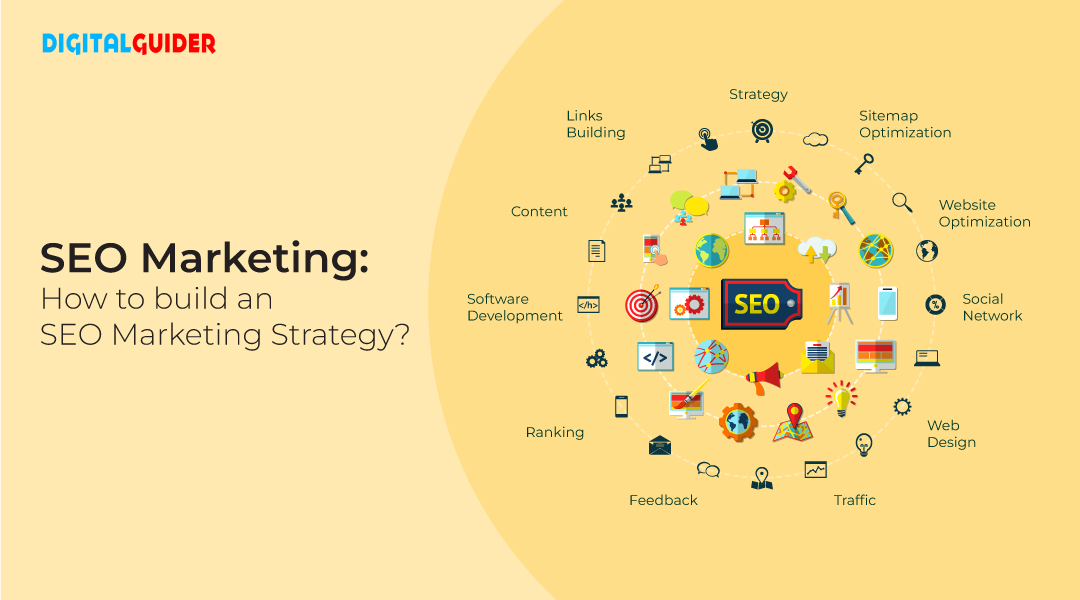
Local SEO Tactics
Optimizing Google My Business
As we dive into local SEO tactics, one of the most effective strategies is optimizing your Google My Business (GMB) listing. This free tool plays a crucial role in how your business appears in local searches. A well-optimized GMB listing can significantly boost your visibility to potential customers searching for your services nearby.
Here are essential steps for effective GMB optimization:
- Complete Your Profile : Fill in every section, including business name, address, phone number, and operating hours. Don’t skip the “About” section—tell your story!
- Choose Relevant Categories : Select primary and additional categories that accurately represent your business. For instance, a bakery should include “Bakery” as the primary category and “Dessert Shop” as an additional one.
- Add Photos : High-quality photos can attract more customers. Showcase your products, premises, and team, making your business feel approachable.
Generating Local Citations
In addition to optimizing your GMB, generating local citations is another critical tactic for improving your local SEO. Citations are online mentions of your business that typically include your name, address, and phone number (NAP). The more reputable mentions you have, the more credible you appear to search engines.
To build local citations effectively, consider the following:
- Submit to Local Directories : Websites like Yelp, TripAdvisor, and local chamber of commerce sites can amplify your visibility.
- Consistency is Key : Ensure that your NAP is consistent across all platforms to avoid confusion and boost credibility.
- Leverage Local Blogs and News Outlets : Getting featured in a local blog or news article can enhance your visibility while also providing valuable backlinks to your site.
By focusing on optimizing your Google My Business listing and generating local citations, you’ll create a solid foundation for your local SEO efforts, improving your chances of being discovered by nearby customers. This approach not only strengthens your online presence but also drives foot traffic to your business.

SEO Analytics and Tracking
Implementing Google Analytics
With your local SEO tactics set in motion, it’s crucial to measure the impact of your efforts through effective analytics and tracking. Implementing Google Analytics is foundational for understanding website traffic and user behavior. This powerful tool offers insights that can guide your SEO strategy moving forward.
To get started with Google Analytics:
- Set Up an Account : Create your account and add the tracking code to your website. This enables data collection.
- Configure Goals : Set specific goals—such as newsletter sign-ups or purchases— to track conversions that matter most to your business.
- Utilize UTM Parameters : Tag your URLs with UTM parameters to track the source of your traffic, helping you identify which campaigns yield the best results.
Monitoring SEO Performance
Once Google Analytics is up and running, monitoring SEO performance becomes your next priority. Regularly checking your analytics data helps you adjust your strategy based on real insights.
Consider these key performance indicators (KPIs):
- Organic Traffic : Monitor changes in the number of visitors coming from search engines. An upward trend often indicates effective SEO.
- Bounce Rate : A high bounce rate might signal that your content isn’t meeting user expectations, prompting a need for improvement.
- Conversion Rate : Track how many visitors are completing desired actions. This metric directly reflects the effectiveness of your website in converting traffic into leads or customers.
By leveraging Google Analytics and diligently monitoring performance, you can make informed decisions to refine your SEO strategies continually. This adaptability is what sets successful online businesses apart, ensuring they resonate well with their audience and achieve desired results.

Advanced SEO Techniques
Schema Markup Implementation
As we explore advanced SEO techniques, one powerful method to enhance your search visibility is implementing schema markup. Schema markup is a type of structured data that helps search engines understand the content on your site better. It can lead to rich snippets, which are visually appealing and can boost click-through rates.
Here are some key steps for implementing schema markup:
- Identify Relevant Schema Types : Depending on your business type, choose from various schema types such as Local Business, Product, or Article. For example, if you own a restaurant, the Local Business schema can highlight location, hours, and menu.
- Use Schema Markup Generators : Tools like Google’s Structured Data Markup Helper can simplify the process. You input your website content, and it generates the necessary code.
- Test Your Markup : After implementation, use Google’s Rich Results Test tool to ensure your schema is set up correctly.
Voice Search Optimization
In addition to schema markup, optimizing for voice search is increasingly important, especially as more consumers rely on virtual assistants like Siri and Alexa for their queries. Voice searches often differ from traditional searches, leaning towards conversational phrases.
To optimize for voice search, consider the following techniques:
- Focus on Natural Language : Craft content around common questions and phrases. For instance, instead of the keyword “bakery near me,” consider optimizing for “What’s the best bakery near me?”
- Enhance FAQ Sections : Create a dedicated FAQ page that answers frequently asked questions. This format aligns well with voice search queries.
- Local Optimization : Since a significant amount of voice search is local, ensure your location information is accurate and consistent across platforms.
By embracing schema markup and voice search optimization, you’ll stay ahead of the curve, setting your site up for greater visibility and engagement in an evolving digital landscape. These advanced techniques can significantly enhance how search engines perceive and rank your content, ultimately leading to increased organic traffic.

SEO for E-Commerce Websites
Product Page Optimization
When it comes to e-commerce SEO, optimizing product pages is essential for driving traffic and conversions. After all, these pages are often the first point of contact for potential customers. An optimized product page not only improves visibility in search engines but also enhances the shopping experience.
Here are key strategies for effective product page optimization:
- Unique Product Descriptions : Avoid using manufacturer-provided descriptions. Instead, write engaging and unique content that highlights the benefits and features of your products.
- High-Quality Images : Use multiple images from different angles, and consider adding a zoom-in feature. Images play a crucial role in persuading shoppers.
- Use of Keywords : Naturally incorporate relevant keywords into your titles, descriptions, and alt text for images to improve search rankings. For instance, instead of just “Running Shoes,” use “Men’s Lightweight Running Shoes for Marathon Training.”
Implementing Structured Data
Alongside optimizing product pages, implementing structured data is an incredible way to enhance your e-commerce site’s visibility. Structured data provides search engines with informative details about your products, such as price, availability, and reviews, which can lead to rich snippets in search results.
To implement structured data effectively:
- Use Schema Markup : Implement schema types such as Product Schema, which includes information such as the product name, image, rating, and price. This structuring can draw more attention from potential customers.
- Validate Your Data : After adding structured data to your product pages, use Google’s Structured Data Testing Tool to ensure everything is correctly set up. This validation ensures that search engines can parse your markup efficiently.
By focusing on product page optimization and implementing structured data, e-commerce businesses can significantly enhance their search engine visibility. Midst the competitive online shopping landscape, these strategies not only help attract more visitors but ultimately drive sales and improve the overall customer experience.

Measuring SEO Success
Key Performance Indicators
After investing time and resources into your SEO efforts, measuring success becomes essential. Tracking Key Performance Indicators (KPIs) allows you to evaluate the effectiveness of your strategies and make informed decisions going forward.
Here are some critical KPIs to monitor:
- Organic Traffic : Assess the volume of visitors arriving at your website through organic search. An increase in organic traffic typically indicates that your SEO efforts are working.
- Bounce Rate : A high bounce rate can signal that your content isn’t resonating with visitors. Aim to keep this number low by providing relevant, engaging information.
- Conversion Rate : This metric measures the percentage of visitors who complete a desired action, such as making a purchase or signing up for a newsletter. Tracking conversions helps you gauge the effectiveness of your SEO strategies.
ROI Tracking and Analysis
Once you’ve identified the right KPIs, the next step is tracking the return on investment (ROI) for your SEO campaigns. Understanding ROI is critical for allocating resources effectively and ensuring your efforts yield a positive impact.
To effectively track ROI:
- Calculate Costs : Account for all expenses related to your SEO efforts, including tools, personnel, and any outsourced services.
- Link Conversions to SEO Efforts : Use Google Analytics to track how SEO-driven traffic converts into sales. Set up e-commerce tracking to gain insights into revenue generated from organic sources.
- Evaluate Long-Term Gains : Remember that SEO is often a long-term investment. Look beyond immediate financial returns and consider factors like brand visibility, customer loyalty, and ongoing traffic growth.
By monitoring KPIs and conducting thorough ROI analysis, businesses can effectively measure their SEO success. This ongoing evaluation is not only vital for optimizing current strategies but also for planning future initiatives that drive growth and enhance overall performance.