
Introduction
Understanding SEO Web Page Analysis
In the digital landscape, creating a website is just the beginning. To stand out in the vast sea of online content, businesses must ensure that their pages are optimized for search engines. This is where SEO web page analysis comes into play. Essentially, it’s a systematic evaluation of your website’s performance to identify weaknesses and opportunities. By conducting a thorough analysis, you can gain insights into which elements of your website are working well and which areas may need improvement.
For example, a small e-commerce business might discover that their product pages lack relevant keywords, which directly impacts their visibility. By refreshing their content with targeted keywords, they can enhance their chances of being found by potential customers.
The Connection Between SEO and Rankings
The relationship between SEO strategies and search engine rankings cannot be overstated. Effective SEO practices help search engines understand your content, ultimately influencing where your website appears in search results. Higher rankings lead to increased visibility, which can drive more organic traffic.
Here are a few connecting points between SEO and rankings:
- Quality Content : Search engines prioritize high-quality, relevant content. This means that your on-page elements should be tailored to meet user intent.
- Keyword Strategy : Properly researched and strategically placed keywords enhance your chances of ranking higher for search queries relevant to your niche.
- Technical SEO : Factors such as site speed, mobile-friendliness, and secure connections also play critical roles in determining rankings.
By recognizing these key elements, businesses can better navigate the intricate world of SEO, paving the way for improved online presence and success.
Importance of SEO Web Page Analysis
Identifying Keyword Opportunities
Having a solid grasp of keyword opportunities is crucial for any business looking to thrive online. An effective SEO web page analysis can shed light on which keywords are not only relevant but also underutilized. It’s akin to finding hidden treasures in your content strategy!
For instance, a local bakery may realize during their analysis that “organic sourdough bread” is gaining traction among users but isn’t yet on their list of targeted keywords. By incorporating such phrases, they can attract more visitors who are actively searching for that specific type of bread, thus driving traffic and increasing sales.
Here are a few tips to identify keyword opportunities during your analysis:
- Utilize Keyword Research Tools : Tools such as Google Keyword Planner and Ahrefs can reveal search volumes and competition levels.
- Monitor Competitor Strategies : Analyzing competitors provides insight into what keywords they are ranking for and can inspire tweaks or shifts in your strategy.
- Long-Tail Keywords: Don’t overlook long-tail keywords as they often have lower competition and can yield higher conversion rates.
Enhancing User Experience
Another vital aspect of SEO web page analysis is the enhancement of user experience (UX). After all, a seamless and enjoyable experience can lead to longer site visits and increased customer loyalty.
Consider this: a travel blog that fails to load quickly may lose visitors impatiently waiting for pages to display. By evaluating page speed and usability in your SEO analysis, you can identify areas for improvement. For a smooth user experience, consider the following practices:
- Mobile Optimization : Ensure your website is fully responsive, adapting seamlessly to different devices.
- Navigation : Simplifying navigation enhances usability and encourages users to explore more pages.
- Content Layout : Organize content with headers, bullet points, and visuals to make it easier to digest.
By focusing on these components, businesses can enhance overall user experience, significantly impacting engagement and conversion rates. Ultimately, an effective SEO web page analysis paves the way for opportunities to discover keywords and create a user-friendly environment.
Key Elements of SEO Web Page Analysis
On-Page Optimization
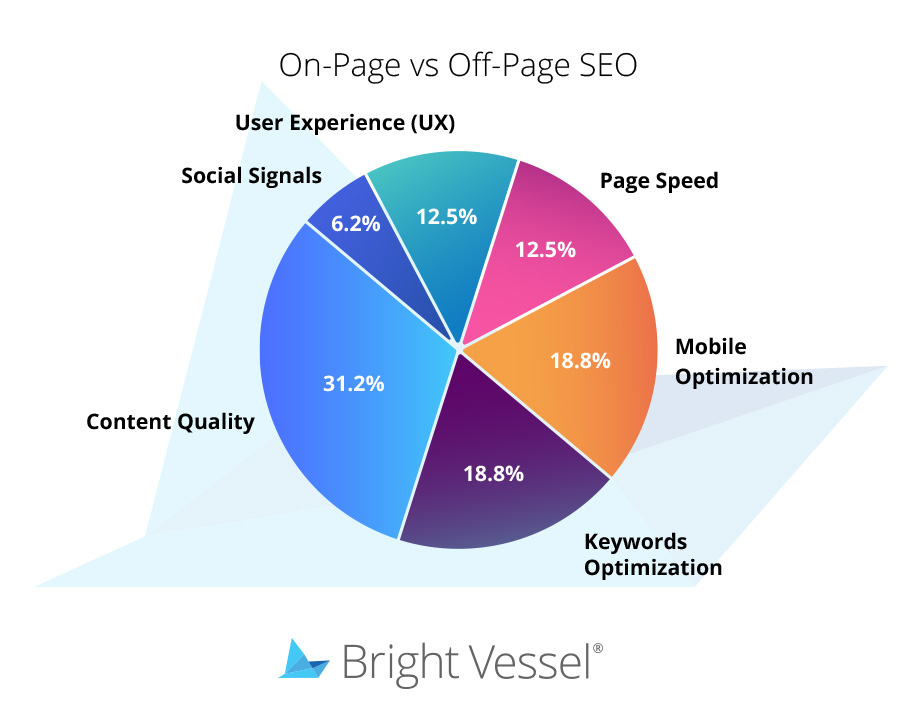
As we delve deeper into the key elements of SEO web page analysis, one cannot overlook the significance of on-page optimization. This facet involves the strategies applied directly on your website to enhance its visibility and relevance to search engines. It’s like polishing a gemstone to make it shine brighter!
For example, let’s consider a fitness blog that offers various workout tips. If their articles lack proper optimization, they might miss opportunities for higher rankings. Here are critical components of on-page optimization to focus on:
- Title Tags : Crafting engaging and keyword-rich title tags is essential, as they help search engines and users understand the content of a webpage.
- Meta Descriptions : These small snippets summarize the page content and should be compelling enough to encourage users to click through.
- Headers and Subheaders : Utilizing header tags (H1, H2, H3) not only helps in structuring content but also improves SEO by signaling important topics to search engines.
- Internal Links : Linking to other relevant pages within your site can keep visitors engaged and reduce bounce rates.
Off-Page Optimization
While on-page optimization focuses on what you can control, off-page optimization revolves around external factors that impact a site’s authority and relevance. Think of it as the reputation of your website in the digital world—it’s what others say about you that lifts you up!
For instance, a tech startup might share valuable insights through guest blogs on well-established platforms. This not only drives traffic back to their website but also boosts their credibility. Here are some key aspects of off-page optimization:
- Backlinks : Quality backlinks from reputable sites signal to search engines that your content is trustworthy and valuable.
- Social Media Engagement : Actively promoting content through social channels can increase visibility and foster community engagement.
- Online Reviews : Positive customer reviews on various platforms can enhance credibility and influence potential customers’ decisions.
Balancing both on-page and off-page SEO efforts is crucial for a comprehensive web page analysis, leading to improved rankings, increased traffic, and better overall performance.
Tools for SEO Web Page Analysis
Google Search Console
Navigating the world of SEO web page analysis can feel overwhelming, but utilizing the right tools makes the journey much smoother. One of the most powerful and free resources at your disposal is Google Search Console. This tool serves as a direct line of communication between your website and Google, providing insights into how your site is being indexed and viewed by search engines.
For instance, imagine you run a local coffee shop. By using Google Search Console, you can identify which search queries lead users to your website, analyze your click-through rates, and check for any potential indexing issues. Some noteworthy features include:
- Performance Reports : These show how well your site ranks for specific queries, highlighting clicks, impressions, and average position.
- Index Coverage : This section alerts you to any problems preventing your pages from being indexed, ensuring that your content is discoverable.
- Mobile Usability : This feature identifies any mobile usability issues that could hinder user experience on smartphones.
SEMrush
Another invaluable tool for SEO web page analysis is SEMrush, a robust platform that offers a comprehensive suite of features tailored to enhance your SEO strategy. While it is a paid tool, the wealth of data it provides often makes it worth the investment.
Consider a scenario where you manage a travel agency’s website. With SEMrush, you can conduct a detailed audit of your site and identify both strengths and weaknesses. Here are some standout features of SEMrush:
- Site Audit : This feature scans your site for technical issues, SEO mistakes, and optimization possibilities, providing actionable recommendations.
- Keyword Analytics : SEMrush allows you to discover new keyword opportunities, check your current keyword rankings, and even analyze competitor keywords.
- Backlink Analysis : Understanding your backlink profile helps you build authority and identify opportunities for link-building.
By leveraging tools like Google Search Console and SEMrush, businesses can gain actionable insights that significantly improve their SEO strategies, leading to better visibility and improved rankings in search engine results.

Common Mistakes in SEO Web Page Analysis
Ignoring Mobile Optimization
As we explore common mistakes in SEO web page analysis, one glaring oversight that many businesses make is ignoring mobile optimization. With mobile devices accounting for over half of all web traffic, it’s crucial that a website delivers a seamless experience for mobile users.
Let’s say you own an online store. If potential customers visit your site on their smartphones but find that it’s difficult to navigate or slow to load, chances are they’ll abandon their shopping carts faster than you can say, “checkout.” Here are key considerations for mobile optimization:
- Responsive Design : Ensure that your website automatically adjusts to different screen sizes, offering a consistent experience across devices.
- Page Speed : Optimize images and reduce server response times to ensure quick loading even on slower mobile connections.
- Touch-Friendly : Make sure buttons and links are easily clickable to prevent user frustration.
Ignoring these elements can lead to higher bounce rates and lost opportunities, ultimately affecting your rankings.
Neglecting Content Quality
Another common pitfall is neglecting content quality. While it’s tempting to focus solely on SEO metrics like keyword density and backlinks, the heart of SEO lies in providing value to your audience. When users find content that resonates with them, they are more likely to engage, share, and return.
For example, a health and wellness website might prioritize generating content on trending diets without ensuring it is well-researched and beneficial for readers. Here are essential content quality aspects to focus on:
- Thorough Research : Use credible sources and up-to-date information to strengthen your content’s authority.
- Engaging Writing Style : Write in a conversational tone and incorporate personal anecdotes to connect with your readers.
- Value-Added Insights : Always aim to solve a problem or answer a question for your audience.
By investing time and resources into mobile optimization and high-quality content, businesses can significantly enhance their SEO performance, avoiding these common mistakes that could hinder their success.
Advanced Techniques for SEO Web Page Analysis
Structured Data Implementation
As we delve into advanced techniques for SEO web page analysis, one standout strategy is the implementation of structured data. This technique helps search engines understand the content of your website with greater clarity. Think of structured data as a roadmap for search engines, guiding them through the various elements of your site.
For instance, if you run a recipe blog, implementing structured data can allow search engines to showcase your recipes with rich snippets, enhancing visibility in search results. Here’s how to make the most of structured data:
- Use Schema Markup : Incorporate Schema.org markup into your HTML to specify the content type, be it an article, product, or event.
- Test Your Markup : Tools like Google’s Structured Data Testing Tool can help you validate your implementation, ensuring it’s error-free.
- Keep Up-to-Date : Regularly check for updates in structured data guidelines to take advantage of new features or enhancements.
Structured data not only improves your chances of rich snippets but can also enhance click-through rates.
Backlink Analysis
Another critical advanced technique is backlink analysis, which examines the quality and quantity of links pointing to your website. Backlinks are essentially endorsements from other websites; the more quality backlinks you have, the more authoritative your site appears to search engines.
Imagine you’re managing a fashion blog. If reputable clothing brands link back to your reviews or style guides, it showcases your expertise in the industry. Here are some steps to effectively analyze backlinks:
- Use Backlink Checking Tools : Tools like Ahrefs or Moz allow you to assess your backlink profile, revealing which sites link to you and their quality.
- Identify Toxic Links : Recognizing harmful backlinks is crucial; they can negatively impact your rankings. Disavowing these links may be necessary.
- Strategize for New Backlinks : Look for new opportunities by identifying competitor backlinks and reaching out to similar websites to build relationships.
Employing structured data implementation and effective backlink analysis can elevate your SEO web page performance to new heights. By mastering these advanced techniques, businesses can better position themselves in the competitive online landscape.
Measuring Success with SEO Web Page Analysis
Monitoring Traffic and Conversions
Now that we’ve explored advanced techniques for optimizing your SEO efforts, it’s essential to focus on measuring the success of these strategies. One of the most effective ways to gauge your SEO performance is by monitoring traffic and conversions. After all, the ultimate goal is to turn viewers into engaged customers.
Imagine a local gym that has invested heavily in an SEO strategy. By using tools like Google Analytics, they can track the number of visitors to their website and analyze where that traffic is coming from. Here’s what to consider when monitoring traffic and conversions:
- Source of Traffic : Identify whether your visitors are coming from organic search, social media, or direct traffic. This data can help refine your strategies.
- Conversion Rate : Calculate the percentage of visitors who complete a desired action, such as signing up for a membership or making a purchase. A higher conversion rate indicates effective strategies.
- User Engagement : Keep an eye on metrics such as bounce rate and average session duration to understand how visitors interact with your content.
By regularly monitoring these metrics, businesses can assess the impact of their SEO tactics and make informed adjustments where necessary.
Tracking Keyword Rankings
Another vital component of measuring SEO success is tracking keyword rankings. Monitoring how well your targeted keywords rank can provide insight into the effectiveness of your content and optimization efforts.
Take the example of an online bookstore focused on niche genres. By using tools like SEMrush or Moz, they can keep tabs on their keyword positions. Here are critical aspects to consider:
- Keyword Performance : Track fluctuations in rankings to identify which keywords are gaining traction or losing ground.
- Competitor Comparisons : Compare your keyword rankings with those of your competitors to understand your position in the market.
- Seasonal Trends : Keep an eye on seasonal changes in demand for certain keywords, adjusting your content strategy accordingly.
By closely tracking keyword rankings along with traffic and conversions, businesses will gain a comprehensive understanding of their SEO effectiveness. This proactive approach allows for continuous improvement and ultimately leads to sustained growth and success in the digital landscape.
Case Studies: Successful SEO Web Page Analysis Strategies
Ecommerce Websites
As we explore real-world applications of effective SEO web page analysis, let’s take a look at ecommerce websites. These platforms thrive on attracting and converting visitors into customers, making SEO strategies essential for their success. Consider an online clothing retailer that recently revamped its SEO approach.
They started by conducting a thorough analysis of their existing content and keyword usage, focusing on the following strategies:
- Keyword Optimization : By identifying high-performing keywords such as “sustainable activewear,” they optimized product descriptions and blog posts to align with shopper searches.
- UX Enhancements : The site was restructured for better navigation, making it easier for users to locate products through categories and filters.
- Rich Snippets : Implementing structured data helped product pages display prices and reviews directly in search results, increasing their click-through rates.
As a result, the retailer saw a significant increase in organic traffic and a 30% boost in conversions within three months, proving that targeted SEO analysis can yield impressive results.
Service-Based Businesses
Next, let’s consider service-based businesses. A local plumbing company serves as a prime example of how effective SEO web page analysis can drive success. The company recognized that while they were receiving consistent leads, they could optimize their online presence further.
They focused on these key strategies:
- Local SEO : By optimizing Google My Business listings and targeting local keywords, such as “emergency plumbing services in [City],” they improved their visibility in local searches.
- Educational Content : They created blog articles addressing common plumbing issues, positioning themselves as trusted experts and increasing engagement.
- Customer Reviews : Encouraging satisfied customers to leave positive reviews not only enhanced their online reputation but also improved their rankings in local search results.
Within six months, the plumbing service experienced a 50% increase in website traffic and a marked rise in inquiry calls, demonstrating the power of a tailored SEO strategy for service-oriented businesses.
These case studies highlight the importance of conducting thorough SEO web page analysis tailored to specific industries, proving that effective strategies can lead to significant traffic growth and increased conversions.