
Introduction to SEO Ranking Software
What is SEO Ranking Software?
SEO ranking software is a digital tool designed to help website owners and digital marketers improve their search engine visibility. This software can analyze, track, and report on various SEO metrics, making it easier to optimize content and website performance.
Consider it a compass that guides you through the complex landscape of search engine optimization. By utilizing these tools, one can identify which keywords are driving traffic, analyze competitors’ strategies, and discover technical aspects of a website that can be enhanced.
For instance, take the story of a local bakery that struggled to compete with larger chains. By leveraging SEO ranking software, they discovered effective keywords such as “artisan bread near me,” which drove significant traffic to their site.
Importance of SEO for Website Performance
SEO is crucial for maximizing website performance, as it directly affects how easily users can find a site through search engines. Here are some of the main reasons why SEO matters:
- Increased Visibility : SEO helps improve search engine rankings, leading to more organic traffic.
- User Experience : A well-optimized website is not only search-engine friendly but also user-friendly, retaining visitors.
- Credibility and Trust : Higher rankings often instill more trust among users, which can increase conversion rates.
To sum it up, understanding and implementing effective SEO techniques through SEO ranking software can lead to substantial business growth and online visibility.
Key Features of Free SEO Ranking Software
Keyword Research Tools
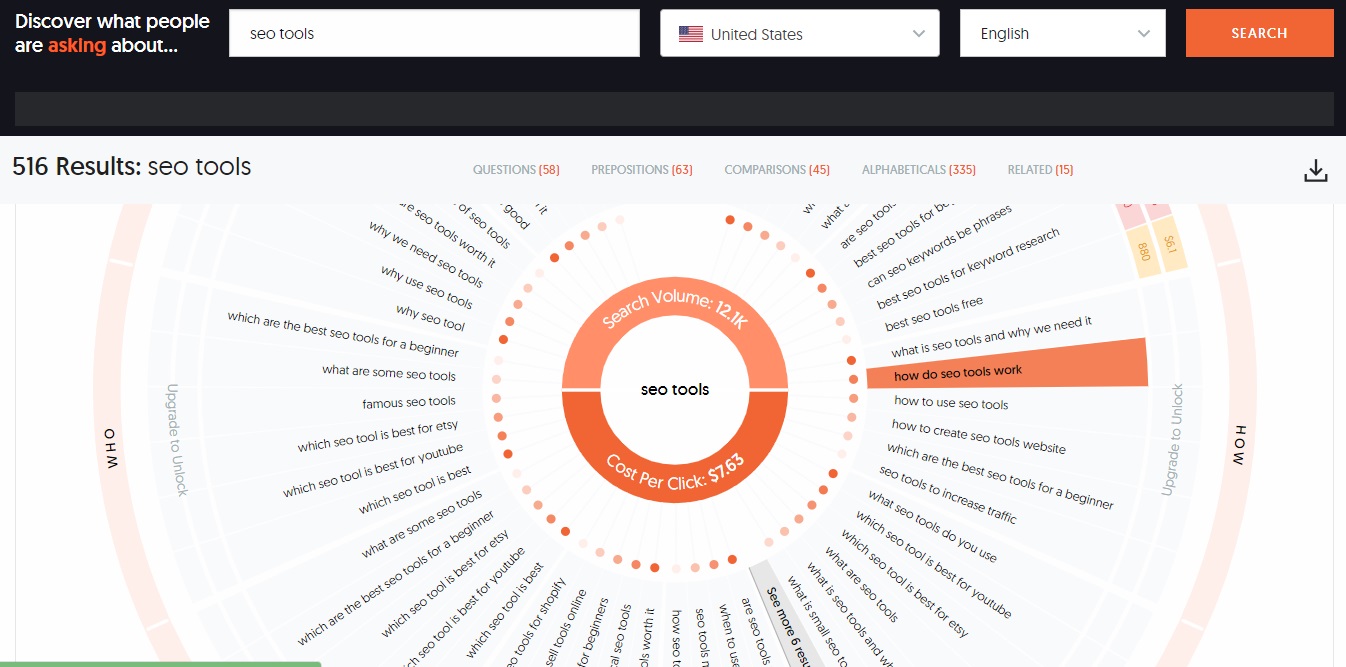
When diving into the realm of SEO, one of the standout features of free SEO ranking software is its keyword research tools. These tools are essential as they help identify which keywords can bring valuable traffic to a website.
Imagine you run a blog about hiking; a keyword research tool can reveal high-volume, low-competition keywords such as “best hiking trails in summer” or “hiking essential gear”.
Key functionalities of keyword research tools often include:
- Keyword Suggestions : Generate lists of related keywords based on your primary topic.
- Search Volume Data : Understand how many people are searching for a keyword.
- CPC Information : Find out how much advertisers pay for each click on related ads.
These insights empower content creators to produce articles that resonate more effectively with their target audience.
Backlink Analysis
Another vital component of free SEO ranking software is backlink analysis. Backlinks are like votes of confidence for a website; the more quality backlinks a site has, the higher its authority tends to be.
Backlink analysis features may include:
- Link Profile Overview : Assess the total number of backlinks and their sources.
- Anchor Text Usage : Understand which anchor texts are commonly used to link back to your site.
- Competitor Backlink Insights : Identify where competitors are gaining their backlinks and explore similar opportunities.
For example, a local coffee shop can use backlink analysis to discover community websites that might link to their site, boosting visibility in search results. By leveraging these features effectively, businesses can enhance their online footprint dramatically.
Understanding SEO Metrics
Domain Authority
To effectively navigate the world of SEO, understanding key metrics like Domain Authority (DA) is essential. Developed by Moz, DA is a score that ranges from 1 to 100, indicating how well a website is likely to rank on search engine result pages.
Think of it as a credibility score you earn over time. A local gym, for instance, may start with a low DA, but as they publish quality content and gain backlinks from local health blogs, their score begins to rise. Some factors that influence Domain Authority include:
- Age of the Domain : Older domains often have higher authority.
- Quality of Backlinks : High-quality links enhance DA.
- Content Quality and Consistency : Regular, solid content keeps users engaged and attracts links.
Monitoring Domain Authority helps website owners plan their SEO strategies effectively.
Page Load Speed
In today’s fast-paced online environment, page load speed is another crucial metric to consider. It’s the time it takes for a webpage to fully load in a user’s browser. Research has shown that a delay of just a few seconds can drastically increase bounce rates.
For example, an online retail store may experience fewer purchases if their pages take too long to load. Therefore, key aspects affecting page load speed include:
- Image Sizes : Large images can slow down a site considerably.
- Server Response Time : Good hosting services provide quicker responses.
- Code Optimization : Clean and efficient coding reduces load times.
Ultimately, optimizing both Domain Authority and page load speed can significantly enhance a website’s search visibility and user experience.

Using SEO Ranking Software for Competitor Analysis
Competitor Keyword Comparison
When it comes to gaining an edge in the competitive landscape of online marketing, utilizing SEO ranking software for competitor analysis can be a game changer. One of the most effective features is the ability to conduct a competitor keyword comparison. This tool allows you to see which keywords competitors are ranking for, giving you valuable insights into your own strategy.
For example, a small online bookstore might find that a competing store ranks well for “eco-friendly novels,” a niche they hadn’t considered. With this information, they can craft targeted content and optimize their pages to capture that traffic.
Key aspects of keyword comparison services include:
- Keyword Overlap : Identify shared keywords with competitors.
- Unique Keywords: Find keywords that competitors rank for but you don’t.
- Position Tracking : Monitor how your rankings compare to competitors over time.
Backlink Profile Analysis
Another critical component of competitor analysis is backlink profile analysis. Backlinks play a vital role in determining site authority and rankings. By evaluating a competitor’s backlinks, one can uncover numerous opportunities for growth.
For instance, if you notice a competitor has numerous backlinks from reputable local blogs, it may be worth reaching out to those blogs for your own features. Key features of backlink profile analysis include:
- Source Quality : Determine the authority of the sites linking to your competitors.
- Link Growth Trends : Monitor how quickly competitors are acquiring new backlinks.
- Anchor Text Distribution : Analyze the anchor texts used in links to gather insights for your own link-building strategy.
By effectively utilizing these features, businesses can enhance their competitive edge and optimize their SEO efforts for maximum impact.
Optimizing Website Content with SEO Tools
Content Optimization Suggestions
As businesses increasingly recognize the importance of effective online presence, optimizing website content becomes pivotal. One of the most valuable features of SEO tools is their content optimization suggestions. These recommendations help content creators refine their writing to align with SEO best practices.
For example, a travel blog might receive suggestions to use more related keywords like “budget travel tips” or “affordable destinations” throughout their posts. This not only boosts visibility in search results but also enhances reader engagement. Key areas where content optimization tools provide recommendations include:
- Keyword Density : Ensure that selected keywords appear at an optimal frequency.
- Readability Scores : Check if the text is easily digestible for your target audience.
- Headings Structure : Optimize header tags to improve both SEO and user experience.
SEO-Friendly Meta Tags
Another crucial aspect of content optimization is the use of SEO-friendly meta tags. These tags provide search engines with information about the content of your webpages. They play a significant role in drawing users to click through to your site from search engine results pages.
Essential meta tags include:
- Title Tags : Write compelling titles that accurately reflect the content while incorporating target keywords.
- Meta Descriptions : Craft engaging summaries that summarize the page and entice users to click.
- Alt Text for Images : Use descriptive alt texts for images to improve visibility in image search results.
By focusing on content optimization suggestions and implementing effective meta tags, businesses can significantly enhance their website’s searchability and user experience, ultimately driving more traffic and engagement.

Tracking Performance with SEO Ranking Software
Monitoring Keyword Rankings
Once your website’s content is optimized, the next step is tracking performance with SEO ranking software. A crucial aspect of this process is monitoring keyword rankings. This feature allows you to see how well your pages rank for specific keywords over time, providing valuable insights into what’s working and what may need adjustment.
For instance, a local bakery that optimized its website for keywords such as “fresh cupcakes near me” can use tracking tools to see if those efforts are paying off. Regularly checking rankings helps identify trends and shifts in performance. Key components of monitoring keyword rankings include:
- Ranking History : Track how your positions change over time for specific keywords.
- Ranking Difficulty : Assess how competitive certain keywords are.
- Geographical Performance : Understand how your rankings vary in different locations.
Analyzing Organic Traffic Trends
In addition to keyword rankings, analyzing organic traffic trends is another essential feature of SEO ranking software. This analysis helps you understand how various factors affect the number of visitors coming from search engines.
For instance, if your website experienced a spike in traffic after publishing a new blog post, it’s vital to delve into the analytics to see if it was driven by specific keywords. Key aspects of traffic analysis may include:
- Traffic Sources : Identify where your visitors are coming from—Google, Bing, or other platforms.
- Bounce Rates : Assess how many visitors leave after viewing only one page, indicating content relevance.
- User Behavior : Explore how long visitors stay and which pages they interact with the most.
By actively monitoring keyword rankings and analyzing organic traffic trends, businesses can continually refine their SEO strategies, ensuring sustained growth and visibility in the competitive online marketplace.

Enhancing User Experience with SEO Tools
Mobile-Friendly Testing
In today’s digital landscape, where most users access websites from mobile devices, ensuring a responsive design is paramount. This is where mobile-friendly testing comes into play, a feature commonly integrated within SEO tools. These tests assess how well your site performs on smartphones and tablets, ensuring a seamless user experience.
For example, a local restaurant’s website might look fantastic on a desktop but could be cumbersome to navigate on mobile. By using mobile-friendly testing tools, they can identify issues such as poor layout or slow load times. Key aspects of mobile testing include:
- Viewport Configuration : Check if your site adjusts correctly to different screen sizes.
- Ease of Navigation : Assess readability and the ease with which users can click links on smaller screens.
- Mobile Page Load Speed : Ensure pages load quickly on mobile networks.
Investing time in mobile-friendly testing can lead to higher search rankings and improved customer satisfaction.
Site Speed Optimization
Equally important is site speed optimization. Users today expect webpages to load in two seconds or less. If your site takes longer, you risk losing potential customers. SEO tools can help identify elements affecting site speed and suggest solutions.
Key components of site speed optimization include:
- Image Compression : Reduce image sizes without sacrificing quality to enhance loading times.
- Minifying Code : Streamline HTML, CSS, and JavaScript to improve performance.
- Browser Caching : Utilize caching techniques to store site data for quicker access upon subsequent visits.
By focusing on both mobile-friendly testing and site speed optimization, businesses can significantly enhance user experience and create a more engaging, efficient online environment. Happy visitors lead to better conversions and improved brand loyalty!

Utilizing Local SEO Features
Local Keyword Tracking
As online competition intensifies, leveraging local SEO features becomes crucial for businesses aiming to attract nearby customers. A significant element of this strategy is local keyword tracking. This feature enables businesses to monitor how their keywords perform within specific geographical locations, ensuring they reach the right audience.
For instance, consider a landscaping company focused on “landscaping services in Dallas.” By using local keyword tracking, they can analyze how well they rank for that phrase compared to broader terms like “landscaping services.” Key considerations for local keyword tracking include:
- Regional Performance : Understand how keywords rank in different cities or neighborhoods.
- Localized Search Volume : Analyze the number of searches within your target area to tailor marketing efforts.
- Competitor Visibility : Compare your local rankings with competitors to identify growth opportunities.
This strategic approach ensures that businesses can effectively target potential customers within their communities.
Google My Business Integration
Another invaluable tool in enhancing local SEO is Google My Business (GMB) integration. GMB allows businesses to create a robust online presence with essential information such as location, hours, and services. SEO software that integrates with GMB enables real-time updates and insights.
For example, a local coffee shop can use GMB to highlight new seasonal drinks, provide customer reviews, and post updates directly linked to SEO metrics. Key aspects of GMB integration include:
- Review Management : Monitor and respond to customer reviews to build credibility.
- Insights/Analytics : Track how customers find your business, from search queries to view counts on your listing.
- Post Creation : Share timely updates or promotions that engage local patrons.
By effectively utilizing local keyword tracking and GMB integration, businesses can enhance their local presence, drive customer engagement, and ultimately increase foot traffic. This localized focus not only supports growth but fosters a strong community connection.
SEO Software Integration with Other Tools
Google Analytics Integration
To maximize the effectiveness of SEO efforts, integrating SEO software with other tools, such as Google Analytics, is invaluable. Google Analytics provides deep insights into website traffic and user behavior, allowing businesses to refine their strategies based on solid data.
For instance, a personal finance blog might use Google Analytics to track which articles are driving traffic and conversion. By integrating this with their SEO software, they can analyze keyword performance in tandem with traffic sources, leading to informed decisions. Key benefits of Google Analytics integration include:
- Traffic Segmentation : Observe how different audience segments interact with your site.
- Conversion Tracking : Measure how many users complete desired actions, aiding in campaign evaluations.
- Bounce Rate Analysis : Identify pages with high bounce rates and adjust accordingly to keep visitors engaged.
This seamless connection between SEO and analytics can empower businesses to fine-tune their content and marketing strategies effectively.
Social Media Management Tools Collaboration
Another powerful aspect of SEO software integration is its ability to collaborate with social media management tools. These tools help amplify SEO efforts by promoting content across social platforms, increasing visibility, and driving organic traffic.
For example, a fitness brand might schedule posts on Facebook and Instagram using a social media management tool while simultaneously tracking engagement rates with their SEO software. Key advantages of this collaboration include:
- Content Planning : Create a cohesive strategy that aligns SEO content with social media campaigns.
- Performance Tracking : Monitor how social media traffic contributes to overall organic traffic and conversions.
- Brand Awareness : Enhance online presence by cross-promoting content, leading to higher search engine rankings.
By leveraging Google Analytics integration and collaborating with social media management tools, businesses can form a holistic approach to their digital marketing efforts. This synergy not only boosts search visibility but also fosters a comprehensive understanding of audience behaviors, ultimately driving growth and engagement.