
Understanding Backlinks and Their Importance in SEO
What are Backlinks?
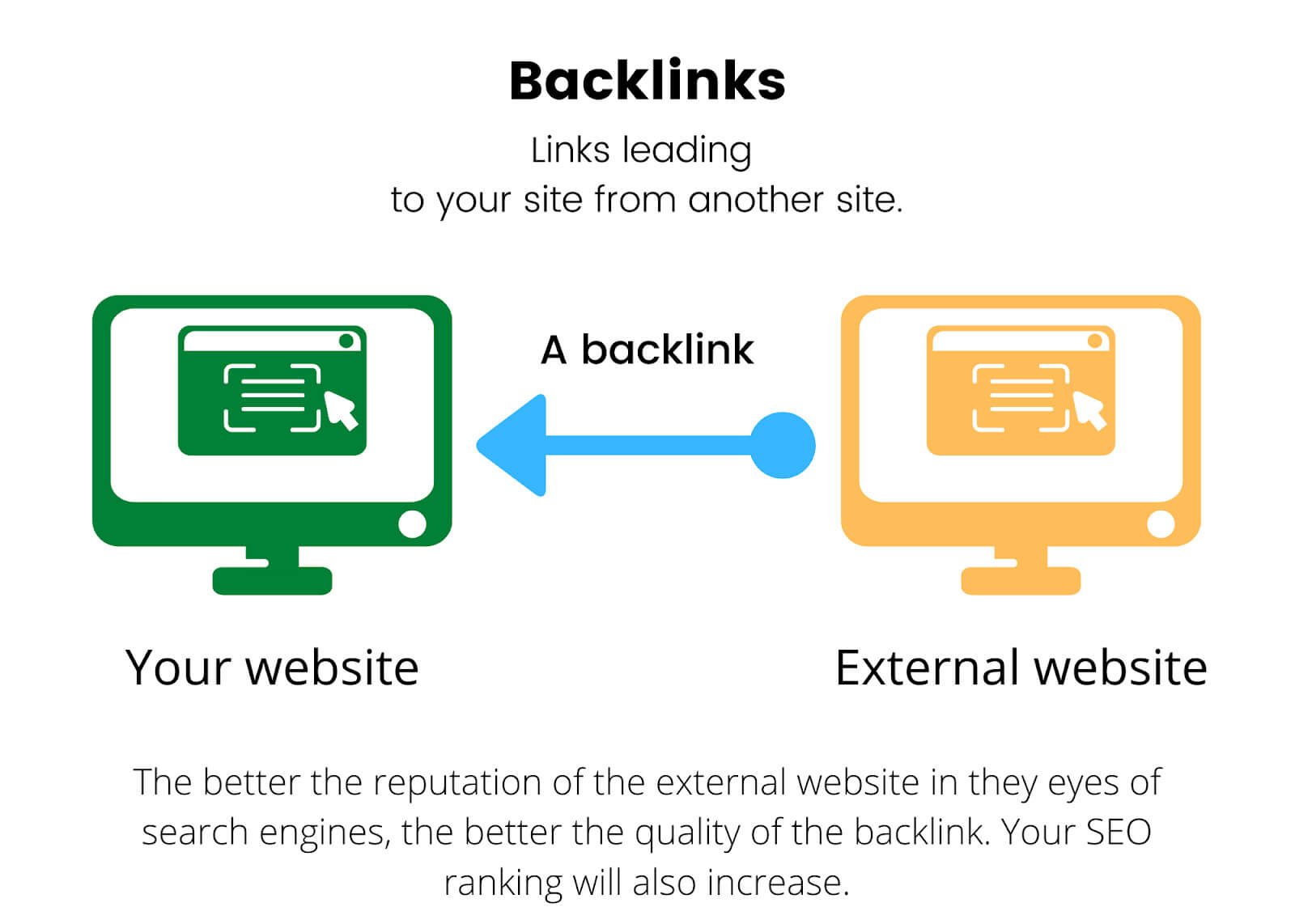
A backlink, sometimes referred to as an inbound link, is a hyperlink created when one website links to another. It serves as a digital connection between two distinct web pages. Think of <a href="https://redaezzat.me/seo/boost-your-websites-performance-with-free-seo-ranking-software/”>backlinks like votes of confidence – when one site links to another, it’s essentially saying, “Hey, this content is valuable!”
To illustrate this point, picture a small farmer networking at a community event. When a well-respected chef from a renowned restaurant mentions this farmer’s produce in a recipe blog, it’s akin to a backlink. The chef’s blog, with its large audience, is signaling to readers that this farmer’s products are worth checking out.
Common Characteristics of Backlinks:
- Nofollow vs. Dofollow : Dofollow links pass on SEO authority, while nofollow links do not, indicating to search engines how to treat the link.
- Anchor Text : This is the text that contains the hyperlink. Well-optimized anchor text can enhance SEO performance.
- Link Placement : Backlinks can be found in content, comments, or user-generated content, affecting their value based on where they appear.
Why are Backlinks Important for SEO?
Backlinks play a crucial role in search engine optimization (SEO). They influence how search engines like Google perceive the credibility and authority of a website. Here’s why backlinks are vital:
- Improved Search Engine Ranking : Quality backlinks signal to search engines that your website offers valuable content. Websites with strong backlinks tend to achieve higher positions in search results.
- Increased Referral Traffic : Each backlink is a pathway for potential visitors. When a website links to your content, it directs its audience to your site. This can lead to increased traffic, resulting in higher conversion rates.
- Faster Indexing : Search engine bots use backlinks to crawl the web. When your site is linked to from other well-regarded sites, it can be indexed more quickly, enhancing your visibility in search results.
- Establishing Authority and Trust : Backlinks from high-authority domains lend credibility to your website. For example, if a major news outlet links to your blog post, it bolsters your authority in that niche.
Common Types of Backlinks:
- Natural Links : These arise organically when someone decides to link to your content without any solicitation.
- Manual Links : These are acquired through outreach, often involving a request to link your content.
- Self-Created Links : These are created by adding a link to online directories, forums, or blog comments.
In summary, backlinks are a cornerstone of a robust SEO strategy. They not only enhance a website’s credibility but also play a vital role in driving traffic and improving rankings in search engines. As such, nurturing a diverse and high-quality backlink profile should be a primary focus for anyone serious about improving their online presence.

The Role of Backlinks in Improving Website Ranking
How Backlinks Impact Website Ranking
Backlinks are one of the key factors that search engines consider when determining a website’s ranking. Imagine backlinks as recommendations you would receive about a book; when a respected figure in literature endorses a title, it instantly boosts that book’s perceived value and desirability. Similarly, when high-quality websites link to yours, it signals to search engines that your website contains relevant and trustworthy content.
Here’s how backlinks contribute to enhancing website rankings:
- Authority Building : When a site with high domain authority links to your page, it transfers some of that authority to you. This is called “link juice,” which can significantly elevate your site’s reputation in the eyes of search engines.
- Relevance : Search engines assess the context of the backlinks. For example, if a cooking blog links to your article on healthy eating, it’s more relevant than a link from an unrelated site. Relevance not only helps with ranking but also aligns with the user’s search intent.
- Trustworthiness : A site with a good backlink profile builds credibility. Search engines favor sites that are referenced multiple times by reputable sources, seeing them as more trustworthy.
To put this into perspective, consider how a local bakery gets shout-outs from food influencers. Each shout-out boosts the bakery’s visibility, attracting more customers and reinforcing its reputation in the community. Similarly, your website gains visibility and trust from backlinks, leading to improved rankings.
Common Types of Backlinks
Understanding the various types of backlinks can help in strategizing how to build them effectively. Here’s a breakdown:
- Natural Backlinks : These are unsolicited links that occur when other websites find your content valuable and choose to link it naturally. For instance, if a food blogger discovers your healthy recipe post and shares it without you asking, that’s a natural backlink.
- Manual Backlinks : As the name suggests, these links occur through outreach efforts. For example, you might contact industry influencers or bloggers and request them to mention or link to your content. This method often requires persistence but can yield high-quality connections.
- Self-Created Backlinks : These are links that you generate by adding your site link in online directories, forums, or blog comments. While these can be useful, it’s essential to be cautious as excessive self-created links can appear spammy and may negatively impact your ranking.
- Guest Posts : Contributing content to other blogs or websites in exchange for a backlink to your site is a popular method. This not only helps in acquiring links but also exposes your content to a wider audience.
- Social Media Backlinks : Sharing your website content on social media platforms can generate backlinks, driving referral traffic and increasing visibility.
In conclusion, backlinks are indispensable in improving website rankings. Understanding how they impact rankings and recognizing the various types enables better strategies for acquisition. Building a robust backlink profile can be a game-changer for enhancing your online presence and search visibility. Just remember, quality always trumps quantity when it comes to backlinks!
How Our SEO Tool Can Help You Build Quality Backlinks
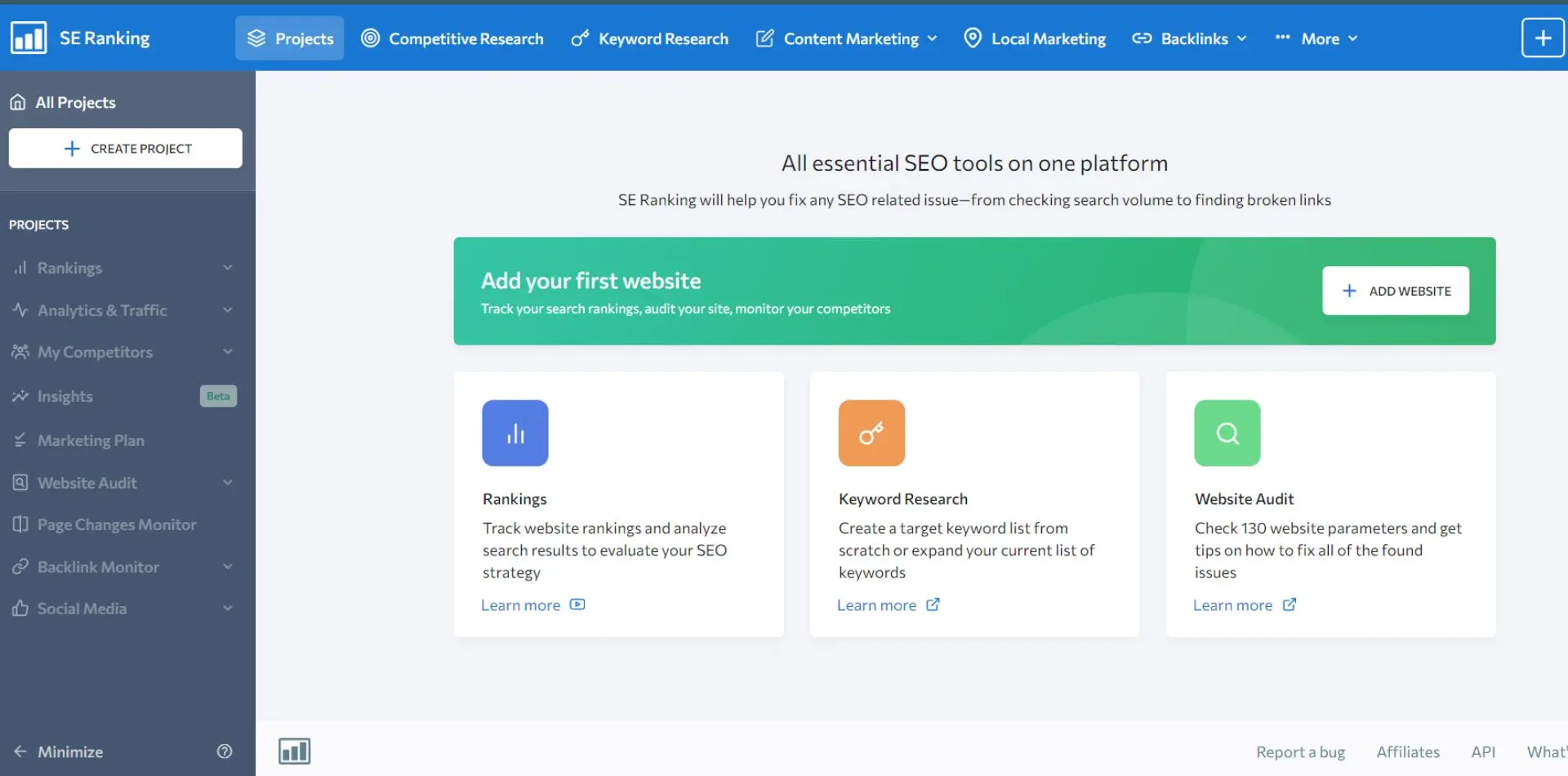
Features of Our Top Backlink SEO Tool
In today’s competitive digital landscape, having the right tools can make all the difference when it comes to building quality backlinks. Our SEO tool is designed with numerous features that specifically target backlink acquisition and optimization, helping you enhance your website’s authority and ranking potential.
Some of the standout features include:
- Comprehensive Backlink Analysis : Our tool provides in-depth analysis of your existing backlinks and those of your competitors. By understanding where your competitors are gaining their backlinks, you can identify opportunities for your own strategy.
- Link Quality Assessment : Not all backlinks are created equal. Our tool evaluates the quality of potential backlinks based on various metrics, including domain authority, relevance, and trustworthiness. This ensures you’re targeting high-quality sites for your backlinking efforts.
- Outreach Management : A strong outreach system is crucial for obtaining backlinks. Our tool allows you to manage your outreach campaigns, track your communication with potential link partners, and organize follow-ups in one unified platform.
- Keyword Tracking : This feature monitors the performance of specific keywords over time. Understanding which keywords are effective can help you create content that is more likely to attract backlinks.
- Competitor Backlink Gap Analysis : This insightful feature enables you to spot gaps in your backlink profile relative to your competitors. By identifying where your competitors are excelling, you can tailor your strategy to fill those gaps and boost your own visibility.
By utilizing these features, users can craft a well-rounded backlink strategy that strengthens their online presence.
Steps to Effectively Use Our SEO Tool
Getting started with our SEO tool is simple, but maximizing its potential requires a strategic approach. Here are the steps for effectively leveraging the tool to build quality backlinks:
- Set Up Your Dashboard : Upon logging in, set up your dashboard with pertinent information about your website and your competitors. The more context you provide, the more tailored your insights will be.
- Conduct a Backlink Audit : Use the backlink analysis feature to assess your current backlink profile. Identify weak or toxic backlinks that could be harming your SEO efforts and focus on disavowing them.
- Analyze Competitors : Dive into competitor analysis to understand which websites are linking to their content. Identify the high-quality sites that are relevant to your niche.
- Create High-Quality Content : Invest time in crafting valuable, shareable content that naturally attracts backlinks. When your content offers solutions, insights, or entertainment, it stands a better chance of being linked by others.
- Reach Out to Potential Link Partners : Use the outreach management feature to channel your efforts. Personalize your outreach pitches, clearly explaining why a link to your content would benefit their audience.
- Track Performance : Finally, make use of keyword tracking and performance monitoring features. Regularly review which backlinks yield results and adjust your strategies accordingly.
In conclusion, our SEO tool empowers you to build high-quality backlinks effectively. By taking advantage of its features and following dedicated steps in your backlink journey, you set your website up for greater visibility and authority in search engines. It’s about working smarter, not harder – and the right tools can significantly elevate your SEO game!
Monitoring and Analyzing Backlink Performance
Importance of Monitoring Backlink Performance
Once you’ve set your backlink strategy in motion and started to accumulate links, it’s crucial to monitor their performance consistently. Just like a gardener needs to regularly check on their plants to ensure they’re healthy, website owners must analyze the effectiveness of their backlinks to ensure they’re contributing positively to their SEO goals.
Here are some key reasons why monitoring backlink performance is essential:
- Understanding Link Impact : Not all backlinks will drive traffic equally. By analyzing which links generate the most referral traffic, you can understand what types of content or websites yield the best results.
- Identifying Toxic Backlinks : Over time, some links may prove detrimental to your site’s reputation. Regular monitoring helps detect low-quality or spammy backlinks that could lead to penalties from search engines.
- Optimizing Strategies : The digital landscape is always changing. By keeping a close eye on backlink performance, you can adjust your strategies based on emerging trends and data. This helps to enhance your overall SEO efforts.
- Measuring Authority Improvement : Monitoring backlinks allows you to track changes in your website’s authority over time. If you’ve recently gained high-quality backlinks and notice an increase in rankings, it’s a strong indication that your efforts are paying off.
Consider a personal anecdote: A small business owner dedicated several months to building backlinks. When they decided to analyze the performance of those links, they discovered that a particular guest blog post had significantly increased traffic to their site. They then prioritized creating more content for that blog, leading to a noticeable boost in their online visibility.
Tools for Analyzing Backlink Quality
With the importance of monitoring in mind, let’s explore some effective tools available for analyzing backlink quality. Each of these tools can provide insights that help refine your backlink strategy:
- Ahrefs : Known for its robust backlink analysis capabilities, Ahrefs allows users to see the entire backlink profile of their website. You can monitor link growth, view the anchors used, and even assess the quality of links with its domain rating metrics.
- SEMrush : This tool provides a comprehensive backlink analysis feature, enabling users to track the backlinks of their competitors, monitor toxic links, and explore link-building opportunities.
- Moz Link Explorer : This tool is ideal for assessing the quality and quantity of backlinks. Moz offers an easy-to-read metric called Domain Authority, which helps gauge how likely a site is to rank in search results.
- Majestic : Majestic focuses on link intelligence and offers insights into link context, trust flow, and citation flow. Its extensive database enables users to delve deep into backlink profiles for more thorough analyses.
- Google Search Console : While it may be less comprehensive than specialized tools, Google Search Console provides valuable insights into your backlinks, highlighting which sites are linking to yours and the anchor text used.
In conclusion, continually monitoring and analyzing backlink performance is critical for any SEO strategy. Utilizing the right tools can make this process streamlined and informative, helping website owners make data-driven decisions that enhance their online authority. With consistent efforts in monitoring and analysis, businesses can elevate their backlink strategies, ensuring they reap the maximum benefits from their link-building endeavors.
Best Practices for Backlink Building
Dos and Don’ts of Backlink Building
Building a robust backlink profile is an art that requires strategy and finesse. Navigating the dos and don’ts of backlink building can keep your efforts aligned with best practices while steering clear of potential pitfalls.
Dos:
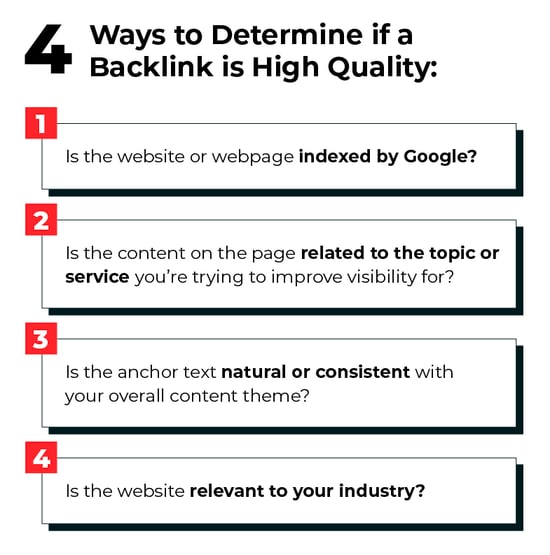
- Focus on Quality Over Quantity : It’s tempting to acquire as many backlinks as possible, but prioritize high-quality links from reputable sources. A few powerful backlinks can be more beneficial than hundreds of weaker ones.
- Create Valuable Content : When you produce high-quality, informative, or entertaining content, other sites are more likely to link back to you. Think of it as building relationships; strong content is a great conversation starter.
- Utilize Guest Blogging : Contributing guest posts to other blogs is an effective way to earn backlinks. Just be sure to select reputable sites relevant to your niche. This not only helps with backlinks but also establishes your authority.
- Network with Industry Influencers : Building relationships with influencers can lead to valuable backlinks. Engage with them on social media or comment on their blogs; a genuine connection can lead to link-sharing in the future.
Don’ts:
- Avoid Buying Links : Purchasing backlinks may seem like a quick fix, but it’s a risky move. Search engines often impose penalties for manipulated link schemes, which can hurt your rankings rather than help them.
- Don’t Rely on Spammy Techniques : Utilizing irrelevant forums or comment sections to spam links can damage your reputation. Instead, ensure your backlinks come from genuine, relevant sources.
- Overlook Anchor Text Variety : If you use the same anchor text over and over, it can appear unnatural to search engines. Mix it up with branded terms, synonyms, and long-tail phrases for a more organic link profile.
- Neglect Follow-Up : Once you’ve secured a backlink, don’t forget to monitor it! Sometimes links can go dormant or be removed. Regularly checking ensures your efforts remain effective.
By adhering to these dos and don’ts, you can navigate the complexities of backlink building effectively.
Strategies for Acquiring High-Quality Backlinks
Building a repertoire of high-quality backlinks requires thoughtful strategies tailored to attract the right audience. Here are some effective methods:
- Create Comprehensive Resources : Guidebooks, tutorials, or infographics are fantastic ways to attract attention and links. When other bloggers and websites refer to these resources, they can organically link back to yours as a helpful tool for their audience.
- Engage in Influencer Outreach : Craft personalized emails to influencers in your niche, sharing your work and suggesting it as a potential resource. A genuine recommendation from an influencer can drive significant traffic and valuable backlinks.
- Leverage Social Media : Share your content actively on social media, and engage with users who show interest. This can naturally lead to shares and, eventually, backlinks from other websites that find your content valuable.
- Conduct Interviews : Interviewing experts in your industry can create link opportunities. When you share the interviews, participants are often likely to link back to your site from their platforms, promoting your content further.
- Monitor Competitor Backlinks : Use tools like Ahrefs or SEMrush to analyze where your competitors are getting their backlinks. This can reveal opportunities where you could also earn backlinks by creating similar or superior content.
In summary, following the best practices for backlink building ensures you’re on the right track. By understanding the dos and don’ts, alongside employing effective strategies, you can cultivate a high-quality backlink profile that boosts your site’s authority and search engine rankings. Remember, building quality takes time, but the results can significantly enhance your online presence!