
Introduction
Importance of On-Page SEO Testing
In the digital landscape, where competition is fierce and trends shift rapidly, having an edge can make all the difference in ensuring a website’s visibility. One key approach to achieving this is through on-page SEO testing, which evaluates how well your individual web pages can rank in search engine results.
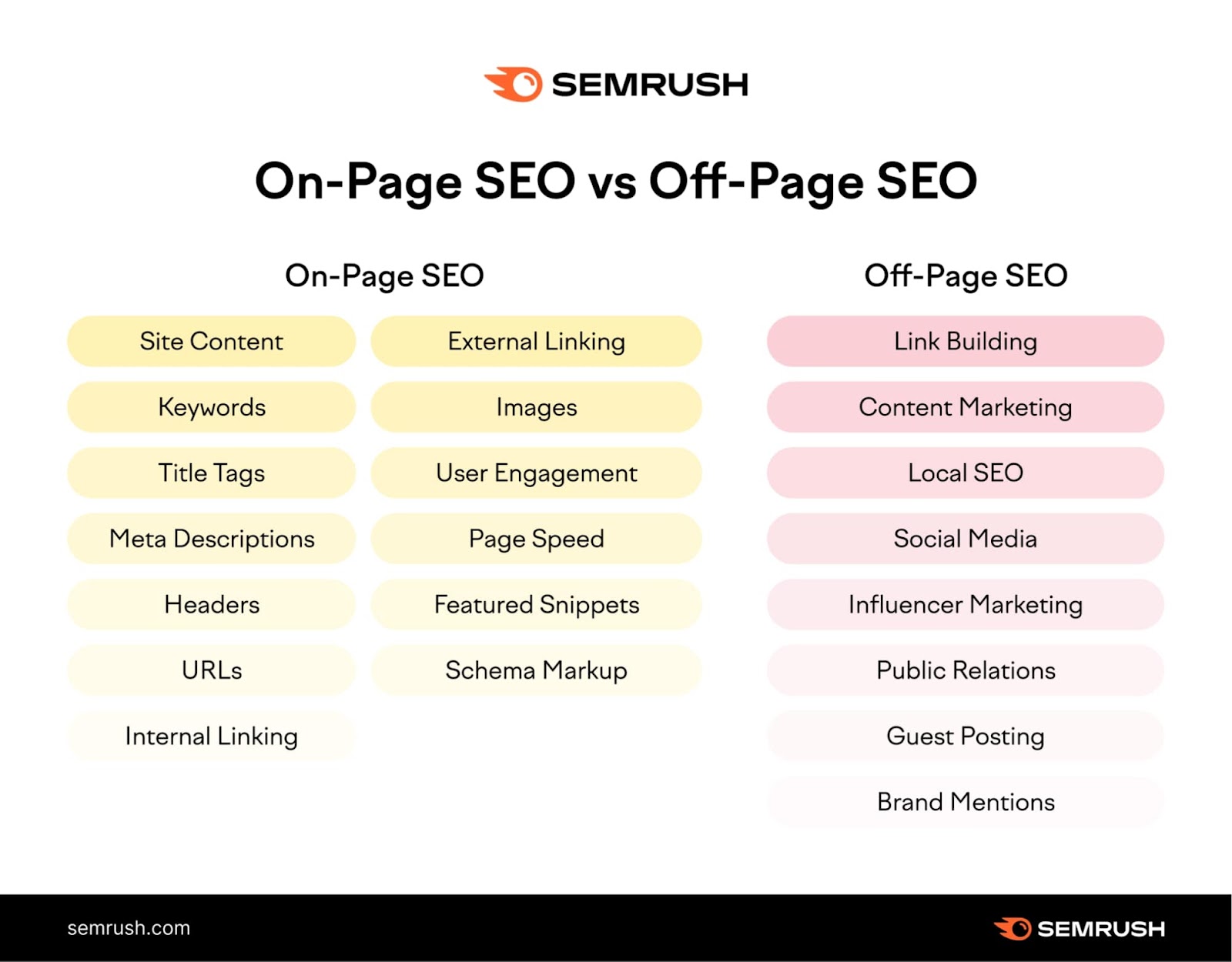
On-page SEO doesn’t just involve formatting your content with keywords; it encompasses a variety of elements, such as meta tags, headings, and backlinks. By testing these factors, businesses can discover what resonates best with their audience and enables them to refine their strategies. This process is crucial because search engines like Google are constantly changing their algorithms.
For example, a local bakery might find that including location-specific keywords boosts its visibility significantly. Through consistent on-page SEO testing, they can track which combinations of keywords, images, and headings drive the most traffic. This ongoing refinement ultimately enhances the user experience and leads to better engagement, fostering higher conversion rates.
The importance of conducting these tests becomes evident—without it, businesses may miss out on opportunities to captivate potential customers and obscure valuable insights that could steer their growth. From a broader perspective, effective on-page SEO contributes to the overall authority and credibility of a website, factors that search engines heavily weigh in their ranking algorithms.
Understanding the Basics
At its core, on-page SEO testing revolves around understanding the various elements that can influence a web page’s performance. These elements include:
- Content Quality : High-quality, relevant content attracts and retains visitors. It should answer user queries effectively and engage the audience.
- Keyword Optimization : Identifying and strategically placing keywords in titles, headers, and content is vital for searchability.
- Meta Tags : These HTML elements (like title tags and meta descriptions) help search engines understand the content of a page.
- Images : Properly optimized images not only improve user experience but also contribute to SEO with relevant alt text.
- Internal Linking : Linking to other pages within the site enhances navigation and helps distribute page authority.
It’s essential for businesses to grasp these fundamentals, as they lay the groundwork for more detailed SEO tests. For those feeling overwhelmed by the array of factors to consider, think of it like fine-tuning a musical instrument. Each adjustment can impact the overall harmony, just as each on-page element can influence rankings and user engagement.
By embracing on-page SEO testing and understanding its basic components, businesses can create a focused strategy that positions them better in search results. This proactive approach serves as a launchpad to delve deeper into practical testing methods and strategies that will be explored in later sections.

Setting Up On-Page SEO Tests
Choosing the Right Tools
Having established the importance of on-page SEO testing and the foundational elements involved, the next step is setting up these tests effectively. The bedrock of successful testing lies in choosing the right tools.
The market is saturated with various SEO tools, each offering unique features. Whether you’re a seasoned digital marketer or a small business owner, the right tools can simplify the testing process. Here are some popular options to consider:
- Google Analytics : This tool enables users to analyze website traffic and performance. Set up goals to track conversions and see how changes affect user behavior.
- SEMrush : Known for its robust reporting capabilities, SEMrush provides insights into keyword rankings, competitor analysis, and site audits, making it invaluable for testing on-page elements.
- Ahrefs : Great for backlink analysis, Ahrefs also offers features for keyword research and content exploration, allowing users to see what works for others in their niche.
By taking the time to familiarize oneself with these tools, businesses can streamline their testing process and gain deeper insights into their SEO performance. As an example, a local clothing boutique used SEMrush to analyze customer search behavior and discovered that optimizing their product descriptions not only increased traffic but also boosted sales by 30%.
Implementing Test Scenarios
Once the right tools are in place, it’s time to implement test scenarios that can provide actionable insights. Think of test scenarios as a structured way to assess different on-page elements’ effectiveness.
Here’s a simple approach to get started:
- Identify Key Areas to Test : Focus on aspects that are known to affect SEO and user engagement. Some crucial areas include:
- Title tags
- Meta descriptions
- Header tags
- Content length and quality
- Image optimization
- Create Hypotheses : Based on your observations or existing data, formulate hypotheses. For instance, “If I use a more engaging meta description, my click-through rate (CTR) will increase.”
- Run Controlled Tests : Adjust one variable at a time to isolate the impact. This might mean changing a single keyword in the title tag or tweaking the length of your meta description.
- Collect Data : Use your chosen tools to gather data. Monitor metrics like page views, bounce rates, and conversion rates before and after the changes to understand the impact fully.
- Analyze and Iterate : After collecting data for a predefined period, analyze the results against your initial hypotheses. Did the changes yield the expected results? If not, it may be time to experiment with different approaches.
Setting up on-page SEO tests is not just about making educated guesses; it’s about employing a systematic approach that encourages learning from every test scenario. This methodology allows businesses to refine their strategies continuously, enhancing their overall online presence. The iterative cycle of testing, analyzing, and adjusting creates a dynamic environment for improvement, ultimately leading to stronger SEO performance and better audience engagement.
Conducting On-Page SEO Experiments
A/B Testing for SEO
With the groundwork laid for implementing effective SEO testing, it’s time to roll up your sleeves and dive into the actual experimentation phase. One of the most popular methods for examining on-page elements is A/B testing, which involves comparing two versions of a web page to determine which performs better in terms of specific metrics.
In practice, A/B testing allows businesses to isolate individual changes and measure their impact. Here’s how to set up an A/B test effectively:
- Select One Variable to Test : This could be anything from a new headline, a different call-to-action button, or even varying content layouts. For example, an online bookstore might want to test two different headlines for a bestselling novel.
- Create Two Versions : Develop “Version A” (the control) and “Version B” (the variation). Ensure that everything else remains constant except for the element being tested.
- Divide Your Audience : Use your A/B testing tool to randomly split your web traffic between the two versions. This helps avoid biases in the results.
- Measure Performance : Identify the Key Performance Indicators (KPIs) you want to track, such as click-through rates or conversion rates. After a suitable testing period, review the data collected.
- Analyze Results and Decide : Review the data to see which version performed better. If “Version B” resulted in a higher click-through rate, consider implementing it as the new standard.
For instance, a SaaS company discovered that changing its homepage title from “Best Project Management Software” to “Streamline Your Team’s Workflow” led to a 25% increase in sign-ups. A/B testing has proven invaluable in optimizing that page’s performance.
Multivariate Testing Techniques
While A/B testing is fantastic for examining one variable at a time, multivariate testing takes things a step further, allowing testers to assess multiple variables simultaneously. This method is particularly useful when you want to understand how different elements interact with one another.
Here’s a simple breakdown of how to conduct multivariate testing:
- Identify Elements to Test : Choose several variables that you believe may impact performance. For example, in a signup form, consider testing different text for the submit button, as well as various headline options and background colors.
- Create Combinations : Unlike A/B testing, where you test one element by creating two versions, multivariate testing involves creating a combination of different versions. If you’re testing three different headlines and two button texts, you could end up with six different combinations.
- Segment Your Audience : Just as with A/B testing, segment your web traffic to fairly measure each combination’s effectiveness.
- Evaluate Results : After running the test for an appropriate time, analyze the performance of each combination to gauge which variant performed the best and why.
A successful example of multivariate testing can be seen in an e-commerce site that wanted to optimize its product pages. By testing different combinations of images, descriptions, and prices, they identified the perfect recipe that increased conversions by 40%.
Conducting on-page SEO experiments through A/B and multivariate testing can yield significant insights for businesses of all sizes. Not only do these methods provide data-driven evidence for making decisions, but they also foster a culture of continuous improvement. As SEO is an ever-evolving discipline, consistently refining web pages based on experimentation will lead to better user engagement and improved search rankings.

Analyzing Test Results
Interpretation of Data
With the experiments set up and conducted, the next critical step is analyzing the results. This phase is key, as it translates raw data into actionable insights that can guide future SEO strategies. At this stage, it’s wise to approach the data with a clear plan in mind.
First, take some time to organize your data using your chosen tools like Google Analytics or SEMrush. Here’s a simple framework to start with:
- Summarize Data : Create a summary of your tests, including key metrics such as:
- Click-through rates (CTR)
- Conversion rates
- Bounce rates
- Page loads and user retention time
- Visualize Results : Using graphs and charts can make complex data easier to digest. For instance, a line graph showing the change in CTR can reveal trends over time, making it clear how adjustments affected performance.
- Compare Against Baselines : Look over your findings in the context of your initial benchmarks. Did you see significant increases or decreases? For instance, if you tested a new meta description and found a 15% increase in CTR, it’s a clear win.
- Segment Your Data : Dive deeper by breaking down data by demographics, behavior, or traffic sources. Understanding who reacted positively to changes can inform future content and targeting efforts.
For example, a travel agency discovered that younger audiences responded better to vibrant imagery in their email campaigns, whereas older demographics preferred straightforward, text-based email communications.
Adjusting SEO Strategies
After interpreting the data, the next step is to adjust your SEO strategies based on your findings. This part is where the real magic happens, transforming insights into actionable plans.
- Optimize Based on Insights : If a specific change significantly improved performance, make it the new standard. Conversely, if another adjustment didn’t yield the desired results, consider rolling it back or tweaking it further.
- Iterate Regularly : SEO is not a one-time endeavor. Markets evolve, competitor strategies shift, and user expectations change. Set a regular schedule for revisiting your SEO tests to ensure your strategies remain relevant. For instance, a monthly review can help keep your content fresh and competitive.
- Experiment with New Changes : Use your interpreted data as a jumping-off point for new experiments. If users responded well to shortened product descriptions, consider testing different formats such as bulleted lists or infographics to communicate essential information succinctly.
- Document and Share Findings : Keep a record of what worked and what didn’t. Sharing these insights with your team not only promotes a culture of learning but also helps align all SEO efforts across departments. For example, a marketing team at a tech company regularly shares testing results in team meetings to ensure that sales, email campaigns, and social media strategies harmonize effectively based on what resonates best with audiences.
Analyzing test results is like holding a magnifying glass to the fine details of your online presence. By interpreting data accurately and adjusting SEO strategies accordingly, businesses can cultivate a well-informed approach that leads to sustained growth and enhanced user experiences. Through commitment to data-driven decisions, companies can navigate the ever-changing landscape of SEO, ensuring they stay ahead of the competition.
Advanced On-Page SEO Testing Tactics
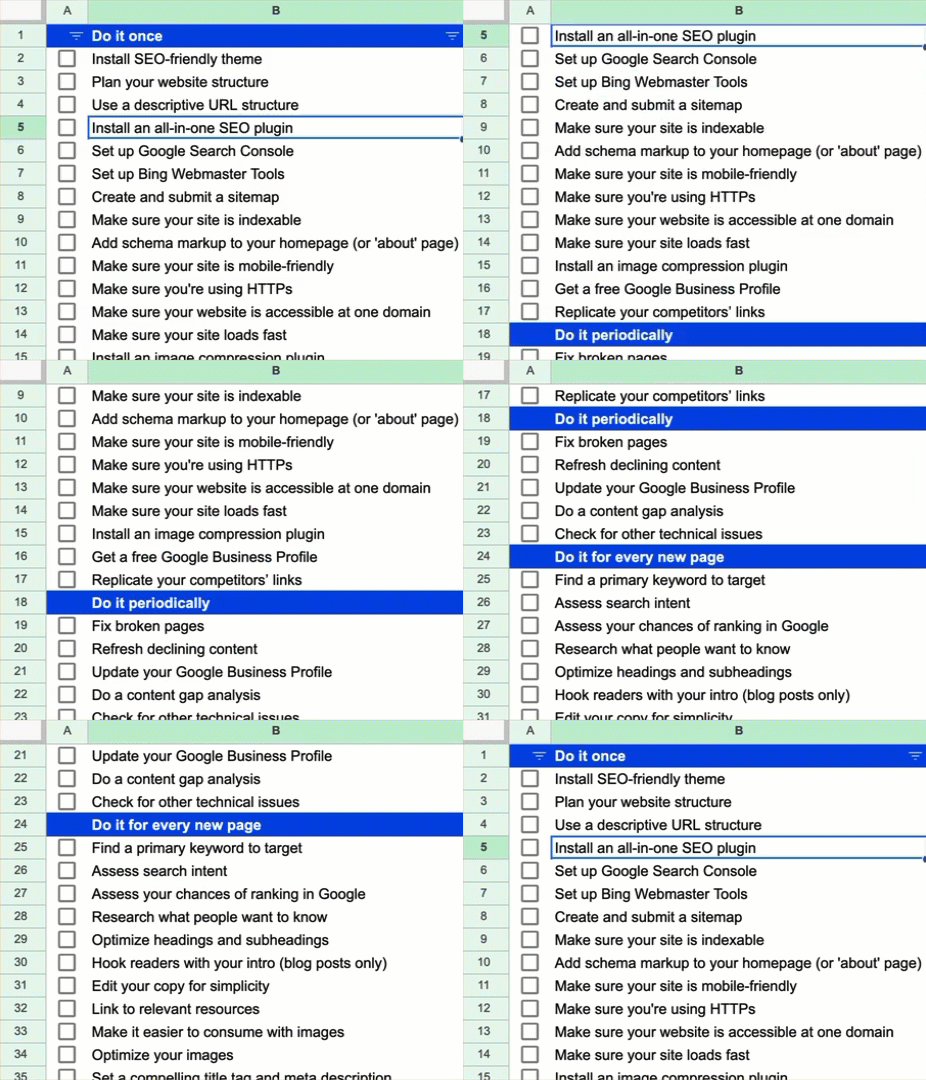
After delving into the mechanisms of A/B testing, multivariate testing, and data analysis, it’s time to explore advanced on-page SEO testing tactics. These strategies can elevate your SEO efforts, pushing the boundaries on what you thought was possible for your website’s performance.
Leveraging User Behavior Analytics
Understanding how users interact with your site is invaluable. By utilizing user behavior analytics tools, such as Hotjar or Crazy Egg, you can gain insights into how visitors navigate your pages.
- Heatmaps : These visual representations show where users click or hover the mouse, indicating which areas attract the most attention. By observing heatmaps, a blog about travel tips realized that users skipped over traditional navigation and focused on bold, engaging images. This led to a redesign that emphasized visual content.
- Session Recordings : Watching recordings of real user sessions can expose pain points in the user experience. Perhaps you’ll notice users hesitating at a specific form field, indicating it may need clearer instructions or a redesign.
By analyzing this data, you can make informed adjustments to optimize both user experience and SEO.
Conducting Advanced Keyword Testing
While traditional keyword testing is essential, advanced tactics can uncover deeper insights. Consider implementing the following approaches:
- Long-Tail Keyword Variations : Instead of focusing solely on high-traffic keywords, test variations of long-tail keywords that reflect a more niche audience. For example, an online pet store might test “best organic cat food” versus “organic dry cat food for sensitive stomachs”. The latter would likely attract a more targeted audience, leading to higher conversion rates.
- Semantic Search Optimization : With search engines evolving to understand context better than ever, optimize content based on user intent through related terms and phrases. Performing a content audit to identify opportunities for incorporating latent semantic indexing (LSI) keywords can enhance relevance and improve rankings.
Utilizing Schema Markup Testing
Implementing schema markup can significantly boost how your content appears in search results. Testing various formats of schema can provide insights into how they affect click-through rates and overall visibility.
- Rich Snippets : Experiment with different types of schema, such as FAQs or how-to schemas, to see which garners the most engagement. For instance, an educational site introduced FAQ schema and experienced a 20% increase in search traffic.
- Local Business Schema : For local businesses, ensuring that your NAP (Name, Address, Phone Number) details are in place and using schema can enhance local search visibility. Test the impact of adding local schema to your landing pages.
Continuous Integration of Feedback Loops
Lastly, establishing a feedback loop involving both data analysis and user feedback can create a robust SEO strategy. Invite users to leave comments or participate in surveys about their experience on your site.
- Use survey tools like Typeform to ask specific questions about usability and content relevance.
- Analyze qualitative feedback alongside your quantitative data to form a comprehensive strategy.
For example, a digital marketing agency implemented feedback forms after visitors downloaded their white papers. The collected insights helped them refine their content, resulting in a more engaging experience and a significant boost in lead generation.
In conclusion, the world of on-page SEO is vast and continually evolving. By adopting these advanced testing tactics, businesses can remain ahead of the curve, responding dynamically to user behavior and search engine intricacies. Ultimately, experimenting with innovative strategies will refine your approach and lead to sustained improvement in organic traffic and user engagement.