
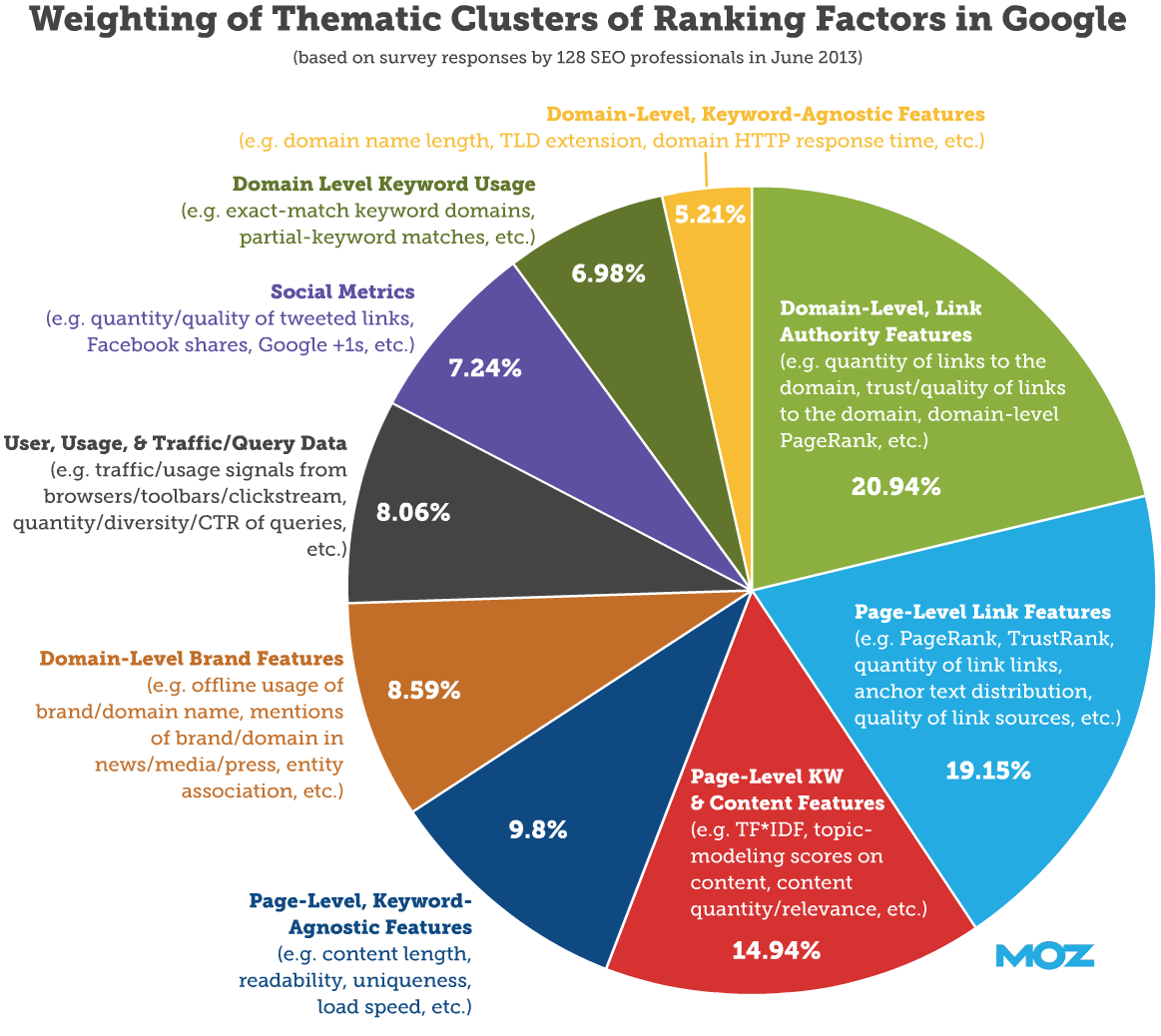
Understanding SEO Basics
What is SEO?
SEO, or Search Engine Optimization, is the practice of enhancing a website to improve its visibility on search engines like Google. By optimizing various components of a web page, including content, structure, and links, website owners can ensure that their site ranks higher in search results. The ultimate goal is to attract organic—or unpaid—traffic to a website.
Think of SEO as a lighthouse guiding potential visitors to your content amidst a sea of information. Just like any lighthouse, a well-optimized website will shine brighter, making it easier for users to find.
Why is SEO important for websites?
SEO is crucial for several reasons:
- Increases Visibility: A higher ranking means more eyes are on your site. The first position on Google receives nearly 30% of clicks!
- Builds Credibility: Users often trust search engine results, associating high rankings with reliability.
- Cost-Effective: Compared to paid advertising, SEO can deliver long-term results without continuous investment.
For instance, a local bakery that optimizes its website for SEO is more likely to appear in the top search results for “best pastries near me.” This organic traffic can lead to increased foot traffic and revenue.
In essence, mastering SEO not only enhances a website’s presence but also fosters trust and engagement with potential customers.

Keyword Research
Importance of keywords in SEO
Keywords are the cornerstone of SEO. They are the terms and phrases that potential visitors type into search engines when looking for information. By understanding and implementing the right keywords, website owners can connect with their target audience effectively.
Imagine you’re running an online store for handcrafted jewelry. If your website doesn’t include the keywords that customers are searching for, like “handmade silver earrings” or “unique gemstone bracelets,” you might miss out on valuable traffic.
Here are some key points to consider about the importance of keywords:
- Direct Traffic : Proper keywords drive users directly to your content.
- Relevance : They enhance the relevance of your content, ensuring it matches user intent.
- Competition Insight : Keywords can reveal what competitors are targeting, helping you find gaps in the market.
How to conduct keyword research effectively
Conducting effective keyword research involves several steps:
- Brainstorm Seed Keywords : Start with broad topics relevant to your site. For instance, think of terms like “jewelry” or “accessories.”
- Utilize Keyword Tools : Use tools like Google Keyword Planner, SEMrush, or Ahrefs to find related keywords and their search volume.
- Analyze Competitors : Look at similar websites to see which keywords they are using.
- Focus on Long-Tail Keywords : These are longer, more specific phrases (e.g., “where to buy eco-friendly jewelry”) that often have less competition but a higher conversion rate.
By following these steps, anyone, from beginners to pros, can discover how to align their content with what potential customers are actually searching for, setting the stage for increased traffic and engagement.

On-Page Optimization
Title tags and meta descriptions
On-page optimization is a pivotal element of SEO, and it all starts with title tags and meta descriptions. These two components serve as the first impression a search engine user has of your webpage. Think of them as the cover and blurb of a book; they must be compelling enough to entice readers to click.
- Title Tags : This is the clickable headline that appears in search results. It should ideally be around 60 characters long, include your primary keyword, and reflect the content accurately. For example, instead of using a generic title like “Our Products,” a more effective title would be “Handcrafted Jewelry – Unique Designs for Every Occasion.”
- Meta Descriptions : Although not a ranking factor, a well-crafted meta description can increase your click-through rate. It gives a brief summary of your page (up to 160 characters) and should contain action-oriented language. For instance, “Explore our handcrafted jewelry collection and find the perfect piece for your style!”
Heading tags and content optimization
Next up are heading tags, which help organize your content and improve readability. Using proper heading hierarchy (H1, H2, H3, etc.) not only enhances user experience but also aids search engines in understanding the structure of your content.
- H1 Tags : This is usually reserved for your main title and should contain your primary keyword.
- H2 and H3 Tags : Use these for subheadings to break up content into digestible sections. This makes it easier for readers to skim through your article.
When optimizing your content, ensure it remains relevant and engaging. Including keywords naturally throughout the text, providing valuable information, and incorporating multimedia elements like images or videos can significantly boost your page’s SEO performance. For instance, a blog on “Jewelry Care Tips” should seamlessly integrate keywords related to maintenance practices while providing clear, actionable advice.
Through these optimization techniques, you create a user-friendly environment that search engines will appreciate, thereby improving your website’s visibility.

Off-Page Optimization
Importance of backlinks
When it comes to off-page optimization, backlinks play a starring role. Essentially, a backlink is a hyperlink from another website that points to your site. Think of them as votes of confidence from other domains; the more quality backlinks you earn, the more credibility and authority your website gains in the eyes of search engines.
Backlinks not only enhance your site’s SEO but also drive direct traffic. For instance, if a popular blog in the jewelry niche links to your online store, you not only gain visibility from their audience, but you also signal to search engines that your content is trustworthy and relevant.
Here’s why backlinks are crucial:
- Improved Rankings : Search engines view backlinks as endorsements, elevating your site’s position in search results.
- Increased Referral Traffic : Quality backlinks lead to more visitors, potentially resulting in higher conversions and sales.
Strategies to build quality backlinks
Building quality backlinks doesn’t have to be daunting. Here are effective strategies to help you get started:
- Create Quality Content : Producing insightful, shareable content makes it more likely for others to link back to you. Think about informational guides or engaging blog posts.
- Guest Blogging : Writing articles for reputable sites in your niche can provide backlinks while establishing your authority.
- Engage with Your Community : Participate in forums or social media groups and share your expertise. When appropriate, include a link to relevant content on your site.
- Collaborate with Influencers : Working with influencers can broaden your reach. When they mention your products, it often leads to high-quality backlinks.
- Use Online Directories : Submitting your website to authoritative directories can give you valuable backlinks.
By adopting these strategies, you not only enhance your website’s authority but also foster meaningful relationships within your industry, positioning yourself as a go-to resource. This approach leads to lasting SEO benefits, significantly impacting your online presence.

Technical SEO
Site speed optimization
Shifting gears to technical SEO, site speed optimization is crucial for ensuring a seamless user experience. Imagine visiting a website, and it takes forever to load—frustrating, right? Research shows that a delay of just a few seconds can significantly increase bounce rates, meaning users will leave your site without engaging.
Key reasons why site speed matters:
- User Experience : Fast-loading pages lead to happier visitors who are more likely to explore your content.
- SEO Rankings : Google rewards faster sites with better rankings; speed is a confirmed ranking factor.
- Conversion Rates : Studies indicate that even a one-second delay can decrease conversions by up to 7%.
To optimize site speed, consider the following:
- Compress Images : Large images can slow down loading time. Use tools like TinyPNG or ImageOptim to reduce their size without losing quality.
- Leverage Browser Caching : This allows users to store some data locally, decreasing load times on repeat visits.
- Minimize Redirects : Each redirect creates additional HTTP requests, slowing down the site.
Mobile optimization
Following site speed, mobile optimization is non-negotiable in today’s world. With more users accessing websites via smartphones and tablets, ensuring your site is mobile-friendly can significantly impact your engagement metrics.
Consider these important aspects of mobile optimization:
- Responsive Design : Your website should automatically adjust to various screen sizes, offering an optimal viewing experience.
- Touch-Friendly Navigation : Buttons and links should be large enough for easy tapping without zooming in.
- Fast Loading Times : Mobile users often experience slower internet connections, highlighting the importance of site speed.
For example, while browsing for a local café on a smartphone, a well-optimized site that loads quickly and is easy to navigate can make all the difference; it can motivate the user to visit in person.
By enhancing site speed and embracing mobile optimization, you not only improve user satisfaction but also boost your search engine rankings, creating a holistic approach to technical SEO.

Content Strategy
Importance of quality content
As we dive into content strategy, it’s essential to recognize the importance of quality content in driving SEO success. Quality content isn’t just about filling a webpage with keywords; it’s about providing value to your audience.
Think about it: when you land on a website that offers useful, informative, engaging content, you’re more likely to stay longer, share it, or even return in the future. Here’s why quality content matters:
- User Engagement : Engaging content that resonates with your target audience keeps them on the site longer, reducing bounce rates.
- Building Trust : Quality content establishes credibility, making users more inclined to return for more information or make a purchase.
- Shareability : Compelling content encourages users to share it on social media, generating valuable backlinks and attracting new visitors.
How to create SEO-friendly content
Creating SEO-friendly content involves a combination of relevant keywords, structured formatting, and user-focused writing. Here are a few strategies to help you on this journey:
- Keyword Integration : Naturally incorporate your target keywords into your content without overstuffing. Aim for a keyword density of around 1-2%.
- Compelling Headlines : Craft catchy and descriptive titles that include your primary keywords. A great example could be “10 Essential Jewelry Care Tips for Lasting Shine.”
- Use Subheadings : Break up your content with relevant subheadings (H2, H3 tags) to enhance readability and aid in SEO.
- Multimedia Elements : Including images, infographics, or videos can make your content more engaging. Don’t forget to use alt tags with relevant keywords for these elements!
- Call to Action : Encourage readers to take the next step, whether that’s subscribing to a newsletter, sharing your article, or checking out your products.
By focusing on delivering quality content that serves your audience’s needs while implementing these SEO-friendly practices, you are setting the stage for increased visibility and engagement. This holistic approach to content strategy positions your website as a valuable resource in your niche.

Local SEO
Optimizing for local search
As you venture into local SEO, it’s essential to grasp how optimizing for local search differs from traditional SEO. When potential customers look for products or services in their area, they often use keywords that include location, such as “best coffee shop in Seattle” or “plumbing services near me.”
To effectively optimize for local search, consider the following strategies:
- Incorporate Local Keywords : Naturally weave location-based keywords into your content, meta descriptions, and title tags. For example, a jewelry store might use phrases like “handcrafted jewelry in Austin” to attract local clientele.
- Create Localized Content : Write blogs or resources that cater to local interests or events. Sharing insight on local craftsmanship or community events can greatly appeal to local customers.
- Leverage Local Citations : Ensure your business information is consistent across various online platforms (like Yelp, TripAdvisor, etc.) to enhance credibility in search results.
Google My Business Optimization
One of the most impactful tools for local SEO is Google My Business (GMB). This free tool allows businesses to manage their online presence across Google, including Search and Maps. A strong GMB listing can put your business on the map—literally!
To optimize your GMB listing:
- Complete Your Profile : Fill in all relevant information, including your business name, address, phone number, hours of operation, and website link. The more information you provide, the better!
- Add Photos : Include high-quality images of your products, store, and team. Visuals not only attract potential customers but also help establish your brand.
- Encourage Customer Reviews : Invite satisfied customers to leave positive reviews. Responding to reviews—whether they’re positive or negative—shows potential customers that you value their feedback.
- Post Regular Updates : Use the posts feature to share promotions, events, or news about your business. This keeps your listing fresh and engaging.
By optimizing for local search and harnessing the power of Google My Business, you’ll enhance your online visibility in your community, making it easier for potential customers to find and connect with your business.

Measuring SEO Success
Key performance indicators (KPIs)
After implementing various SEO strategies, measuring their effectiveness is essential to determine what’s working and what needs improvement. Key Performance Indicators (KPIs) serve as quantifiable metrics to evaluate your SEO success.
Here are some critical KPIs to monitor:
- Organic Traffic : Track the number of visitors arriving at your site via organic search. A steady increase suggests successful SEO efforts.
- Bounce Rate : This indicates the percentage of users who leave your site after viewing only one page. A high bounce rate might signal that your content isn’t meeting user expectations.
- Conversion Rate : Ultimately, your goal is to convert visitors into customers. Measure how many visitors take desired actions, such as making a purchase or signing up for a newsletter.
- Keyword Rankings : Keep an eye on how your target keywords are ranking on search engines over time. Improvements here can reflect effective optimization efforts.
Tools for tracking and analyzing SEO performance
To effectively measure these KPIs, various tools can help you analyze your SEO performance. Some popular options include:
- Google Analytics : This powerful platform tracks organic traffic, user behavior, and conversion rates. It offers insights that can help refine your SEO strategy.
- Google Search Console : This tool allows you to monitor search performance, including keyword rankings and impressions. It also helps identify potential issues, like crawl errors.
- SEMrush or Ahrefs : These comprehensive SEO tools provide detailed insights into keyword rankings, backlink data, and traffic analysis. They are invaluable for conducting competitive analysis.
Using these tools regularly can give you a clear picture of your SEO performance and help you make informed decisions. Monitoring your KPIs ensures you stay on track and continuously improve your online presence, ultimately leading to sustained growth and success.

SEO Updates and Trends
Staying current with algorithm changes
As the digital landscape continues to evolve, staying current with search engine algorithm changes is crucial for maintaining a successful SEO strategy. Search engines like Google frequently update their algorithms to improve user experience and the relevance of search results.
For example, the introduction of Core Web Vitals emphasized the importance of user experience metrics, including loading speed and interactivity. Ignoring these changes can place your website at a disadvantage.
To keep up with these algorithm changes, consider the following strategies:
- Follow SEO Experts : Subscribe to newsletters or blogs from recognized SEO authorities like Moz, Search Engine Journal, or Neil Patel. Their insights can help you understand the latest trends and updates.
- Join Online Communities : Engage in forums or social platforms dedicated to SEO. Participating in discussions can expose you to shared experiences and actionable tips.
- Regularly Review Analytics : Monitoring site performance can help you detect any downturns that may relate to algorithm changes, allowing for timely adjustments.
Emerging SEO trends for beginners to watch
As you navigate the world of SEO, being aware of emerging trends can set you apart from the competition. Here are a few key trends to keep an eye on:
- Voice Search Optimization : With the rise of smart speakers, optimizing for voice search with natural language and conversational phrases is becoming increasingly important.
- Video Content : Video continues to dominate online engagement. Incorporating video content into your strategy can improve user retention and enhance SEO.
- AI and Machine Learning : AI tools are transforming the way content is created and optimized. Understanding how to leverage AI and machine learning can streamline your SEO efforts significantly.
- User Experience (UX) : A strong focus on UX, including mobile optimization and intuitive navigation, will likely remain vital as users prioritize seamless experiences.
By staying informed about algorithm changes and leveraging emerging trends, you’ll not only ensure that your SEO strategy remains effective but will also build a solid foundation for long-term success in an ever-evolving digital environment.
Conclusion and Next Steps
Recap of key SEO strategies for beginners
As we wrap up this comprehensive journey through SEO, it’s crucial to recap the key strategies that beginners can implement to elevate their online presence. Whether you’re running a blog, an online store, or a local business, these strategies will serve as your SEO foundation:
- Understanding SEO Basics : Grasp what SEO is and why it’s essential for visibility.
- Keyword Research : Identify relevant keywords to attract targeted traffic.
- On-Page Optimization : Ensure your title tags, meta descriptions, and content structure are aligned for better rankings.
- Off-Page Optimization : Focus on building quality backlinks to increase your site’s authority.
- Technical SEO : Optimize site speed and ensure mobile-friendliness for improved user experience.
- Content Strategy : Create quality, engaging content that offers real value.
- Local SEO : Optimize for local searches and make the most of your Google My Business listing.
Tips for continued learning and growth in SEO
The SEO landscape is dynamic, so ongoing learning is essential for sustained success. Here are some tips to foster your growth:
- Set Up Regular Check-Ins : Monitor your website analytics monthly to track changes and adapt strategies accordingly.
- Join SEO Workshops/Webinars : Many organizations offer online courses tailored to all experience levels. Engaging in these can enhance your skills.
- Network with Peers : Join local or online SEO groups where you can exchange ideas, experiences, and resources.
- Experiment and Adapt : Don’t be afraid to try new tactics. SEO is often about trial and error, so keep testing different strategies to see what works best for you.
By integrating these strategies with a commitment to continued learning, you’ll be well-prepared to navigate the evolving landscape of SEO, enhancing your website’s visibility and success in the long run. Remember, SEO is not an instant process but a marathon—you’ll reap the rewards with patience and persistence!