
Understanding Moz Training Program
Overview of Moz Training Program
The Moz Training Program stands as a cornerstone for anyone looking to delve into the world of Search Engine Optimization (SEO). It offers a structured learning experience that encompasses a variety of topics essential for mastering SEO. Whether you are a seasoned digital marketer or just starting your journey, the program tailors to all levels.
Key features of the Moz Training Program include:
- Comprehensive Curriculum : Covering fundamentals to advanced strategies, the curriculum is rich in content and real-world applications.
- On-Demand Access : Learners can progress at their own pace, making it easier to fit into busy schedules.
- Expert Instruction : Training sessions are led by seasoned professionals who share valuable insights drawn from years of industry experience.
By incorporating hands-on exercises and practical scenarios, participants can apply what they learn immediately.
Importance of SEO Skills in Digital Marketing
In today’s digital landscape, having strong SEO skills is crucial for any marketer. Companies are continually seeking ways to enhance visibility and drive organic traffic. Here’s why SEO skills matter:
- Improved Online Presence : SEO effectively boosts a website’s ranking on search engine results pages (SERPs), leading to increased visibility.
- Cost-Effectiveness : Compared to PPC advertising, SEO offers a more sustainable long-term strategy for generating leads.
- Enhanced User Experience : Good SEO practices often enhance the overall user experience, resulting in higher engagement rates.
In personal experience, mastering SEO has opened numerous doors in my marketing career, allowing me to execute successful campaigns that directly contribute to my organization’s bottom line.
In conclusion, enrolling in the Moz Training Program not only equips individuals with the skills needed to thrive in digital marketing but also offers flexibility and expert guidance, crucial for navigating the ever-evolving SEO landscape.
Getting Started with Moz
Creating a Moz Account
Getting started with Moz is straightforward, beginning with the creation of a Moz account. This step is critical, as your account will serve as the gateway to powerful SEO tools and insights.
To create an account:
- Visit the Moz Website : Head to Moz.com and click on “Sign Up.”
- Choose a Plan : Moz offers various plans, including free trials; opt for one that fits your needs.
- Fill in Your Details : Enter your email, create a password, and provide any necessary information.
- Confirmation : Don’t forget to verify your email; this final step unlocks your access to all Moz features.
Personally, I found the registration process seamless, and within minutes, I was ready to dive into the Moz platform.
Navigating the Moz Dashboard
Once your account is set up, the next milestone is navigating the Moz dashboard. This central hub is user-friendly and designed for accessibility.
Key areas to explore on the dashboard include:
- Site Crawl : Analyze various aspects of your website’s health.
- Keyword Explorer : Discover new keywords and analyze their potential.
- Link Explorer : Check backlinks and monitor site authority.
With a little exploration, users will quickly find that the dashboard provides an intuitive layout, organizing essential tools effortlessly.
Setting Up Campaigns and Projects
Setting up campaigns and projects is where the real magic happens. It allows you to track SEO performance and implement strategies effectively.
To set up a campaign:
- Click on “Create New Campaign” : This option leads you to a wizard-like process.
- Input Website Details : Add your site’s URL and relevant information.
- Set Goals : Define what you want to achieve—higher rankings, increased traffic, or improved backlink profile.
- Save and Launch : Once everything looks good, save your campaign.
From my experience, having structured campaigns helps keep SEO efforts organized and measurable, contributing significantly to achieving set goals.
Transitioning from creating an account to setting up projects sets a solid foundation for leveraging Moz’s robust features, allowing users to cultivate their SEO proficiency effectively.
Mastering Moz Tools and Features
Utilizing Moz Keyword Explorer
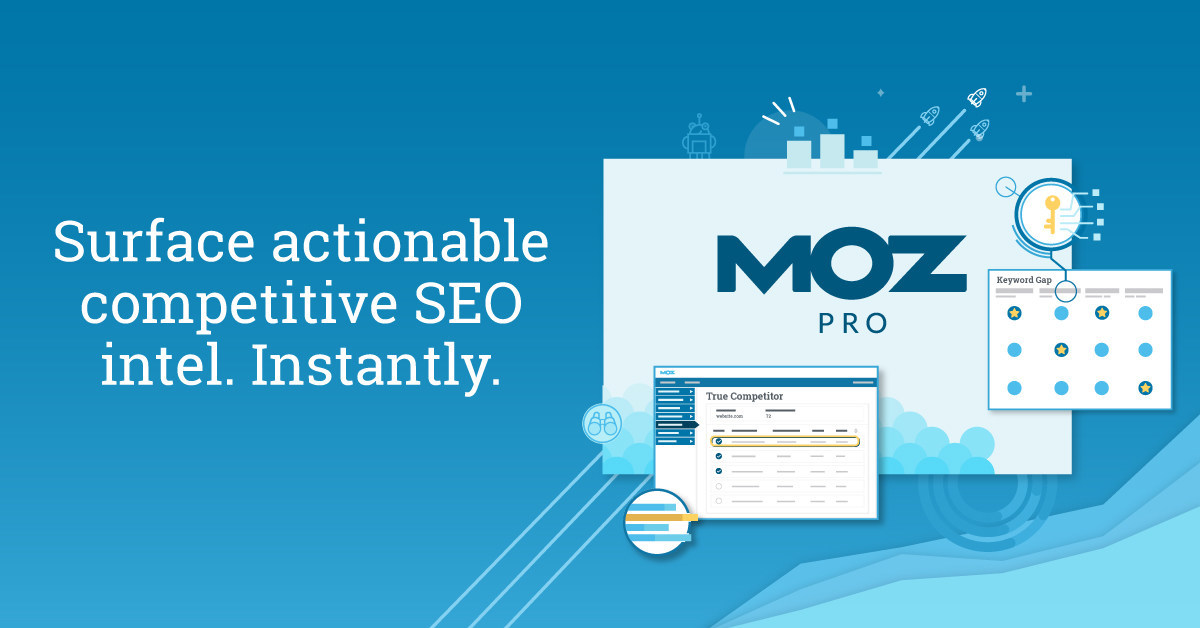
Now that users are familiar with creating an account and navigating the Moz dashboard, it’s time to dive into one of its most powerful features: the Moz Keyword Explorer. This tool is essential for anyone seeking to refine their SEO strategy by understanding which keywords resonate with their target audience.
Here’s how to effectively utilize the Keyword Explorer:
- Keyword Suggestions : Enter your primary idea, and Moz will provide a list of related keywords, including search volume and difficulty levels.
- Opportunity Insights : Analyze how often these keywords are searched and their potential to drive traffic.
- Grouping Keywords: Organize similar keywords into lists for easier tracking and campaign creation.
During my initial campaigns, the Keyword Explorer helped me discover high-potential long-tail keywords that significantly improved my search rankings in a competitive niche.
Analyzing Backlinks with Moz Pro
Backlinks are crucial for SEO success, and Moz Pro offers powerful tools to analyze them effectively.
Using Moz Pro, users can:
- Track Backlink Profile : Monitor all backlinks pointing to your site, seeing what domains link back and their respective authority.
- Disavow Toxic Links : Identify harmful backlinks and disavow them, protecting your site’s credibility.
- Competitor Analysis : Understand your competitors’ backlink strategies, revealing gaps and opportunities for your site.
I vividly remember a time when analyzing backlinks through Moz Pro led to unearthing several high-quality backlink opportunities, which boosted my site’s authority considerably.
Tracking Website Performance with Moz Analytics
Finally, tracking website performance is where Moz Analytics shines. This feature offers insightful reports that detail your site’s health and progress.
Key aspects of Moz Analytics include:
- Performance Metrics : Get details on keyword rankings, organic traffic, and site visibility.
- Custom Reports : Create tailored reports to present to stakeholders, showcasing SEO progress over specific periods.
- Actionable Insights : Understand what’s working and where adjustments are needed for continuous improvement.
For instance, tracking my performance with Moz Analytics allowed me to identify underperforming keywords. Armed with this data, I adjusted my content strategy, leading to marked improvements in traffic.
These Moz tools and features provide a comprehensive suite for mastering effective SEO strategies and optimizing online visibility, ensuring users can measure success and adapt accordingly.

Advanced SEO Strategies with Moz
Conducting On-Page Optimization
With a solid understanding of Moz tools, we can now shift our focus to advanced SEO strategies that can profoundly impact your website’s performance. One critical area is on-page optimization. This involves ensuring that each page on your site is optimized for both search engines and users.
Key aspects of on-page optimization include:
- Title Tags and Meta Descriptions : These elements should be compelling and include target keywords, as they are the first things users see in search results.
- Header Tags : Utilize H1, H2, and H3 tags to structure content, making it easier for search engines to understand.
- Content Quality : Focus on creating high-quality, relevant content that answers user queries effectively and naturally incorporates keywords.
During my own website revamp, implementing these strategies led to a significant increase in both traffic and user engagement, demonstrating the tangible impact of on-page optimization.
Implementing Off-Page SEO Techniques
While on-page SEO is crucial, off-page SEO techniques should not be overlooked. These strategies help build authority and enhance your site’s visibility through efforts beyond your direct control.
Consider the following off-page techniques:
- Backlink Building : Collaborate with industry influencers or guest post on reputable sites to earn valuable backlinks.
- Social Media Engagement : Share content across social platforms to drive traffic and enhance brand exposure.
- Online Directories : List your website in relevant online directories to improve visibility and credibility.
When I actively engaged in backlink building and outreach efforts, I witnessed a noticeable increase in my domain authority, which positively influenced my search rankings.
Leveraging Moz for Local SEO
Don’t forget about local SEO—especially vital for businesses targeting specific geographic areas. Moz has fantastic features that can enhance your local search presence.
Key local SEO strategies include:
- Optimizing Google My Business (GMB) : Ensure your GMB profile is complete and optimized with accurate information, business hours, and engaging images.
- Local Citations : Maintain consistent NAP (Name, Address, Phone Number) information across directories to improve local rankings.
- Managing Reviews : Encourage satisfied customers to leave positive reviews; respond to feedback to boost credibility.
Through leveraging Moz’s tools for tracking local keywords and analyzing local competition, I was able to enhance my local strategy, leading to increased foot traffic and inquiries.
Combining on-page, off-page, and local SEO strategies using Moz provides a comprehensive approach that can revolutionize your website’s search engine presence, drawing in targeted traffic and fostering business growth.
Measuring Success with Moz Metrics
Understanding MozRank and Domain Authority
As you refine your advanced SEO strategies, it becomes essential to measure their effectiveness. Moz provides invaluable metrics like MozRank and Domain Authority, helping you understand your website’s standing within the competitive SEO landscape.
- MozRank : This metric reflects the popularity of your website based on link data. A higher MozRank suggests greater link equity. It is calculated by examining both the quantity and quality of backlinks.
- Domain Authority (DA) : Ranging from 0 to 100, DA indicates your website’s likelihood of ranking in search engine results. The higher the DA, the stronger the site. It is critical for assessing how your site compares to competitors.
In my experience, monitoring these metrics regularly helped guide my link-building efforts, ultimately improving my overall rankings and visibility.
Interpreting Moz Reports
Once you understand these key metrics, the next step is interpreting Moz reports. Moz generates several reports, revealing insights into your website’s SEO performance.
Key reports include:
- Site Audit : Understand your site’s health by identifying issues like broken links and missing metadata.
- Keyword Rankings : Track specific keywords’ performance over time to see which efforts bear fruit.
- Link Profile : Analyze your backlinks, categorizing them as either strong or weak, enabling targeted optimization.
I vividly remember transforming my SEO approach after analyzing a Moz report, which highlighted underutilized keywords that propelled my content strategy further.
Monitoring Progress and Adjusting Strategies
Finally, consistent monitoring of these metrics allows for effective strategy adjustments. A good practice is to review reports monthly to assess progress.
When monitoring:
- Set Benchmarks : Define clear milestones for MozRank and DA to strive towards.
- Adjust Tactics : If a strategy isn’t yielding results, pivot quickly. For example, if a particular keyword isn’t driving traffic, re-evaluate your content or consider targeting related keywords instead.
Integrating insights from Moz into your ongoing SEO efforts enables adaptive strategies that can maximize success. Tracking progress and adjusting as necessary made a significant difference in my campaigns, generating substantial growth over time.
In conclusion, utilizing Moz metrics effectively will empower you to not only measure success but continuously enhance your SEO strategies for optimal performance.

Troubleshooting and FAQs
Common Challenges in Moz Training
As users embark on their journey through the Moz training program, they often encounter a few common challenges. Understanding these hurdles can ease the learning process and help users navigate the platform with confidence.
Some typical challenges include:
- Overwhelming Information : The wealth of data available can be intimidating. Beginners may feel lost amid various tools and metrics.
- Keyword Selection Confusion : Choosing the right keywords among many options can feel daunting. It’s essential to prioritize keywords based on relevance and potential traffic.
- Difficulty with Technical SEO : Some users may struggle with aspects of technical SEO, such as site audits or understanding page speed metrics.
In my early days with Moz, I faced similar barriers. When I felt overwhelmed by reports, I learned to focus on one metric at a time and gradually expanded my understanding.
FAQs about Moz Tools and Features
To further aid users, let’s address some frequently asked questions about Moz tools and features that can enhance the training experience:
- What is the difference between MozRank and Domain Authority?
MozRank measures link popularity, while Domain Authority predicts a site’s ranking potential based on various factors, including backlinks. - How often should I check my site’s analytics?
Regularly monitoring analytics every month allows you to see trends and adjust your strategies accordingly. - Can I use Moz for local SEO?
Absolutely! Moz provides tools specifically designed for optimizing local listings and targeting local keywords.
By understanding these challenges and FAQs, users can better utilize Moz to streamline their training and ensure they’re equipped to tackle SEO challenges head-on. With persistence and the right mindset, anyone can transform these initial challenges into stepping stones for success in SEO mastery.
Taking Your SEO Skills to the Next Level
Continuous Learning and Skill Development
With a solid foundation in Moz and your SEO strategies in place, it’s time to focus on continuous learning and skill development. The digital marketing landscape evolves rapidly, and staying ahead of the curve is crucial for sustained success.
Here are some steps to facilitate continuous learning:
- Enroll in Advanced Courses : Beyond Moz training, consider platforms like Coursera or Udemy for specialized SEO courses focusing on new trends or technologies.
- Follow Industry Blogs : Stay updated by subscribing to reputable SEO blogs such as Moz Blog, Search Engine Journal, and Backlinko for tips, case studies, and insights.
- Attend Webinars and Conferences : Engage with thought leaders in the industry through webinars or conferences where you can learn best practices and emerging trends firsthand.
In my personal journey, attending an SEO conference provided valuable networking opportunities and unveiled strategies that I immediately incorporated into my workflow, which accelerated my learning curve.
Networking and Community Engagement in Moz
Equally important is the role of networking and community engagement in advancing your SEO skills. Moz offers a robust community that fosters collaboration and support among users.
Consider these avenues for engagement:
- Join Moz Community Forums : Participate in discussions, ask questions, and share insights on Moz’s forums to connect with like-minded individuals.
- Follow Influencers on Social Media : Connect with SEO experts on platforms like Twitter or LinkedIn to learn about their experiences and gain tips from their expertise.
- Engage in Local Meetups : Look for local digital marketing groups or SEO meetups that allow for face-to-face interactions and deeper connections.
I remember how participating in a local SEO meetup not only expanded my professional network but also provided me with practical insights from fellow marketers facing similar challenges.
By committing to continuous learning and actively engaging with the Moz community and wider SEO network, you’ll enhance your skills and uncover new opportunities for growth. Elevating your SEO capabilities is a journey, and leveraging these resources will undoubtedly propel you toward even greater success.
: Join forums or communities to share your work and get constructive feedback, helping you refine your strategies further.
- Set Personal Goals : Create specific, measurable goals for your SEO projects so you can track your progress and celebrate your successes.
In my own journey, setting quarterly SEO goals helped chart a clear path and provide motivation. Each small win reinforced my confidence and commitment to continuous improvement.
In summary, the Moz training program offers an outstanding foundation for developing SEO skills, but the real magic happens when you actively engage in ongoing learning and application. As you take those next steps, remember that growth in SEO is a marathon, not a sprint. Embrace the challenges and be proactive in the ever-evolving world of digital marketing; your efforts will pay off in the long run. Happy optimizing!