
Understanding SEO Courses by Google
Overview of Google’s SEO Courses
For anyone looking to enhance their understanding of search engine optimization, Google offers a variety of insightful SEO courses that cater to different skill levels. These online courses are designed to provide learners with the knowledge and skills necessary to improve their website’s visibility in search engines.
Google’s courses typically cover crucial topics such as keyword research, site structure, and content optimization. Each course is structured to facilitate self-paced learning, which means that users can progress through the materials at their convenience.
Participants benefit from a comprehensive curriculum that includes:
- Video tutorials : Engaging content presented by industry experts.
- Interactive quizzes : To reinforce learning and assess comprehension.
- Practical assignments : Helping learners apply what they’ve learned to real-world scenarios.
This structured approach makes Google’s SEO courses a great resource for both beginners and experienced marketers alike.
Benefits of Enrolling in Google’s SEO Courses
Enrolling in Google’s SEO courses not only enhances your SEO knowledge but also opens up a multitude of opportunities for professional growth. Here are some key benefits to consider:
- Industry Recognition : Google is synonymous with search, and certification from their courses carries significant weight in the job market.
- Comprehensive Learning : The courses cover a wide range of topics, allowing learners to build a well-rounded understanding of SEO practices.
- Free of Cost : Many of these courses are offered for free, making high-quality education accessible to everyone.
- Skill Development : As the digital landscape continually evolves, staying updated with the latest SEO techniques is crucial. Google’s courses are regularly updated to reflect new trends and algorithm changes.
- Networking Opportunities : Engaging with fellow learners can lead to valuable connections in the digital marketing community.
Personal stories abound regarding individuals who have catapulted their careers after completing Google’s SEO courses. For example, a small business owner transformed their online presence and dramatically increased traffic after applying the SEO techniques learned in these courses.
This combination of hands-on learning, industry credibility, and professional growth opportunities makes Google’s SEO courses an invaluable asset for anyone interested in mastering search engine optimization.
Fundamentals of SEO
Importance of SEO for Websites
Understanding the fundamentals of SEO is vital for anyone aiming to create or manage a successful website. At its core, SEO, or search engine optimization, plays an essential role in driving organic traffic, which directly influences a site’s visibility and overall success in the digital ecosystem. If a website isn’t optimized for search engines, it may as well be invisible to potential visitors.
Consider this: imagine you have a stunning website with amazing content, but it’s like a beautifully designed store located in a hidden alley, far from your target audience. SEO helps in relocating that store to a busy intersection where it can be easily found. Here’s why SEO is so important:
- Increased Visibility : A higher ranking in search engine results means more people can find your site.
- Credibility and Trust : Users tend to trust websites that appear on the first page of search results. SEO builds that credibility.
- Better User Experience : SEO involves improving the usability of your site, making it more user-friendly, which keeps visitors coming back.
- Cost-Effective Marketing : Unlike paid advertising, organic traffic from effective SEO strategies is essentially free over time.
Basic Concepts of Search Engine Optimization
Now that we’ve highlighted its importance, let’s delve into some basic concepts that form the backbone of SEO.
- Keywords : These are the terms users type into search engines. Understanding your target audience’s keywords is crucial in optimizing your content.
- On-Page SEO : This involves optimizing elements on your website, such as headings, meta descriptions, and internal links, to enhance relevance to search queries.
- Off-Page SEO : This encompasses actions taken outside of your website, like backlinking, social media engagement, and influencer outreach, all crucial for building authority.
- Technical SEO : This focuses on backend optimization such as site speed, mobile responsiveness, and secure connections (HTTPS) to improve crawlability and user experience.
For instance, when a friend of mine started blogging about travel, she quickly learned that incorporating specific keywords related to her adventures made a significant difference in attracting visitors. By embracing these fundamentals, SEO became the lifeline for her and numerous others in reaching wider audiences.
In summary, the importance of SEO cannot be overstated. It’s the foundation upon which a successful online presence is built. Understanding the basic concepts equips individuals and businesses to navigate the complexities of SEO effectively.
Advanced SEO Techniques
On-Page Optimization Strategies
Having grasped the fundamentals of SEO, it’s time to explore advanced techniques that can significantly elevate your website’s performance. One crucial area to focus on is on-page optimization. This refers to the methods employed directly on your web pages to enhance their search engine rankings.
Here are some effective on-page optimization strategies:
- Quality Content Creation : Craft content that is not only informative but also engaging. Google rewards sites that provide value to their users. For instance, when I revamped my blog with in-depth guides and storytelling, I noticed a surge in traffic and reader engagement.
- Meta Tags : Don’t overlook title tags and meta descriptions. These snippets should be concise, compelling, and use relevant keywords. A well-written title can make all the difference in click-through rates.
- Header Tags (H1, H2, H3) : Utilize header tags to structure your content logically. This not only helps with readability but also signals to search engines the hierarchy of information.
- Image Optimization : Use descriptive file names and alt text for images to improve load times and accessibility. This practice also gives search engines context about the content.
- Internal Linking : Create a web of links between your own pages. This enhances navigation for users and promotes the value of your other content, which can also boost rankings.
Off-Page SEO Tactics for Improved Ranking
While on-page optimization is essential, off-page SEO tactics play an equally critical role in improving a site’s authority and ranking. These strategies focus on actions taken outside of your website.
Consider these effective off-page SEO techniques:
- Backlink Building : Acquiring backlinks from reputable sites is one of the most significant factors in search engine algorithms. You might write guest posts or participate in collaborations to earn these links.
- Social Media Engagement : Strengthening your social media presence can help drive traffic back to your site. Active engagement fosters community and increases the likelihood of link sharing.
- Influencer Partnerships : Connect with influencers in your niche. Their endorsement can amplify your reach and lead to valuable backlinks.
- Online Reviews : Encourage satisfied customers to leave positive reviews. This enhances your brand’s credibility and can positively influence rankings.
A colleague of mine recently implemented an aggressive link-building strategy by guest posting on popular industry blogs, resulting in a remarkable increase in domain authority and organic traffic.
In conclusion, mastering both on-page and off-page SEO techniques is essential for any website seeking to improve its search engine ranking and visibility. As these advanced strategies come into play, they create a comprehensive approach that can lead to long-term success.

Analyzing Google Algorithms
Understanding Google’s Algorithm Updates
As you venture deeper into the world of SEO, one aspect that demands attention is understanding Google’s algorithms and their frequent updates. Google’s search algorithms are a complex set of rules and data that dictate how web pages rank for specific queries. These algorithms undergo numerous updates, often leading to significant shifts in rankings.
Why is it essential to stay informed about these updates? Each adjustment is designed to enhance user experience, ensuring that high-quality, relevant content rises to the top. Here are a few notable updates you may want to familiarize yourself with:
- Panda Update : This focuses on content quality and aimed to penalize sites with thin or duplicate content while rewarding high-quality material.
- Penguin Update : This update targets over-optimized links and manipulative link-building tactics. Sites with natural link profiles benefited from this change.
- Hummingbird Update : This introduced semantic search capabilities, allowing Google to understand search intent better and match content accordingly.
Staying updated with these changes can feel overwhelming, but it’s critical for maintaining or improving your website’s search visibility.
Adapting SEO Strategies to Algorithm Changes
Once you have a grasp of these updates, the next step is adapting your SEO strategies accordingly. Here are some effective ways to remain agile in the ever-changing landscape:
- Regular Audits : Performing regular SEO audits helps identify areas of weakness and optimize your content strategy continually. I often run audits to detect issues and adjust my approach swiftly.
- Content Quality Over Quantity : Focus on creating rich, informative content that genuinely serves the user’s needs. This aligns with Google’s preference for high-quality material post-Panda update.
- Diversified Link Building : Instead of relying solely on one method (like guest blogging), mix it up with social sharing, collaborations, and reputable directory listings to build a more natural backlink profile in response to Penguin’s guidance.
- User Experience (UX) : Prioritize user experience by ensuring your site is mobile-friendly, loads quickly, and is easy to navigate. Hummingbird and its emphasis on semantics mean that user intent and experience are paramount.
For instance, after a significant algorithm update, a friend noticed a drop in his traffic. By reevaluating his content and shifting his focus towards more user-centric material, he not only regained his rankings but saw a boost in overall engagement.
In conclusion, understanding and adapting to Google’s algorithm updates is crucial for any SEO strategy. By remaining informed and flexible, businesses can thrive even through significant changes, ensuring long-term success in the digital realm.

Practical Implementation
Applying SEO Techniques to Website Content
After grasping advanced SEO strategies and the nuances of Google algorithms, the next logical step is the practical implementation of these techniques to your website’s content. This is where the rubber meets the road, and it’s essential to apply your knowledge effectively to reap the benefits of improved search engine visibility.
To begin, here are some actionable steps for applying SEO techniques to website content:
- Keyword Integration : Identify relevant keywords through research tools like Google Keyword Planner or SEMrush, and naturally incorporate them into your headings, subheadings, and throughout your content.
- Content Optimization : Ensure your content is not only keyword-rich but also addresses user intent. Engaging storytelling can keep users interested. When I added personal anecdotes to my blog posts, I noticed a significant increase in time spent on the page.
- Readability : Use short paragraphs and bullet points to enhance readability. Tools like Hemingway Editor can help clean up your writing for better clarity.
- Internal and External Links : Embed internal links to other relevant pages on your website and include a few authoritative external links. This practice improves your site’s SEO score and offers further reading to users, enhancing their experience.
- Image Alt Text : When uploading images, don’t forget to include descriptive alt text. This helps with SEO and improves accessibility for visually impaired users.
Tracking and Analyzing SEO Performance
Implementing these techniques is only the beginning. To ensure your strategies are working, tracking and analyzing SEO performance is crucial. Here are some tools and methods to effectively monitor your site’s SEO health:
- Google Analytics : This free tool provides comprehensive data on traffic sources, user behavior, and audience demographics. Reviewing this information helps uncover which content performs best.
- Google Search Console : Use this tool to monitor search performance and stay updated on your site’s visibility in SERPs. It also alerts you to any issues that may affect your rankings.
- SEO Audits : Regular SEO audits can help identify any gaps or technical errors. Tools like Ahrefs and Moz offer user-friendly platforms for conducting audits and monitoring your website’s health.
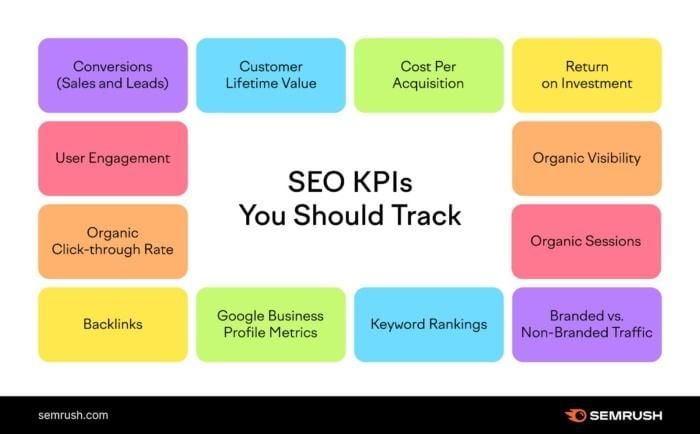
- Key Performance Indicators (KPIs) : Track important metrics such as organic traffic growth, bounce rate, and conversion rates. Establishing KPIs allows you to measure success clearly.
For example, after integrating tracking methods, a colleague of mine realized his blog posts on health tips were driving significant traffic. He redirected his efforts to create more content around that topic, which drastically increased both engagement and conversions.
In summary, practical implementation is about taking the knowledge you’ve acquired and putting it into action. By applying SEO techniques effectively and continuously monitoring performance, you can ensure your website remains competitive and successfully meets your audience’s needs.
Certification and Recognition
Obtaining Certification from Google’s SEO Courses
As you dive into the world of SEO and hone your skills, obtaining a certification from Google’s SEO courses can be a game-changer. These certifications not only affirm your knowledge but also provide tangible proof of your expertise. The process is straightforward and designed to enhance your learning experience.
To obtain certification, here’s a step-by-step approach:
- Choose the Right Course : Google offers several SEO-related courses, many of them available for free. Pick one that aligns with your current skill level and career goals.
- Complete the Course Material : Engage with the videos, written content, and quizzes. Take your time to absorb the information—don’t rush! Many learners, myself included, find that revisiting certain modules helps solidify understanding.
- Pass the Exam : After finishing the course, you’ll typically need to pass a certification exam. These exams test your knowledge comprehensively. A proactive study method, inclusive of practical examples, can make this process smoother.
- Receive Your Certification : Once you pass, you’ll receive a digital certificate that you can share on your LinkedIn profile or resume. This credential can significantly boost your professional credibility.
Leveraging Certification for Career Advancement
After obtaining your certification, the next crucial step is to leverage it effectively for your career advancement. Having a Google SEO certification on your resume can set you apart from the competition. Here’s how to make the most of it:
- Update Your Resume and LinkedIn : Clearly list your certification on professional platforms. Use keywords associated with SEO to increase your chances of being found by potential employers.
- Network : Joining SEO-related groups or forums can help you connect with industry professionals. Sharing your certification achievements can open doors to conversations and opportunities.
- Showcase Skills in Interviews : When interviewing for SEO roles, highlight your Google certification. Share how the knowledge gained from the courses has equipped you with the practical skills needed for the job.
- Freelance Opportunities : Consider offering your services as an SEO consultant or freelancer. With a Google certification, you’ll likely attract more clients looking for credible experts.
For instance, a friend who recently obtained her certification was able to transition from a traditional marketing role into a dedicated SEO position, resulting in a significant salary increase and job satisfaction.
In conclusion, obtaining certification from Google’s SEO courses is not just about increasing your knowledge; it’s about creating opportunities for career growth. By effectively leveraging this credential, you can establish your expertise in an increasingly competitive digital landscape.