

Understanding SEO Basics
What is SEO?
Search Engine Optimization, commonly known as SEO, refers to the practice of enhancing a website’s visibility on search engines like Google. The primary aim of SEO is to drive organic traffic to a site by ensuring it ranks high on search engine results pages (SERPs).
To break it down simply:
- Keywords : The terms or phrases users type into search engines.
- Content : The valuable information provided on your website.
- Links : Referrals from other websites that contribute to your site’s authority.
Imagine you’re a bookstore owner. If someone searches for “best mystery novels,” you want your shop’s website to pop up on the first page. This is where effective SEO strategies come into play!
Importance of SEO for Websites
SEO is more than just a buzzword; it’s a fundamental aspect of online marketing that can make or break your website’s success. Here’s why:
- Increased Visibility : With proper SEO techniques, your website can appear on the coveted first page of search results. Studies show that over 70% of users rarely go past the first page!
- Targeted Traffic : By optimizing for specific keywords, you attract visitors genuinely interested in your products or services.
- Credibility and Trust : Websites that rank high often gain more trust from users, making them more likely to convert into customers.
- Cost-Effectiveness : Unlike paid advertisements, organic traffic through SEO is free. It’s a long-term investment that pays off over time.
In essence, understanding and implementing SEO is key to navigating the digital landscape effectively. It’s not just about getting seen; it’s about connecting with the right audience in a meaningful way.
On-Page Optimization
After grasping the fundamentals of SEO, it’s crucial to dive into on-page optimization, a vital component for improving your website’s performance. On-page optimization focuses on elements within your website to enhance your rankings and user experience. Let’s explore key aspects.
Keyword Research
Keyword research is the backbone of on-page optimization. This process involves identifying which keywords potential customers are entering into search engines. Here’s how to get started:
- Tools : Utilize resources like Google Keyword Planner or SEMrush to discover relevant keywords.
- Long-tail Keywords: Targeting more specific phrases (e.g., “eco-friendly mystery novels”) can be beneficial as they often have less competition.
Personal tip: Once I began incorporating long-tail keywords in my content, I noticed a significant increase in traffic from users ready to make a purchase!
Content Optimization
Once you’ve identified your keywords, it’s time to weave them into your content naturally. Quality content that matches user intent can boost your rankings. Here’s what to consider:
- Quality Over Quantity : Ensure your content is informative and engaging. Aim for a minimum of 1,000 words on topics that warrant depth.
- Incorporate Keywords : Use your primary keyword in the title, headings, and throughout the content, but avoid keyword stuffing.
Engagement is key; ask questions, share stories, or include anecdotes to resonate with your audience.
Meta Tags and Descriptions
Finally, don’t underestimate the power of meta tags and descriptions.
- Title Tag : This should include your primary keyword and be under 60 characters.
- Meta Description : Write a compelling summary of your page, keeping it under 160 characters. This is what users see in search results, so make it enticing!
By carefully optimizing these areas, you’re setting up your website not only for search engines but also for prospective customers looking for information relevant to them. This attention to detail can lead to higher engagement and better rankings in the long run.
Off-Page Optimization
Transitioning from on-page optimization, it’s essential to explore off-page optimization, which significantly contributes to your website’s authority and credibility. Unlike on-page factors, off-page optimization focuses on strategies that occur outside your website, aiming to boost your site’s reputation across the web.
Link Building
Link building is a cornerstone of off-page SEO. It involves obtaining hyperlinks from other websites to your own, which signals to search engines that your content is valuable and trustworthy. Here are some strategies to get started:
- Quality Over Quantity : Aim for backlinks from high-authority sites in your niche. A single link from a reputable blog can often be more valuable than multiple links from lesser-known sources.
- Create Shareable Content : Craft engaging and informative content that others will want to share. Infographics, how-to guides, and original research often attract links organically.
In my experience, I found that after publishing an insightful industry report, several leading blogs referenced my findings, significantly boosting my site’s traffic and authority.
Social Media Signals
While social media doesn’t directly affect your rankings, it plays an essential role in off-page optimization. When your content gets shared on social platforms, it increases visibility and can lead to more backlinks. Here are some tips:
- Engagement : Encourage followers to share your content. Engaging posts lead to more likes, shares, and comments, which can amplify your reach.
- Visibility : Share links to your blog posts in relevant groups or forums to attract a wider audience.
Guest Blogging
Guest blogging is another effective technique to enhance your off-page SEO. By writing for other websites, you can showcase your expertise and link back to your site. Consider these points:
- Choose Relevant Blogs : Look for blogs in your niche that accept guest posts. This ensures your audience is aligned with your target market.
- Quality Content : Write high-quality articles. A well-crafted piece not only drives traffic back to your site but also builds your credibility.
Through these strategies, off-page optimization can significantly enhance your website’s performance in search engines, establishing a strong online presence. Implementing these techniques can lead to organic growth and a more engaged audience.

Technical SEO
Following our exploration of off-page optimization, it’s crucial to turn our attention to technical SEO, which deals with the backend of your website. Technical SEO ensures that your site is optimized for crawling and indexing by search engines, providing a solid foundation for all your optimization efforts.
Website Speed and Performance
One of the most critical aspects of technical SEO is website speed. A fast-loading site not only improves user experience but also influences rankings. Research indicates that a delay of just a few seconds can increase bounce rates significantly. Here are a few tips to enhance your site speed:
- Optimize Images : Large image files can slow down your site. Use tools like TinyPNG to compress images without losing quality.
- Minimize HTTP Requests : Reduce the number of elements on your page; this means fewer HTTP requests, which can speed up loading times.
- Use a Content Delivery Network (CDN) : A CDN can distribute your content globally, allowing users to access data from servers that are geographically closer to them.
Mobile-Friendly Design
As mobile usage continues to soar, having a mobile-friendly design is no longer optional. Google prioritizes mobile-first indexing, which means it considers the mobile version of your site for rankings. To ensure your site is mobile-friendly, consider:
- Responsive Design : Implement a responsive theme that automatically adjusts to different screen sizes.
- Touch-Friendly Elements : Ensure buttons and links are easy to tap on mobile devices to enhance user experience.
My site experienced a tremendous increase in mobile traffic after making it mobile-responsive, proving the importance of this element.
Site Structure and Navigation
A well-structured site not only makes it easier for search engines to crawl your content but also enhances visitor navigation. Here’s what to keep in mind:
- Simple Navigation : Use clear menus and logical categories. Aim for a hierarchy that allows users to find relevant information easily.
- Internal Linking : Use internal links to guide visitors to related content. This not only keeps users engaged but also helps search engines understand your site structure.
By focusing on these technical SEO aspects, you create a smoother user experience and enable search engines to better index your site, setting your website up for long-term success.

Local SEO
After discussing technical SEO, it’s time to delve into local SEO, which is crucial for businesses looking to attract customers from specific geographical locations. By optimizing for local search, businesses can improve their visibility in local searches, ensuring they reach potential customers in their area.
Google My Business
One of the most powerful tools for local SEO is Google My Business (GMB). This free tool allows businesses to manage their online presence across Google, including search and maps. Here’s how to make the most of GMB:
- Complete Your Profile : Ensure all information, such as address, phone number, and website URL, is accurate. This makes it easier for potential customers to find you.
- Add Photos : High-quality images can make your listing more appealing. Consider adding photos of your storefront, products, and team.
From personal experience, after fully optimizing my GMB profile, I noticed a significant uptick in foot traffic, with people mentioning they found my business through Google Maps.
Local Citations
Local citations refer to mentions of your business’s name, address, and phone number (NAP) on various online platforms. These citations help improve your local search visibility. Here’s how to enhance your local citations:
- Ensure Consistency : Your NAP information should be consistent across all online directories to avoid confusion.
- Submit to Local Directories : Getting listed in local directories such as Yelp and Angie’s List can boost your credibility and help local customers find you.
Customer Reviews
Customer reviews play a critical role in local SEO. They not only enhance your online reputation but also influence search engine rankings. Here are some tips for managing reviews:
- Encourage Feedback : After a purchase, politely ask customers to leave a review. A friendly reminder can go a long way.
- Respond to Reviews : Take the time to respond to both positive and negative reviews. This interaction shows that you value customer feedback.
In conclusion, focusing on local SEO is essential for businesses aiming to grow within their communities. By optimizing your Google My Business profile, ensuring consistent local citations, and actively managing customer reviews, you can significantly enhance your local presence and attract more customers.
Measuring SEO Success
Having discussed local SEO strategies, it’s essential to understand how to measure the success of your SEO efforts. Without proper measurement, it’s challenging to know what works and where improvements are needed. In this section, we’ll explore key tools and metrics to track your SEO journey effectively.
Google Analytics
Google Analytics is an indispensable tool for anyone serious about measuring SEO success. This free service provides insights into how users interact with your website. Here’s what to focus on:
- User Behavior : Track metrics like session duration and page views to see how engaging your content is.
- Traffic Sources : Analyze where your visitors are coming from—be it organic search, social media, or direct traffic.
In my experience, after diving into Google Analytics, I discovered that a particular blog post was outperforming others. This insight allowed me to create more similar content, driving even more traffic.
Key Performance Indicators
Establishing Key Performance Indicators (KPIs) is crucial for the long-term success of your SEO strategy. Here are some KPIs to monitor:
- Organic Traffic : Measure the number of visitors coming from search engines.
- Conversion Rate : Track how many of those visitors are completing desired actions, such as signing up for a newsletter or making a purchase.
- Bounce Rate : A high bounce rate might indicate that visitors aren’t finding what they’re looking for.
Setting specific, measurable goals tied to these KPIs can provide clearer insight into your overall SEO effectiveness.
SEO Tools for Analysis
Additionally, there are several SEO tools that can aid in tracking and analyzing your performance:
- SEMrush or Ahrefs : Both tools offer comprehensive metrics including keyword rankings and backlinks.
- Moz : Great for tracking domain authority and on-page SEO.
Leveraging these tools can provide a holistic view of your SEO performance, making it easier to pivot your strategy as needed. By consistently measuring your results through Google Analytics, KPIs, and dedicated SEO tools, you can ensure that your efforts yield the best possible outcomes, guiding you toward continuous improvement and online success.
Advanced SEO Techniques
Having established a solid understanding of measuring SEO success, it’s time to dive into advanced SEO techniques that can elevate your website’s visibility. The digital landscape is constantly evolving, and adapting to these changes can give you a competitive edge.
Voice Search Optimization
With the rise of smart devices and virtual assistants like Siri and Alexa, voice search has become increasingly prevalent. Optimizing for voice search is essential for staying relevant. Here are some strategies to consider:
- Conversational Keywords : People tend to use natural language when using voice search. Instead of focusing solely on short, generic keywords, consider long-tail phrases and questions (e.g., “Where can I find the best coffee shop nearby?”).
- Mobile Optimization : Ensure that your website is mobile-friendly, as most voice searches occur on mobile devices.
I noticed a bump in traffic when I incorporated long-tail keywords into my content, directly catering to how users verbally ask questions.
Featured Snippets
Featured snippets are those concise answers that appear at the top of Google’s search results, and optimizing for them can significantly boost your visibility. Here’s how to aim for a featured snippet:
- Answer Questions : Identify common questions in your niche and provide clear, concise answers. Bullet points or numbered lists often work well.
- Use Header Tags : Structure your content with proper headings to help search engines identify key sections.
My blog saw a substantial increase in click-through rates after successfully capturing a featured snippet, which directly led to more visitors.
Schema Markup
Schema markup is a powerful tool for enhancing your website’s rich snippets in search results. It helps search engines understand your content better, potentially leading to higher rankings. To implement schema markup:
- Use Tools : Online tools like Google’s Structured Data Markup Helper can guide you through the process.
- Choose the Right Schema : Depending on your business type, there are various schema types, from articles to local businesses and products.
Incorporating schema markup not only aids in SEO but can also enhance click-through rates as visually appealing rich snippets stand out more in search results.
By embracing these advanced SEO techniques—voice search optimization, featured snippets, and schema markup—you can effectively position your website at the forefront of search engine results and stay ahead in this dynamic digital world.
SEO Trends and Updates
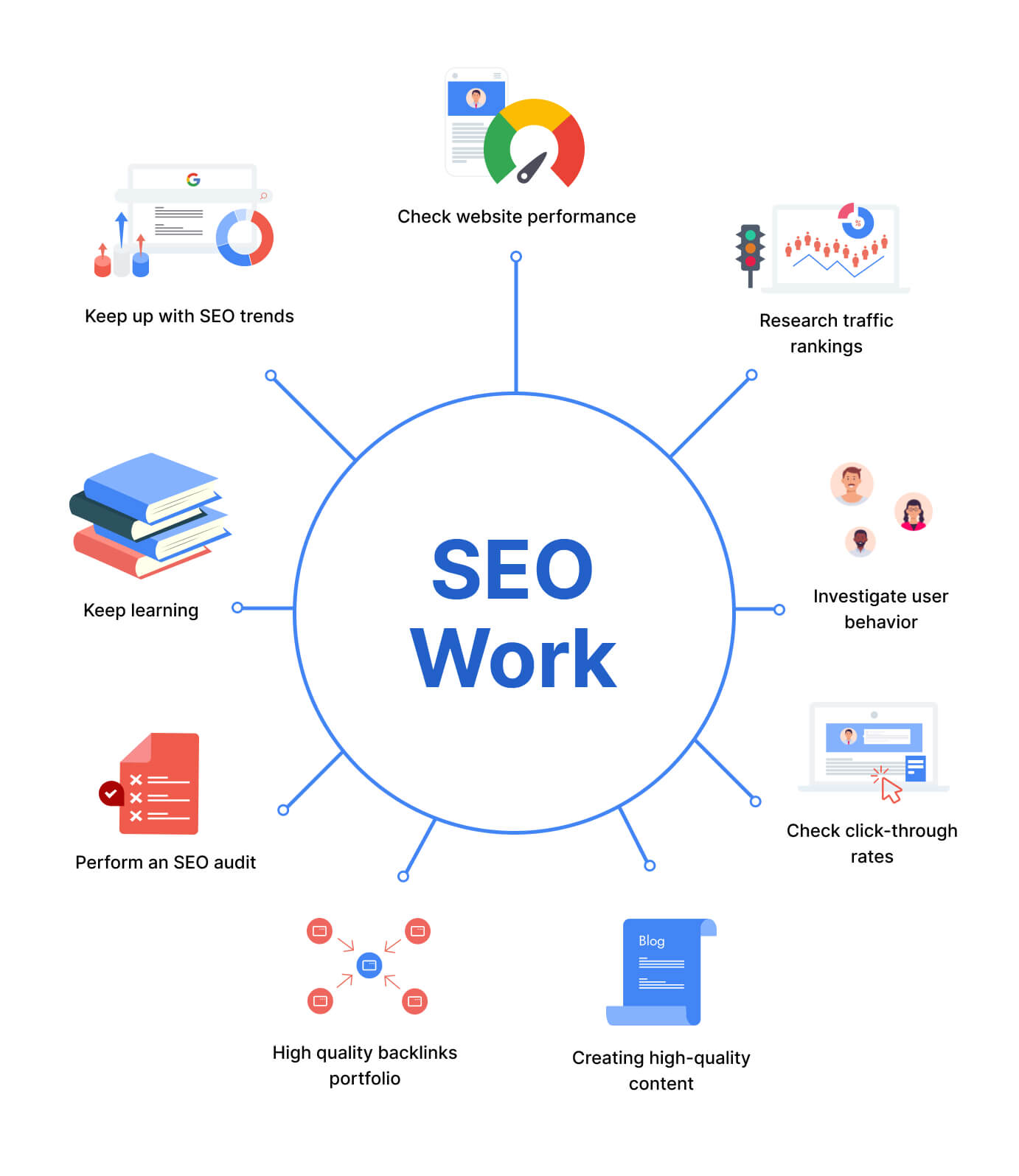
As we continuously evolve our strategies with advanced techniques, it’s crucial to stay informed about the latest SEO trends and updates that could impact your ongoing efforts. The digital landscape is ever-changing, and awareness of these changes can aid in securing ongoing success.
Algorithm Changes
Search engine algorithms are regularly updated to enhance user experience and search result relevance. For those involved in SEO, keeping an eye on these changes is vital. Here are a few key points to remember:
- Stay Updated : Follow reliable SEO news sources, such as Moz or Search Engine Land, to stay informed about algorithm changes.
- Focus on Quality Content : Recent updates put a greater emphasis on high-quality, user-focused content. Creating content that meets user needs and intent should always be a priority.
I once scrambled to adjust my strategy after Google’s Core Update, which focused on content quality. By quickly refining my content, I maintained my rankings and even saw improvements.
Voice and Visual Search
Voice and visual search are becoming increasingly integrated into everyday search behavior. This presents new opportunities for optimization, such as:
- Optimize for Natural Language : Align your keywords and content with the way people verbally ask questions. This can help enhance visibility in voice search results.
- Visual Content : Utilize images, infographics, and videos—content that appeals to users visually and can be optimized for image searches.
Since implementing these strategies, I’ve seen a marked increase in visits from visually-driven search queries.
E-A-T and YMYL Guidelines
The concepts of E-A-T (Expertise, Authoritativeness, Trustworthiness) and YMYL (Your Money or Your Life) are essential considerations for SEO. Content that falls under the YMYL category—like health, finance, or legal advice—requires higher standards of E-A-T. Here’s what to consider:
- Showcase Credentials : For YMYL content, ensuring that your authors have the proper credentials and expertise is critical.
- Build Authoritative Backlinks : Seek backlinks from authoritative sites in your niche to bolster trustworthiness.
Understanding and implementing E-A-T guidelines has helped improve both my website’s authority and ranking for sensitive content.
By staying abreast of algorithm changes, adapting to the rise of voice and visual search, and ensuring compliance with E-A-T and YMYL guidelines, you can adapt to the ever-evolving SEO landscape. Keeping these trends in mind not only safeguards your current rankings but also positions your website for future success.