

Introduction
Importance of Keywords in SEO
Keywords serve as the fundamental building blocks of Search Engine Optimization (SEO). Imagine cruising down a busy highway; keywords are the signposts guiding your audience toward your destination—your content. They are the phrases and terms potential customers type into search engines when looking for products or services. Using the right keywords ensures your website is visible to those seeking what you offer.
Think about it: if you own a bakery in your local town, you’ll want keywords like “fresh bread in [Your Town]” or “best cupcakes near me.” Incorporating relevant keywords into your content, meta descriptions, and headings can significantly impact your search rankings. Furthermore, it helps you connect with your audience by addressing their specific needs or queries.
Here are some critical points regarding the role of keywords in SEO:
- Visibility: Keywords enhance the chances of appearing on the first page of search results.
- Relevance: They ensure your content meets user intent, thereby ensuring that visitors find what they are actually looking for.
- Traffic generation: Well-optimized keywords drive organic traffic to your website, increasing potential leads and conversions.
Overview of Competitor Analysis
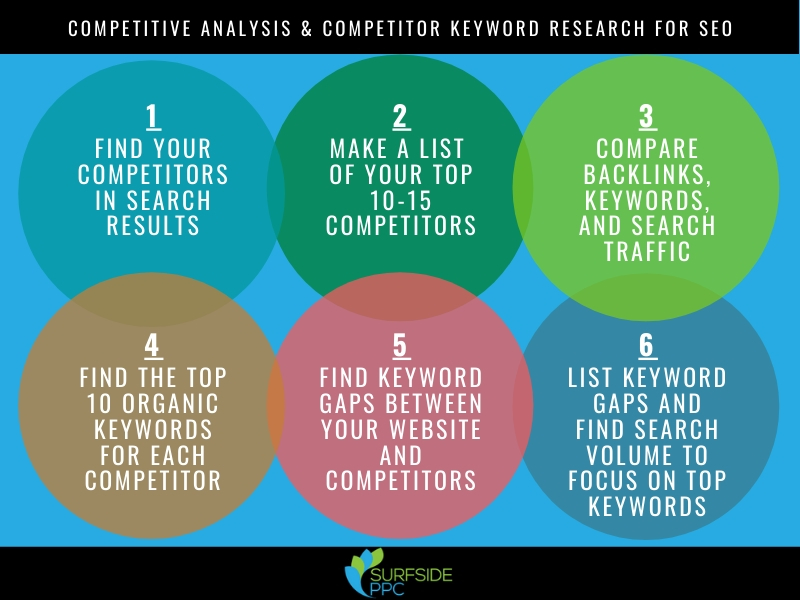
Just like a seasoned athlete studies their competitors’ plays, businesses need to analyze their competitors to refine their SEO strategies. Competitor analysis involves evaluating what other businesses in your niche are doing effectively. This scrutiny can expose gaps in your strategy and indicate opportunities for improvement.
Consider this: if your competitor ranks higher for certain keywords, understanding which keywords they’re targeting, their content strategy, and backlink profiles can provide invaluable insights.
Key steps in competitor analysis include:
- Identifying direct competitors: Recognize who you’re up against in the online market.
- Evaluating keyword performance: Examine which keywords drive traffic to their sites.
- Tracking content approach: Notice how they present their content and what seems to engage their audience.
By harnessing the insights gained from a thorough competitor analysis, businesses can sharpen their SEO tactics and carve out a competitive edge.
Understanding Keywords
Types of Keywords
When diving into the realm of SEO, understanding the various types of keywords is crucial. Each type serves a different purpose in enhancing visibility and targeting the right audience. There are generally three primary categories:
- Short-Tail Keywords: These consist of one or two words and are broad in nature. For example, “shoes” is a short-tail keyword that captures a wide audience but lacks specificity.
- Long-Tail Keywords: These consist of three or more words, providing a more precise query. For example, “best running shoes for flat feet” targets a very specific audience.
- Branded Keywords: These include the name of a brand or company, such as “Nike sneakers.” They help capture searches specifically related to certain brands.
By understanding these categories, businesses can tailor their SEO strategies to attract the right users at the right time.
Long-Tail vs. Short-Tail Keywords
Choosing between long-tail and short-tail keywords can significantly impact your SEO game plan. Short-tail keywords might seem appealing due to their high search volume, but they also come with fierce competition. Picture a crowded downtown street filled with shops; everyone is vying for attention.
On the other hand, long-tail keywords may attract fewer searches, yet they often lead to higher conversion rates. This is because users searching with specific phrases typically know what they want. For instance, a search for “affordable summer dresses” indicates more intent than simply “dresses.”
In summary, balancing both types in your keyword strategy is vital:
- Short-Tail Keywords:
- Higher search volume
- Greater competition
- Useful for brand awareness
- Long-Tail Keywords:
- Lower search volume
- Less competition
- Higher conversion potential
By blending these keywords, businesses can create a strategically effective approach that captures a broad audience while also appealing to niche markets.
Conducting Competitor Analysis
Identifying Competitors
Having a strong grasp of your competitors is a foundational step in refining your SEO strategy. Identifying competitors isn’t just about knowing who is in the same industry—it’s about understanding who is vying for the same audience.
Begin by asking yourself:
- Which companies offer similar products or services? For example, if you run an organic skincare line, both boutique brands and larger companies selling similar products are your competitors.
- Who appears in your search results? Conduct a quick Google search for your target keywords and see which businesses consistently appear. These are key players in your niche.
- Have you looked at geographical competition? Sometimes, competitors may target specific regions. If your business is local, understanding who is operating in your town or city can give you an edge.
Identifying your competitors is just the tip of the iceberg; understanding their strategies will set you up for success.
Tools for Competitor Analysis
Once you’ve identified your competitors, the next step is leveraging various tools to gather insights about their SEO strategies. Here are some tried-and-true tools that can provide essential data:
- SEMrush: This comprehensive tool allows you to analyze competitors’ organic search positions, keyword strategies, and even paid ad campaigns. Think of it as a window into their toolkit.
- Ahrefs: Known for its backlink analysis, Ahrefs helps you uncover the link building tactics your competitors are employing. This can guide your own outreach efforts.
- Moz: Particularly user-friendly for beginners, Moz offers insights into domain authority, keyword rankings, and on-page SEO tactics.
- SpyFu: As the name suggests, this tool lets you spy on competitors’ keyword strategies—both paid and organic.
By utilizing these tools, businesses can effectively navigate the competitive landscape and carve out their unique strategies while learning from others’ successes and shortcomings. Insights derived from competitor analysis pave the way for smarter, data-driven decisions in the ever-changing world of SEO.
Choosing the Right Keywords
Relevance to Your Business
When it comes to SEO, choosing the right keywords is like picking the right ingredients for a recipe. The perfect keyword can enhance the flavor of your content, making it more appealing to your audience. A keyword needs to be relevant not only to your products and services but also to the intent behind your customers’ searches.
Start by asking yourself these critical questions:
- What are the primary services or products you offer? Ensure that the keywords chosen accurately reflect what you provide. For a company offering eco-friendly cleaning products, keywords like “green cleaning solutions” or “sustainable household cleaners” could be effective.
- Who is your target audience? Knowing your customers helps tailor the keywords to match what they would search for. For instance, if you cater to busy professionals, phrases like “quick healthy meals” might resonate more than just “meal recipes.”
- What questions do your customers typically ask? Using keyword tools can help identify common queries related to your business, providing inspiration for content and key phrases.
Search Volume and Competition Analysis
Once you have pinpointed your relevant keywords, it’s essential to analyze both search volume and competition. It’s all about striking a balance—aiming for keywords with substantial search volume while keeping an eye on competition levels.
Consider the following points:
- Search Volume: This indicates how many people are searching for a specific keyword. A high search volume indicates potential traffic but also higher competition.
- Competition Analysis: Tools like Google Keyword Planner or SEMrush can provide data on how many other businesses are also targeting your selected keywords. High competition means you’ll need to incorporate unique strategies to stand out, while low competition may offer easier ranking opportunities.
- Long-Tail Keywords: Don’t overlook long-tail keywords, which often have lower search volumes but can lead to higher conversion rates due to their specificity and lower competition. For instance, “organic baby shampoo for sensitive skin” instead of just “baby shampoo.”
Ultimately, the right keywords should resonate with your audience and align with their search intent, giving you a greater chance of ranking higher in search results. A well-researched keyword strategy not only drives traffic but also converts visitors into loyal customers.
Implementing Keywords Strategically
On-Page Optimization
Once you’ve chosen the right keywords, the next step is to implement them strategically through on-page optimization. This technique consists of optimizing individual pages on your website to rank higher and earn relevant traffic. Think of on-page optimization as fine-tuning a musical instrument; making the right adjustments can result in a beautiful melody, or in this case, increased visibility.
Here are some crucial areas to focus on:
- Title Tags: Position your primary keyword at the beginning of the title tag. For example, instead of “Amazing Baking Recipes,” use “Baking Recipes for Beginners: Easy to Follow.”
- Meta Descriptions: These should provide a succinct summary of your content while incorporating your target keywords. Though meta descriptions don’t directly impact rankings, they can affect click-through rates.
- Header Tags: Use headings (H1, H2, H3) to structure your content, making it easier for both users and search engines to understand. Naturally integrate keywords into these headers without forcing them.
- Content: Aim to create high-quality content that integrates keywords naturally while addressing user intent. Aim for a keyword density of around 1-2% to avoid keyword stuffing.
- Alt Text for Images: Incorporate keywords in the alt text of images to improve accessibility and provide context to search engines.
Off-Page Optimization
While on-page optimization is vital, off-page optimization plays a significant role in establishing your site’s credibility and authority. This involves all activities performed outside of your website that influence your search rankings.
Consider these strategies for effective off-page optimization:
- Link Building: Earning backlinks from reputable websites enhances your authority. Guest posting, partnerships, and sharing relevant content on social media can increase visibility and attract quality backlinks.
- Social Media Engagement: Actively promoting your content on social media platforms can drive traffic to your site and build brand awareness, which indirectly contributes to your SEO efforts.
- Online Reputation Management: Encourage positive reviews and engagement on platforms such as Yelp or Google My Business. A strong reputation can improve trust and, in turn, your rankings.
- Influencer Collaborations: Partnering with influencers in your industry can expose your brand to a broader audience, resulting in potential backlinks and increased site traffic.
Effective SEO requires a harmonious blend of on-page and off-page optimization strategies. By implementing keywords thoughtfully and promoting your content externally, you can bolster your online presence and position your business for deeper engagement and success.
Analyzing Competitors’ Keyword Strategies
Keyword Research Techniques
Now that you’ve implemented your own keyword strategies, it’s time to analyze what your competitors are doing! A robust understanding of their keyword strategies can offer you invaluable insights that can shape and refine your approach.
One effective method for conducting keyword research is utilizing competitive analysis tools to discover which keywords your competitors are targeting. Here are a few techniques to consider:
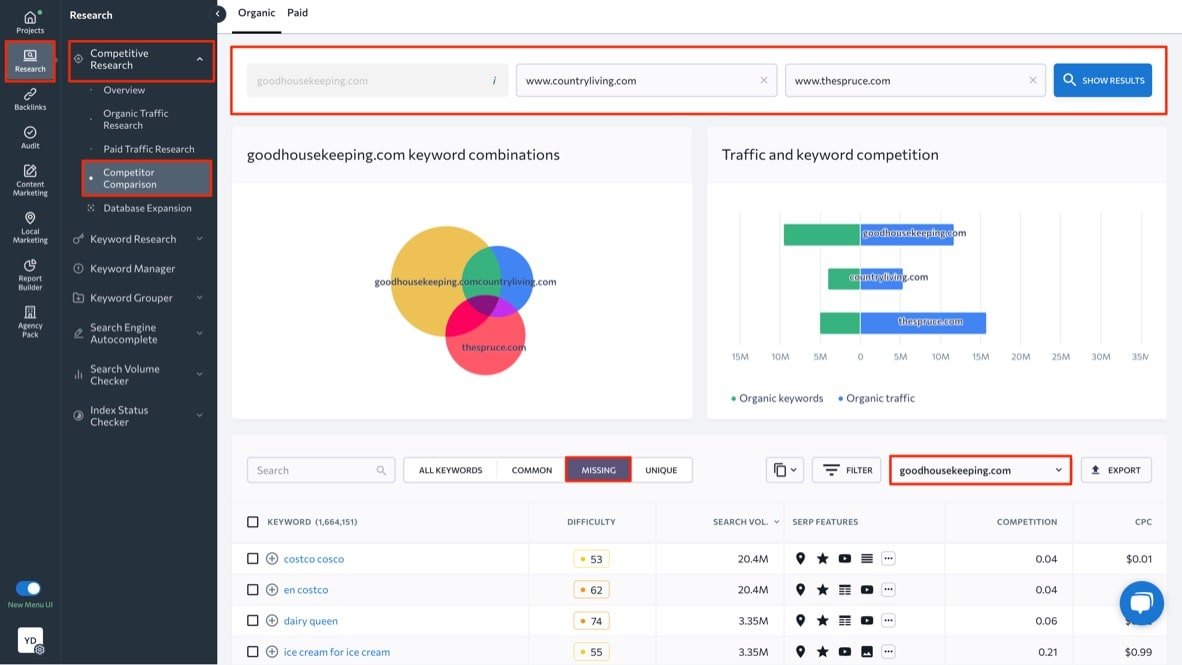
- Reverse Keyword Research: Entering a competitor’s URL into tools like SEMrush or Ahrefs can instantly reveal what keywords they rank for. You might uncover hidden gems—keywords that you hadn’t initially considered, but that are relevant to your audience.
- Content Gap Analysis: This involves comparing your keyword profiles with those of your competitors. Look for keywords that your rivals are ranking for that you aren’t. This gap can represent areas ripe for you to explore.
- Long-Tail Analysis: Focus on long-tail keywords your competitors are utilizing. These specific phrases can have less competition and allow you to rank well for targeted search queries, attracting highly motivated visitors.
Taking the time to assess your competitors’ keyword strategies can reveal opportunities that are both actionable and strategically sound.
Monitoring Competitors’ Keyword Rankings
Once you’ve identified keyword strategies, it’s essential to keep a finger on the pulse of your competitors’ keyword rankings. This ongoing process provides you with a dynamic view of the competitive landscape and helps you adapt your strategies accordingly.
Here are a few effective ways to monitor these rankings:
- Set Up Alerts: Use tools like Google Alerts to stay updated on your competitors’ activities and content updates.
- Regular Reports: Utilize SEO tools to generate periodic reports showing how competitors are ranking for target keywords. Keeping these reports regular—monthly or quarterly—can spotlight any shifts in strategy.
- Track SERP Position Changes: Watching changes in search engine results pages (SERPs) allows you to see which keywords are fluctuating. If a competitor’s ranking drops for a keyword, this could signify an opportunity for you to strategize and improve your position.
- Competitor Social Signals: Observe the social engagement your competitors receive for specific content as this can correlate with their rankings. High engagement may indicate audience interest in that keyword or topic area.
By closely monitoring your competitors’ keyword rankings and employing these research techniques, businesses can refine their strategies and enhance their overall SEO effectiveness. The key is adaptability; understanding when to pivot can lead you to greater success in the ever-evolving digital landscape.
Tracking and Measuring Success
Using Analytics Tools
Once your SEO strategies are in place, tracking and measuring their effectiveness becomes crucial. Just like an athlete reviews their performance stats to enhance their game, businesses should utilize analytics tools to gauge their SEO efforts. These tools allow you to collect critical data about website traffic, user behavior, and conversion rates.
Here are some essential analytics tools to consider:
- Google Analytics: This is the gold standard for web analytics. It provides insights into where your traffic is coming from, what keywords are most effective, and how visitors interact with your content. You can set up goals to track conversions, providing a full picture of your SEO success.
- Google Search Console: This invaluable tool offers data on how your site appears in SERPs. You can monitor keyword rankings, check indexing status, and even identify potential issues that could hinder your performance.
- SEMrush and Ahrefs: Both tools are excellent for tracking keyword performance and backlinks. They allow you to compare your progress against competitors’ rankings, ensuring you understand how you stack up in your industry.
Employing these tools enables you to create a detailed picture of your overall SEO health, equipping you with the data necessary for informed decision-making.
Adjusting Strategies Based on Data
So, once you’ve gathered your analytics, what’s next? Data is only valuable if you use it to inform your strategies. Regularly reviewing your analytics allows you to identify patterns and trends that can lead to strategic adjustments.
Consider these steps:
- Identify High-Performing Keywords: If certain keywords are driving traffic, consider creating more content around those topics. Enhancing existing content or developing new articles can capitalize on this interest.
- Analyze Bounce Rates and Engagement: High bounce rates on specific pages may indicate that your content isn’t meeting visitor expectations. Using this data, you may want to revise titles, headers, or even the entire approach to better serve your audience.
- Experiment with A/B Testing: Try out different strategies to see what resonates with your users. A/B testing various titles, CTAs, or layouts helps you make data-driven adjustments that lead to improved engagement and conversions.
- Stay Flexible: The digital landscape changes rapidly, making adaptability essential. Be prepared to pivot your SEO strategy based on the insights gleaned from your data.
By effectively tracking and measuring success, and adjusting your strategies based on real-time data, you can improve your SEO ranking and better connect with your audience, ensuring sustained growth and relevance in a competitive market.