
Introduction
Overview of Internal Linking in SEO
Internal linking is a fundamental yet often overlooked aspect of Search Engine Optimization (SEO). In essence, internal links are hyperlinks that connect one page of a website to another, creating a network that enhances user experience and navigability. This web of links not only guides visitors to relevant content but also assists search engine crawlers in understanding the structure and hierarchy of a website.
For instance, imagine wandering through a museum without signs or guides; you might miss some of the greatest exhibits. Similarly, without internal links, visitors may struggle to discover all the valuable content your website has to offer. This is where the real power of internal linking shines.
Benefits of Utilizing Internal Links
The benefits of utilizing internal links are substantial and can significantly impact a website’s performance. Here are some key advantages:
- Improved Website Navigation : Internal links make it easier for users to navigate your website, leading to a better overall experience. This increased satisfaction can result in lower bounce rates.
- Enhanced SEO Rankings : Search engines prioritize websites with a clear internal linking structure. By strategically linking relevant content, you help search engine algorithms crawl and index your site better, which can boost your rankings.
- Increased Page Authority Distribution : Internal links can distribute page authority throughout your site. Pages with high authority can pass some of that power to linked pages, helping them climb the ranks.
- Better User Engagement : By guiding visitors to related content, internal links encourage users to explore more pages, increasing the likelihood that they’ll stay longer on your website.
Incorporating these techniques can result in a website that’s not only user-friendly but also optimized for search engines, ultimately leading to greater visibility and success online.
Understanding Internal Linking
Definition of Internal Links
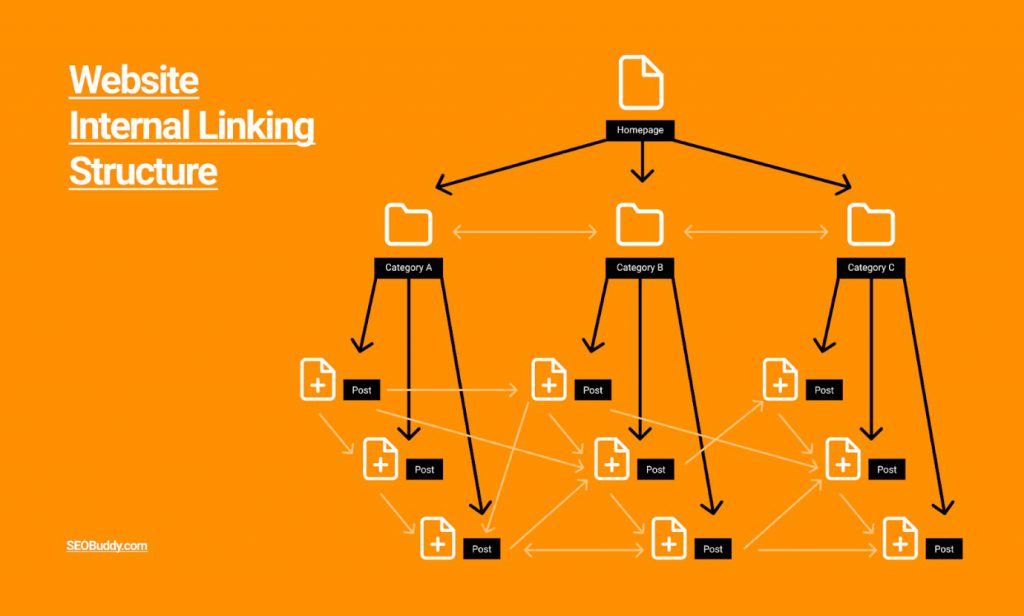
Internal links are hyperlinks that connect different pages within the same domain or website. Essentially, they serve as navigation tools, seamlessly guiding readers from one piece of content to another. Think of them as the pathways that help potential customers, readers, or visitors explore your site easily.
For example, if you have a blog post about healthy recipes, including a link to another post about meal planning can enhance the user’s journey. It’s like when you’re reading a good book: a footnote might lead you to an interesting related fact without having to search for it.
How Internal Links Impact SEO Rankings
The impact of internal links on SEO rankings is profound and multifaceted. Here’s how they contribute to a site’s search engine optimization:
- Crawlability : Internal links assist search engines like Google in crawling through your site. They help bots discover new pages and understand the site structure, which is crucial for effective indexing.
- Hierarchy and Relevance : By linking to important pages from less significant ones, you create a hierarchy. This not only highlights what content you deem essential but also signals to search engines which pages should rank higher.
- Session Duration : Internal links keep visitors on your site longer by prompting them to click and explore additional content. Increased session time can send positive signals to search engines regarding the quality and relevance of your site.
By implementing a thoughtful internal linking strategy, websites can enhance both user experience and SEO outcomes. Overall, mastering the art of internal linking could be a game-changer in achieving those coveted higher rankings in search results.
Importance of Internal Link Structure
Enhancing Website Navigation
A well-structured internal link system is like a well-organized library—it allows users to find what they need with ease. Enhancing website navigation through internal links can significantly improve user experience. When visitors can effortlessly move from one page to another, they are more likely to stay on your site longer and engage with your content.
Imagine entering a sprawling supermarket without any signs; you might be overwhelmed and leave quickly. However, a well-labeled store with clear directions makes the shopping experience enjoyable. Similarly, effective internal linking makes your content easily accessible, leading to longer visits. Good navigation can be achieved by:
- Creating Logical Pathways : Organize links based on categories or topics, leading users down a relevant path.
- Using Breadcrumbs : These are visible links that show users their location within your site’s hierarchy, making it easier to backtrack.
- Highlighting Related Content : At the end of blog posts, providing links to related articles encourages readers to explore further.
Distributing Page Authority
Alongside enhancing navigation, internal links are crucial for distributing page authority throughout a website. When a page receives backlinks or traffic, it gains authority, which can be passed on to linked pages. This is important because not all pages have the same level of authority.
Consider a scenario where your homepage has a high domain authority due to its traffic and link profile. By linking to less authoritative pages, you can improve their chances of ranking higher in search results. Here’s how to effectively distribute page authority:
- Link from High Authority Pages : Prioritize linking from pages that regularly receive traffic and links themselves.
- Use Contextual Links : Incorporate relevant internal links within the content, enhancing both user experience and authority-sharing.
- Regularly Update Links : As you add new content, revisit older posts to include links to newer pages, maintaining an engaging and fluid network.
By recognizing the importance of internal link structure, websites can create a more navigable and authoritative online presence, fostering an environment that benefits both visitors and search engines alike.
Best Practices for Internal Linking
Content Relevance and Anchor Text
When it comes to internal linking, the relevance of the content you’re linking is paramount. Just like a good conversation needs context, so do your links. If a link leads to content that isn’t directly related to the current topic, it can confuse users and lead to a poor experience.
For instance, if you run a travel blog and you write a post about the “Best Hiking Trails” and link to a page about “Budget Travel Tips,” the connection may not be obvious to your reader. Instead, consider linking to a related article like “Essential Gear for Hiking.” This not only keeps users engaged but also increases the likelihood that they will click the link since it directly pertains to their interests.
To ensure relevance:
- Utilize Contextual Links : Include links within the content where they naturally fit, guiding readers to related topics.
- Prioritize User Intent : Always think about what the reader might want to know next and provide links accordingly.
Proper Anchor Text Optimization
Anchor text—the clickable text in a hyperlink—plays a crucial role in internal linking strategy. Optimizing anchor text can enhance the effectiveness of your links by providing context and improving SEO.
Here’s how to optimize your anchor text:
- Be Descriptive : Instead of using vague terms like “click here,” use keywords that describe the content linked. For example, “Explore our tips on hiking gear” gives a clearer idea of what the linked page offers.
- Limit Exact Match Keywords : While it’s beneficial to use keywords, avoid stuffing them into every anchor text. A natural flow in your language will enhance reading experience and reduce the risk of being flagged as spam.
- Vary Your Anchor Text : Using a mix of exact match, partial match, and branded anchor texts can create a more organic linking structure.
By adhering to these best practices for internal linking, website owners can not only enhance user experience but also strengthen their site’s SEO, creating a cohesive and informative online presence that keeps readers coming back for more.
Tools and Techniques for Internal Link Optimization
Internal Link Audit Tools
To effectively implement an internal linking strategy, website owners need to begin with a thorough audit of their existing links. Internal link audit tools can make this process simpler and more efficient. These tools provide insights into how your internal linking structure is performing and identify opportunities for improvement.
Some popular internal link audit tools include:
- Google Search Console : This tool can show you which of your pages are most linked and help you spot any broken links.
- Screaming Frog : A powerful website crawler that enables you to visualize your internal linking structure and spot links that might be redundant or broken.
- Ahrefs : Known for its robust backlink analysis, Ahrefs also provides insights into your internal links, offering data that can help strengthen your linking strategy.
When you conduct an internal link audit, look for:
- Underlinked Pages : Identify pages that aren’t getting enough internal links and consider how to better integrate them into your content.
- Orphan Pages : Pages that have no internal links pointing to them can easily be missed by both users and search engines.
Creating a Strategic Internal Linking Plan
After assessing your current internal linking structure, the next step is to create a strategic internal linking plan. This plan should align with your content strategy and target audience interests.
Here’s how to devise an effective internal linking strategy:
- Identify Key Pages : Determine which pages on your site are most important for SEO purposes. These might include cornerstone articles, product pages, or high-traffic blog posts.
- Content Clustering : Group related content together. Create “hub” pages that serve as central points linking to multiple related articles, guiding users through a thematic journey.
- Regular Updates : Treat your internal linking strategy as an ongoing project. Regularly revisit and update your links as new content is created.
- Set Internal Linking Guidelines : Establish standards on how many links to include per page and how to select anchor text to ensure consistency across your site.
By leveraging internal link audit tools and creating a strategic linking plan, website owners can enhance both navigability and SEO, ultimately leading to improved visibility and user engagement.

Measuring the Impact of Internal Linking
Tracking Internal Link Performance
Once your internal linking strategy is in place, the next step is to measure its impact. Tracking internal link performance helps you understand how well your links are functioning in driving user engagement and SEO results.
There are several tools and metrics you can utilize for effective tracking:
- Google Analytics : This platform allows you to monitor user behavior on your site. Pay attention to metrics like page views, average session duration, and bounce rates on key pages. A higher engagement on pages with more internal links can indicate that your linking strategy is working.
- Click Tracking : Tools like Hotjar or Crazy Egg can provide visual heat maps showing how users interact with your links. You can see which internal links are clicked most frequently, giving you insights into what content resonates with your audience.
- Link Management Tools : Platforms like Ahrefs and SEMrush can help you track changes in internal link structure, losses in links, or significant changes in linked pages’ SEO performance.
Analyzing SEO Progress through Internal Links
Once you have data on internal link performance, the next step is to analyze how these links impact your overall SEO progress. Effective internal linking can lead to various positive outcomes:
- Improved Rankings : Monitor changes in keyword rankings for pages that you have optimized with internal links. If rankings improve, it’s a good indication that your strategy is effective.
- Increased Organic Traffic : By comparing organic traffic to linked pages before and after implementing your strategy, you can assess whether internal links have helped drive more visitors to your site.
- Conversion Rates : Evaluate whether users who arrive via internal links are converting at higher rates on your calls to action (CTAs). This can help you determine the effectiveness of your link strategy not just for SEO, but also for driving business goals.
By implementing tracking techniques and analyzing your SEO progress, you can continuously refine your internal linking strategy to maximize its benefits. Over time, this iterative process will contribute significantly to your website’s visibility and overall performance, keeping users engaged and enhancing your site’s authority.
Future Trends in Internal Linking Strategies
AI and Internal Linking
As technology continues to advance, the role of artificial intelligence (AI) in internal linking strategies is becoming increasingly prominent. AI can enhance how website owners implement internal links by analyzing user behavior and predicting content relevance. Imagine a scenario where ChatGPT or other AI systems could automatically suggest links based on user preferences and past interactions.
Here’s how AI might transform internal linking:
- Dynamic Link Suggestions : AI tools can analyze content on the fly and generate dynamic internal link suggestions as you write. This means you may have real-time guidance on which links to include, thus ensuring that you’re always optimizing for relevance and user engagement.
- Automated Updates : As you add new content to your site, AI can identify opportunities to update existing pages with links to new posts, maintaining a fresh and interconnected web of information throughout your site.
- User Experience Personalization : AI can track user behavior over time, allowing for the personalization of internal links tailored to individual user journeys. This enhances engagement by directing users to content that aligns perfectly with their interests.
The Evolution of Internal Linking for SEO
The strategies surrounding internal linking have evolved significantly over the years, and this evolution is likely to continue. As search engines become more sophisticated, so too will the tactics used for internal linking. Here are some anticipated trends:
- Contextual Relevance : Future internal linking may focus more on context rather than just keywords. Search algorithms are becoming adept at understanding user intent, so links will need to match not only topics but also the user’s specific needs and search queries.
- Increased Use of Structured Data : The integration of structured data in internal links could provide search engines with enhanced information about your content. This could lead to better visibility in search results and improved user understanding.
- Interactive Content : With the growing popularity of multimedia and interactive content, expect to see internal links embedded in videos, infographics, and interactive elements, making the link experience richer and more engaging.
In conclusion, as the landscape of SEO continues to morph, internal linking strategies will need to adapt. Embracing innovative technologies like AI while focusing on delivering a superior user experience will be key to mastering internal linking in the future. By staying ahead of these trends, website owners can position themselves to maximize visibility and user engagement in an increasingly competitive digital environment.
Conclusion
Recap of Internal Linking Benefits
As we wrap up our discussion on internal linking, it’s clear that this fundamental aspect of SEO offers myriad benefits that can significantly influence a website’s performance. To recap, here are the key advantages of implementing a robust internal linking strategy:
- Improved User Experience : Internal links guide visitors through your content, helping them find relevant information effortlessly. A seamless navigation experience keeps users engaged longer and encourages them to explore more of your site.
- Enhanced SEO Performance : By aiding search engines in crawling and indexing your site, internal links boost the visibility of your pages in search results. They help distribute page authority, giving lower-ranking pages a chance to shine.
- Increased Conversion Rates : Well-placed internal links can lead users to important pages, such as product offerings or sign-up forms, increasing the likelihood of conversions.
- Content Discovery and Hierarchy : Internal links help showcase the relationship between different content pieces, guiding users and search engines through the hierarchy of your website.
Final Considerations for Effective Internal Linking
As you fine-tune your internal linking strategy, keep the following considerations in mind to maximize effectiveness:
- Maintain Relevance : Always link to content that aligns with the user’s intent. Irrelevant links can confuse readers and harm your SEO efforts.
- Be Consistent : Establish a consistent approach to your internal links. Regular audits will help ensure that your linking structure remains intact and optimized.
- Prioritize Quality over Quantity : While it may be tempting to include numerous links, focus on a select few high-quality links that provide real value to your audience.
- Adapt and Evolve : The digital landscape is constantly changing; stay abreast of trends in SEO and user behavior to adjust your linking strategy accordingly.
By integrating these considerations into your strategy, you’ll enhance not only your site’s user experience but also its recognition by search engines. Internal linking may appear simple, but its impact is profound—so harness its power to drive your online success!