
Understanding SEO Implementation
Definition of SEO
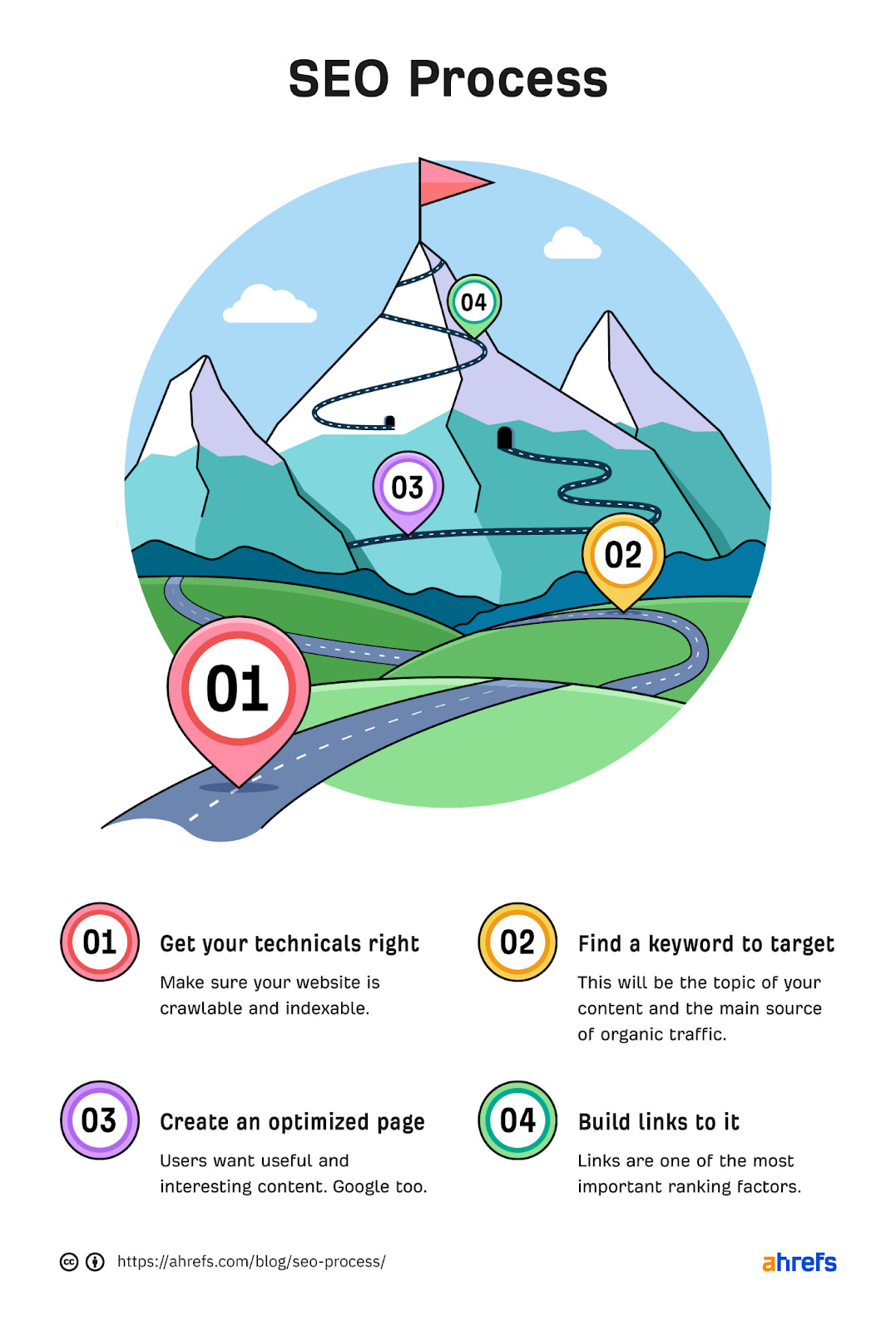
Search Engine Optimization (SEO) is a set of strategies and techniques that enhance a website’s visibility in search engine results. By optimizing various elements on your site, you can improve organic traffic and ensure that your content reaches your target audience. Think of SEO as a roadmap for your website; it guides search engines on how to understand and rank your content.
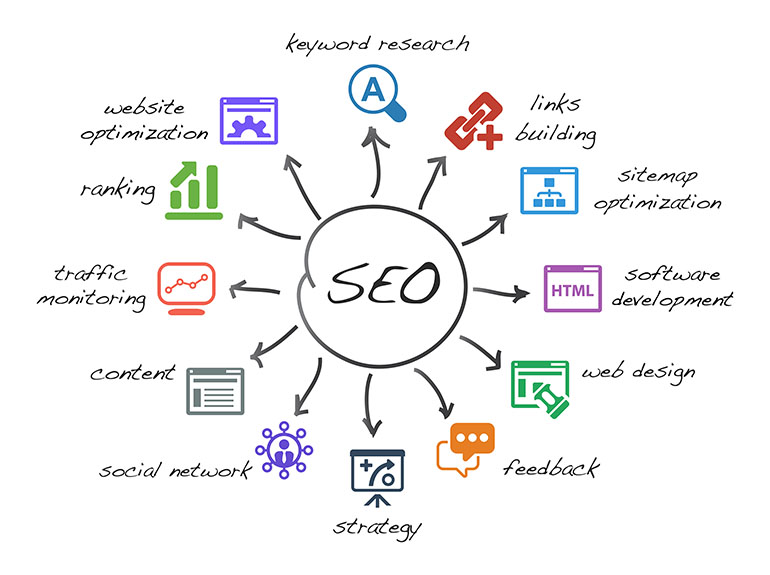
SEO encompasses several practices, including:
- Keyword Research : Identifying relevant search terms that potential visitors use.
- On-Page Optimization : Tweaking individual web pages to enhance their ranking.
- Off-Page Optimization : Building backlinks and strengthening external signals.
- Technical SEO : Ensuring your website is crawlable and indexable by search engines.
Importance of SEO in Digital Marketing
In the digital marketing landscape, SEO plays a pivotal role. With the vast number of websites competing for attention, it is more important than ever to stand out. For instance, when someone uses a search engine like Google, a well-optimized site can appear at the top of the results. This is crucial because:
- Increased Visibility : Higher rankings lead to more clicks and impressions.
- Cost-Effectiveness : Compared to paid advertising, organic search traffic is more sustainable in the long run.
- Building Credibility : Sites that rank higher are perceived as more credible and trustworthy.
- Targeted Traffic : SEO helps attract visitors who are genuinely interested in your products or services.
By investing in SEO, businesses can achieve long-lasting benefits, ensuring their websites are not just visited but also engaged with by the right audience.
Fundamentals of SEO
Keyword Research and Analysis
The foundation of effective SEO lies in keyword research and analysis. This stage involves identifying the words and phrases that your target audience is searching for. It’s not just about picking any random word; focus on terms that are relevant to your products or services. Personal experience has shown that using tools like Google Keyword Planner or Ahrefs can reveal hidden gems—keywords with high search volumes but low competition.
Here are some steps to conduct effective keyword research:
- Brainstorm Ideas : Start with what you think your audience is searching for.
- Use Research Tools : Explore keyword suggestion tools for more insights.
- Analyze Competitors : See what keywords competitors rank for and adapt your strategy accordingly.
On-Page Optimization
Once you’ve found your keywords, it’s time to put them to work through on-page optimization. This entails optimizing elements like title tags, meta descriptions, headers, and body content for targeted keywords.
Here are some key practices for on-page SEO:
- Title Tags : Include your primary keyword and keep it under 60 characters.
- Meta Descriptions : Craft compelling descriptions (150-160 characters) that entice clicks.
- Header Tags : Organize your content by using H1, H2, and H3 tags meaningfully.
Off-Page Optimization
While on-page elements are crucial, off-page optimization also plays a significant role in SEO. This refers to activities that occur away from your website but affect its ranking in search results. A common strategy is building quality backlinks from reputable sites.
Key aspects of off-page optimization include:
- Social Media Engagement : Sharing content to create buzz and drive traffic.
- Guest Blogging : Contributing articles to authoritative websites in exchange for links.
- Influencer Collaborations : Partnering with influencers to enhance brand visibility.
Together, these fundamentals form a well-rounded approach that lays the groundwork for successful SEO implementation.

Step-by-Step Guide to Implementing SEO
Setting Clear Goals
The journey to effective SEO begins with setting clear, measurable goals. Think of your goals as a map; they guide you toward achieving your desired outcomes. For instance, you might aim to increase organic traffic by 30% over the next six months or improve your site’s keyword rankings.
Here are great starting points for goal-setting:
- Specific : Clearly define your objectives.
- Measurable : Use numbers to track progress.
- Achievable : Set realistic goals based on your resources.
- Relevant : Ensure they align with your overall business strategy.
- Time-Bound : Establish a deadline for each goal.
Conducting Website Audit
Once goals are established, conduct a comprehensive website audit. This step identifies critical areas that require improvement. Tools like Screaming Frog or SEMrush can help you analyze site speed, mobile responsiveness, and existing SEO strategies.
Essential aspects to audit include:
- Content Quality : Is your content relevant and up-to-date?
- Technical Issues : Are there broken links or crawl errors?
- User Experience : Is the website easy to navigate and engaging?
Optimizing Website Content
With insights from your audit, it’s time to optimize your website content. This means improving existing content by following SEO best practices.
- Incorporate Keywords : Use relevant keywords naturally in your text, headings, and image alt tags.
- Engaging Content : Ensure content is informative, compelling, and answers users’ queries.
Building Quality Backlinks
Next, focus on building quality backlinks. Backlinks act as votes of confidence, enhancing your site’s authority and search rankings.
- Guest Posting : Write articles for reputable sites in exchange for a link back to your site.
- Social Sharing : Use social media platforms to promote your content, encouraging shares and backlinks.
Monitoring and Measuring Performance
Finally, continuously monitor and measure your SEO performance. Utilize tools like Google Analytics and Search Console to track your success against your initial goals. Regular analysis lets you adapt strategies as needed, ensuring you stay on the path to success.
With each step effectively executed, implementing SEO becomes a structured, rewarding process that eventually drives tangible results for your business.
Technical SEO Considerations
Website Speed Optimization
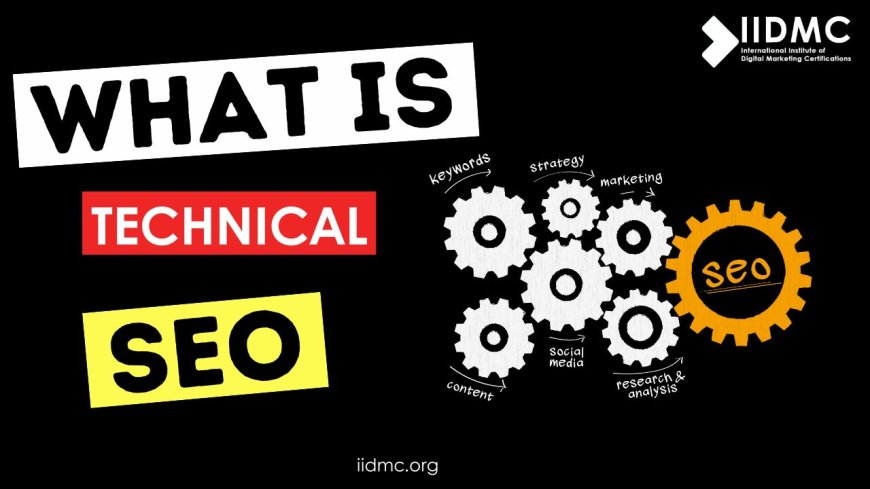
As we delve deeper into SEO, one cannot overlook the importance of technical factors, starting with website speed optimization. In today’s fast-paced digital world, users expect websites to load quickly. In fact, studies show that a mere one-second delay can result in a significant drop in conversions.
To enhance your website’s speed, consider the following:
- Image Compression : Use tools like TinyPNG to reduce image file sizes without sacrificing quality.
- Minimize HTTP Requests : Reduce the number of elements on your page to speed up load times.
- Utilize Browser Caching : Allow users’ browsers to cache files, which speeds up subsequent visits.
Mobile Responsiveness
With more users accessing the internet via mobile devices than desktop computers, ensuring your website is mobile-responsive is non-negotiable. A responsive design adapts to different screen sizes, providing a seamless experience across devices.
Here’s how to optimize for mobile responsiveness:
- Fluid Grids : Use percentages instead of fixed units for layout dimensions.
- Touch-Friendly Design : Ensure buttons and links are easy to click on smaller screens.
- Test Responsiveness : Regularly check how your site appears on various devices and screen sizes using tools like Google’s Mobile-Friendly Test.
Schema Markup Implementation
Schema markup is another essential aspect of technical SEO that many overlook. By implementing schema, you help search engines understand the content and context of your pages, which can lead to enhanced visibility and rich snippets in search results.
Here’s how to implement schema effectively:
- Choose the Right Schema Type : Identify which schema is relevant to your content (e.g., product, article, local business).
- Use Schema Markup Generators : Tools like Google’s Structured Data Markup Helper can simplify the process.
- Test Your Markup : After implementation, use Google’s Structured Data Testing Tool to ensure everything is functioning as intended.
By addressing these technical aspects, you not only improve your site’s performance but also enhance the user experience, setting a strong foundation for successful SEO.

Advanced SEO Strategies
Local SEO Optimization
As businesses continue to shift focus towards localized services, local SEO optimization has emerged as a vital strategy. By enhancing your local presence, you can attract more customers in your geographical area. This is especially crucial for brick-and-mortar businesses.
To optimize for local search, consider the following approaches:
- Google My Business : Create and optimize your listing with accurate information, photos, and engaging descriptions.
- Local Keywords : Incorporate city or region-specific keywords naturally into your content.
- Local Citations : Ensure consistency across business directories to improve credibility and search visibility.
Personal experience has shown that after optimizing a Google My Business profile, a local café saw an increase in foot traffic and customer inquiries.
Voice Search Optimization
With the rise of voice assistants like Siri and Alexa, optimizing for voice search has become increasingly important. Voice search queries tend to be longer and conversational, contrasting with traditional text searches.
Here’s how to adapt your SEO strategy for voice search:
- Focus on Long-Tail Keywords : Incorporate phrases that reflect how people naturally speak.
- Answer Questions : Structure content to address common questions that users might ask, using FAQs or Q&A formats.
- Optimize for Local Intent : Many voice searches are local in nature, so ensure your local SEO strategies align here.
Featured Snippets and Rich Snippets
Finally, let’s explore featured snippets and rich snippets, which offer prime real estate in search results. Featured snippets are the boxed information that appears at the top of Google’s search results, while rich snippets enhance regular results with additional data like ratings and reviews.
To optimize for these:
- Use Structured Data : Implement schema markup to help search engines understand your content better.
- Provide Clear Answers : Break down complex information into concise, easy-to-read formats.
- Target Questions : Identify common inquiries related to your niche and ensure your content answers these succinctly.
Embracing these advanced SEO strategies can set your website apart from the competition, driving more qualified traffic and ultimately boosting conversions.
SEO Tools for Implementation
Keyword Research Tools
When it comes to executing an effective SEO strategy, keyword research tools are indispensable. These tools help you uncover what your target audience is searching for, allowing you to tailor your content accordingly.
Some popular keyword research tools include:
- Google Keyword Planner : Great for finding popular search terms and estimating search volumes.
- Ahrefs : Offers insights into keyword difficulty, and competitor analysis, making it a comprehensive choice.
- Ubersuggest : Provides keyword suggestions and content ideas along with search volume data.
Having used these tools, I discovered that tweaking my keywords led to a noticeable increase in organic traffic!
SEO Audit Tools
Next up are SEO audit tools, which analyze your website’s health and performance, identifying areas for improvement. A thorough SEO audit can reveal issues that may be affecting your ranking.
Key tools to consider:
- Screaming Frog SEO Spider : Great for crawling websites and identifying technical issues like broken links.
- SEMrush : Offers a complete site audit feature that checks for over 130 technical and SEO issues.
- Moz Pro : Its on-page optimization features help you understand how well your site is aligned with SEO best practices.
Regular audits not only improve your site’s SEO but also enhance the overall user experience.
Rank Tracking Tools
Finally, rank tracking tools are essential for monitoring your website’s performance over time. They help you track keyword rankings, keeping you informed about how your optimization efforts are paying off.
Consider these tools:
- Google Search Console : Offers insights into your website’s performance and rankings directly from Google.
- Ahrefs Rank Tracker : Provides real-time updates on your keywords’ rankings and compares them against competitors.
- SERPWatcher : Simple and intuitive, it tracks keyword rankings and provides actionable insights.
Using these tools not only allows you to measure your SEO success but also helps to refine your strategy for continuous improvement. By employing this suite of SEO tools, you set yourself up for a stronger online presence.
Measuring SEO Success
Key Performance Indicators (KPIs)
Measuring SEO success is essential to gauge the effectiveness of your strategies. This is where Key Performance Indicators (KPIs) come into play. KPIs are specific metrics that help you track progress towards your SEO goals.
Some essential KPIs to monitor include:
- Organic Traffic : The number of visitors arriving via search engines indicates the effectiveness of your SEO efforts.
- Keyword Rankings : Track your positions for target keywords to determine if your optimization strategies are working.
- Bounce Rate : A high bounce rate may suggest that visitors aren’t finding what they expected, prompting a review of content relevance.
- Conversion Rate : Ultimately, your goal is not just traffic, but conversions; monitor how many visitors fulfill a desired action, such as making a purchase or signing up for a newsletter.
In my experience, regularly revisiting your KPIs helps fine-tune strategies for better results.
Google Analytics and Search Console Metrics
Another vital aspect of measuring SEO success involves leveraging tools like Google Analytics and Google Search Console (GSC).
- Google Analytics : This tool provides a treasure trove of metrics such as page views, average session duration, and user demographics that help you understand your audience’s behavior. For instance, by analyzing traffic sources, I discovered that a particular blog post drew in significant organic traffic, prompting me to create more content around that topic.
- Google Search Console : GSC focuses on how your site appears in search results. Metrics like impressions, clicks, and average position for keywords reveal how well your content is performing in search.
By combining insights from both Google Analytics and GSC, you gain a comprehensive view of your SEO performance, allowing you to make informed decisions to enhance your strategies and improve your site’s visibility.
Troubleshooting Common SEO Issues
Dealing with Duplicate Content
One of the most common SEO pitfalls is duplicate content, which can confuse search engines and dilute your rankings. This typically happens when identical content appears on multiple pages, leading to a struggle over which page should rank higher.
To tackle this issue:
- Canonical Tags : Implement canonical tags to indicate the preferred version of a page to search engines.
- Content Rewrite : Whenever possible, rewrite or diversify content to make each page unique.
- Redirects : Set up 301 redirects from duplicate pages to the original to consolidate ranking signals.
In my experience, addressing duplicate content not only improved my rankings but also provided users a clearer path to quality information.
Fixing Crawl Errors
Crawl errors can hinder your website’s visibility, preventing search engines from accessing key content. These may stem from broken links, server issues, or misconfigured settings.
To address crawl errors:
- Google Search Console : Regularly check GSC for any reported crawl errors and details on which pages are affected.
- Fix Broken Links : Leverage tools like Screaming Frog to identify and update or remove broken links on your site.
- Improve Site Architecture : Ensure your site’s structure is logical and straightforward, making it easier for crawlers to navigate.
After fixing crawl errors on my site, I noticed a significant improvement in crawl rates and overall search visibility.
Addressing Penalty Recovery
Finally, let’s discuss penalty recovery. If your site suffers from a Google penalty—either manually or algorithmically—it can significantly impact your rankings.
To recover:
- Identify the Cause : Use Google Search Console to discover and analyze the reasons behind the penalty.
- Remove Bad Links : If it’s a link-related penalty, take proactive steps to remove harmful backlinks through tools like Disavow.
- Comply with Guidelines : Review Google’s Webmaster Guidelines to ensure your site aligns with best practices moving forward.
Recovering from a penalty can be challenging, but with persistence, it’s entirely possible. Taking these troubleshooting steps will help ensure your site runs smoothly and boosts your SEO efforts.
Future Trends in SEO Implementation
AI and Machine Learning Impact
As we navigate the future of SEO, one undeniable trend is the increasing influence of Artificial Intelligence (AI) and machine learning. These technologies are transforming how search engines understand and rank content, making it essential for SEO practitioners to adapt.
Here’s how AI is shaping SEO:
- Semantic Search : AI is enhancing search engines’ ability to comprehend context rather than just keywords. This means that content must cater to user intent and provide comprehensive answers to queries.
- Content Generation : Tools like OpenAI’s GPT-3 are already being used to produce high-quality content. While this can be beneficial, it’s crucial to ensure that the content remains unique and engaging.
- Personalization : Machine learning algorithms analyze user behavior to deliver personalized search results, which means businesses must focus on creating content that resonates with specific audiences.
From my experience, leveraging AI tools for content insights has significantly increased engagement and reduced content creation time.
Search Engine Algorithm Updates
Alongside the rise of AI, continuous search engine algorithm updates are a reality that SEO professionals must face. Google, for instance, regularly alters its algorithms to enhance the user experience, affecting rankings radically.
Key considerations include:
- Staying Updated : Frequent algorithm updates mean staying informed on changes that can impact your SEO strategy. Following reliable SEO news sources and forums helps maintain this awareness.
- Adapting Strategies : When updates occur, be prepared to adjust your tactics. For example, recent updates have prioritized mobile-first indexing, emphasizing the importance of mobile optimization.
- Quality Content : Ultimately, the focus remains on producing valuable, high-quality content that answers users’ needs—something that search engines consistently reward.
As someone who continuously adjusts strategies in response to updates, I’ve observed that flexibility and vigilance are key to maintaining strong rankings in this ever-evolving digital landscape. By embracing these future trends, businesses can better position themselves for lasting success in SEO.
Conclusion
Recap of SEO Implementation Steps
As we wrap up our journey through SEO implementation, it’s important to recap the critical steps that lay the groundwork for a successful strategy. These steps include:
- Setting Clear Goals : Establishing measurable objectives helps to guide your SEO efforts effectively.
- Conducting a Website Audit : Identifying areas for improvement ensures that your website is optimized for both users and search engines.
- Keyword Research : Understanding what your audience is searching for lays the foundation for effective content creation.
- On-Page and Off-Page Optimization : Enhancing content and building backlinks increase your site’s visibility and authority.
- Monitoring Performance : Regularly check your metrics and KPIs to measure success and adapt strategies as needed.
From my experience, following these steps systematically leads to significant improvements in online presence and traffic.
Importance of Continuous Optimization
However, the work doesn’t end once these steps are implemented. Continuous optimization is crucial in the world of SEO. Given the rapid pace of changes in search engine algorithms and user behavior, ongoing adjustments are necessary.
Consider:
- Regular Content Updates : Refreshing old content ensures that it remains relevant and valuable.
- Adapting to Trends : Keeping an eye on industry trends allows you to modify your strategy and stay ahead of the competition.
- Engaging with Users : Listening to user feedback and adjusting strategies accordingly helps refine the user experience.
In closing, SEO is not a one-time effort but a dynamic process that requires consistent attention and adaptation. By committing to continuous optimization, businesses can ensure that they remain relevant and competitive in an ever-evolving digital landscape. Embracing this mindset will ultimately yield lasting success in your SEO endeavors.